





Battery Storage Designed Around Hampshire Energy Usage
Battery storage systems should be designed around how a property uses electricity rather than simply the size of the battery itself.
Across Hampshire, homeowners are increasingly using battery storage to reduce imported electricity, take advantage of smart energy tariffs and improve long-term energy resilience.
A well-designed battery system considers household demand, charging behaviour, future electrification plans and long-term flexibility.
Whether installed as a standalone technology or alongside solar PV, battery storage should be designed around real-world usage patterns and future requirements.
The goal is not simply to store electricity. The goal is to buy, store and use energy more intelligently.
How Battery Storage Works Throughout the Day
A battery storage system constantly responds to changing electricity demand throughout the day.
When electricity is available from solar generation or low-cost tariff periods, the battery charges automatically. When household demand increases, the stored energy can be used instead of importing electricity from the grid.
The exact charging and discharge behaviour depends on the system design, tariff settings and property requirements.
Modern battery systems operate automatically, helping homeowners make better use of available energy without needing to manage the system manually.
Smart Tariffs and Load Shifting Across Hampshire
One of the biggest advantages of modern battery storage is the ability to take advantage of smart electricity tariffs.
Many Hampshire homeowners now use battery systems to charge during low-cost overnight tariff periods and use that stored electricity throughout the following day.
This process, often known as load shifting, can significantly reduce imported electricity costs even during periods when solar generation is limited.
Many modern battery systems can automatically respond to time-of-use and dynamic electricity tariffs, helping homeowners purchase electricity when prices are lowest and use that stored energy during more expensive periods. For some Hampshire households, particularly those with electric vehicles, heat pumps or higher-than-average electricity demand, tariff optimisation can deliver substantial long-term savings even during winter months when solar generation is naturally lower.
What Makes a Bespoke PV Battery System Different
Many battery systems are sold using simple package recommendations based on battery size alone.
That approach can work in some situations, but it often overlooks the details that determine how useful the battery will be over the long term.
This is particularly important across Hampshire, where electricity usage patterns can vary significantly between detached family homes, rural properties, coastal homes and commercial buildings.
Bespoke PV takes a design-led approach that considers electricity demand, charging behaviour, tariff opportunities, future electrification plans and long-term flexibility.
The objective is not simply to install a battery. The objective is to create an energy storage system that genuinely supports the way the property uses electricity.
- Battery sizing based on real usage patterns
- Smart tariff optimisation
- Future EV charging and heat pump planning
- Monitoring and long-term visibility
- Expansion and upgrade flexibility
Property Types We Design For Across Hampshire
Different Hampshire properties use electricity in different ways. Bespoke PV designs battery storage systems around the building, energy usage profile, tariff opportunities and long-term energy requirements.

Detached Homes
Detached homes across Hampshire often benefit from battery storage by reducing imported electricity, supporting EV charging and improving the value delivered by smart energy tariffs.

Rural Properties
Many Hampshire rural properties use battery storage to improve energy resilience, reduce reliance on imported electricity and support wider renewable energy systems.
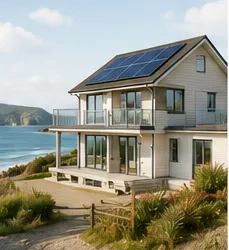

Coastal Homes
Battery storage can help Hampshire coastal properties make better use of solar generation, optimise smart tariff charging and improve long-term energy flexibility.


Listed Buildings
Battery storage can often be added with minimal visual impact, making it an attractive renewable energy upgrade for many listed and period properties.
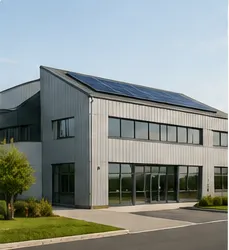

Commercial Premises
Commercial battery systems can support load shifting, reduce peak electricity costs and improve operational energy management.
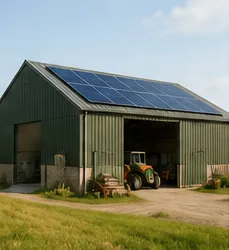

Agricultural Buildings
Agricultural sites can use battery storage to increase solar self-consumption, improve energy resilience and make better use of off-peak electricity tariffs.
Battery Storage for Existing Hampshire FIT Solar Systems
Many Hampshire homeowners installed solar PV between 2010 and 2019 under the Feed-in Tariff scheme and continue to receive generation and deemed export payments today.
For these properties, battery storage can be particularly attractive because storing and using surplus solar electricity does not usually affect deemed export payments.
This means homeowners may be able to increase solar self-consumption significantly while continuing to receive FIT generation payments and deemed export income.
For many older solar installations, battery storage provides one of the most effective ways to improve the value delivered by the existing system.
Retrofit Battery Storage for Existing Solar Systems
Many Hampshire homeowners already have solar PV installed and are looking for ways to increase solar self-consumption without replacing their existing system.
Retrofit battery storage can often be added to compatible installations, allowing surplus daytime generation to be stored and used later when household demand increases.
For many properties, adding a battery is one of the most effective ways to improve the value delivered by an existing solar PV system.
Battery Storage for Hampshire Rent-a-Roof Solar Systems
Many properties with rent-a-roof solar arrangements can use electricity generated by the panels installed on their roof but do not receive export payments.
In these situations, battery storage can often provide significant benefits.
Rather than allowing surplus solar generation to leave the property unused, battery storage can capture that energy and make it available later when household demand increases.
For many rent-a-roof customers, battery storage can dramatically increase the proportion of free solar electricity used within the property.
Backup Power, EPS and Energy Resilience
While many homeowners initially consider battery storage for solar self-consumption or smart tariff optimisation, energy resilience is becoming an increasingly important reason for installing a battery system.
Modern homes rely heavily on electricity for communication, security, heating controls, refrigeration, home working and day-to-day living. Even relatively short power outages can be disruptive, particularly for households that depend on internet connectivity, remote working equipment or electrically controlled heating systems.
Some battery systems can provide Emergency Power Supply (EPS) or backup power functionality. During a grid outage, stored battery energy can continue supplying selected circuits within the property, helping maintain access to essential equipment and services.
The level of backup capability varies between systems and depends on the inverter, battery specification and overall system design. Some installations may provide power to a limited number of essential circuits, while others can be designed to support a wider range of household loads.
Typical backup loads may include lighting, broadband routers, refrigeration, home office equipment, security systems, heating controls and selected power sockets. The exact circuits supported will depend on the design priorities of the property and the available battery capacity.
For rural properties, premium homes, home offices and households seeking greater energy independence, backup power capability can provide valuable peace of mind and protection against unexpected grid interruptions.
Battery storage can also form part of a broader resilience strategy. When combined with solar PV generation, stored energy can help reduce reliance on imported electricity while providing additional flexibility during periods of grid disruption.
For many customers, the value of a battery system is not measured solely by electricity savings. The ability to maintain power to important household systems during an outage can be just as important as the financial benefits delivered through solar self-consumption and tariff optimisation.
Bespoke PV helps customers understand the different backup options available and designs battery systems around the level of resilience, functionality and future flexibility they require.
Monitoring, Optimisation and Long-Term Support
Monitoring is a critical part of any modern battery storage system.
Smart monitoring platforms allow homeowners and businesses to track charging behaviour, discharge patterns, imported electricity, overnight charging activity, tariff optimisation and long-term performance.
Bespoke PV supports customers with retrofit battery installations, system upgrades, inverter replacements, monitoring improvements and ongoing optimisation.
Battery storage should continue delivering value long after installation, which is why long-term support and visibility remain important considerations.
Battery Storage Installers Across Hampshire
Bespoke PV supports homeowners and businesses throughout Hampshire, including Southampton, Portsmouth, Winchester, Fareham, Eastleigh, Waterlooville, Romsey, Basingstoke and surrounding areas.
The county contains a diverse mix of urban, rural and coastal properties, each presenting different opportunities for battery storage and wider renewable energy planning.
Detached homes, listed buildings, rural properties, agricultural sites and commercial premises all benefit from a tailored approach rather than a standard package solution.
Whether the objective is reducing imported electricity, improving solar self-consumption, taking advantage of smart tariffs or increasing energy resilience, Bespoke PV designs battery storage systems around the specific requirements of each property.
This design-led approach helps Hampshire homeowners and businesses achieve reliable performance, future flexibility and long-term value from their battery storage investment.