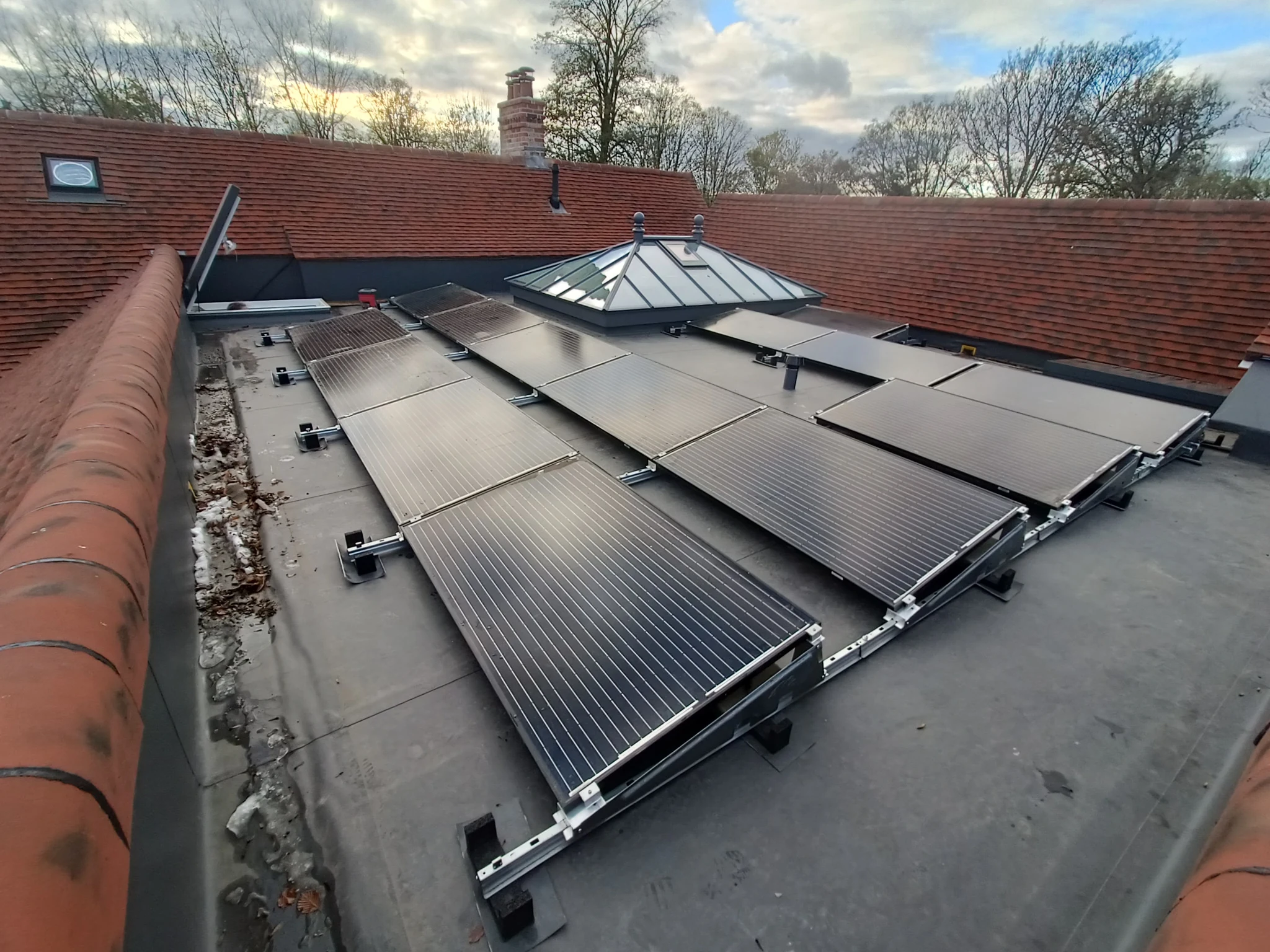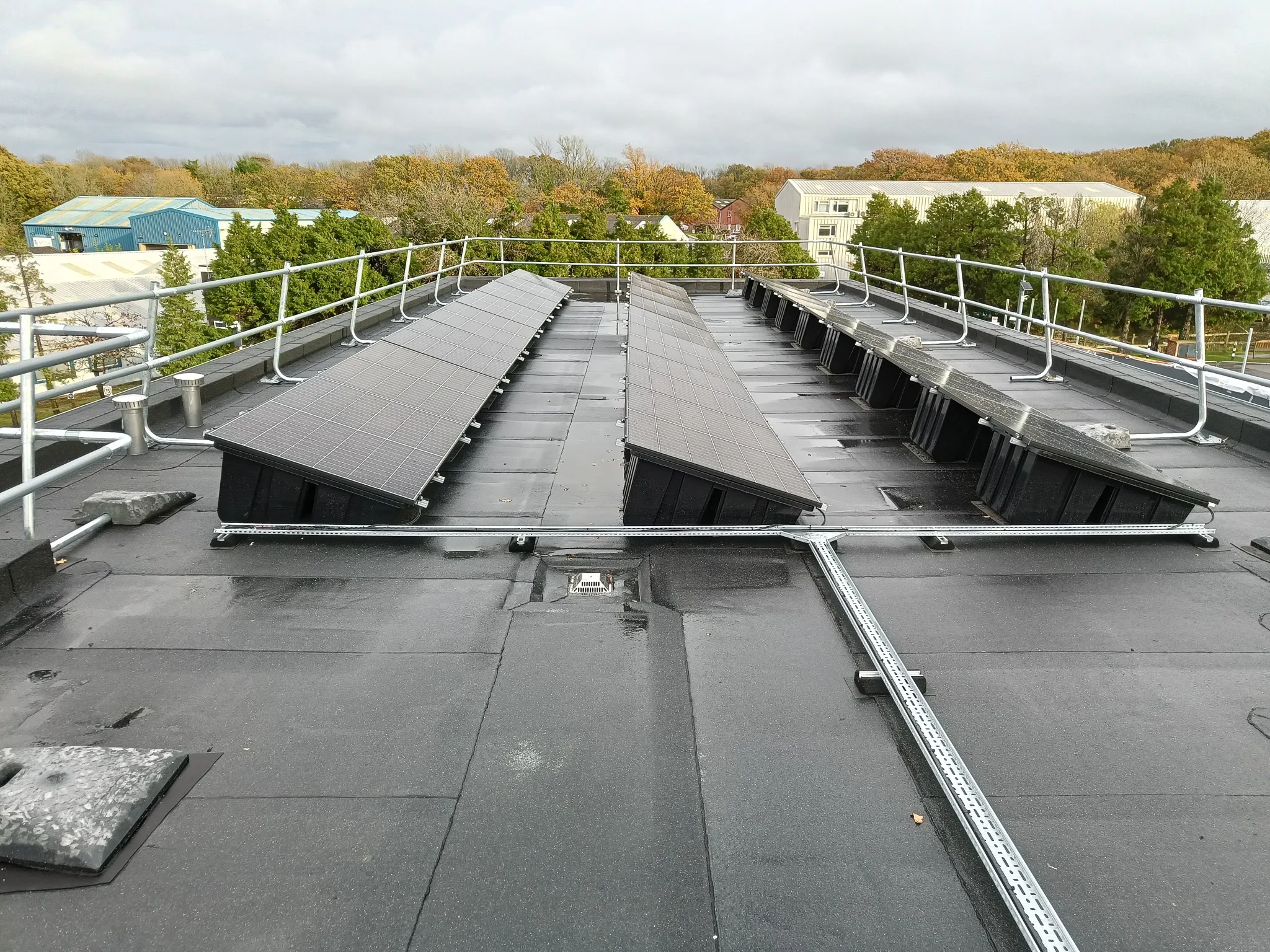






Energy Monitoring & Optimisation
Modern renewable energy systems are no longer simply about generating electricity. They are increasingly about understanding how energy is used, stored, imported, exported and managed across a property.
Many homeowners and businesses have limited visibility beyond a basic electricity bill or solar generation figure. This can make it difficult to understand where electricity is being used, which loads are most significant or whether future solar, battery storage or EV charging projects are being sized correctly.
Energy monitoring can provide a much clearer picture of how a property actually consumes electricity throughout the day, across different circuits and during different operating conditions.
This information can support better decisions around renewable energy upgrades, battery storage sizing, backup power requirements, EV charging integration and long-term electrification planning.
Energy monitoring and optimisation may support:
- Understanding whole-property energy usage
- Identifying high-demand electrical loads
- Reviewing solar PV and battery performance
- Planning future solar and battery sizing
- Assessing critical loads for backup power
- Supporting long-term energy optimisation
Why Understanding Energy Usage Matters
Many renewable energy decisions are made using incomplete or estimated electricity data.
Annual electricity bills can show total consumption, but they rarely explain when electricity is being used, which circuits or appliances are responsible for demand, or how usage changes throughout the day.
Without this visibility, solar PV systems, battery storage systems and backup power solutions may be designed around assumptions rather than measured data.
Understanding real electricity usage can help homeowners and businesses make more informed decisions before investing in new renewable energy infrastructure.
Energy monitoring and optimisation for a wide range of properties
Bespoke PV helps homeowners, businesses and property owners understand how electricity is generated, consumed and managed across their properties.
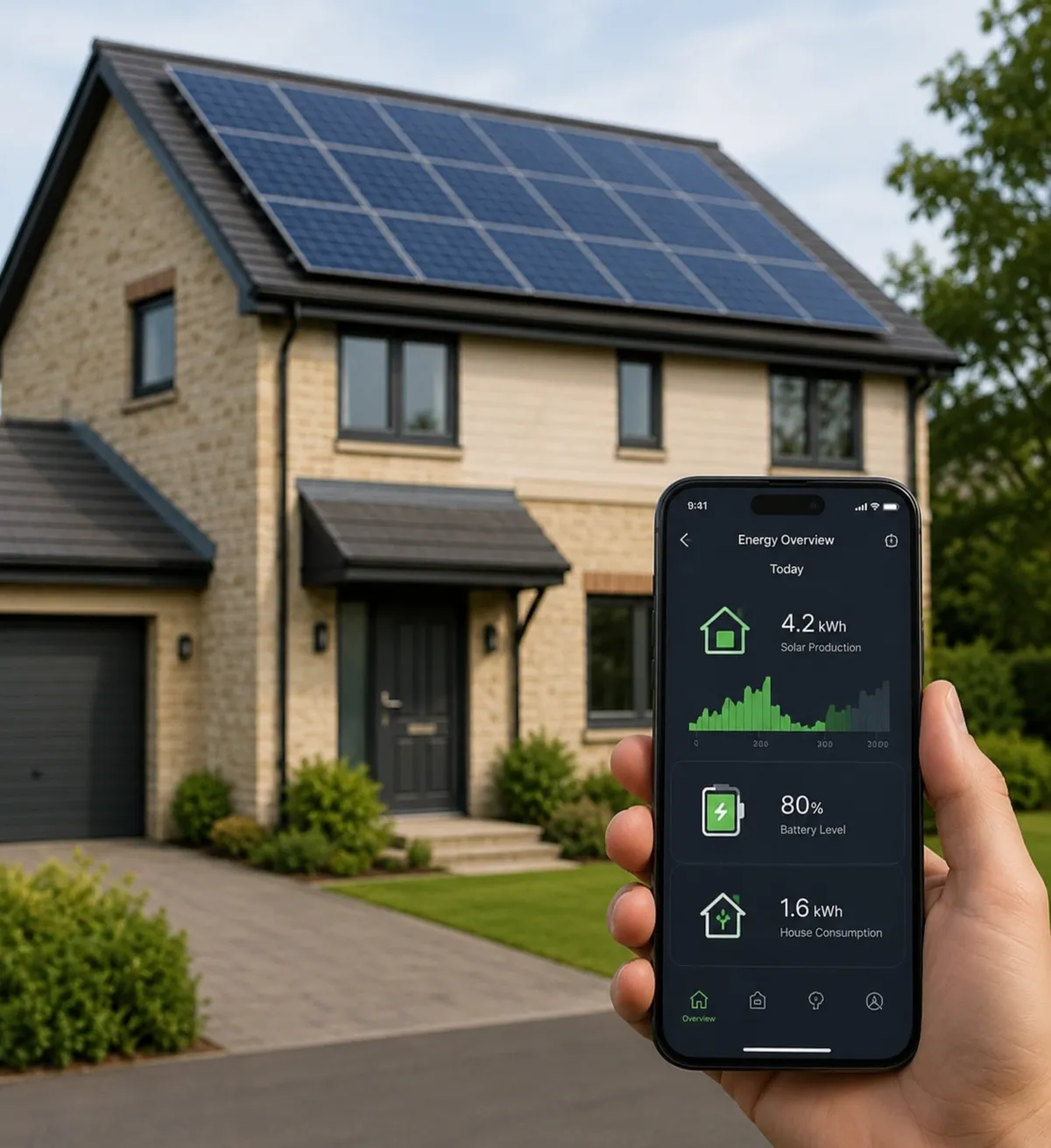

Homes with Solar PV Systems
Monitoring, performance visibility and long-term optimisation for residential solar PV, battery storage and wider energy systems.
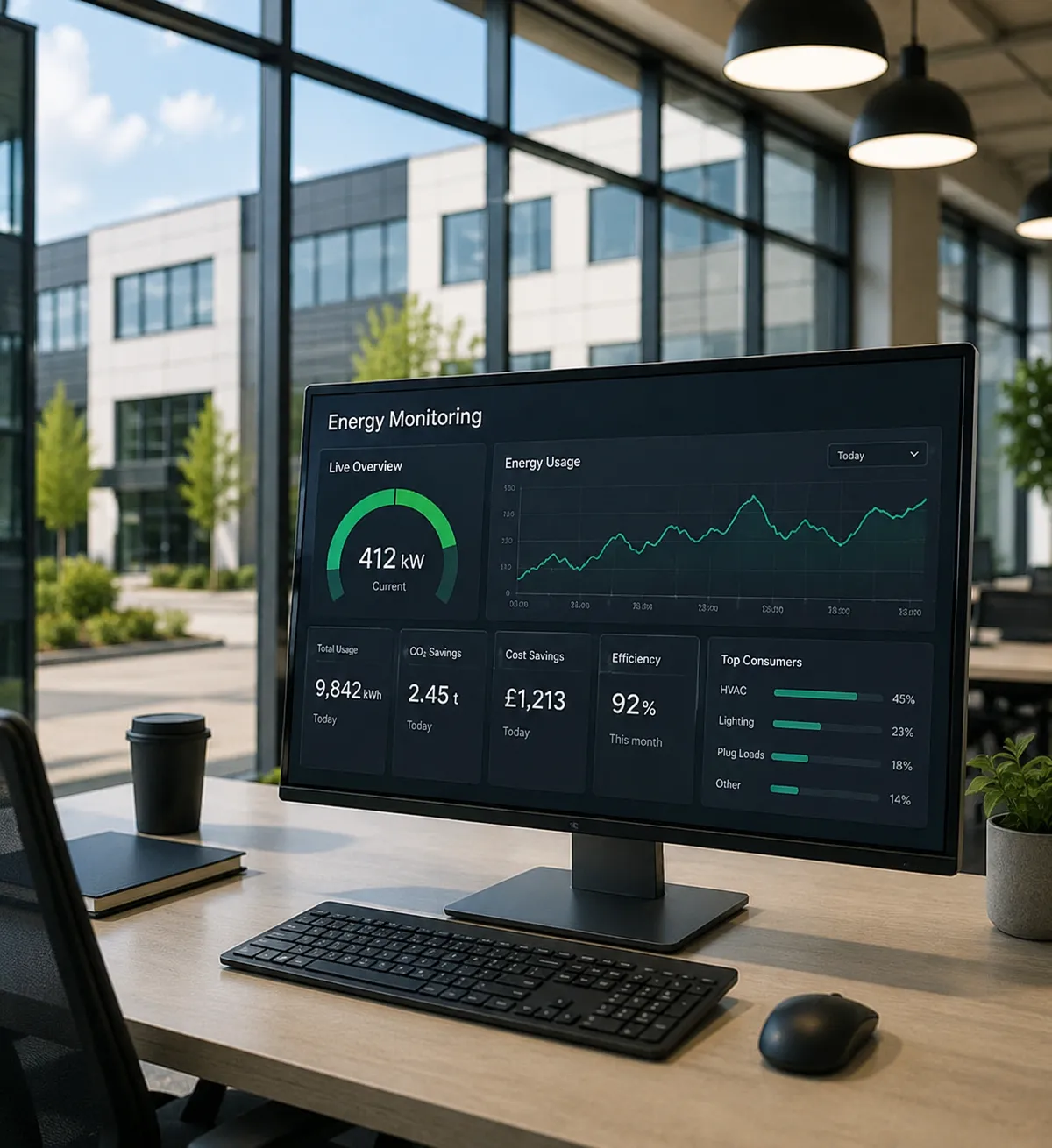

Businesses and Commercial Premises
Monitoring electricity consumption, operational loads and renewable energy performance across commercial environments.
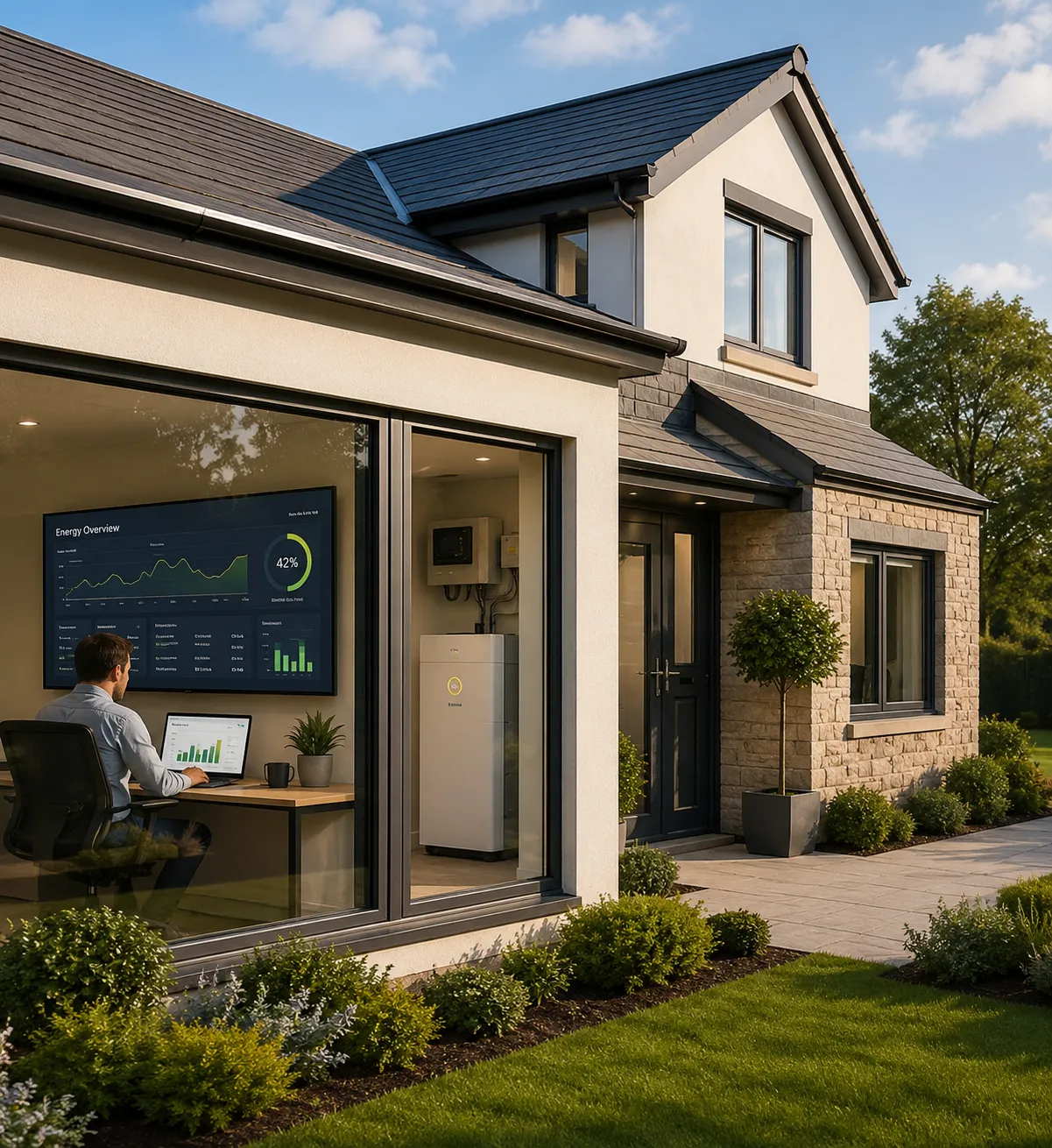
Properties Planning Battery Storage
Using monitored energy data to inform battery sizing, charging strategies, self-consumption and long-term energy management.
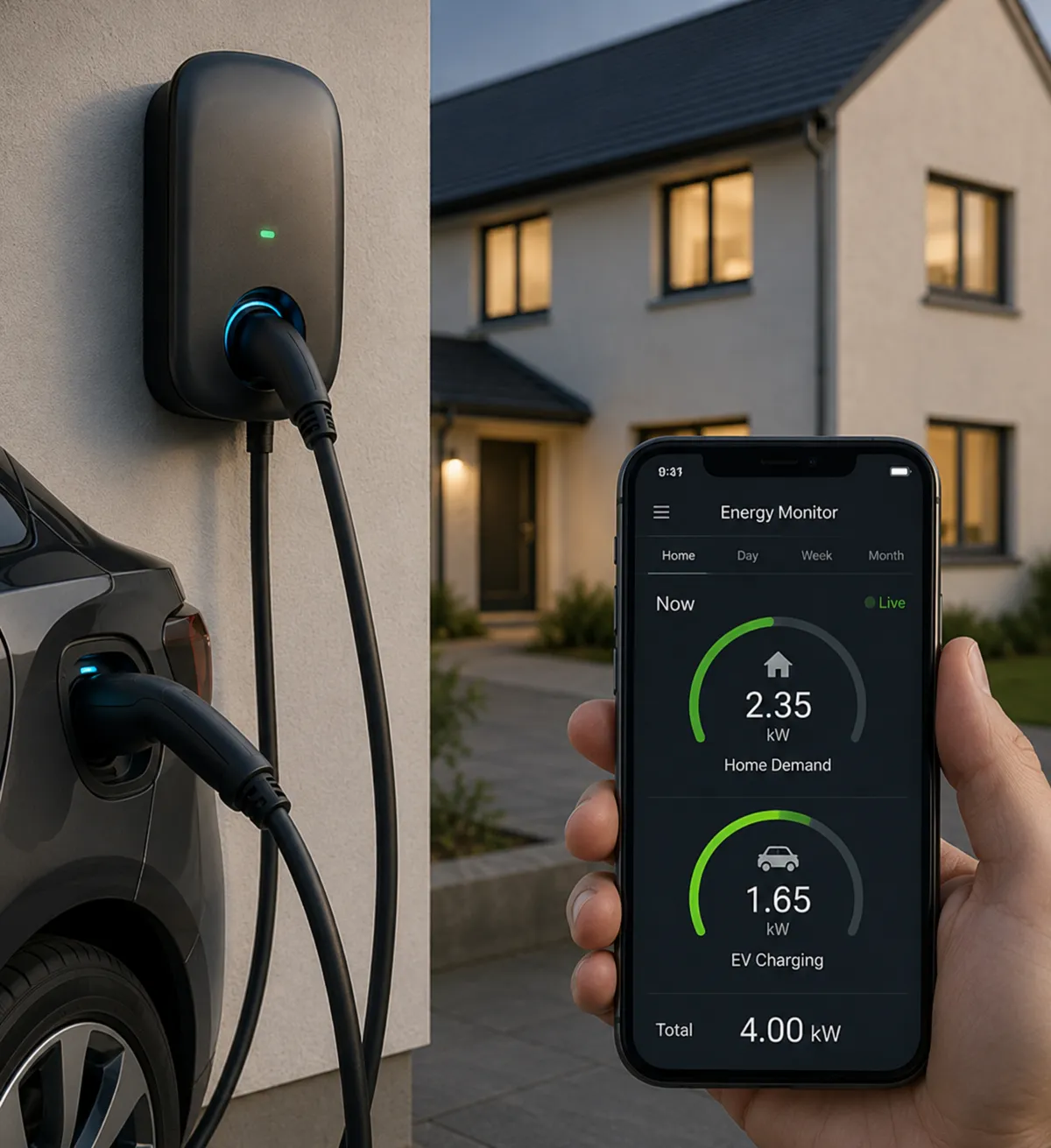
Properties with EV Charging
Understanding vehicle charging demand and how it interacts with solar generation, battery storage and wider electricity usage.
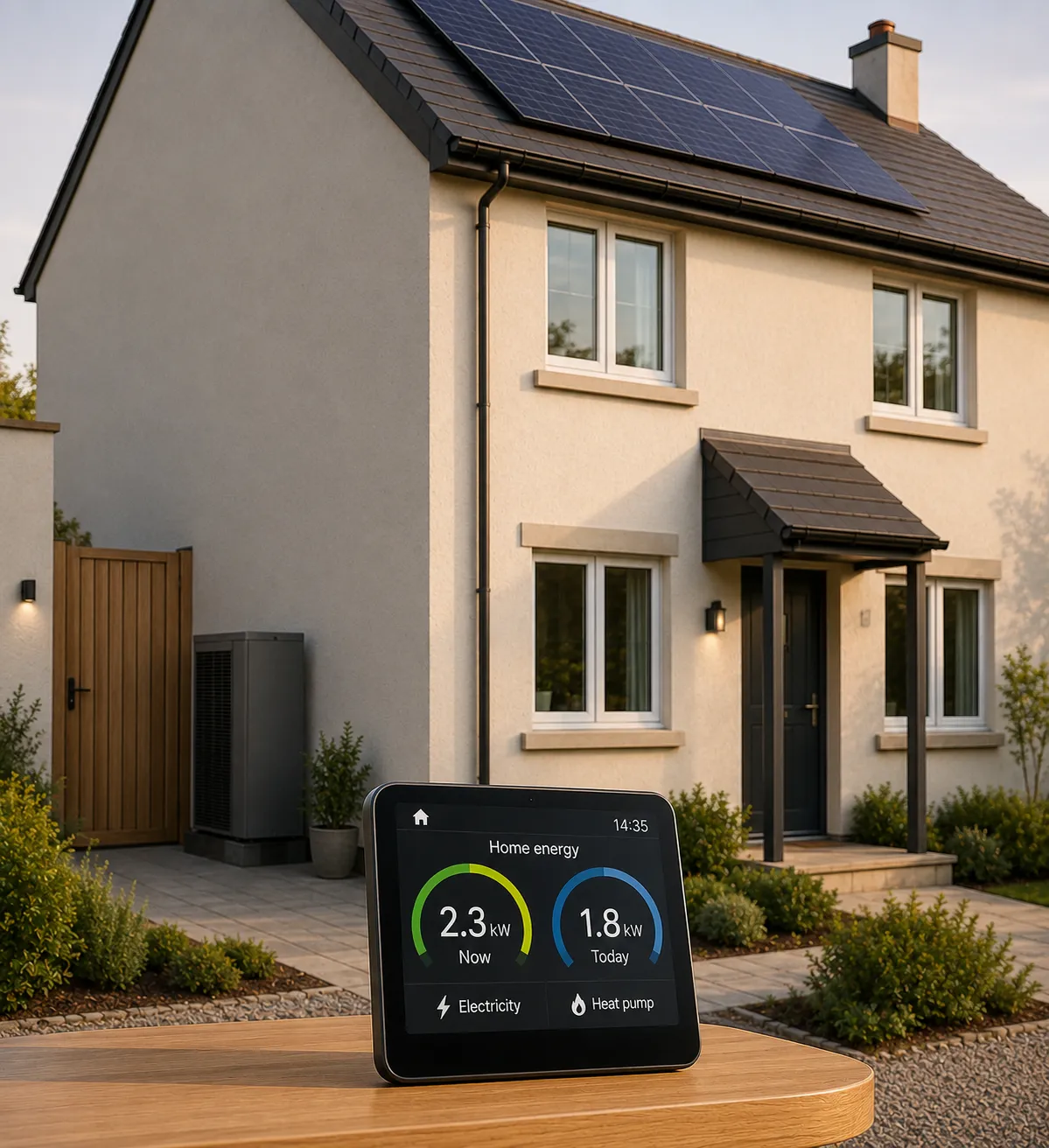

Heat Pump and Electrified Homes
Monitoring electricity demand from heat pumps and other major electrical loads to support future solar, battery and backup planning.
Integrated Renewable Energy Systems
Monitoring solar PV, battery storage, EV charging and wider energy infrastructure as one connected system.
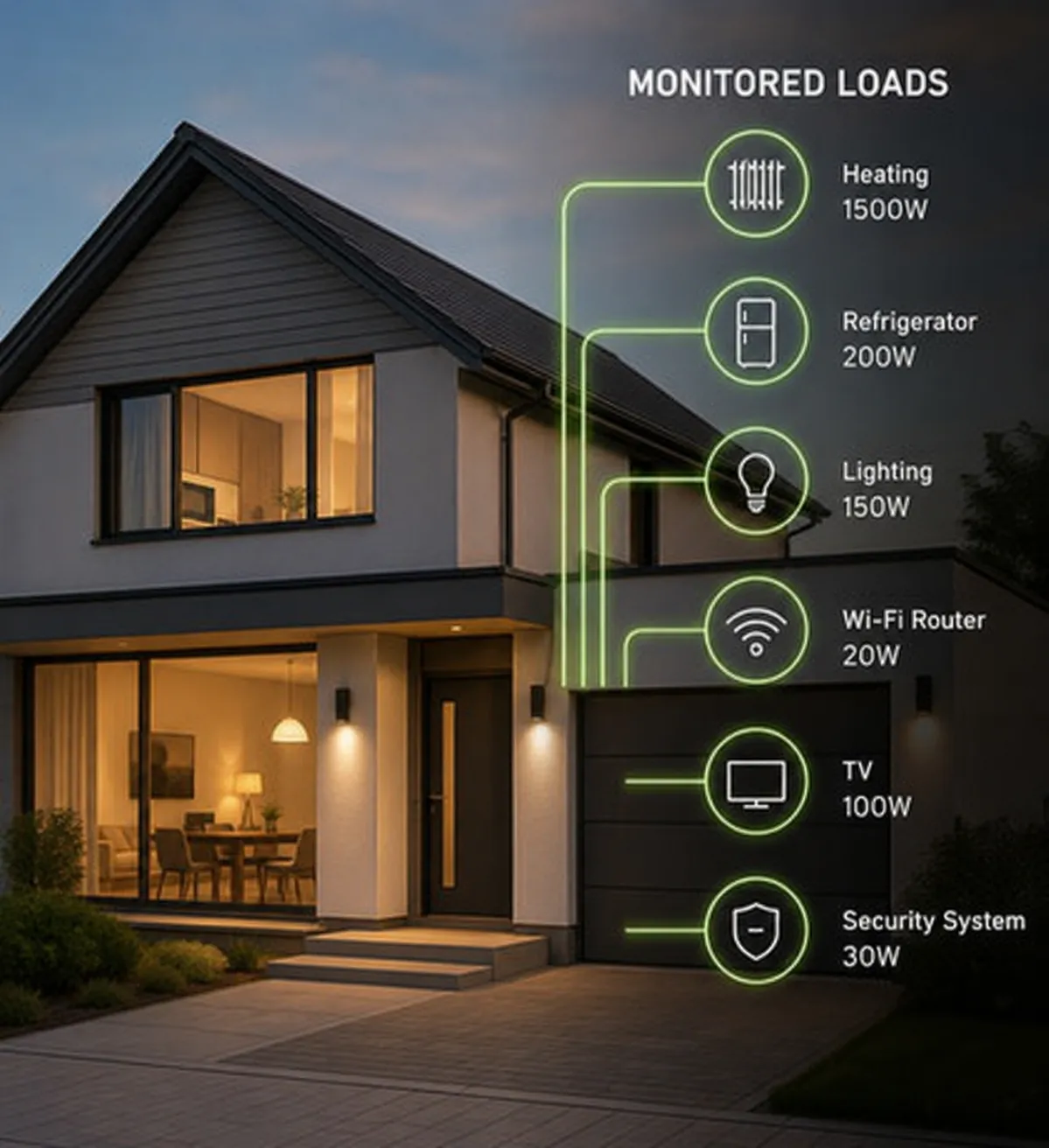
Properties Planning Backup Power
Using monitored electricity demand and critical load analysis to support battery backup, resilience and emergency power planning.
Understanding How Your Property Uses Electricity
One of the most valuable aspects of modern energy monitoring is understanding where electricity is actually being used across a property.
Many homeowners and businesses know how much electricity they purchase from the grid, but have limited visibility into which systems, appliances or circuits are responsible for that consumption.
Electricity demand often varies significantly throughout the day as heating systems, hot water systems, EV chargers, appliances, machinery and other electrical loads switch on and off.
Advanced monitoring can provide detailed insights into electricity usage patterns throughout the property, helping identify high-demand loads, operational trends and opportunities for optimisation.
This information can be extremely valuable when planning solar PV, battery storage, EV charging, backup power systems or wider electrification projects.
Understanding how and when electricity is used can help homeowners and businesses make more informed decisions about future energy infrastructure investments.
Energy monitoring may help provide visibility into:
- Whole-property electricity consumption
- High-demand circuits and equipment
- Daily and seasonal energy usage patterns
- Critical loads for backup power planning
- Opportunities for energy optimisation
- Future solar and battery sizing requirements
Monitoring Electrical Circuits at the Consumer Unit
Consumer unit monitoring can provide a level of visibility that is not possible through standard electricity bills or basic solar monitoring platforms.
By installing current transformers (CT meters or CT clamps) on selected circuits, electricity demand can be monitored at a much more detailed level, allowing homeowners and businesses to understand how different systems contribute to overall consumption.
This may include monitoring heat pumps, EV chargers, immersion heaters, workshops, refrigeration equipment, battery systems and other significant electrical loads.
Consumer unit monitoring can help identify where energy is being used, reveal hidden demand and provide valuable data for future renewable energy projects.
This information can be particularly valuable when sizing battery storage systems, assessing backup power requirements, planning solar PV installations or preparing for wider electrification.
Consumer unit monitoring may support:
- Monitoring individual electrical circuits
- Understanding major electrical loads
- Identifying hidden energy consumption
- Supporting battery storage sizing
- Informing backup power design
- Supporting future renewable energy planning
Solar PV Monitoring and Performance Visibility
Solar PV monitoring remains an important part of understanding renewable energy performance.
A solar system may appear to be operating normally while still generating less electricity than expected, exporting more energy than intended or failing to interact efficiently with battery storage and property demand.
Monitoring platforms can help reveal how much electricity is being generated, how much is being used on-site, how much is being exported and whether the system is performing in line with expectations.
Solar PV monitoring may help provide visibility into:
- Solar generation performance
- Solar self-consumption
- Exported electricity behaviour
- Imported electricity usage
- Battery charging activity
- Long-term generation trends
Monitoring Platforms and Energy Dashboards
Modern monitoring platforms can bring solar generation, property consumption, battery storage, EV charging and grid interaction into one place.
This wider view is often far more useful than looking at solar generation alone.
A well-configured monitoring platform can help identify when electricity is being imported, when solar generation is being exported, how a battery is behaving and whether major electrical loads are driving peak demand.
Monitoring platforms may help show:
- Solar PV generation
- Property electricity consumption
- Grid imports and exports
- Battery charge and discharge behaviour
- EV charging demand
- Long-term energy trends
Solar Monitoring Not Working?
One common support issue is the loss of solar or energy monitoring functionality.
In many cases, the solar panels and inverter may still be generating electricity normally, but the monitoring platform has stopped reporting data or is no longer accessible.
Monitoring issues can occur for a variety of reasons including internet connectivity problems, hardware failures, account access issues, discontinued software platforms or changes in property ownership.
Without monitoring access, it can be difficult to understand how the system is performing or identify potential faults.
Monitoring investigations may help identify:
- Restoring lost monitoring access
- Diagnosing connectivity and communication issues
- Identifying hardware and reporting faults
- Recovering visibility of system performance
- Improving monitoring reliability
- Highlighting monitoring upgrade opportunities
Understanding Solar System Performance
Monitoring data can help establish whether a solar PV system is performing as expected.
Generation can vary naturally due to weather, seasonal changes and shading, but unexpected reductions may indicate inverter issues, optimiser faults, monitoring problems, panel underperformance or changes in site conditions.
A performance review can compare monitored output against expected generation and help identify whether further investigation is required.
Solar performance analysis may support:
- Identifying reduced solar generation
- Reviewing long-term performance trends
- Diagnosing inverter or optimiser issues
- Assessing shading and site changes
- Understanding self-consumption patterns
- Highlighting optimisation opportunities
Inverter Monitoring and Diagnostics
The inverter is one of the most important components in a solar PV system.
Inverter monitoring can help identify system faults, communication issues, generation problems and wider performance concerns.
Many inverter issues are first noticed through app notifications, missing data, error codes or unexpected changes in generation output.
Understanding inverter status can help determine whether the issue relates to monitoring, communications, system configuration or equipment performance.
Inverter diagnostics may help identify:
- Inverter communication problems
- Fault codes and alert messages
- Generation reporting issues
- Unexpected output reductions
- Monitoring platform errors
- Future replacement or upgrade requirements
Battery Storage Monitoring
Battery storage systems can significantly change how electricity is used across a property.
Monitoring battery charge, discharge, grid imports, solar charging behaviour and household or business demand can help determine whether the battery is supporting the intended energy strategy.
Battery monitoring can also help identify issues with charging schedules, tariff alignment, backup settings, communications or long-term performance.
Battery storage monitoring may help provide visibility into:
- Battery charging and discharge behaviour
- Solar energy stored for later use
- Grid charging activity
- Smart tariff performance
- Backup reserve settings
- Long-term battery utilisation
Using Monitoring Data to Size Battery Storage
Battery storage systems perform most effectively when they are designed around measured electricity usage rather than assumptions.
Monitoring data can help establish how much electricity is used during different periods of the day, how much solar generation is available for storage and how demand changes throughout the year.
This information can help improve battery sizing decisions and ensure storage capacity aligns with real-world usage patterns.
Monitoring-led battery planning may help support:
- Battery capacity assessments
- Solar self-consumption improvements
- Understanding overnight demand
- Supporting smart tariff strategies
- Avoiding battery oversizing or undersizing
- Long-term energy optimisation
EV Charging and Energy Visibility
EV charging can become one of the largest electrical loads within a home or business.
Without monitoring, it can be difficult to understand how vehicle charging affects electricity demand, grid imports, battery behaviour and solar self-consumption.
Energy monitoring can help show when vehicles are charging, how much electricity they use and whether solar generation or battery storage is contributing effectively.
EV charging visibility may help support:
- Understanding EV charging demand
- Reducing reliance on imported electricity
- Improving solar charging strategies
- Reviewing battery-assisted charging
- Supporting smart tariff decisions
- Planning future charging requirements
Monitoring Heat Pump Electricity Demand
Heat pumps can become one of the largest electrical loads within a property and often have a significant influence on overall energy consumption.
Understanding how a heat pump operates throughout the day and across different seasons can provide valuable insight into electricity demand and future renewable energy opportunities.
Monitoring heat pump performance alongside solar generation, battery storage and wider property consumption can help homeowners make more informed energy decisions.
Heat pump monitoring may help provide visibility into:
- Heat pump electricity consumption
- Seasonal energy demand patterns
- Interactions with solar generation
- Battery storage opportunities
- Peak demand impacts
- Future energy planning
Renewable Energy System Optimisation
Once energy usage is visible, renewable energy systems can often be reviewed and optimised more effectively.
This may involve adjusting battery charge schedules, reviewing tariff settings, improving solar self-consumption, identifying high-demand loads or planning future upgrades around measured electricity usage.
Optimisation is particularly valuable where a property already has solar PV, battery storage, EV charging or other major electrical loads.
Energy optimisation may support:
- Improving solar self-consumption
- Reducing unnecessary grid imports
- Optimising battery charge schedules
- Reviewing EV charging behaviour
- Identifying avoidable energy waste
- Supporting future system upgrades
Using Energy Data to Inform Future Decisions
Many renewable energy projects are designed using estimated electricity consumption data.
Detailed monitoring can provide a much more accurate picture of how electricity is used across a property, helping improve decisions around solar sizing, battery capacity, backup power requirements and future electrification projects.
Rather than relying solely on annual electricity bills, detailed monitoring can reveal when electricity is used, which loads are most significant and how demand changes throughout the day and year.
This information can help support:
- Solar PV sizing decisions
- Battery storage sizing
- Backup power planning
- Heat pump integration
- EV charging strategies
- Long-term energy planning
Using Monitoring Data for Backup Power Design
Backup power systems are most effective when they are designed around measured electricity demand.
Monitoring data can help identify which circuits are critical during a power outage, how much power those circuits require and how long they may need to operate.
Rather than making assumptions, backup power design can be based on real usage data collected from the property.
This approach can help improve battery sizing, backup system design and long-term resilience planning.
Monitoring data may help support:
- Identifying critical loads
- Estimating backup runtime requirements
- Supporting battery sizing decisions
- Understanding peak power demand
- Separating essential and non-essential circuits
- Planning resilient energy infrastructure
Long-Term Monitoring and System Reliability
Energy monitoring is not only useful during the initial design or review process.
Long-term monitoring can help identify changes in performance, shifts in electricity usage, evolving demand patterns and potential reliability concerns.
As properties add battery storage, EV charging, heat pumps, workshops, extensions or new operational equipment, electricity usage can change significantly.
Ongoing monitoring can help ensure renewable energy systems remain aligned with how the property is actually being used.
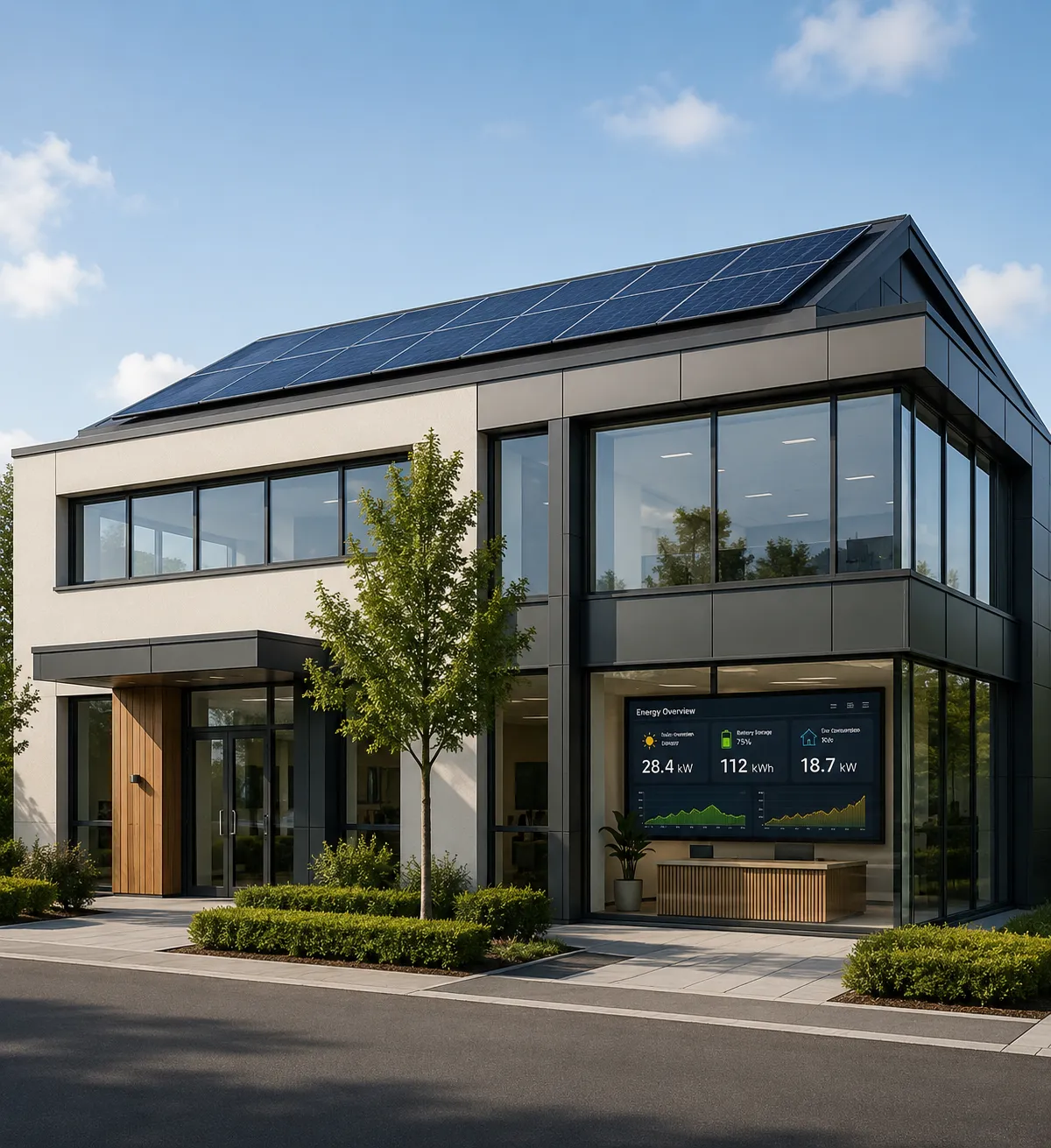
Monitoring Energy Usage in Commercial Buildings
Energy monitoring can be equally valuable within commercial environments.
Many businesses have significant electrical loads spread across lighting, HVAC systems, refrigeration, machinery, workshops, IT infrastructure, EV charging and operational equipment.
Detailed monitoring can help identify where electricity is being used, which systems contribute most to demand and how renewable energy systems interact with wider business operations.
Commercial monitoring can be particularly valuable before installing solar PV, battery storage or EV charging infrastructure because it allows system design decisions to be based on measured operational demand rather than estimated annual consumption figures.
This can help businesses make better decisions around system sizing, battery capacity, peak demand management and future electrification strategies.
Commercial energy monitoring may help support:
- Commercial electricity monitoring
- Business energy visibility
- Operational load analysis
- Commercial battery storage planning
- Commercial solar optimisation
- Commercial energy management
Monitoring Older Solar and Renewable Energy Systems
Many older solar PV systems were installed before modern monitoring platforms, battery storage systems and smart energy management tools became common.
These systems may still generate electricity, but they often provide limited visibility into self-consumption, imports, exports or wider property demand.
Upgrading monitoring can help owners better understand whether older systems are still performing well and whether additional technologies could improve long-term value.
Older system monitoring may help support:
- Recovering lost system visibility
- Reviewing older inverter performance
- Understanding self-consumption levels
- Assessing battery storage opportunities
- Identifying upgrade requirements
- Supporting long-term system planning
Monitoring After Moving Into a Property
Many people move into properties that already have solar panels, battery storage or other renewable energy systems installed.
In some cases, the new owner has limited information about how the system works, what monitoring platform was used or whether the system is performing as expected.
Energy monitoring can help establish how the system is configured, how much electricity is being generated and how the property now uses energy.
Monitoring reviews after moving property may help provide:
- Understanding inherited energy systems
- Recovering monitoring access
- Reviewing system performance
- Identifying upgrade opportunities
- Understanding property energy usage
- Planning future improvements
Future-Proofing Energy Infrastructure
Energy requirements are unlikely to remain static.
Electric vehicles, heat pumps, battery storage systems, electric hot water, home working, workshops and wider electrification can all change how a property consumes electricity over time.
Energy monitoring provides a stronger basis for future-proofing because decisions can be made using real usage patterns rather than assumptions.
Future-proofing energy infrastructure may include:
- Preparing for future increases in electricity demand
- Supporting solar PV and battery expansion
- Planning EV charging and heat pump integration
- Understanding future critical load requirements
- Improving long-term energy flexibility
- Supporting wider electrification projects
Designed Around Long-Term Energy Performance
No two properties use electricity in exactly the same way.
Occupancy patterns, operating hours, major electrical loads, solar generation, battery behaviour, EV charging and future plans all influence how energy monitoring should be configured and interpreted.
That is why Bespoke PV takes a design-led approach rather than treating monitoring as a standalone add-on.
Monitoring data is considered within the wider context of current electricity demand, future energy requirements, battery storage opportunities, backup power requirements and long-term renewable energy planning.
Whether the goal is understanding current usage, improving solar performance, sizing battery storage, planning backup capability or preparing for future electrification, Bespoke PV helps customers use energy data to make better long-term decisions.
- Understanding current electricity usage
- Improving renewable energy visibility
- Supporting solar and battery sizing
- Planning backup power requirements
- Preparing for future electrification
- Developing a long-term energy strategy