

Existing Solar System Support
Many homeowners and businesses own solar PV systems that were installed years ago and may no longer reflect how the property uses electricity today.
Changes in electricity demand, battery storage technology, EV charging, monitoring platforms and wider electrification have created new opportunities for many existing solar systems.
While solar panels often continue generating electricity for decades, other elements of the system may require review, upgrades or optimisation over time.
Many solar owners are unsure how their system is performing, whether upgrades are possible or what opportunities exist to improve long-term value.
Existing solar system support may include:
- Understanding existing system performance
- Improving monitoring and visibility
- Exploring battery storage opportunities
- Integrating EV charging infrastructure
- Identifying upgrade opportunities
- Supporting long-term energy planning
Why Existing Solar Systems Often Need Reviewing
Solar PV systems are rarely static. Electricity demand changes over time as households and businesses adopt new technologies, change occupancy patterns or increase electrical consumption.
Many existing systems were installed before battery storage became common, before EV charging demand increased and before advanced monitoring platforms became widely available.
As a result, many owners are unaware of opportunities to improve solar self-consumption, reduce imported electricity or better understand system performance.
A review of an existing solar system can often identify opportunities to improve monitoring, upgrade equipment or better align the system with current energy usage.
Existing solar support for a wide range of property types
Bespoke PV supports homeowners, businesses and property owners looking to understand, improve and future-proof existing solar PV systems.
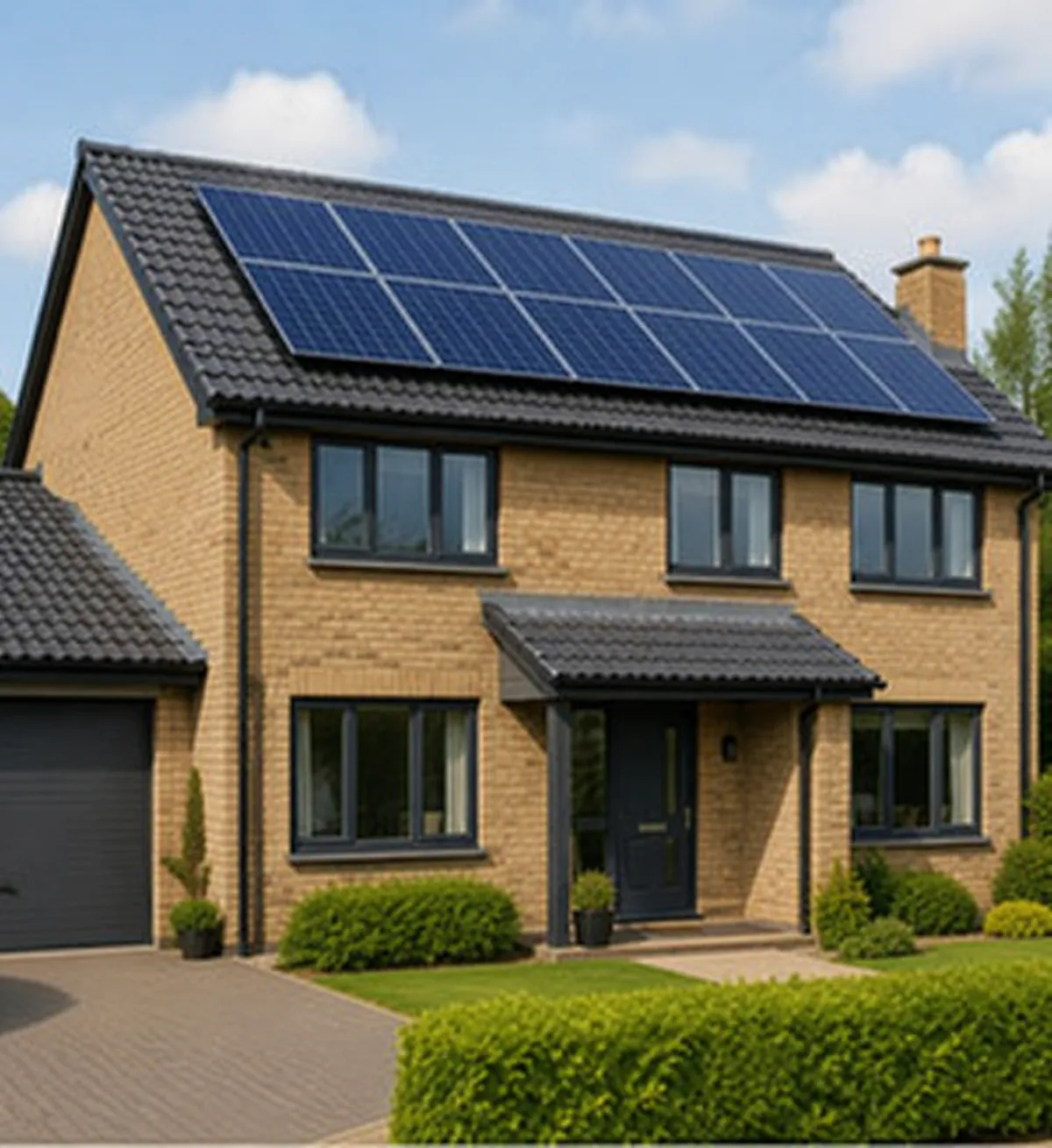
Homes with Existing Solar Panels
Support for inherited solar systems, monitoring issues, battery storage planning, inverter upgrades and long-term optimisation.
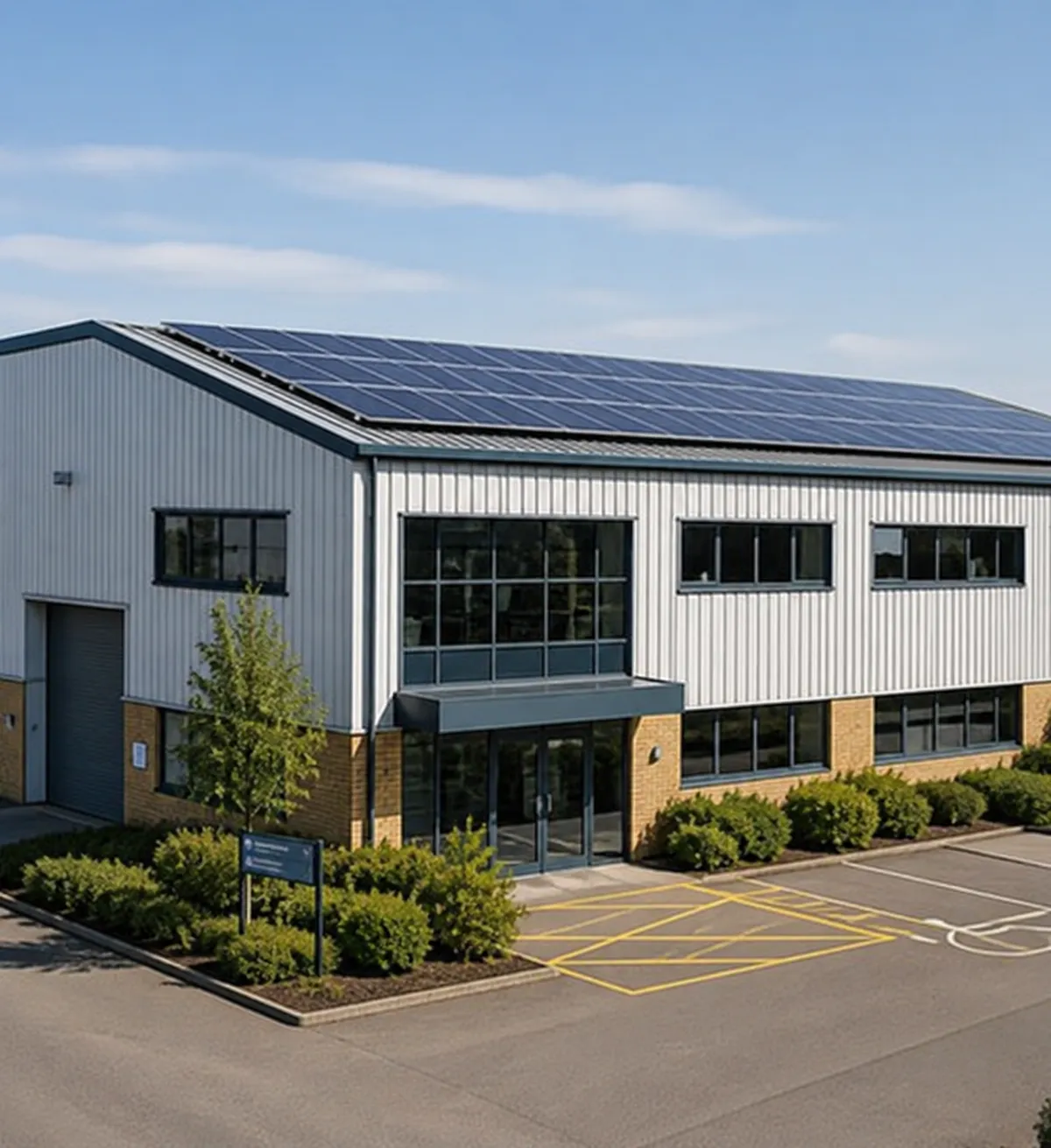
Businesses with Existing Solar Systems
Performance reviews, monitoring improvements, inverter upgrades, battery storage integration and long-term energy planning for existing commercial solar systems.
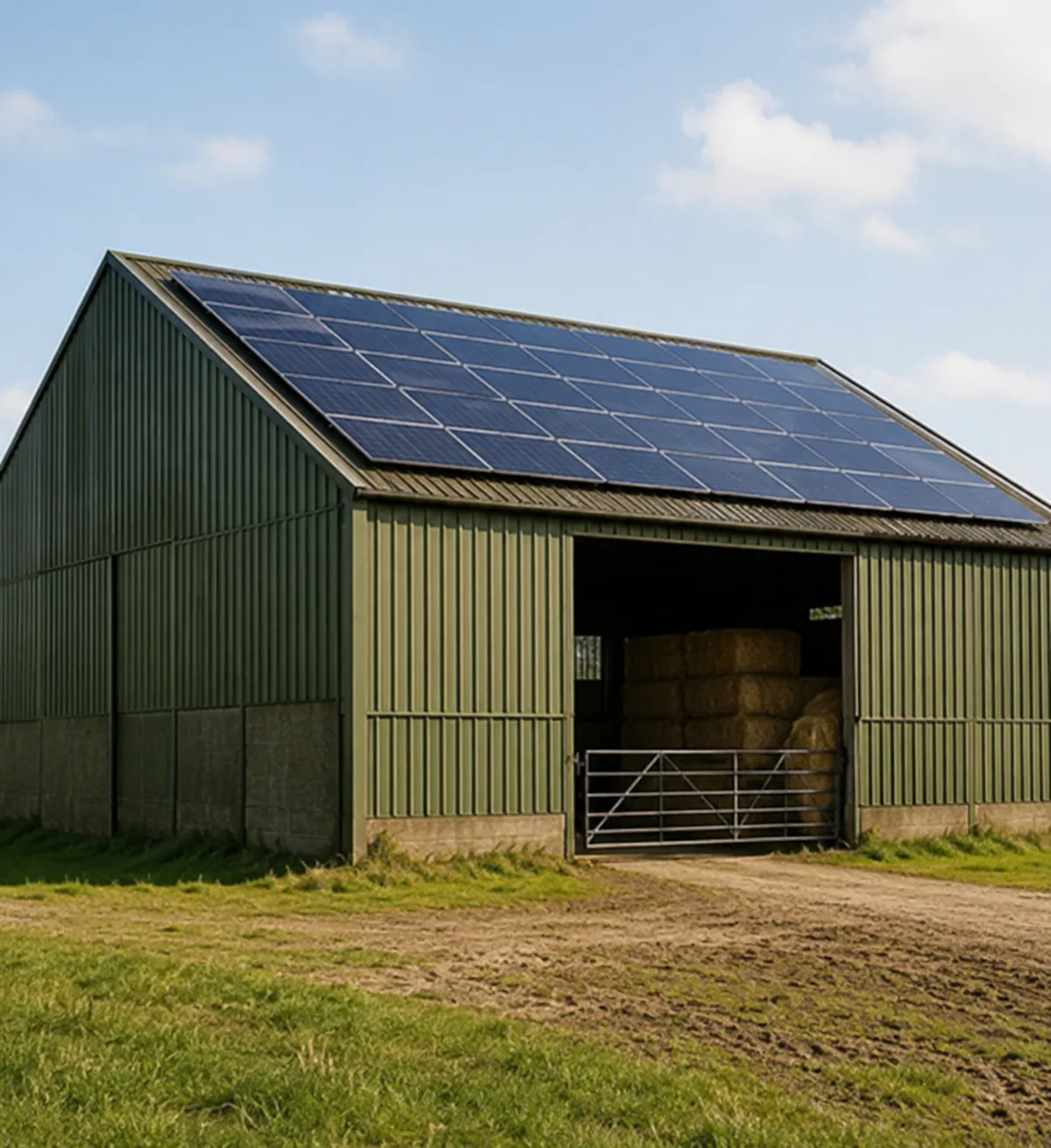
Agricultural Buildings & Rural Properties
Support for farm solar systems, rural businesses, battery storage opportunities, monitoring upgrades and future expansion planning.
Properties Adding EV Charging
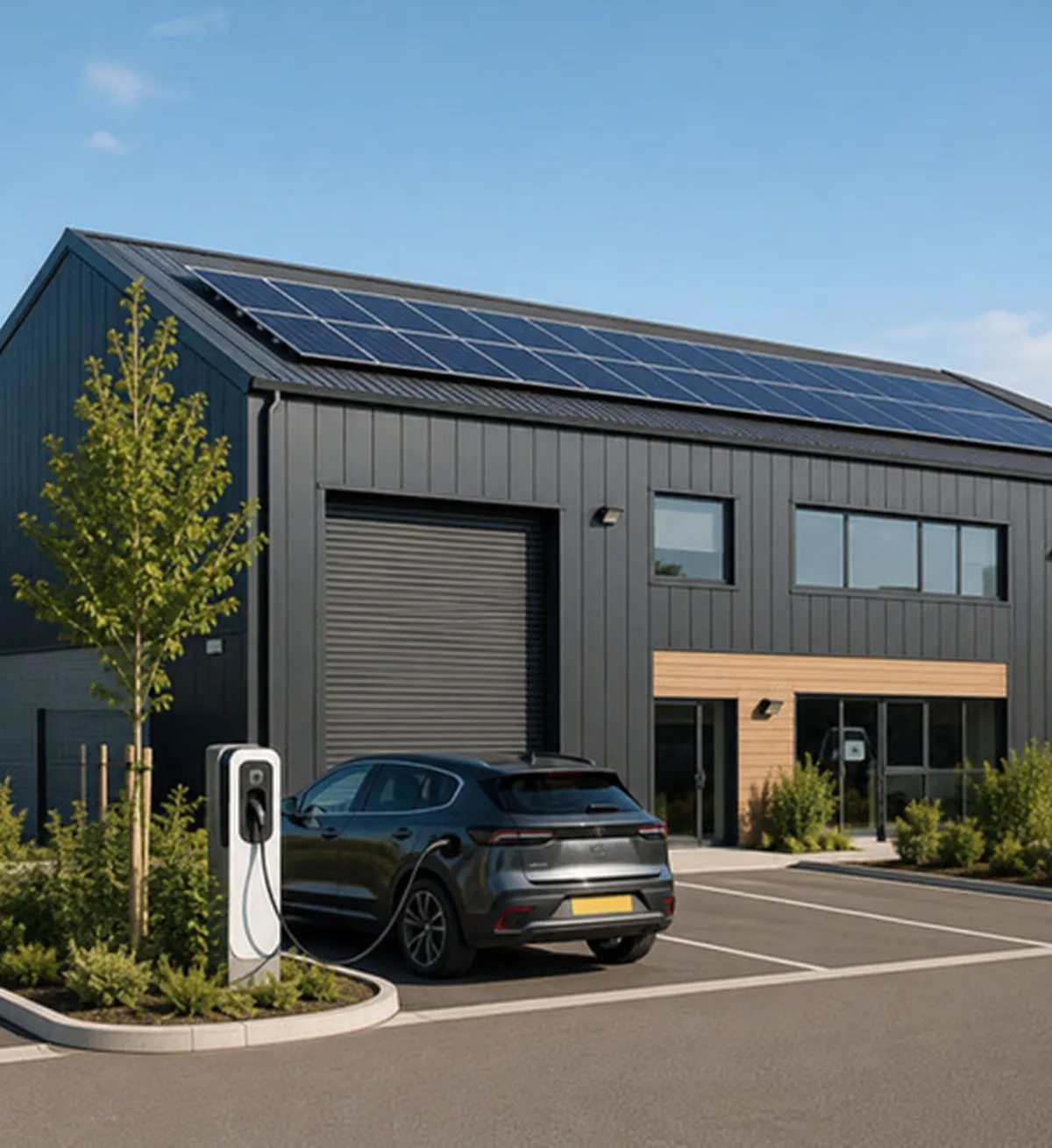
Reviewing how solar generation, battery storage and EV charging infrastructure can work together more effectively.
Solar Battery Storage Upgrades
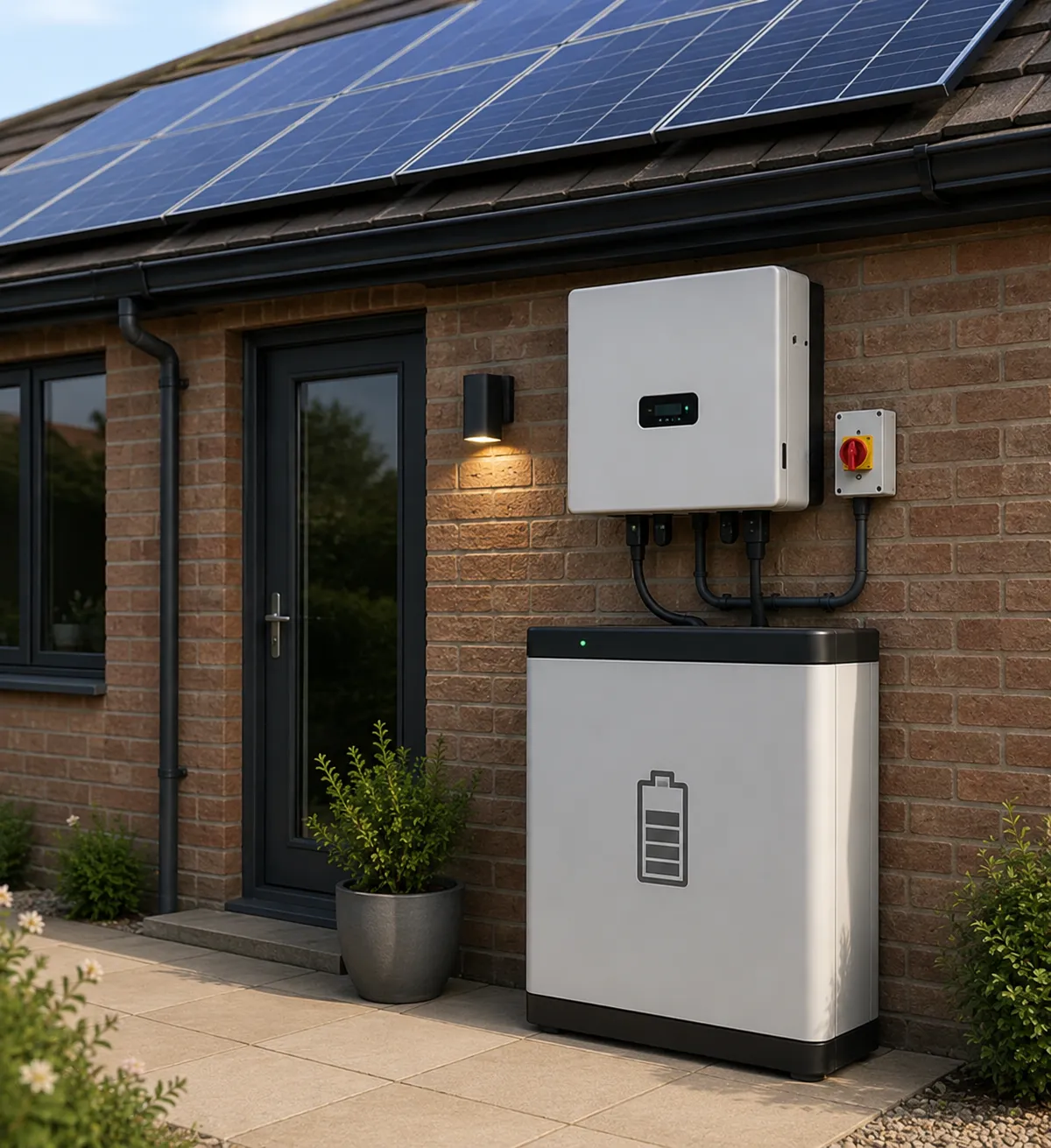
Assessing battery compatibility, inverter suitability, monitoring requirements and long-term energy management opportunities.
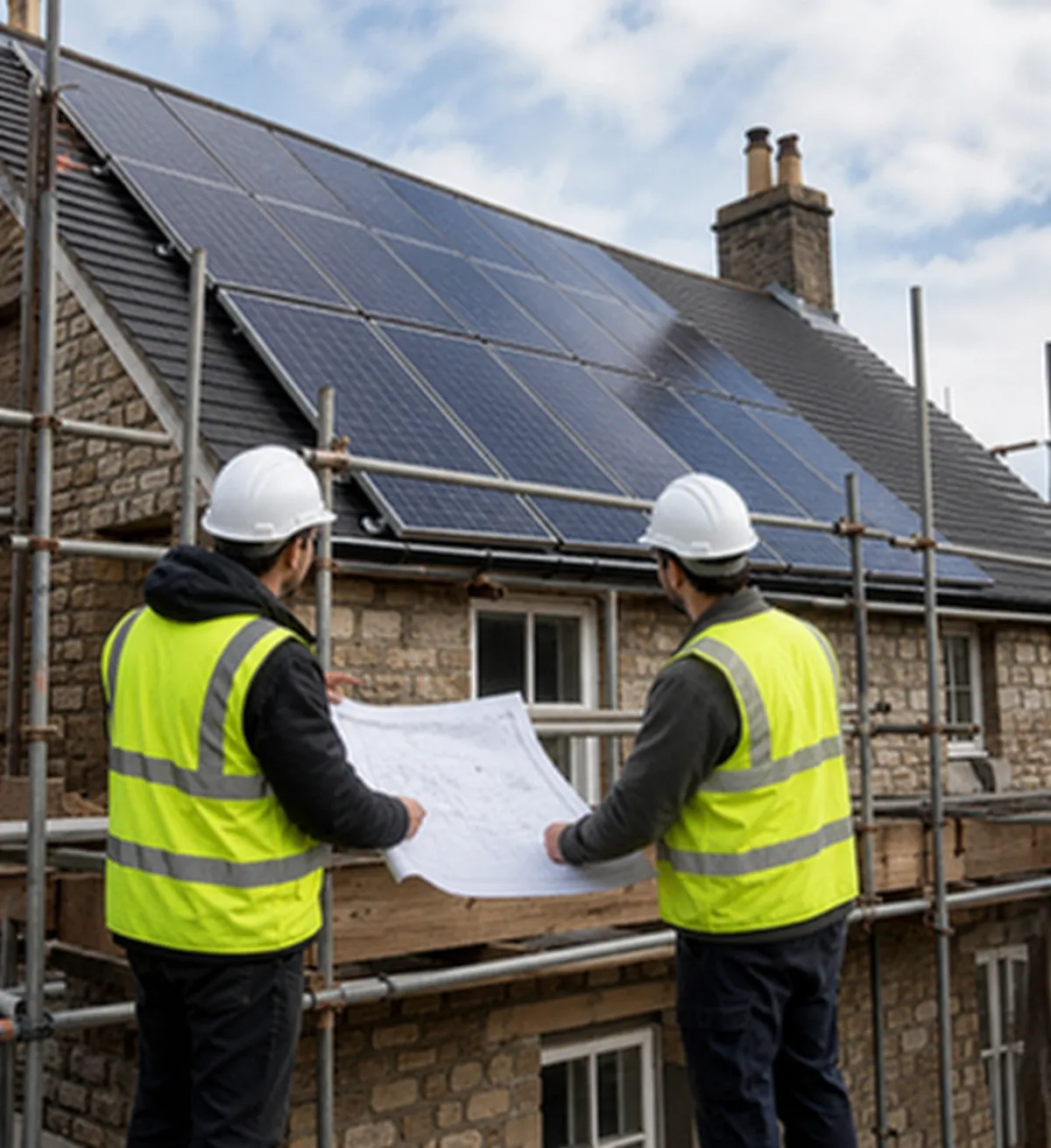
Properties Undergoing Renovation
Solar panel removal and reinstallation, roof replacement projects, system upgrades and future-proofing opportunities.
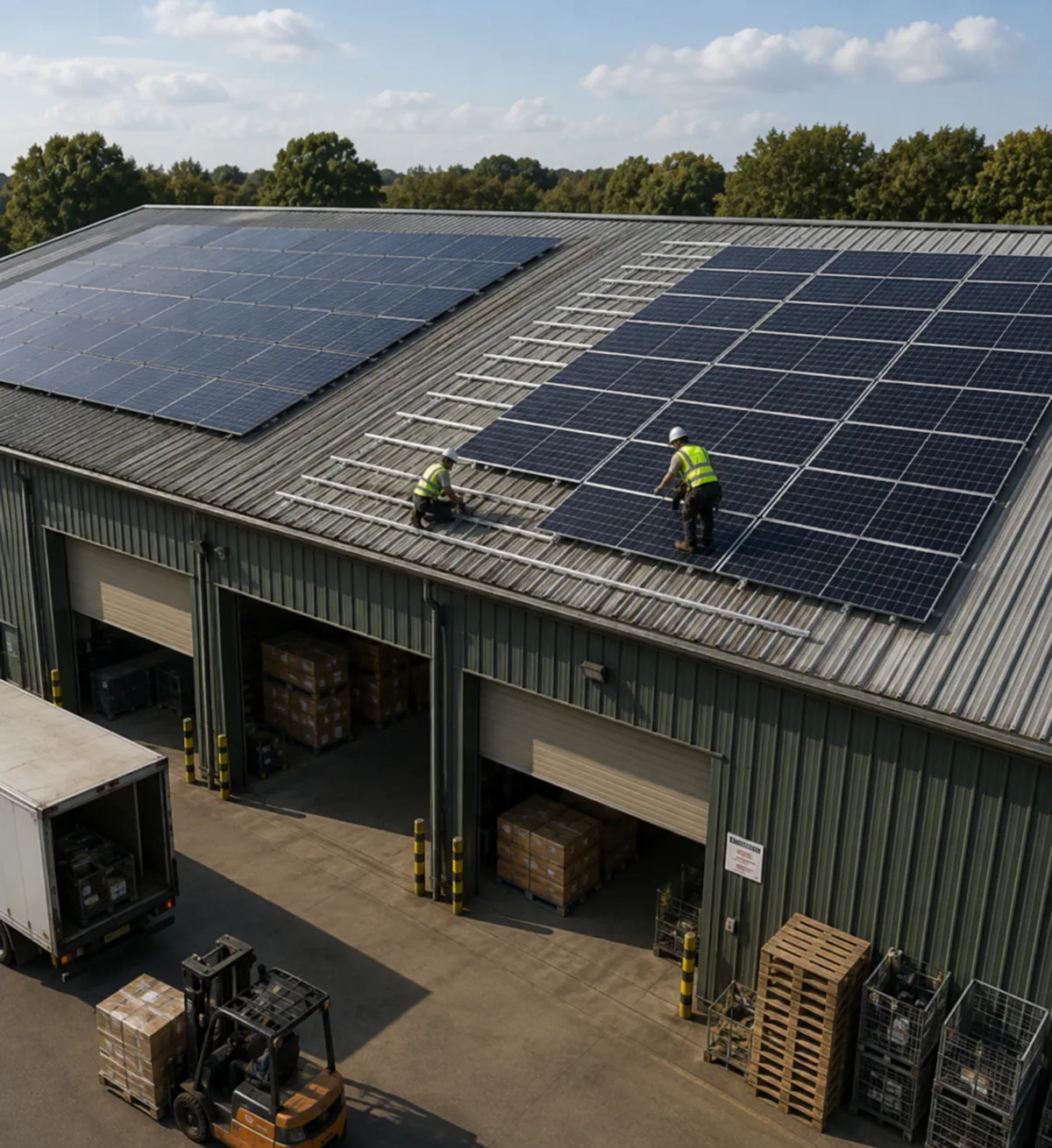
Properties Planning Solar Expansion
Reviews for homeowners and businesses looking to increase generation capacity, add additional panels or prepare for future electrification.
Moving Into a Property With Solar Panels
Many people inherit solar PV systems when purchasing a property.
In some cases, the new owner receives very little information about how the system operates, how much electricity it generates or how monitoring can be accessed.
Documentation may be incomplete, installer details may be unavailable and monitoring accounts may not have been transferred.
Without a clear understanding of the system, it can be difficult to assess performance, identify faults or understand future upgrade opportunities.
Support for inherited solar systems may include:
- Understanding inherited solar systems
- Recovering system information
- Identifying monitoring access
- Reviewing solar performance
- Understanding upgrade opportunities
- Planning future improvements
Understanding an Inherited Solar System
Many inherited solar PV systems continue operating effectively for years, but new owners are often left without clear information about performance, monitoring access, maintenance requirements or upgrade opportunities.
A structured review can help establish how the system is configured, what equipment is installed and how the solar installation fits into wider energy usage across the property.
When the Original Solar Installer Is No Longer Available
Many solar PV owners discover that their original installer is no longer trading or is no longer providing support.
This can create uncertainty when monitoring stops working, equipment requires replacement or upgrade opportunities are being considered.
In many cases, the solar PV system itself may still be operating normally, but owners lack access to the technical information needed to make informed decisions.
Independent system reviews can help establish how the installation is configured, how it is performing and what future options may be available.
Monitoring and Performance Visibility
Monitoring is one of the most important aspects of managing an existing solar PV system.
Without accurate monitoring, it can be difficult to understand how much electricity is being generated, how much is being imported from the grid and whether the system is operating as expected.
Many older systems rely on outdated monitoring platforms or no longer provide meaningful visibility into overall energy usage.
Modern monitoring platforms can provide far greater insight into how solar generation interacts with household or business electricity demand.
Monitoring improvements may help provide visibility into:
- Understanding solar generation performance
- Tracking imported electricity usage
- Monitoring battery and EV charging behaviour
- Identifying optimisation opportunities
- Improving visibility over energy usage
- Supporting long-term energy planning
Why Monitoring Matters
Monitoring is not simply about checking whether a solar PV system is generating electricity. It is about understanding how generation interacts with wider energy usage across the property.
Without meaningful visibility, many solar owners have little understanding of how much electricity is being consumed on-site, how much is being exported to the grid or whether opportunities exist to improve solar self-consumption.
Modern monitoring platforms can help transform solar PV from a passive installation into an actively managed part of a wider energy strategy.
This visibility can help homeowners and businesses make more informed decisions around battery storage, EV charging, smart tariffs, future electrification and long-term energy planning.
Solar Monitoring Not Working?
One of the most common issues experienced by existing solar PV owners is the loss of monitoring functionality.
In many cases, the solar panels and inverter may still be generating electricity normally, but the monitoring platform has stopped reporting data or is no longer accessible.
Monitoring issues can occur for a variety of reasons including internet connectivity problems, hardware failures, account access issues, discontinued software platforms or changes in property ownership.
Without monitoring access, it can be difficult to understand how the system is performing or identify potential faults.
Monitoring investigations may help identify:
- Restoring lost monitoring access
- Diagnosing connectivity and communication issues
- Identifying hardware and reporting faults
- Recovering visibility of system performance
- Improving monitoring reliability
- Highlighting monitoring upgrade opportunities
Solar System Performance Reviews and Health Checks
Many solar PV owners assume that if the inverter is operating and electricity is still being generated, the system is performing as expected.
However, solar generation can gradually decline due to equipment faults, inverter issues, monitoring problems, shading changes, configuration errors or wider system limitations.
A solar system health check can help establish whether the system is performing in line with expectations and whether any opportunities exist for optimisation or future upgrades.
Performance reviews may help identify:
- Identifying performance issues
- Diagnosing monitoring and inverter problems
- Understanding changes in generation over time
- Highlighting optimisation opportunities
- Reviewing system health and reliability
- Supporting future upgrade decisions
Battery Storage for Existing Solar Systems
Battery storage is one of the most common upgrade requests for existing solar PV systems.
Many solar owners are now looking for ways to retain surplus solar generation for use later in the day rather than exporting it directly to the grid.
Battery storage can help improve solar self-consumption, reduce imported electricity and provide greater visibility and control over energy usage.
For many households and businesses, battery storage has become an important part of wider energy management and electrification planning.
Battery storage may help support:
- Making better use of solar generation
- Reducing imported electricity
- Improving solar self-consumption
- Supporting smart tariff strategies
- Increasing energy independence
- Improving long-term energy flexibility
Supporting a Smarter Energy Strategy
Battery storage is increasingly being viewed as part of a wider energy strategy rather than simply an additional technology.
For many existing solar PV owners, battery storage creates opportunities to improve self-consumption, support EV charging, reduce imported electricity and take advantage of smart tariffs.
When properly integrated, battery storage can help ensure more of the electricity generated on-site is used where and when it delivers the greatest value.
Bespoke PV reviews battery opportunities within the context of wider energy usage, future electrification plans and long-term property requirements.
Understanding Battery Compatibility
Not every solar PV system supports battery storage in exactly the same way.
Battery compatibility depends on a number of factors including inverter type, system age, electrical infrastructure, monitoring capability and overall system design.
Some installations may support AC-coupled battery systems with relatively limited modifications, while others may benefit from inverter replacement or wider system redesign.
Understanding compatibility before selecting a battery system is an important part of ensuring the upgrade delivers long-term value.
A battery compatibility assessment will typically consider:
- Assessing battery compatibility
- Understanding inverter limitations
- Reviewing electrical infrastructure requirements
- Identifying suitable battery integration options
- Planning for future expansion
- Supporting long-term energy objectives
Existing Solar and EV Charging
Electric vehicles can significantly change how a property consumes electricity.
Many existing solar PV systems were installed before EV ownership became common and were therefore not designed around vehicle charging demand.
As EV adoption increases, many homeowners and businesses are reviewing how solar generation, battery storage and charging infrastructure can work together more effectively.
Understanding generation patterns, charging behaviour and wider electricity demand is increasingly important when planning EV charging alongside an existing solar installation.
Solar-integrated EV charging may help support:
- Reducing EV charging electricity costs
- Making better use of solar generation
- Supporting battery-assisted charging
- Preparing for wider electrification
- Improving energy management
- Reducing reliance on imported electricity
Supporting Future EV Adoption
Electric vehicles are changing how many households and businesses consume electricity.
As EV ownership increases, existing solar PV systems often need to be reviewed alongside charging requirements, battery storage opportunities and wider energy management strategies.
Bespoke PV helps customers understand how solar generation, battery storage and charging infrastructure can work together to reduce imported electricity and support future electrification.
Managing Increasing Electricity Demand
Many properties now consume significantly more electricity than they did when their solar PV systems were originally installed.
Electric vehicles, battery storage, electric heating technologies, home offices, workshops and wider electrification can all increase energy demand over time.
A solar system that was appropriately sized when originally installed may no longer align with how the property uses electricity today.
Reviewing electricity demand alongside generation performance can help identify opportunities for upgrades, optimisation or future expansion.
Increasing electricity demand may create opportunities for:
- System expansion planning
- Battery storage integration
- Improved monitoring and visibility
- Load management improvements
- Future electrification support
- Long-term energy optimisation
Inverter Replacement and System Upgrades
The inverter is one of the most important components within a solar PV system and is often the first major component likely to require replacement during the lifetime of the installation.
Many existing solar systems were installed with inverter technology that predates modern battery storage integration, advanced monitoring platforms and smart energy management features.
In some situations, inverter replacement may simply be part of normal equipment lifecycle planning. In others, it may create opportunities to improve monitoring, enable battery storage integration or support wider system upgrades.
Inverter replacement and upgrade projects may help support:
- Improving system reliability
- Supporting battery storage integration
- Upgrading monitoring capabilities
- Replacing ageing equipment
- Preparing for future expansion
- Improving long-term system flexibility
Modernising Older Solar Systems
Many solar PV systems installed a decade or more ago were designed before battery storage, smart tariffs, EV charging and advanced monitoring became commonplace.
Modernisation projects can help improve visibility, increase flexibility and prepare solar systems for future energy requirements without necessarily replacing the entire installation.
Why Is My Solar System Generating Less Electricity?
Many solar PV owners notice changes in generation performance over time and are unsure whether the reduction is normal or indicates a fault.
While seasonal weather patterns and natural variations in solar irradiance can affect generation, unexpected reductions may be linked to equipment issues, inverter faults, monitoring errors, shading changes or wider system limitations.
Understanding the difference between normal seasonal variation and genuine performance issues is an important part of maintaining long-term system value.
A performance review can help establish whether generation levels remain consistent with the age, location and design of the installation.
Generation investigations may help identify:
- Inverter-related faults
- Generation performance issues
- Shading impacts
- Monitoring discrepancies
- Equipment degradation concerns
- Opportunities for system optimisation
Recovering Monitoring Access and System Information
One of the most common support requests from existing solar PV owners involves recovering access to monitoring platforms, installer accounts and system information.
Monitoring passwords may have been lost, installer accounts may no longer be accessible or ownership of the property may have changed since the original installation.
Without access to monitoring data, it can be difficult to assess performance, identify faults or understand how the system interacts with wider electricity usage.
Recovering monitoring access can often provide valuable insight into generation performance and future upgrade opportunities.
Monitoring recovery may help provide access to:
- Recovering access to performance data
- Understanding historical system behaviour
- Improving visibility of imports and exports
- Reviewing battery and energy usage trends
- Identifying optimisation opportunities
- Supporting future upgrade planning
Can Existing Solar Panels Be Expanded?
Many solar PV owners eventually discover that their original system no longer reflects how the property uses electricity.
Electric vehicles, battery storage, electric heating systems and increased household or business demand can all create opportunities for additional solar generation.
In some cases, existing systems can be expanded using additional solar panels. In others, inverter capacity, roof space, export arrangements or electrical infrastructure may influence the most appropriate solution.
System expansion assessments may consider:
- Available roof space
- Existing inverter capacity
- Current electricity demand
- Future energy requirements
- Export limitations
- Long-term system optimisation
Roof Works, Solar Panel Removal and System Expansion
Existing solar PV systems are often affected by wider property improvements and maintenance projects.
Roof replacements, loft conversions, extensions, structural works and major renovations may all require solar panels to be temporarily removed and reinstalled.
Many property owners also use these projects as an opportunity to review whether the existing system remains appropriate for future energy requirements.
In some situations, roof works may create opportunities for system expansion, inverter upgrades, battery storage integration or wider renewable energy improvements.
Projects involving existing solar systems may include:
- Solar panel removal and reinstallation
- Roof replacement planning
- System expansion opportunities
- Battery storage integration
- Monitoring improvements
- Long-term renewable energy upgrades
Future-Proofing Existing Solar Systems
Many existing solar PV systems were designed around electricity usage patterns that may no longer reflect how a property operates today.
Electric vehicles, battery storage, heat pumps, home offices, workshops and wider electrification can significantly increase electricity demand over time.
A solar system that performed well when originally installed may benefit from review as operational requirements evolve.
Future-proofing an existing solar installation involves considering how generation, storage, monitoring and wider electrical infrastructure may need to adapt to support future energy requirements.
Future planning may include:
- Preparing for future increases in electricity demand
- Supporting battery storage and EV charging integration
- Allowing for future system expansion
- Accommodating changing energy usage patterns
- Supporting wider electrification projects
- Improving long-term energy flexibility
Preparing for Future Energy Requirements
Energy usage rarely remains static.
Many properties that originally installed solar PV now have significantly different electricity requirements due to electric vehicles, battery storage, electric heating technologies, home working and wider electrification.
Reviewing existing solar systems within the context of future energy demand can help ensure renewable energy infrastructure remains aligned with long-term property requirements.
Designed Around How You Use Electricity Today
No two properties use electricity in exactly the same way.
Occupancy patterns, operating hours, electric vehicles, battery storage, heating systems and future plans all influence how an existing solar system should be reviewed and developed.
That is why Bespoke PV takes a design-led approach rather than focusing solely on individual components.
Every project is considered within the context of current electricity demand, future energy requirements, monitoring capability, battery storage opportunities and wider electrification objectives.
Whether the goal is recovering monitoring access, improving system visibility, adding battery storage, integrating EV charging or planning long-term upgrades, Bespoke PV helps customers make informed decisions about how their solar system should evolve.
The most effective solar systems are not simply maintained. They are continuously aligned with how the property uses electricity over time.
- Understanding current energy usage
- Supporting long-term energy planning
- Integrating solar, battery storage and EV charging
- Preparing for future energy requirements
- Improving visibility and control
- Developing a long-term renewable energy strategy