Heat Pumps
Electrified heating increases household electricity usage, particularly during colder months.

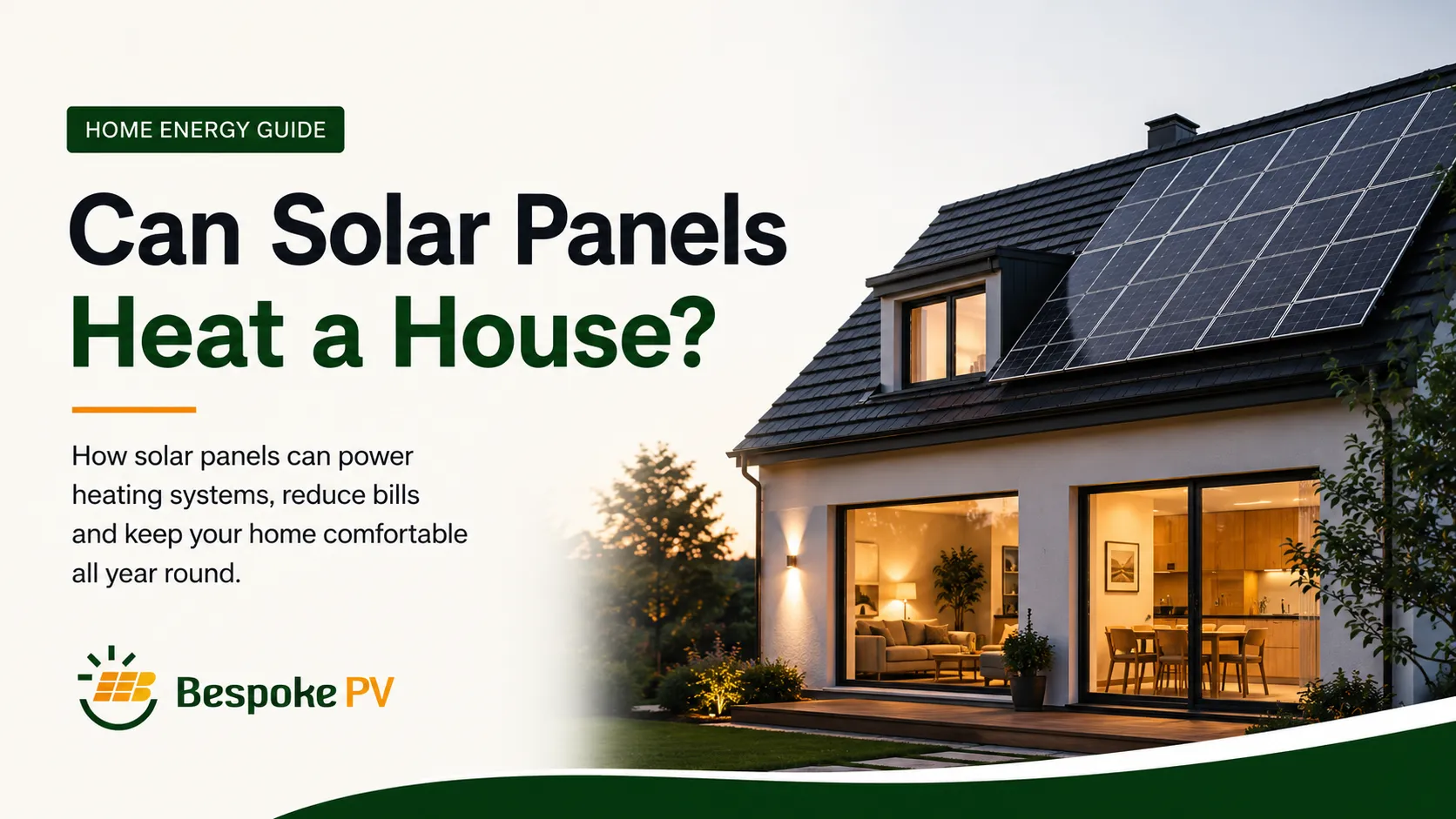
Yes. Solar panels can contribute toward the electricity required to operate a heat pump, helping households reduce imported electricity and improve long-term energy efficiency.
Heat pumps and solar PV are both part of the wider transition toward electrified homes.
A heat pump uses electricity to provide heating and hot water, while solar panels generate renewable electricity on-site.
Combining the two technologies may help reduce reliance on imported grid electricity while supporting lower-carbon home energy systems.
As electricity demand continues increasing across UK households, integrated renewable energy systems are becoming increasingly important for long-term operational flexibility and resilience.
Electrified heating increases household electricity usage, particularly during colder months.
Electric vehicles are adding substantial additional electricity demand to many homes.
Battery systems help households retain more generated electricity on-site.
Historically, many homes relied heavily on gas or oil heating.
Heat pumps significantly increase household electricity demand because they use electricity to move heat throughout the property.
As more homeowners consider low-carbon heating systems, solar PV and battery storage are increasingly being viewed as important supporting technologies.
This is one reason modern renewable energy systems are increasingly designed around complete household electrification strategies rather than individual technologies operating independently.
Heat pump performance and electricity demand vary significantly between properties.
Every property has different heating and electricity requirements.
Increasingly, we are seeing homeowners design whole-property energy systems rather than treating solar, battery storage, EV charging and heating separately.
Future-proofing and long-term energy flexibility are becoming central considerations.
Potentially during some periods, although it depends heavily on property demand, heating usage patterns, insulation quality, battery storage and seasonal solar generation.
During sunny periods, solar generation may contribute significantly toward heat pump operation.
However, winter creates an important challenge because heating demand is typically highest when solar generation is naturally lower.
For this reason, many systems still rely partly on imported electricity during colder months.
This is why professionally designed systems increasingly focus on flexibility, intelligent energy management and realistic long-term performance expectations.
Household energy systems are evolving rapidly.
Solar generation often peaks during the daytime, while heating demand may continue into the evening and overnight.
Battery storage allows surplus daytime generation to be stored for later use.
This may help reduce imported electricity usage during evening heating demand.
Battery systems can also improve self-consumption, meaning more solar electricity is used directly within the property rather than exported to the grid.
As electricity prices evolve, battery systems are becoming increasingly important within modern electrified homes.
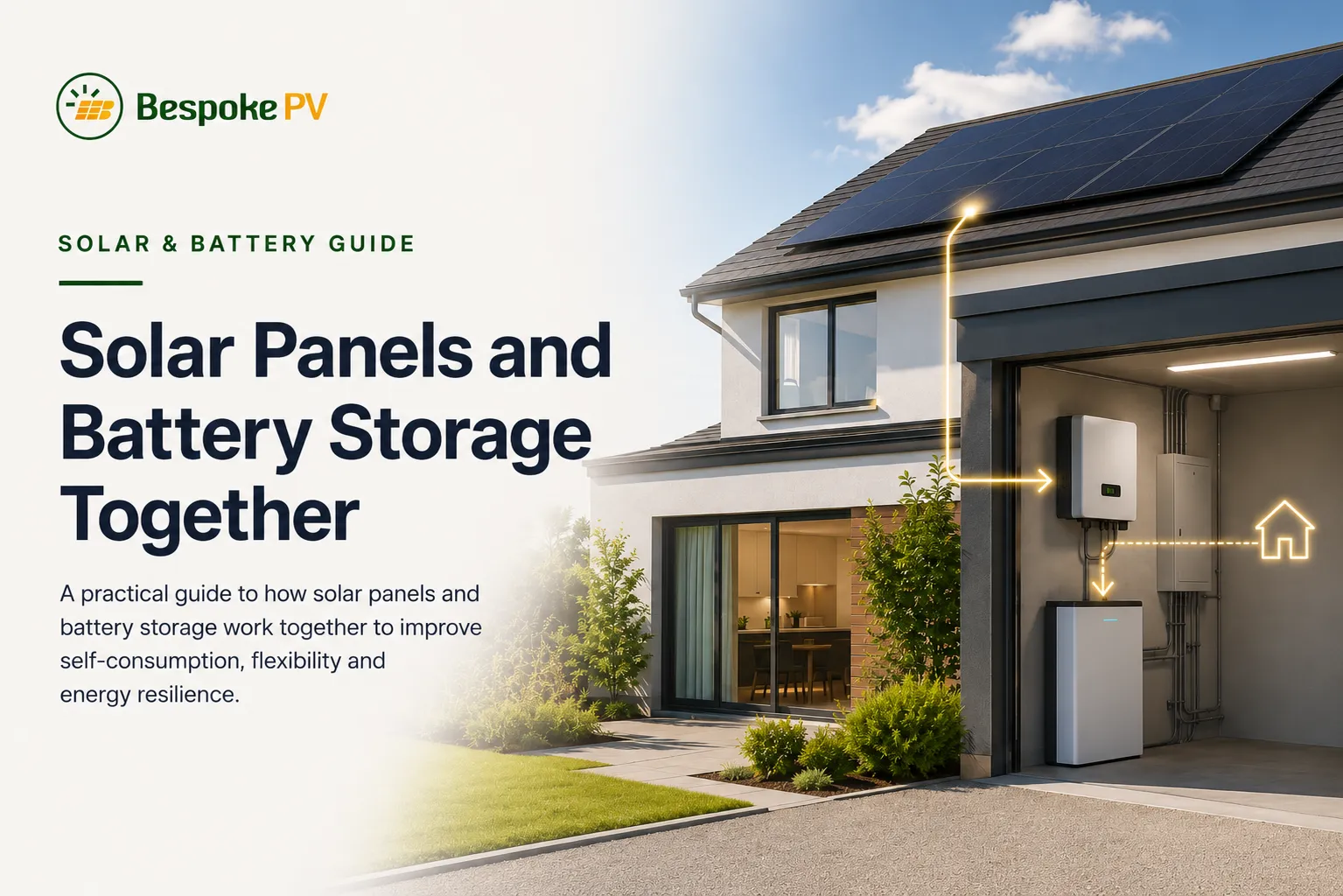
Read our guide: Solar Panels and Battery Storage Together
Battery storage increasingly forms part of integrated renewable energy systems.
Battery systems may improve how solar generation supports home heating.
Heating demand is typically highest during winter months when daylight hours are shortest.
This seasonal mismatch is one reason intelligent energy planning is so important.
Even though solar generation is naturally lower during winter, solar PV may still contribute toward daytime heating demand and wider household electricity usage.
Monitoring systems, battery storage and smart tariffs can all help improve how electricity is managed during lower-generation periods.
Read our guide: Can Solar Panels Work in Winter?
Battery systems significantly change how electricity can be used within the property.
Heat pumps can significantly increase annual electricity usage.
Because of this, homeowners considering heat pumps may also wish to review their wider solar and battery storage plans.
A professionally designed system should consider future household electrification rather than only current electricity usage.
This may influence solar system sizing, battery storage capacity, inverter selection, roof space usage, monitoring systems and long-term scalability planning.
Future household electrification should ideally be planned in advance.
Integrated energy systems require careful long-term planning.
Heat pumps are not the only technology changing home energy systems.
Electric vehicles are also increasing household electricity demand significantly.
Many homeowners are now planning integrated systems involving solar PV, battery storage, EV charging, smart tariffs and electrified heating together.
This broader energy ecosystem increasingly requires intelligent monitoring and coordinated energy management.
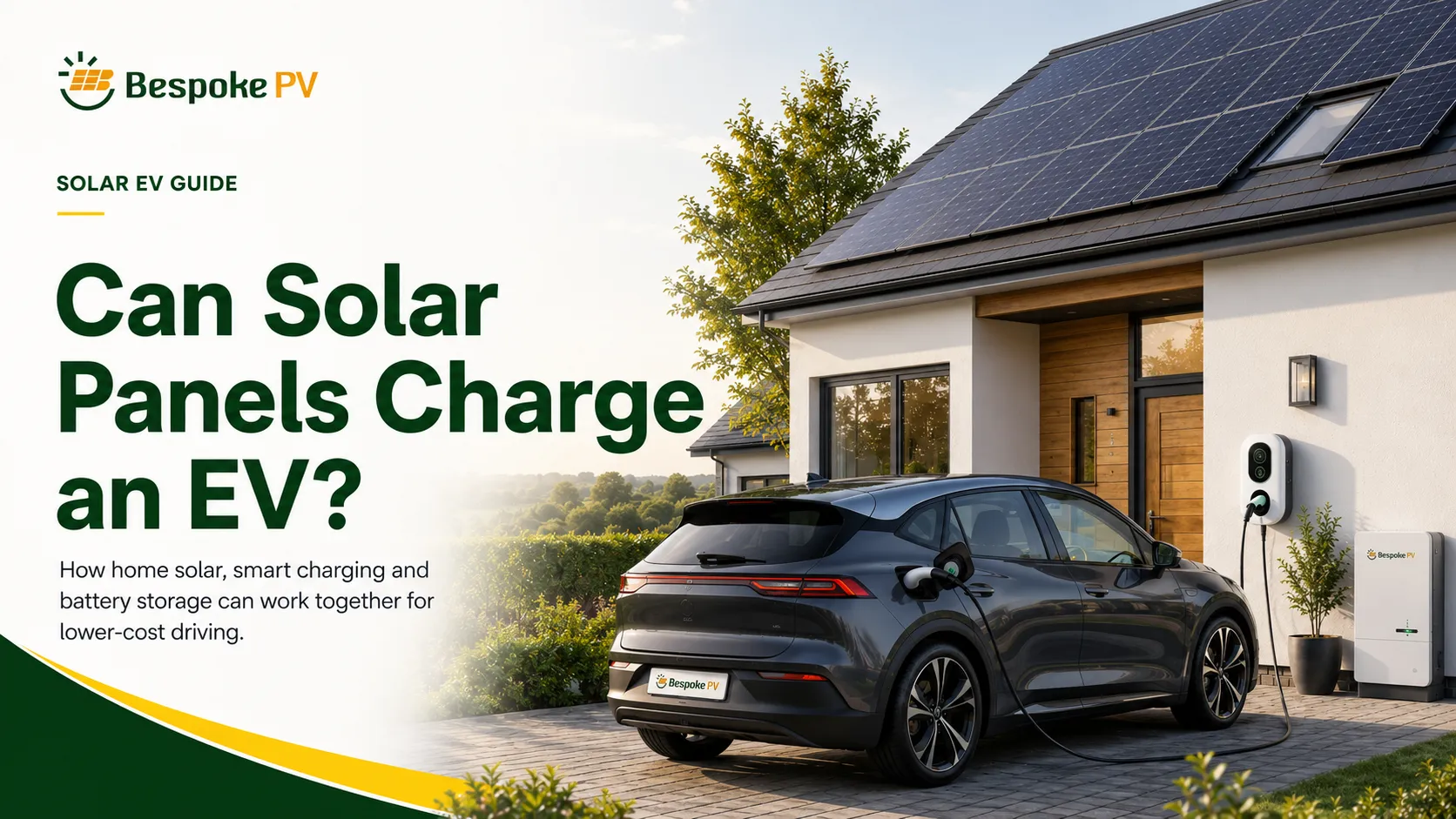
Read our guide: Can Solar Panels Charge an EV?
Solar and batteries may help reduce long-term dependence on imported electricity.
Battery systems can improve how electricity is stored and used.
Integrated systems may support future household electrification and changing energy demand.
Solar PV, battery storage and heat pumps are increasingly being viewed as part of broader energy resilience planning.
For many homeowners, the conversation is shifting away from simple payback calculations toward long-term operational flexibility, electricity price protection and future energy control.
As homes become increasingly electrified, professionally designed systems may help improve long-term resilience and adaptability.
Read our article: Why Solar Payback Is the Wrong Question
Modern renewable energy systems increasingly involve broader strategic planning.
Commercial properties are also increasingly exploring integrated renewable energy systems.
Warehouses, offices, schools and commercial buildings are increasingly considering solar PV, battery storage, EV charging and electrified heating together.
As operational electricity demand increases, intelligent energy management and long-term resilience planning are becoming more important across both residential and commercial sectors.
Read our guide: Solar Panels for Businesses
Integrated energy systems require careful planning.
Bespoke PV designs solar PV and battery systems around real-world energy usage, future electrification and long-term resilience.
Professionally designed systems should consider heat pump demand profiles, solar generation forecasts, battery storage integration, roof orientation, shading analysis, future EV charging and long-term scalability.
As homes become increasingly electrified, intelligent system design is becoming more important than ever.
Integrated renewable energy systems benefit from careful long-term planning.
Every household has different energy requirements and long-term goals.
Explore more Bespoke PV guides covering battery storage, electrification and long-term energy resilience.
Yes. Solar generation can contribute toward the electricity required to operate a heat pump.
It depends on heating demand, solar generation, battery storage and seasonal conditions.
Yes. Battery systems may improve self-consumption and help store daytime solar generation for later use.
Yes. Heat pumps can significantly increase household electricity demand and should be considered during system design.
Yes. Heat pumps, EV charging and wider electrification are increasing long-term electricity usage in many homes.
Explore related Bespoke PV articles and renewable energy insights.
Explore renewable energy systems designed and installed by Bespoke PV.
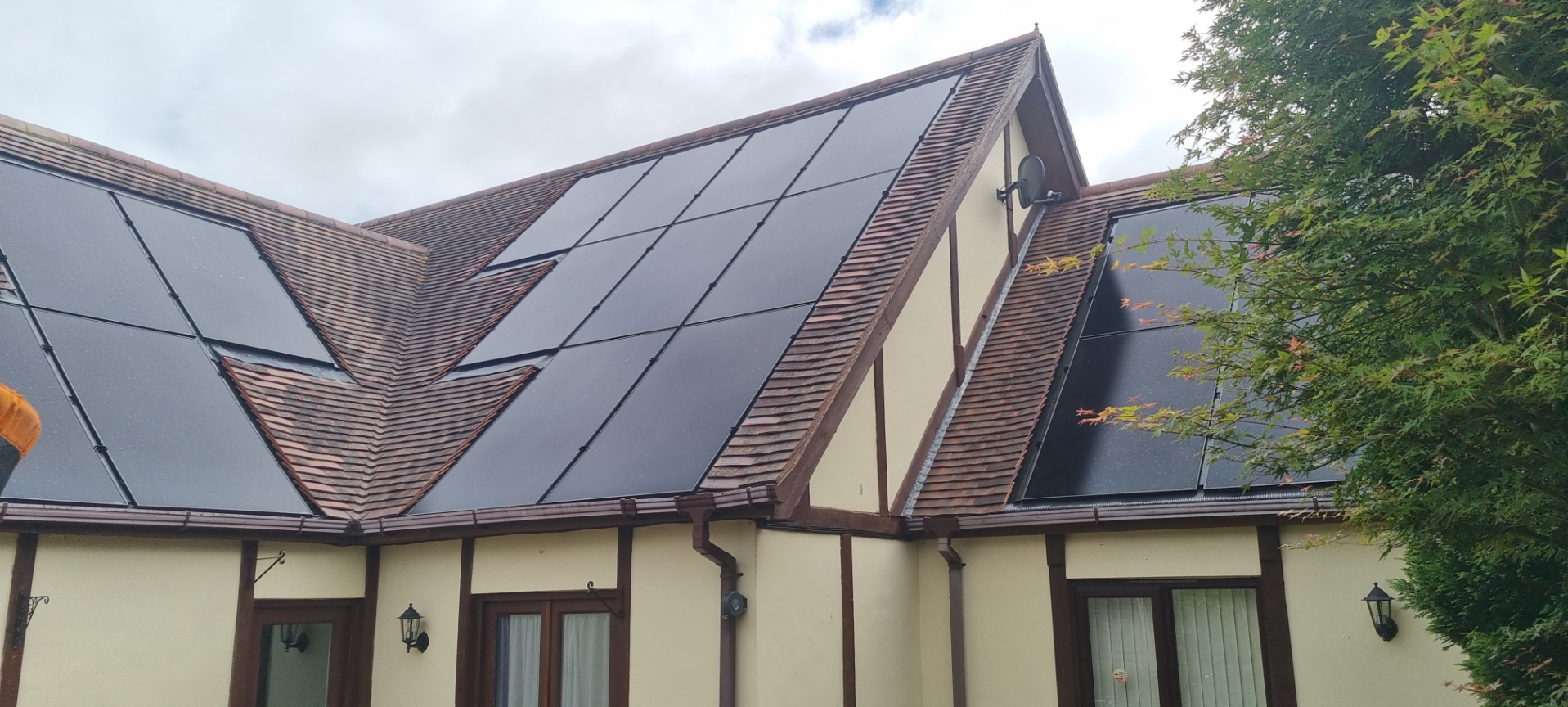

Bespoke PV designs solar PV, battery storage and EV charging systems across Hampshire, Dorset and the South Coast.
Bespoke solar PV, battery storage and EV charging systems for Southampton homes and businesses, designed around roof space, usage and future energy plans.
Solar panels in Southampton →Bespoke solar PV, battery storage and EV charging systems for homes and businesses across Winchester and Hampshire.
Solar panels in Winchester →Solar PV, battery storage and EV charging systems for homes and businesses across Portsmouth and the South Coast.
Solar panels in Portsmouth →Solar PV, battery storage and EV charging systems for homes and businesses across Bournemouth and the South Coast.
Solar panels in Bournemouth →Bespoke PV designs solar PV, battery storage and EV charging systems across Hampshire, Dorset, Wiltshire and the South Coast.
Speak with Bespoke PV about integrating solar panels, battery storage and low-carbon heating.