Network Safety
Systems shut down automatically to prevent electricity being exported onto damaged power lines.

Many homeowners assume solar panels and battery storage automatically continue powering the property during a grid outage, but this is not always the case.
In most standard solar PV systems, the solar panels will automatically shut down during a power cut.
This is a normal safety feature designed to protect engineers working on the electricity network.
Without appropriate isolation and backup configuration, most grid-connected systems cannot continue supplying electricity during an outage.
Systems shut down automatically to prevent electricity being exported onto damaged power lines.
Most inverters require a stable grid reference in order to operate normally.
Additional hardware and system design are required for backup operation.
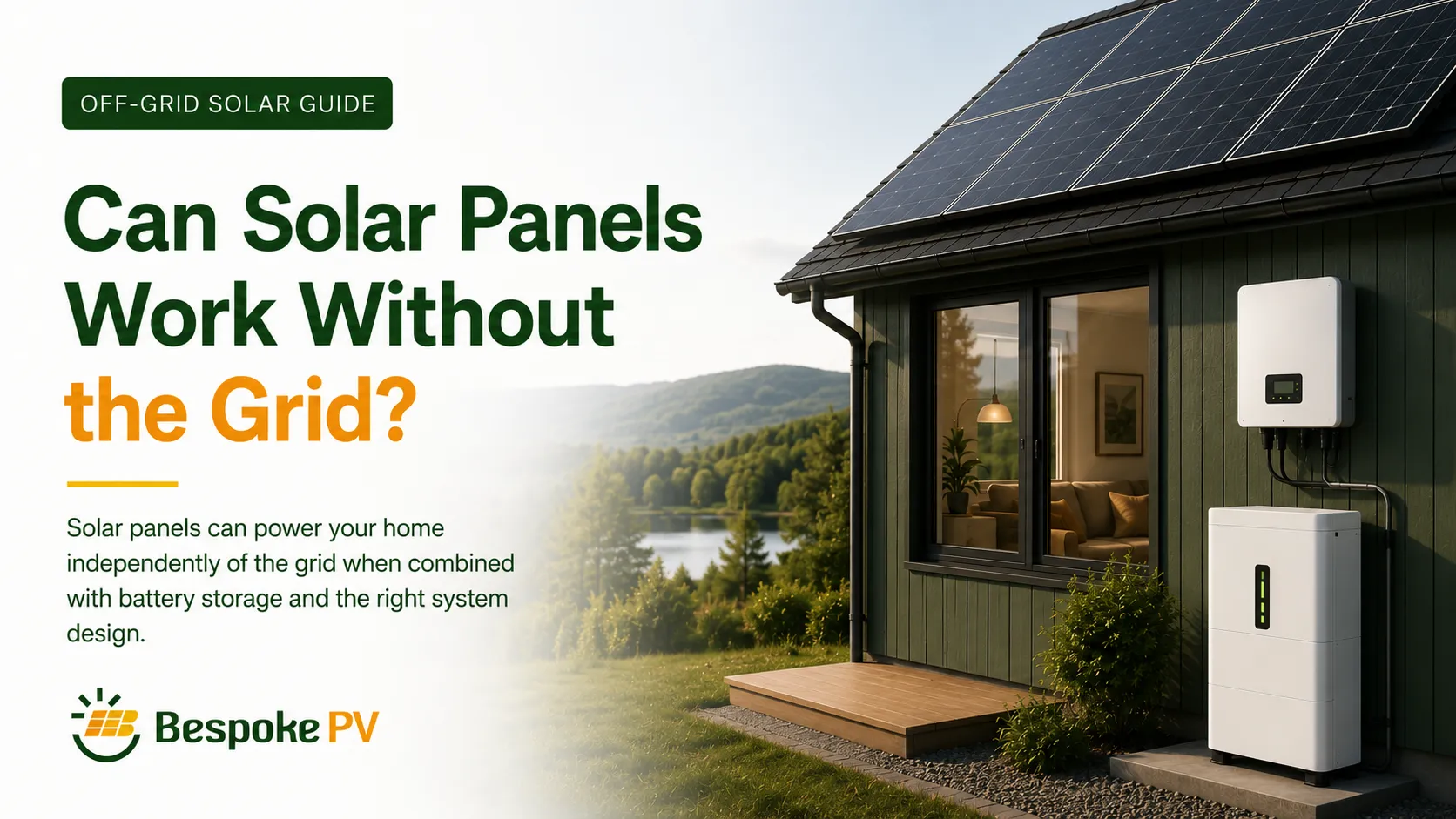
Some battery systems can continue supplying electricity during a power cut, but only if the system has been specifically designed for backup functionality.
Not all battery systems include this capability as standard.
Backup capability should always be discussed during the system design stage.
Many homeowners now prioritise resilience and operational continuity alongside electricity savings.
Backup power is usually prioritised around key household requirements.
Backup systems are often designed to support selected essential circuits rather than the entire property indefinitely.
Backup runtime varies between properties.
How long backup power lasts depends heavily on electricity demand and available stored battery capacity.
Some backup-capable systems may allow solar panels to continue charging the battery during daylight hours while the property is isolated from the grid.
This capability depends heavily on inverter specification, battery compatibility and installation design.
Energy resilience is becoming a bigger consideration for many properties.
Many homeowners are increasingly considering long-term energy resilience alongside electricity savings.
Read our article: Why Solar Payback Is the Wrong Question
Backup functionality should always be planned properly from the outset.
Backup-capable solar and battery systems require careful design and installation.
Bespoke PV designs systems around real household priorities, future flexibility and long-term resilience.
Most standard grid-connected solar systems automatically shut down during outages for safety reasons.
Some systems can, depending on inverter capability, battery configuration and system design.
No. Backup functionality should never be assumed automatically.
Some hybrid systems can continue charging batteries while islanded from the grid.
Rising electrification, energy price volatility and resilience concerns are making backup capability more important.
Explore related Bespoke PV articles and renewable energy insights.
Explore renewable energy systems designed and installed by Bespoke PV.
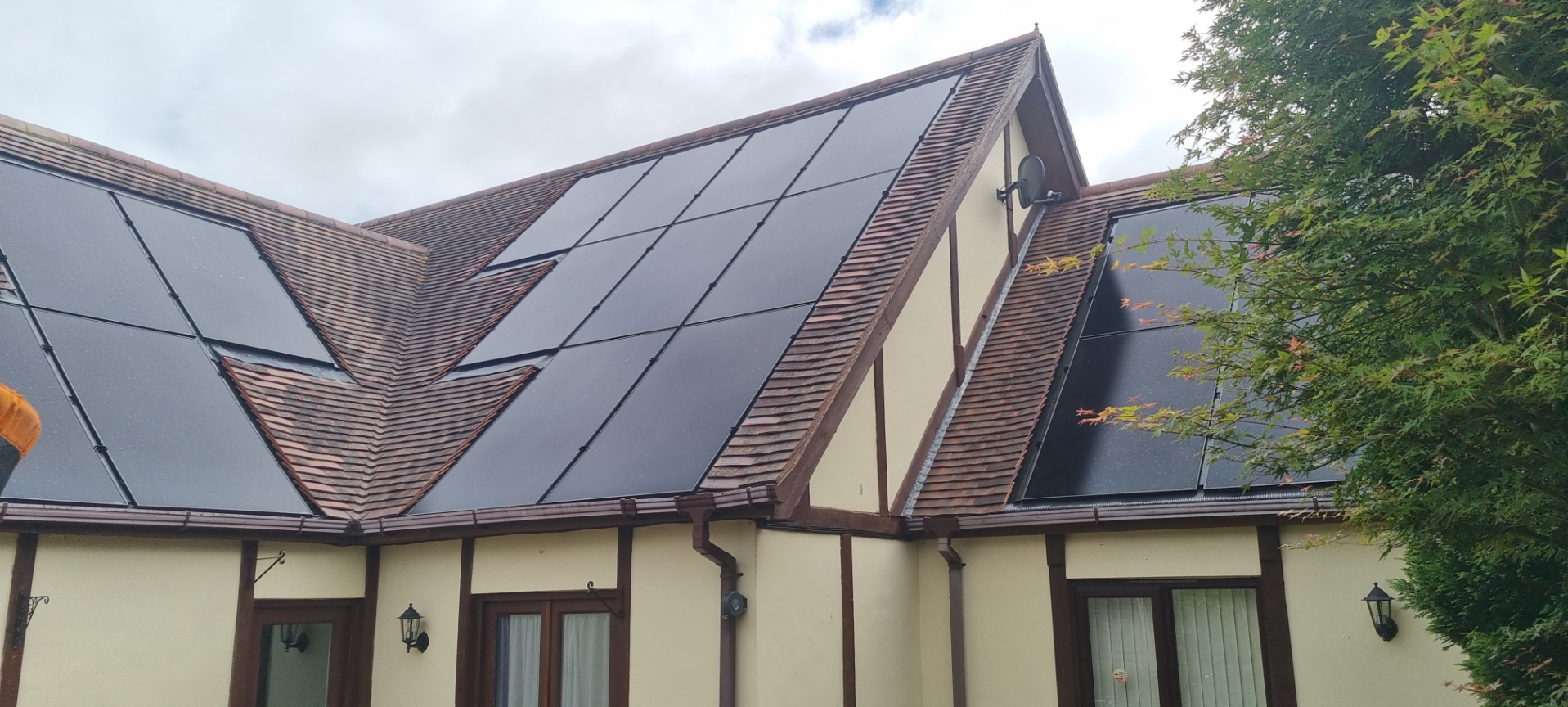

Bespoke PV designs solar PV, battery storage and EV charging systems across Hampshire, Dorset and the South Coast.
Bespoke solar PV, battery storage and EV charging systems for Southampton homes and businesses, designed around roof space, usage and future energy plans.
Solar panels in Southampton →Bespoke solar PV, battery storage and EV charging systems for homes and businesses across Winchester and Hampshire.
Solar panels in Winchester →Solar PV, battery storage and EV charging systems for homes and businesses across Portsmouth and the South Coast.
Solar panels in Portsmouth →Solar PV, battery storage and EV charging systems for homes and businesses across Bournemouth and the South Coast.
Solar panels in Bournemouth →Bespoke PV designs solar PV, battery storage and EV charging systems across Hampshire, Dorset, Wiltshire and the South Coast.
Speak with Bespoke PV about solar PV, battery storage and power cut protection options.