





Solar PV Designed Around Hampshire Properties
A Bespoke PV solar installation starts with the property itself rather than a standard package system.
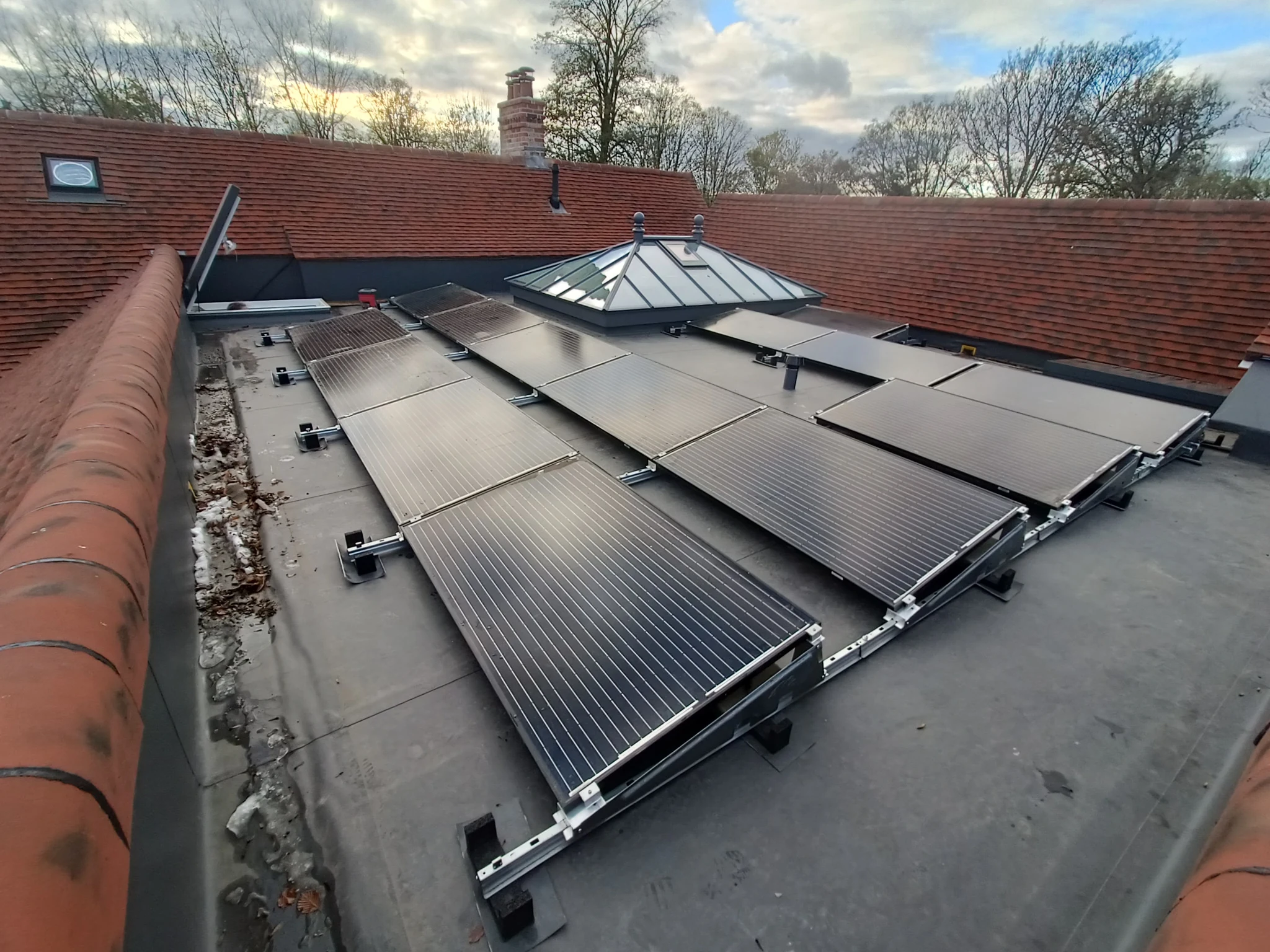
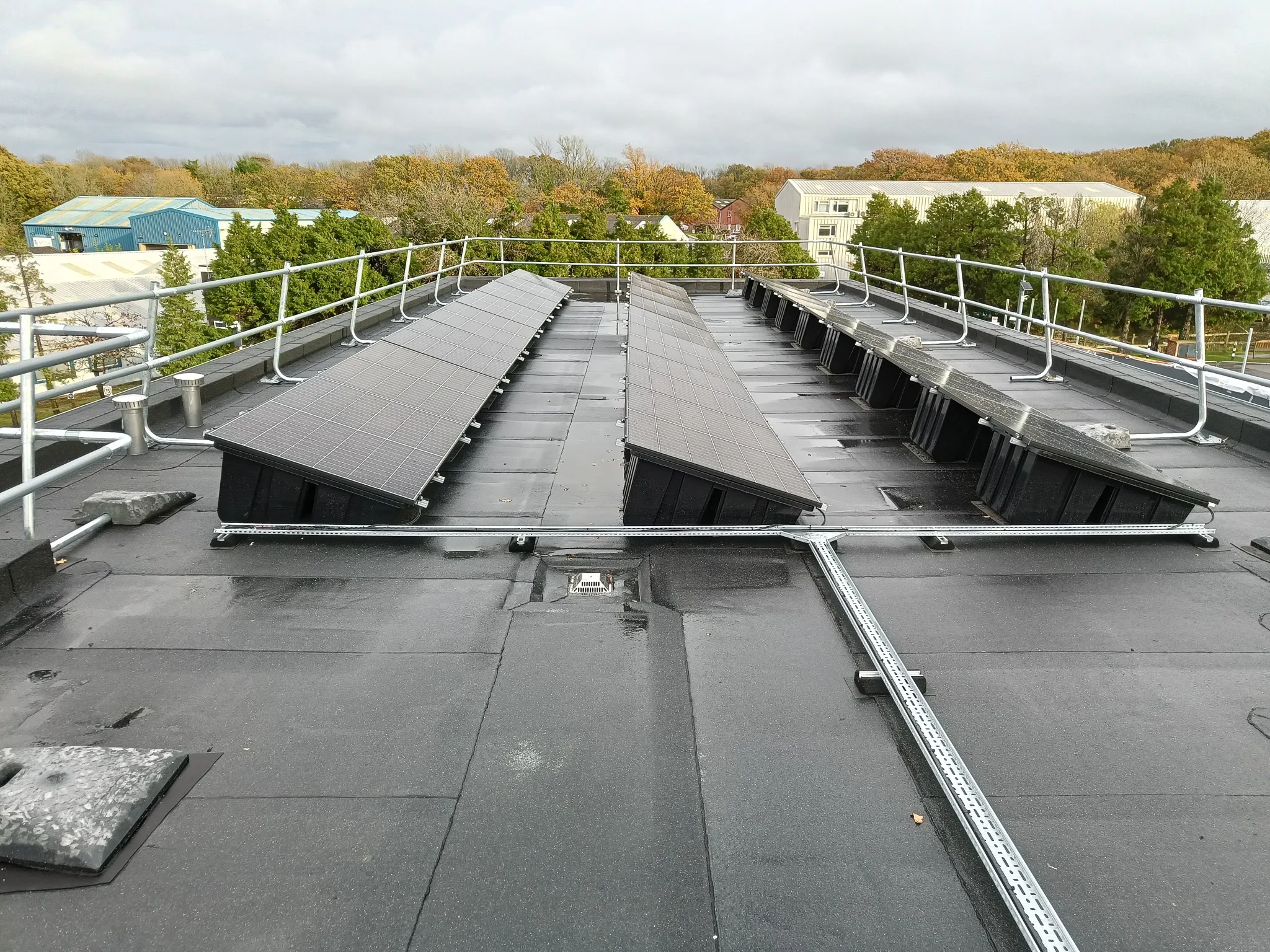
Across Hampshire, properties range from modern developments and detached family homes to rural properties, coastal homes, period buildings and commercial premises. Each presents different opportunities and constraints for solar PV design.
Roof orientation, shading, available roof space, electricity usage patterns, future electrification plans and battery storage requirements all influence how a solar PV system should be specified.
That is why Bespoke PV designs each installation around the property and its long-term energy requirements rather than simply maximising panel numbers.
A properly designed system should consider how the property uses electricity today, how that demand may change in future, and how solar PV can work alongside battery storage, EV charging, smart tariffs and long-term monitoring.
What Makes a Bespoke PV Solar Installation Different
Many solar installations are sold as simple package systems: a fixed number of panels, a standard inverter and a generic battery recommendation. That approach can work for simple properties, but it often misses the details that determine how well a system performs over the long term.
Bespoke PV takes a more design-led approach. The system specification is shaped by the roof, the electrical installation, the customer's usage profile and future plans for the property.
This can influence decisions such as panel layout, inverter choice, battery sizing, monitoring platform, export strategy, EPS backup capability and whether the system should be designed for future expansion.
The aim is not just to install solar panels. The aim is to create a renewable energy system that is reliable, understandable, visually appropriate and useful for the way the property actually uses electricity.
- Site-specific design rather than generic packages
- Careful consideration of roof layout, shading and visual impact
- Solar, battery and EV charging planned as one joined-up system
- Monitoring and long-term performance visibility built into the design
- Future-ready thinking for battery storage, EV charging, heat pumps and smart tariffs
Property Types We Design For
Different properties need different solar PV design decisions. Bespoke PV adapts the system specification around the building, usage pattern and long-term energy goals.
Detached Homes
Larger homes often benefit from solar PV systems designed around household usage, battery storage, EV charging and future electrification.
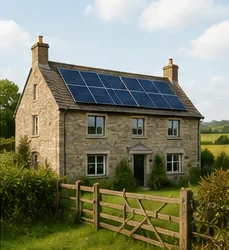

Rural Properties
Rural homes may prioritise energy resilience, battery storage and reduced reliance on imported electricity.
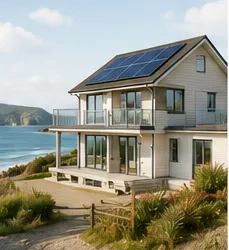

Coastal Homes
Coastal properties require careful equipment specification, installation quality and long-term durability planning.


Listed Buildings
Listed and period properties may need sensitive solar PV design around roof layout, visibility and aesthetics.
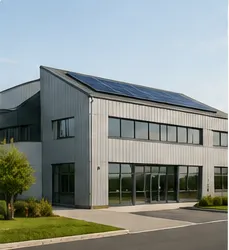

Commercial Premises
Commercial buildings can use solar PV to reduce daytime electricity costs and support long-term operational resilience.
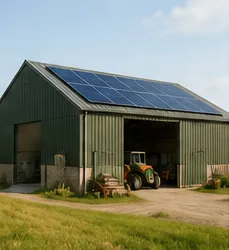

Agricultural Buildings
Agricultural sites may benefit from larger roof areas, solar self-consumption and long-term energy independence.
Solar PV Design Decisions That Affect Long-Term Performance
The quality of a solar PV system is not only determined by the panels themselves. Long-term performance depends on how well the full system is specified, installed and monitored.
Panel positioning, inverter selection, cable routes, battery compatibility, export settings and monitoring access all affect how easy the system is to use and how much value it delivers over time.
For example, a property with high evening electricity use may benefit from a different battery strategy than a property with high daytime demand. A household planning EV charging may need different design assumptions than one focused mainly on reducing general household imports.
Bespoke PV considers these factors before recommending a system, helping avoid common problems such as undersized batteries, poor monitoring visibility, awkward equipment locations or systems that are difficult to expand later.
- Roof orientation and shading
- Panel layout and visual appearance
- Inverter and battery compatibility
- Smart monitoring and usage visibility
- Export tariff and self-consumption strategy
- Future battery, EV charging or heat pump integration
Solar PV as Part of a Wider Energy Strategy
Solar PV is increasingly part of a wider shift toward home and business electrification.
Many customers are no longer just asking how many panels they can fit. They are also thinking about battery storage, electric vehicle charging, heat pumps, backup power, smart tariffs and long-term energy resilience.
A system designed only for today's electricity use may still work, but it may not be the best long-term investment if the property's demand is likely to increase.
Bespoke PV helps customers think through these future requirements so the system can be planned with flexibility in mind. That may mean allowing for battery storage, choosing monitoring that gives proper visibility, planning EV charging alongside solar generation, or considering whether selected circuits could be supported by EPS backup in future.
Battery Storage, Monitoring and Long-Term Solar Support
Battery storage can significantly improve solar self-consumption by storing surplus daytime generation for later use. Larger battery systems may also support off-peak overnight charging during winter, helping reduce imported electricity costs when solar generation is naturally lower.
Monitoring is equally important. A modern solar PV system should give homeowners and businesses clear visibility of generation, usage, battery behaviour, imports, exports and long-term performance trends.
Bespoke PV also supports customers after installation with monitoring advice, system troubleshooting, retrofit battery storage, inverter replacements, existing system upgrades and panel removal and reinstallation during roof works.
That long-term support matters because solar PV is not just a one-day installation. It is a system expected to operate for many years as the property's electricity demand changes.
Why Homeowners and Businesses Choose Solar PV
Rising electricity costs, growing electrification and increasing interest in energy independence have all contributed to continued growth in solar PV adoption. For many properties, solar panels can help reduce imported electricity, improve long-term energy resilience and make better use of battery storage and smart tariffs. The suitability of solar PV depends on factors such as roof orientation, shading, energy consumption patterns and future electricity requirements, which is why careful system design remains important.