Shorter Days
There are fewer daylight hours available for generation during winter months.

Yes. Solar panels continue generating electricity during winter, although generation levels are naturally lower than during summer months due to shorter days and reduced sunlight intensity.
No. Solar panels generate electricity from daylight rather than heat, which means they continue working during colder weather and cloudy conditions.
Generation levels are typically lower during winter because daylight hours are shorter and the sun sits lower in the sky, but modern solar PV systems still produce useful electricity throughout the year.
Many homeowners are surprised by how much electricity solar panels can still generate during colder months, particularly during bright winter days.
There are fewer daylight hours available for generation during winter months.
The sun sits lower in the sky, reducing overall solar intensity.
Cloud cover and poor weather may reduce generation compared with clear summer days.
One of the most common misconceptions about solar PV is that the panels require hot weather to work effectively.
In reality, solar panels respond to daylight rather than temperature.
This means solar generation still occurs during cold conditions provided sufficient daylight is available.
In fact, excessively high temperatures can sometimes slightly reduce panel efficiency, which is why cooler conditions are not necessarily a disadvantage for solar generation itself.
Many homeowners assume solar panels only work in direct sunshine, but this is not true.
Modern solar panels continue generating electricity in diffuse daylight conditions, although at reduced output compared with bright sunshine.
We encourage customers to view solar generation across the entire year rather than focusing only on winter performance.
Modern systems are designed around annual energy production rather than peak summer generation alone.
Even lower winter generation can still help reduce imported electricity during daylight hours.
Many households continue using electricity throughout the day during winter for appliances, lighting, home offices and heating systems.
Solar generation can therefore still offset part of this demand even during shorter winter days.
The overall value depends heavily on household electricity usage patterns and how generated electricity is used within the property.
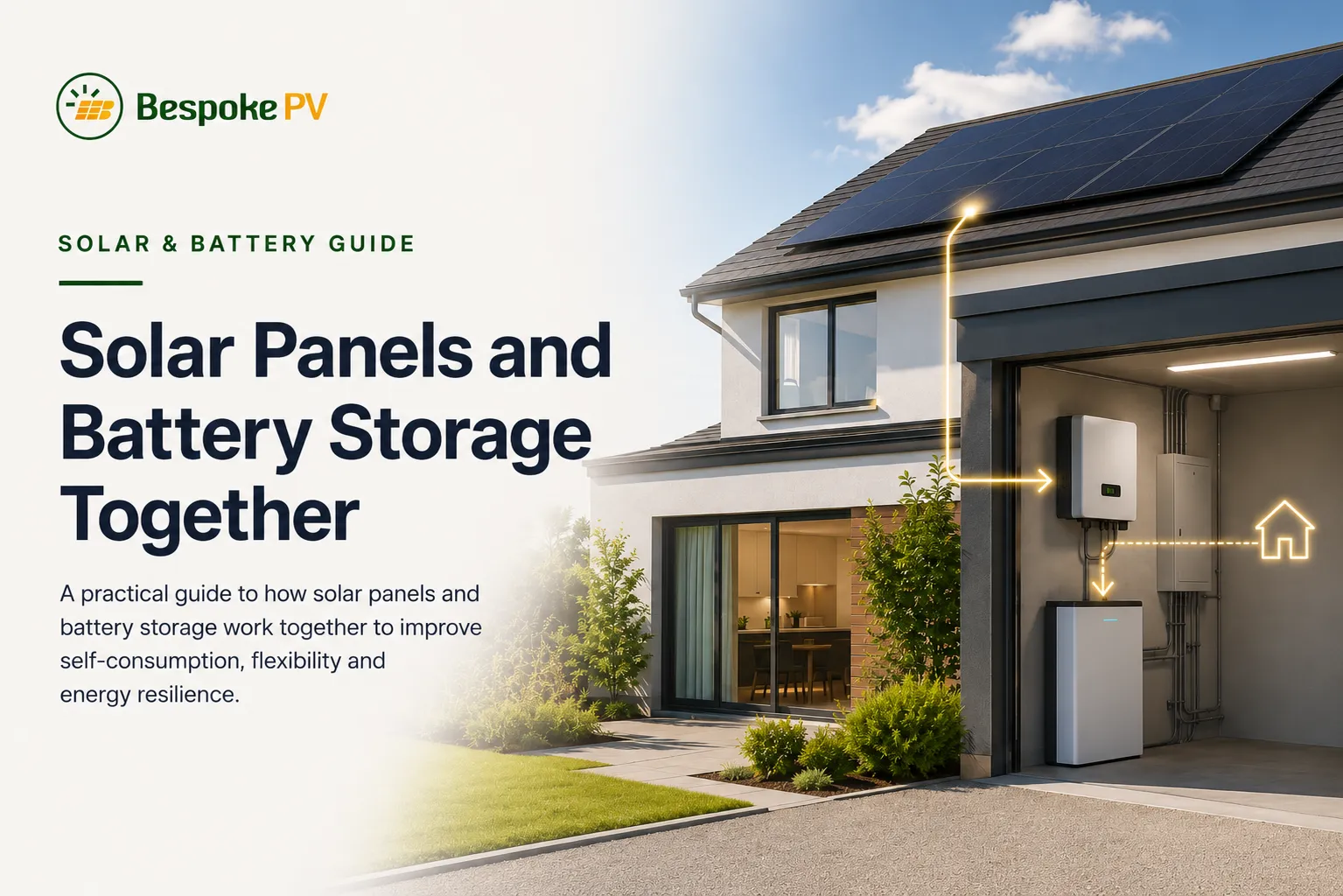
Battery systems can improve how winter solar generation is used.
Battery storage allows households to retain surplus daytime solar generation for later use.
Even during winter, battery systems may help households reduce evening electricity imports and improve self-consumption.
Solar generation naturally varies across the year.
Household electricity demand is increasing due to wider electrification.
Electric vehicles, heat pumps and home working are all changing how electricity is used during winter.
This is one reason many homeowners now view solar PV and battery storage as part of a wider long-term energy strategy rather than simply focusing on summer generation alone.
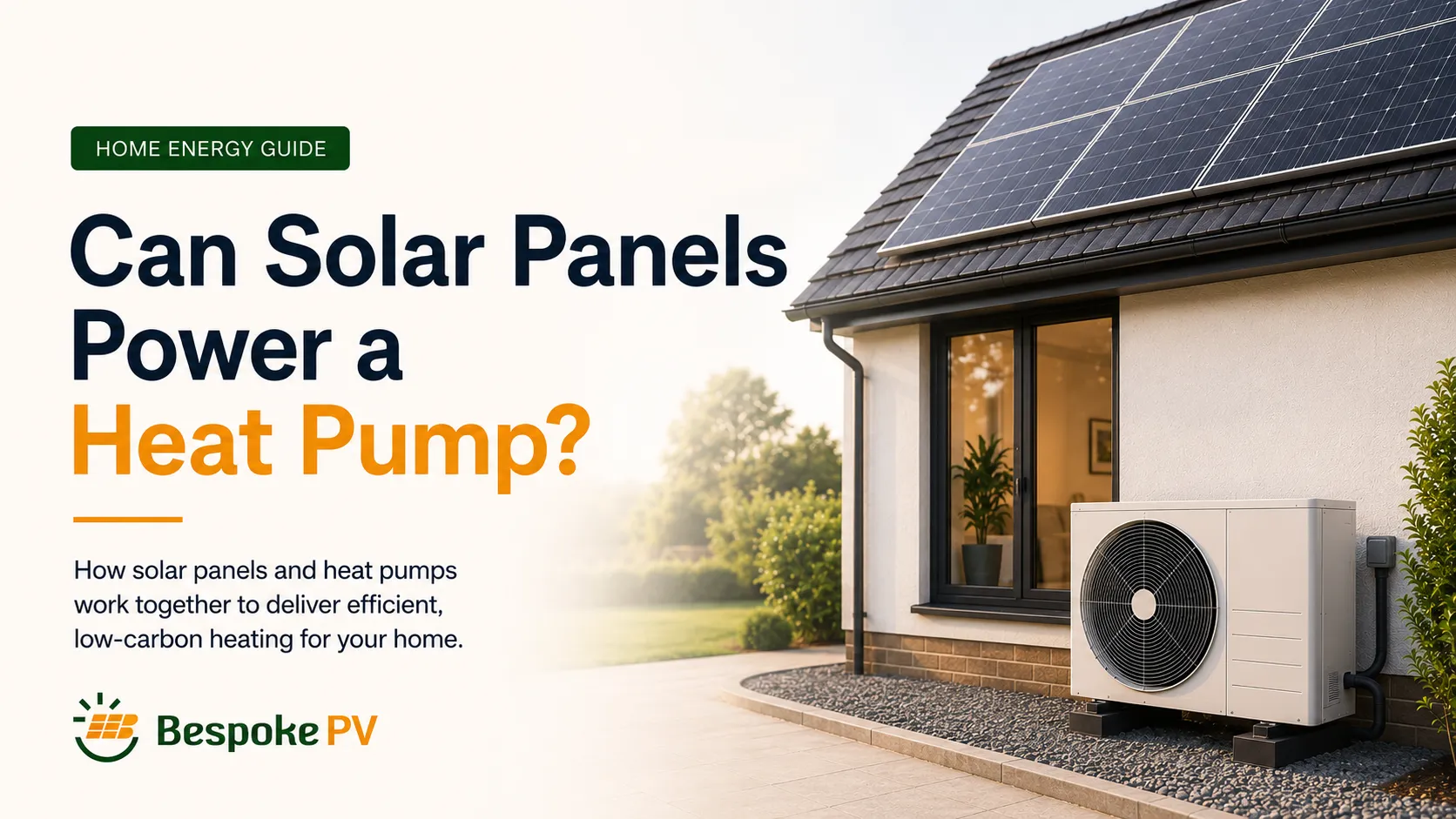
Solar PV and heat pumps are increasingly being planned together.
Heat pumps can significantly increase household electricity demand during colder months.
While winter solar generation is lower, solar PV may still help offset part of the electricity required for heating.
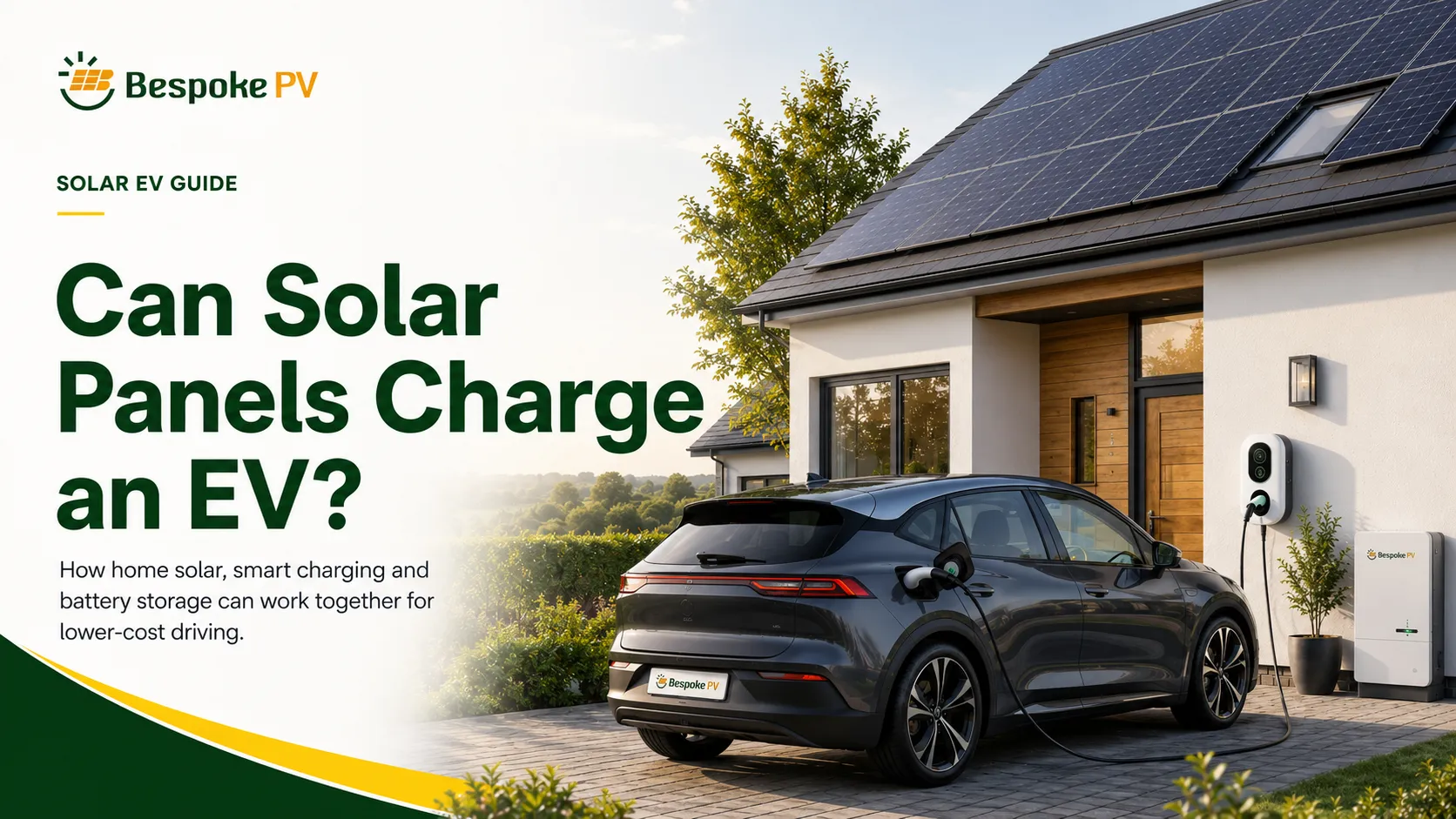
Yes, although available surplus generation may be lower compared with summer.
Smart charging systems and battery storage may help households use available solar generation more effectively.
As EV adoption increases, many homeowners are increasingly viewing solar PV, battery storage and EV charging as one integrated energy ecosystem.
Read our guide: Can Solar Panels Charge an EV?
Snow impact is usually temporary in most UK conditions.
Heavy snow coverage may temporarily reduce generation if panels become fully covered.
However, solar panels are typically installed at an angle, which often helps snow slide away naturally.
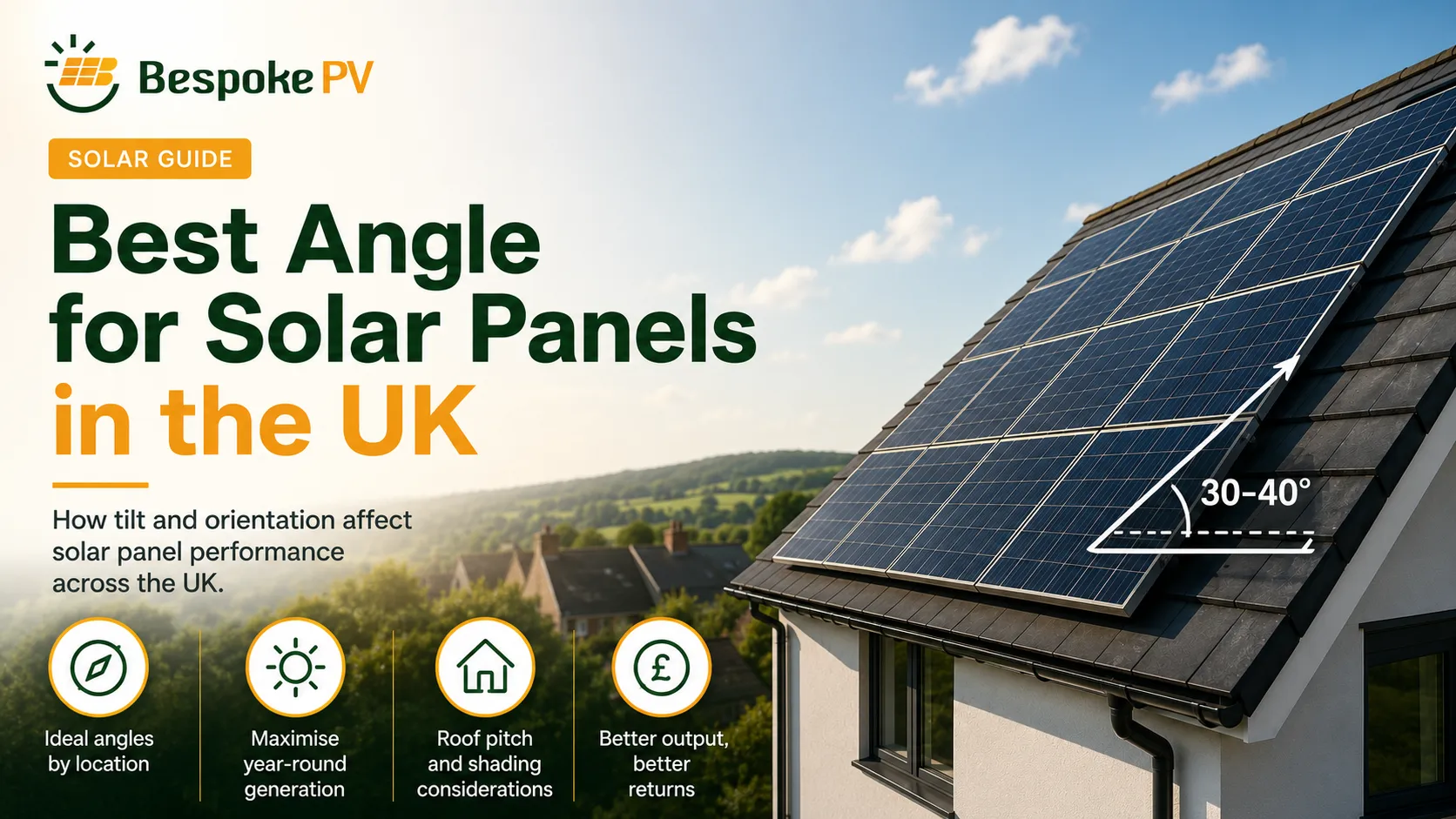
Roof orientation, pitch and shading all influence winter solar performance.
South-facing roofs often provide strong winter generation potential, although east-west systems may still perform effectively depending on household electricity demand patterns.
Trees, chimneys and nearby buildings may have greater shading impact during winter due to the lower position of the sun.
Solar PV is a long-term infrastructure investment.
Solar PV systems should be viewed over long-term annual generation rather than short seasonal periods.
Winter solar generation is naturally lower than summer generation, and homeowners should understand this before installation.
However, lower winter generation does not mean solar panels stop working or become ineffective.
A professionally designed system should balance annual generation, household electricity demand and future flexibility rather than focusing purely on peak summer output.
Good system design is about long-term performance across the entire year.
System design significantly affects year-round performance.
Bespoke PV designs solar PV systems around real-world generation expectations, property requirements and future flexibility.
Explore more Bespoke PV guides covering battery storage, winter performance and long-term energy planning.
Yes, if the panels generate more electricity than the property is using at that time. Charging may be slower than on bright sunny days.
No. Solar panels generate electricity from daylight, although direct sunlight produces stronger output.
It can, but winter generation is usually lower due to shorter days and reduced sunlight intensity.
Some battery systems can charge from the grid, depending on the equipment, settings and electricity tariff.
Yes. A larger battery may store more energy, but it still depends on how much surplus solar generation is available.
Explore related Bespoke PV articles and renewable energy insights.
Explore renewable energy systems designed and installed by Bespoke PV.
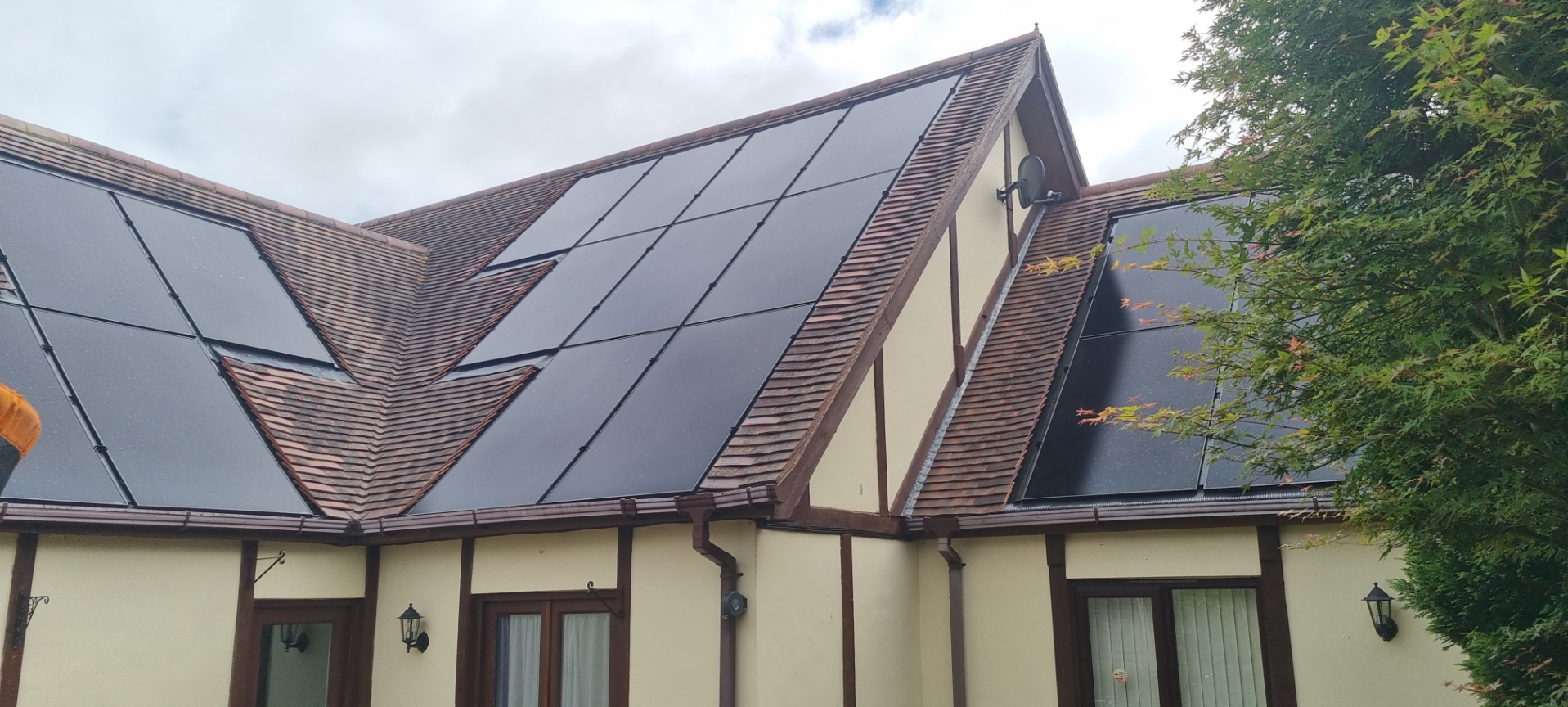

Bespoke PV designs solar PV, battery storage and EV charging systems across Hampshire, Dorset and the South Coast.
Bespoke solar PV, battery storage and EV charging systems for Southampton homes and businesses, designed around roof space, usage and future energy plans.
Solar panels in Southampton →Bespoke solar PV, battery storage and EV charging systems for homes and businesses across Winchester and Hampshire.
Solar panels in Winchester →Solar PV, battery storage and EV charging systems for homes and businesses across Portsmouth and the South Coast.
Solar panels in Portsmouth →Solar PV, battery storage and EV charging systems for homes and businesses across Bournemouth and the South Coast.
Solar panels in Bournemouth →Bespoke PV designs solar PV, battery storage and EV charging systems across Hampshire, Dorset, Wiltshire and the South Coast.
Contact Bespoke PV for tailored advice on solar generation, battery charging and real-world performance.