Use Solar First
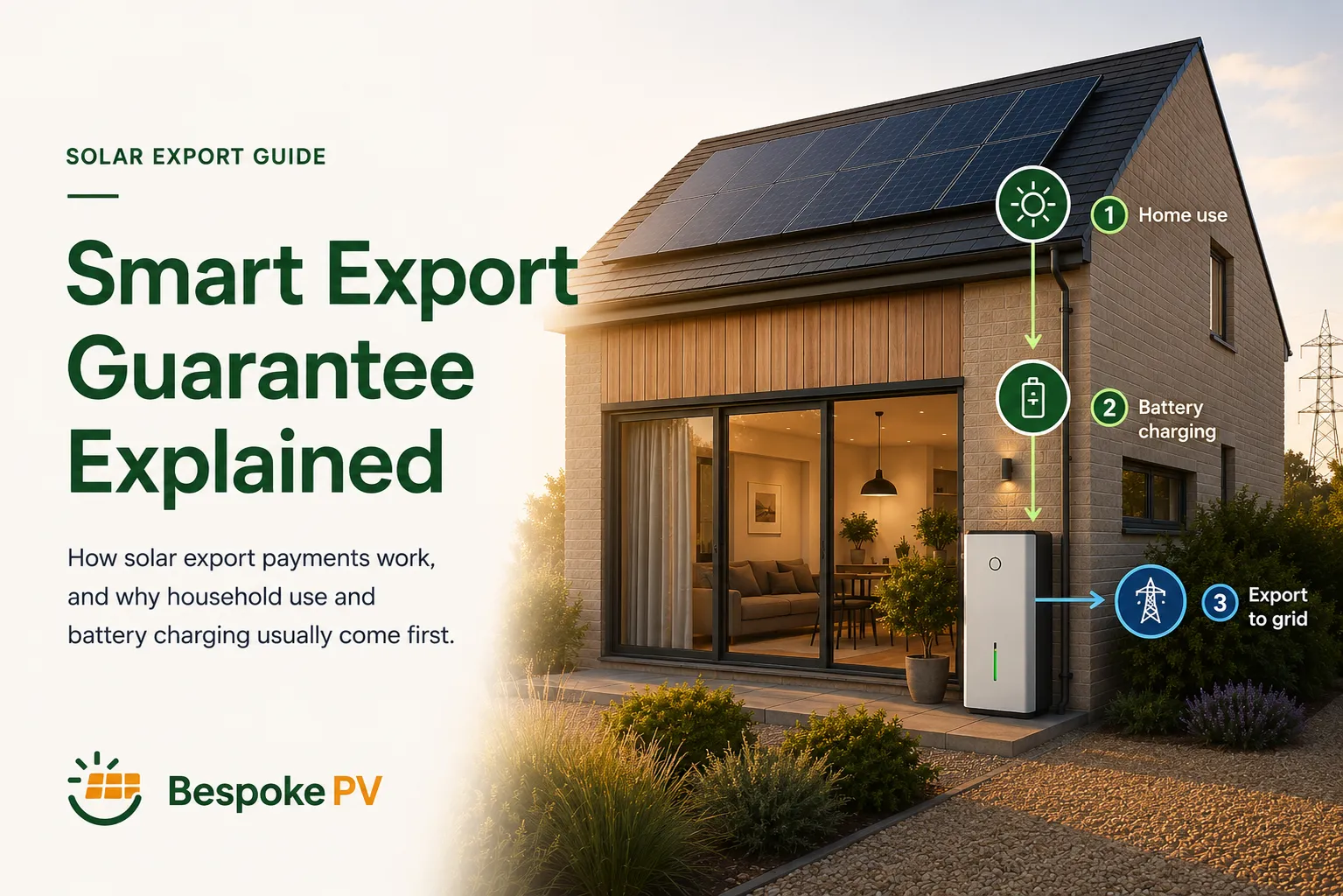
Solar electricity is normally used directly by the property before importing from the grid.

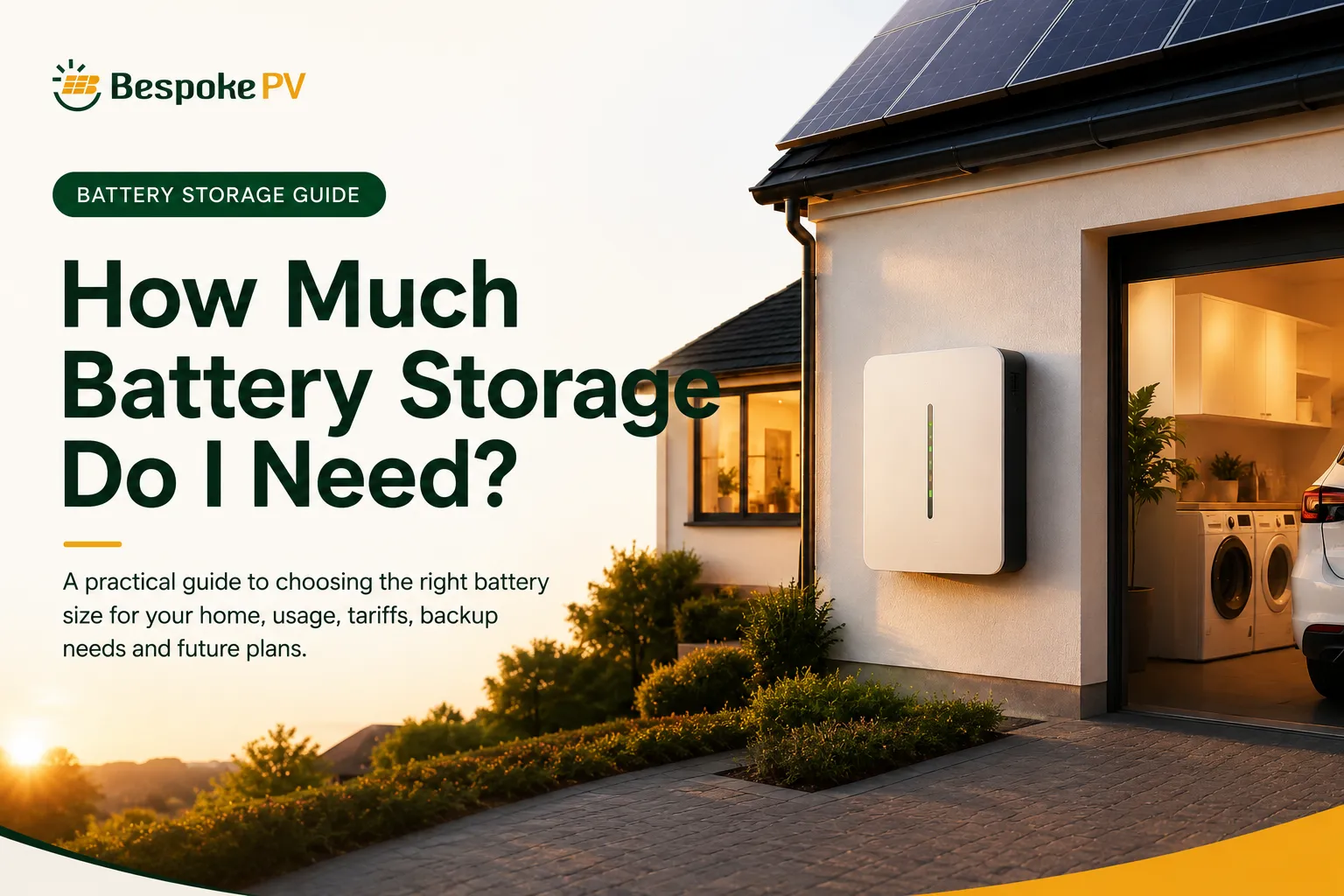
Solar panels and battery storage work best when they are designed as one joined-up energy system. Solar generation reduces daytime grid imports, while a battery can store surplus electricity for later use, improving self-consumption, flexibility and long-term energy resilience.
Solar panels generate electricity during daylight hours, but many homes use a large proportion of their electricity in the evening, when solar generation has reduced or stopped.
Without battery storage, surplus daytime solar electricity is usually exported to the grid. With battery storage, more of that surplus can be retained on-site and used later.
This can make the overall system more useful because the electricity generated by the panels is not limited to the exact moment it is produced.
For many homeowners, the benefit is not simply lower bills. A well-designed solar and battery system can also provide greater control over household energy use, support smart tariff strategies and prepare the property for future electrification.
Solar electricity is normally used directly by the property before importing from the grid.
Surplus solar generation can charge the battery instead of being exported immediately.
Stored electricity can supply the home during evening periods, cloudy spells or higher-rate tariff windows.
If the battery is full and demand is low, remaining surplus electricity may be exported to the grid.
Self-consumption means using more of the electricity generated by your solar panels within the property rather than exporting it.
This matters because electricity used directly in the home usually offsets imported electricity purchases. In many situations, avoiding imported electricity is more valuable than receiving payment for exported electricity.
Battery storage can improve self-consumption by shifting solar electricity from the middle of the day into the evening or other higher-demand periods.
This is why solar and battery storage should be considered together during system design, even if the battery is added later.
Battery storage changes how solar electricity is used within the property.
Solar generation and household demand do not always happen at the same time.
A home may generate most of its solar electricity around the middle of the day, while demand often rises later when people return home, cook, use appliances, charge devices or run heating controls.
Battery storage helps bridge that timing gap.
Instead of exporting useful solar electricity during the day and buying electricity back later, a battery can store some of that daytime generation and make it available when the property actually needs it.
Battery storage is most valuable when there is a clear use for stored electricity.
The right system depends on the property, but battery storage may be particularly useful where homeowners want to:
The best solar and battery systems are not designed around panel numbers or battery capacity alone.
They are designed around how the property actually uses electricity, when solar generation is available, how much energy is likely to be stored and what the homeowner wants the system to achieve over the long term.
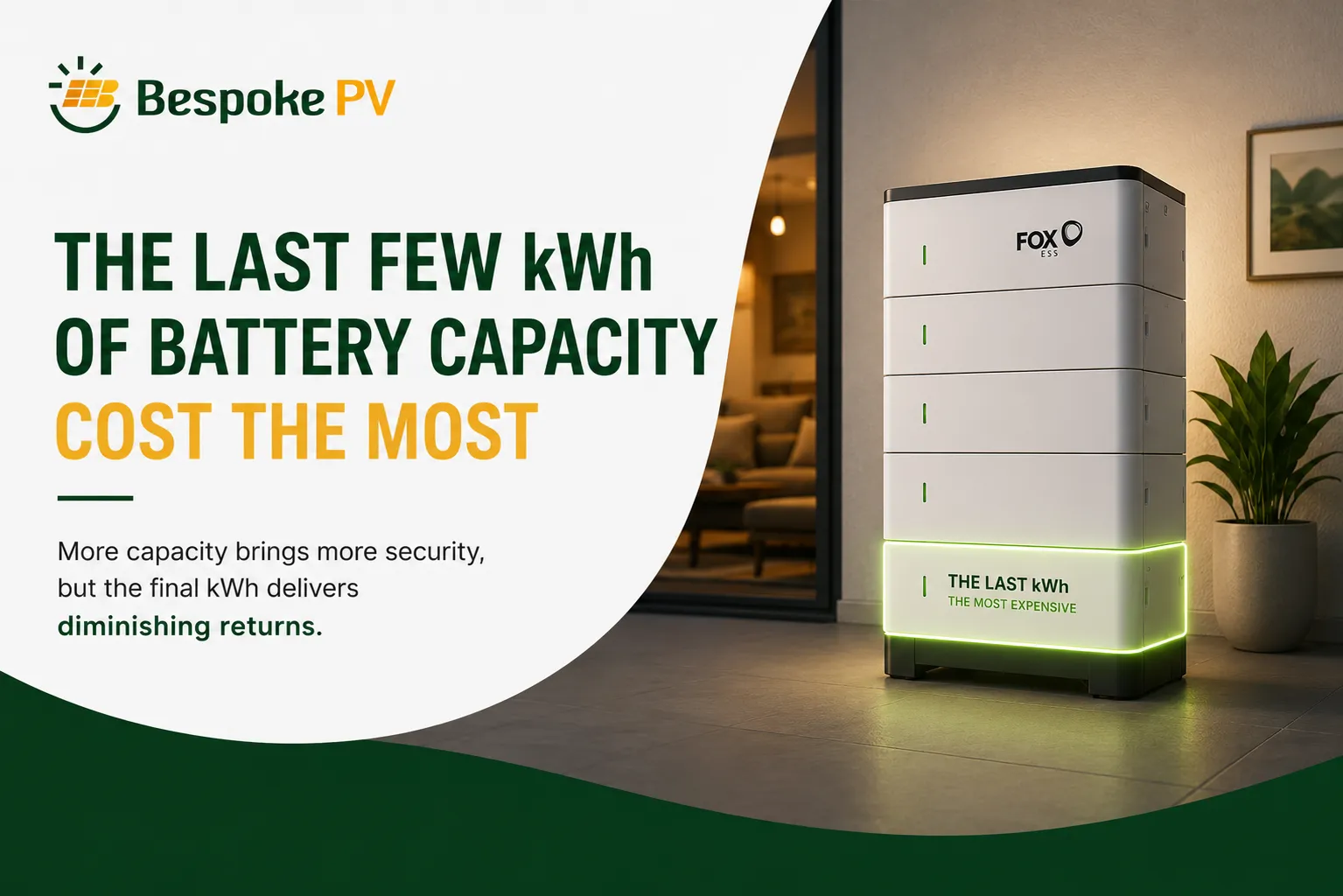
A common mistake is assuming that a larger battery is automatically better.
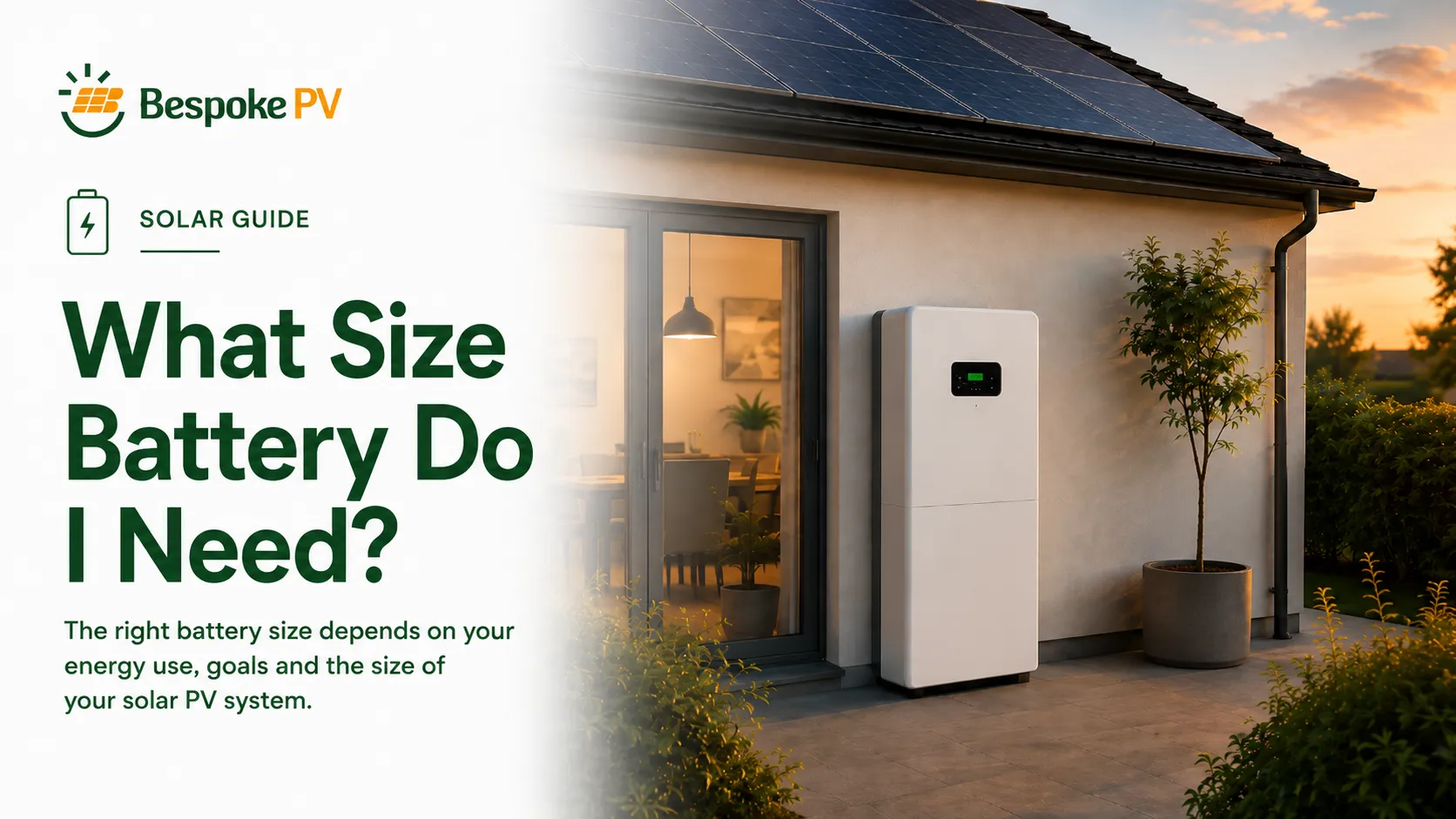
Battery capacity should be balanced against solar generation, household electricity demand, evening usage, smart tariff strategy and future plans.
If the battery is too small, it may not store enough useful energy for evening demand. If it is too large, the extra capacity may not be used often enough to justify the additional cost.
A well-sized battery should work hard throughout the year rather than simply look impressive on a specification sheet.
The battery should be balanced against how much surplus solar electricity is realistically available.
Homes with higher evening use may benefit from greater storage capacity.
Time-of-use tariffs can change how and when the battery should charge and discharge.
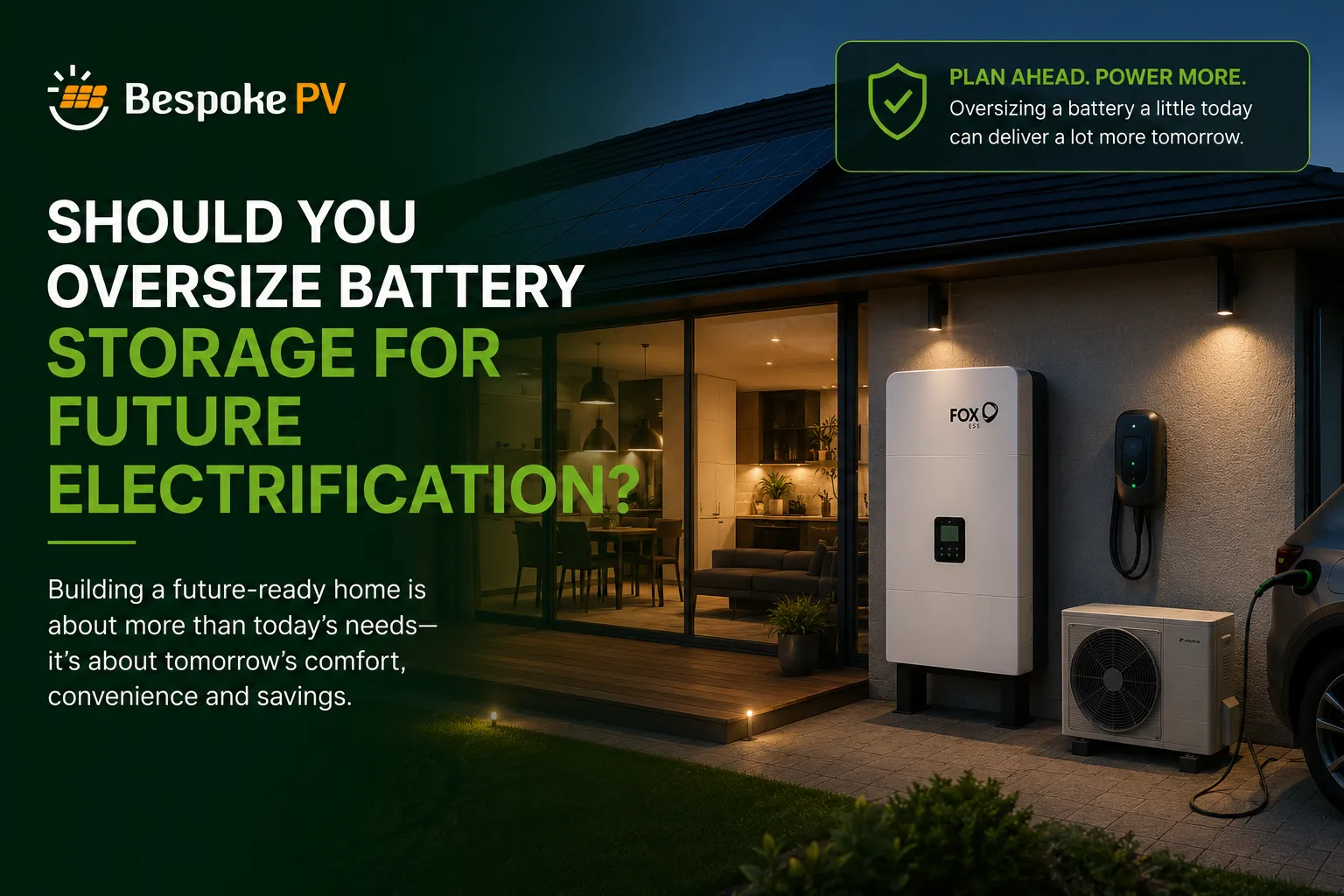
EV charging, heat pumps and electric hot water may increase future electricity demand.
Battery storage is not only useful for storing solar electricity.
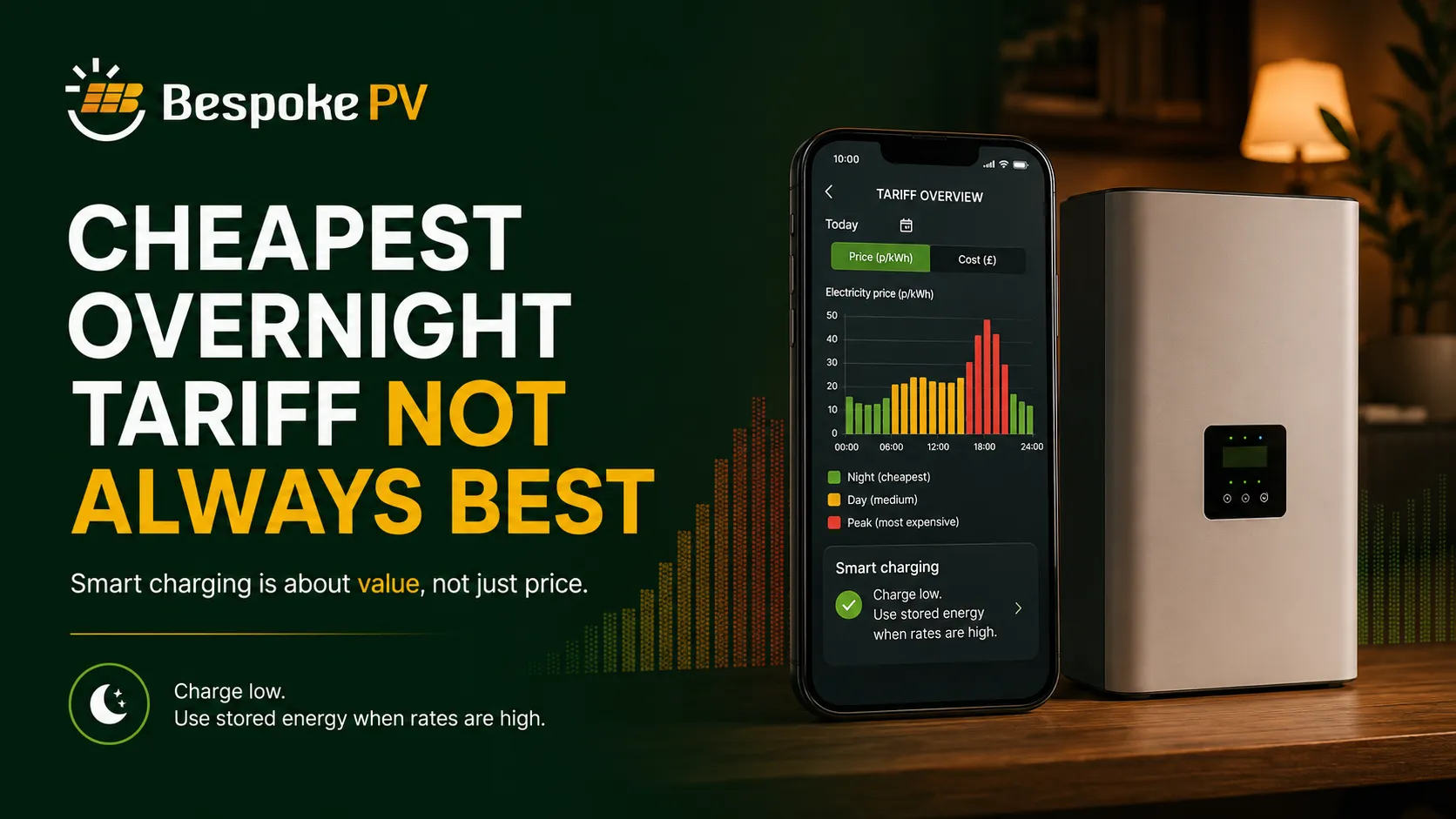
Some systems can also charge from the grid during lower-cost tariff periods and discharge later when electricity is more expensive.
This can be especially useful during winter, when solar generation is lower but electricity demand may be higher.
A professionally designed system should consider solar generation, battery capacity, inverter charge rate, discharge capability and tariff structure together. Looking at any one of these in isolation can lead to unrealistic expectations.
Homes are becoming more electricity dependent.
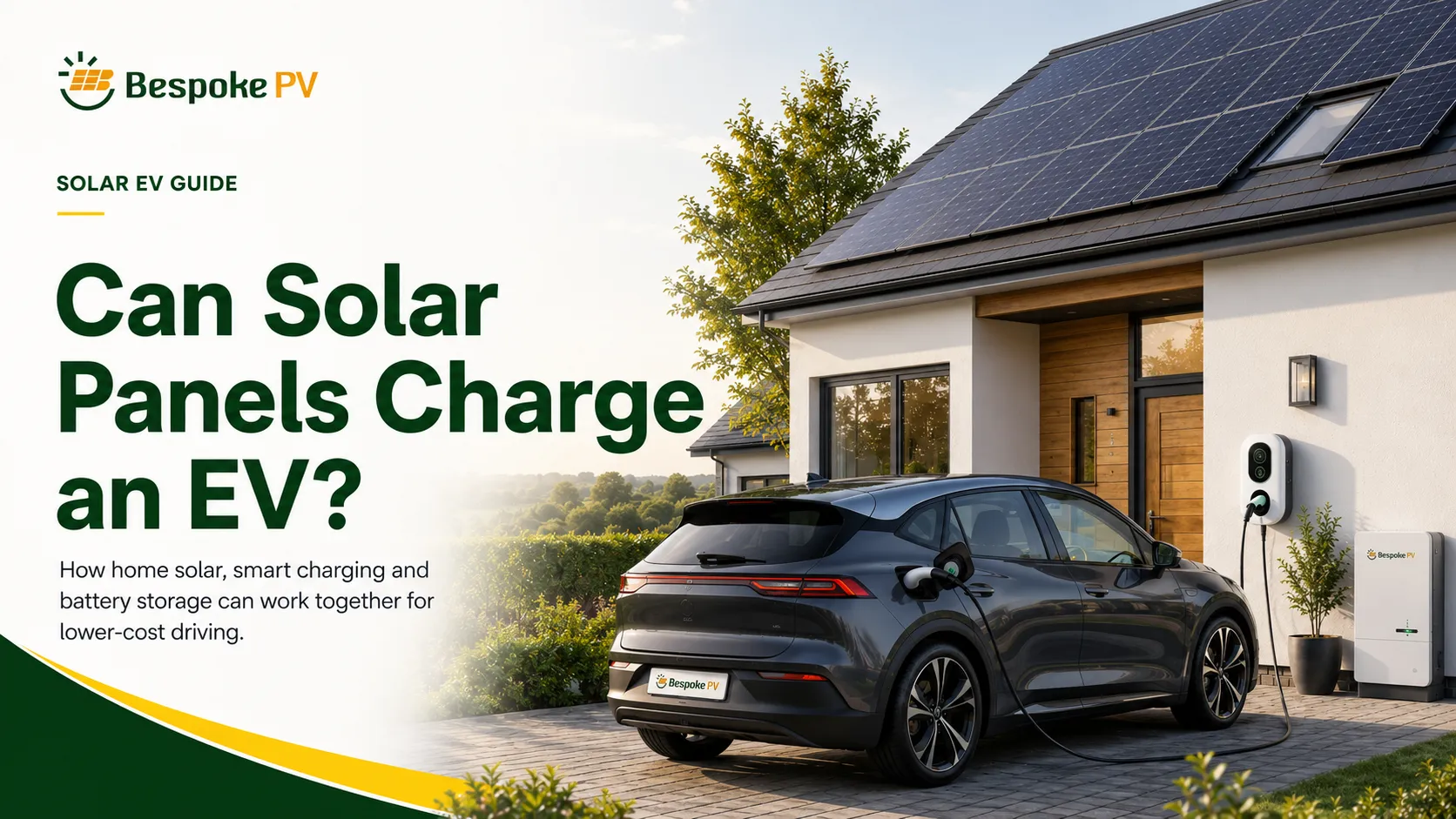
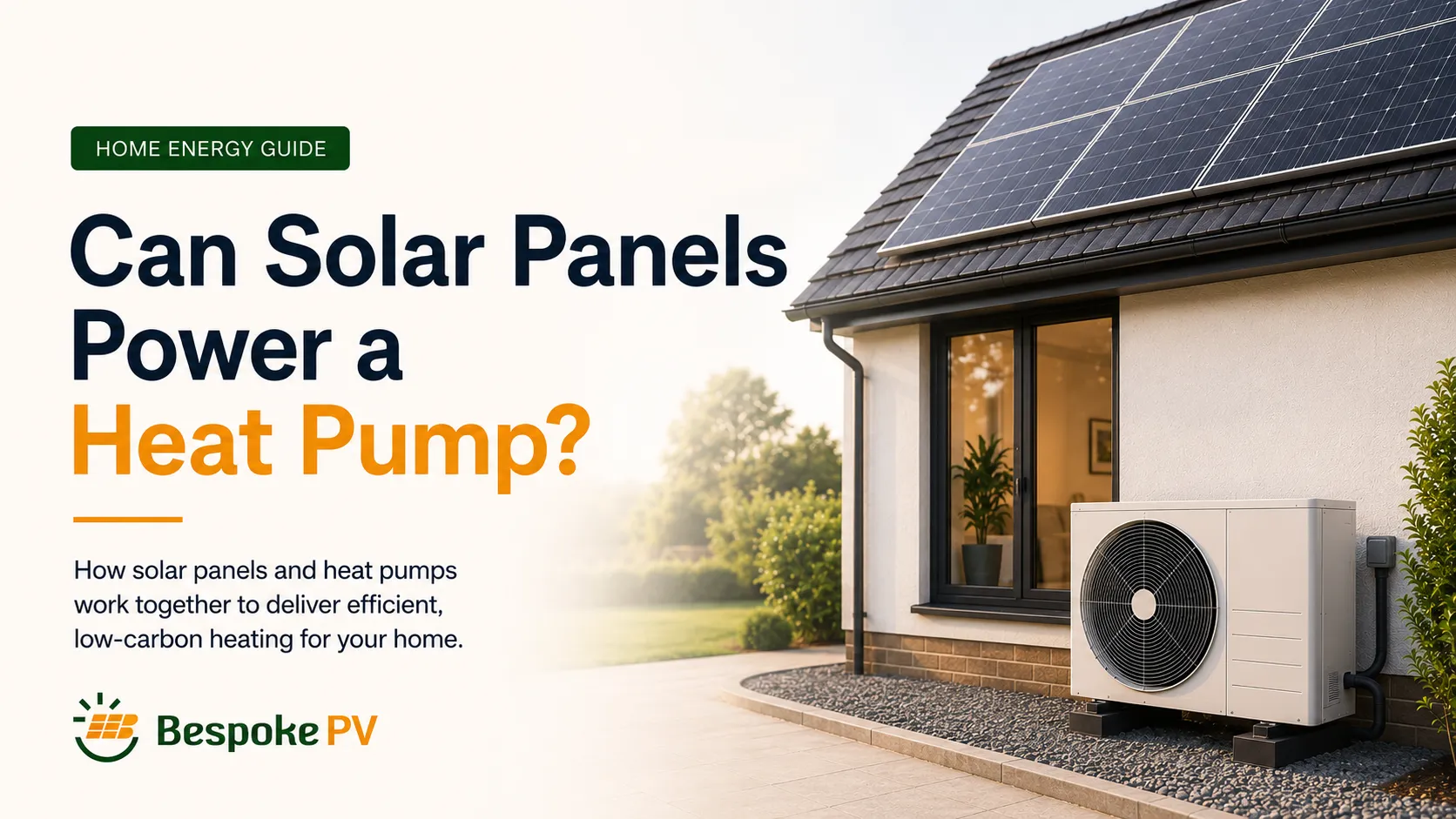
Electric vehicles, heat pumps, home offices and wider electrification can all increase household electricity demand. This can make solar generation more valuable, but it also changes how battery storage should be sized and controlled.
A home battery is not usually intended to act as a full EV fuel tank or to cover all heat pump demand through winter. Instead, it is normally used to manage household demand, store surplus generation, reduce expensive imports and improve flexibility.
If EV charging or a heat pump is planned, those future loads should be discussed during the solar and battery design process.
Export payments can be useful, but they are only one part of solar value.
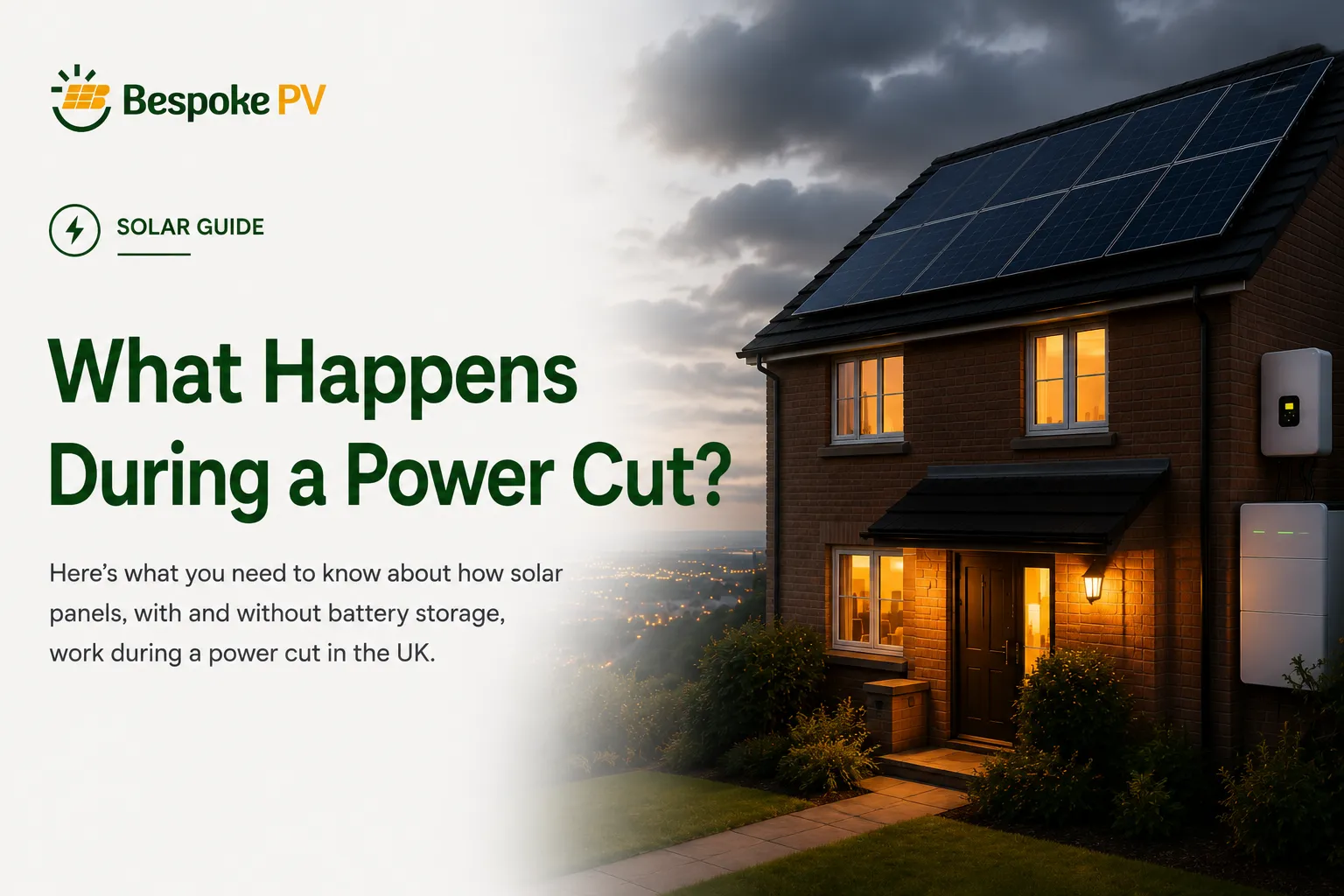
Battery storage does not automatically mean the home will keep running during a power cut.
Some battery systems can provide backup power, but this must be designed into the installation. The inverter, battery, wiring, isolation equipment, reserve settings and protected circuits all need to be suitable for backup operation.
For many homes, critical loads backup is more practical than attempting to power the whole property. Essential circuits such as lighting, refrigeration, broadband equipment, heating controls or selected sockets may be prioritised.
If backup power is important, it should be discussed before the system is specified.
A good design starts with the homeowner’s real objectives.
Before choosing equipment, it is worth considering:
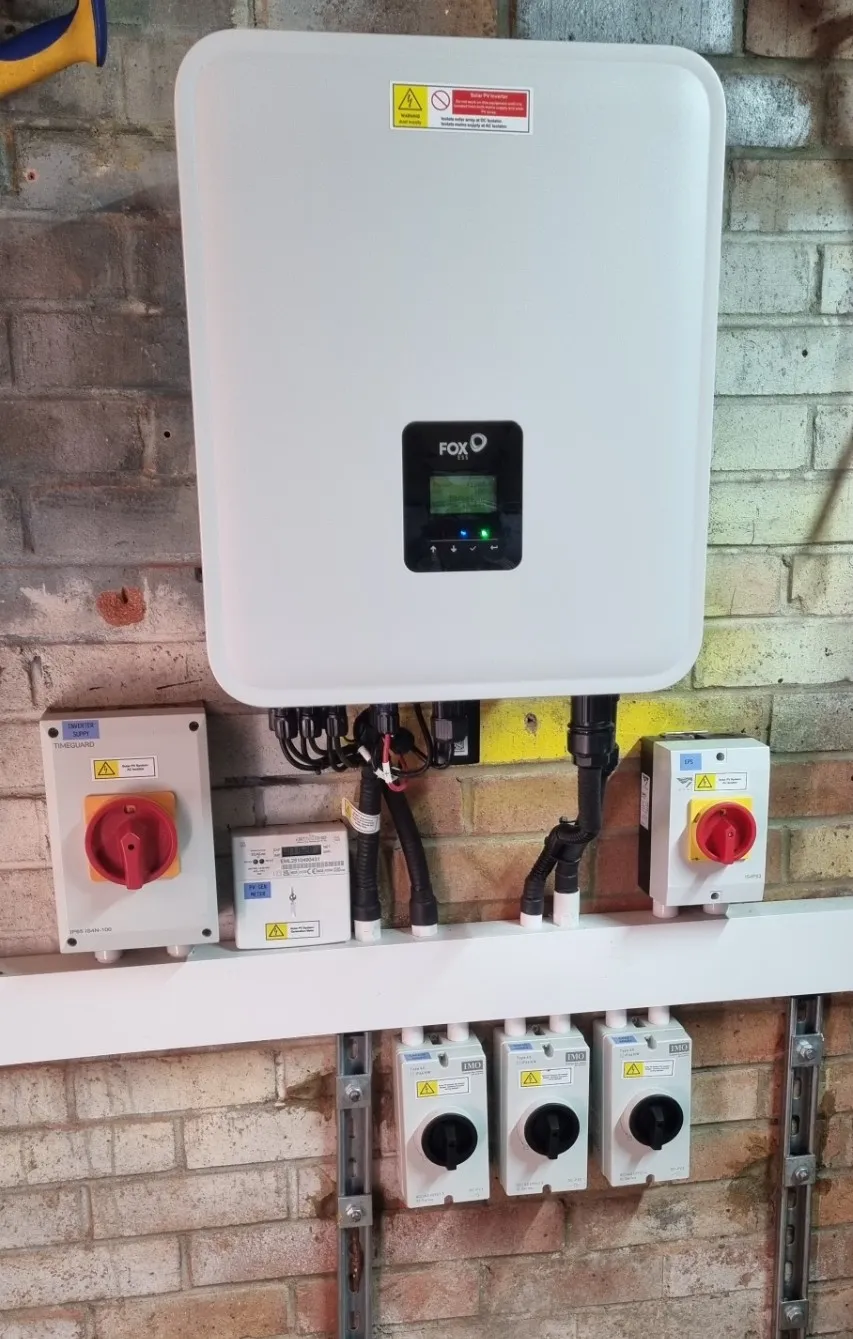
Many modern solar and battery systems use hybrid inverters that manage solar generation and battery storage together.
A hybrid inverter can provide a cleaner integrated design for new installations and can support future expansion when specified correctly.
In some retrofit situations, an AC-coupled battery may be more suitable, especially where an existing solar inverter is already installed and still performing well.
The right architecture depends on the property, existing equipment, future plans and backup requirements.
Both approaches can work, but planning ahead matters.
Solar panels and battery storage are long-term property infrastructure, not simply standalone products.
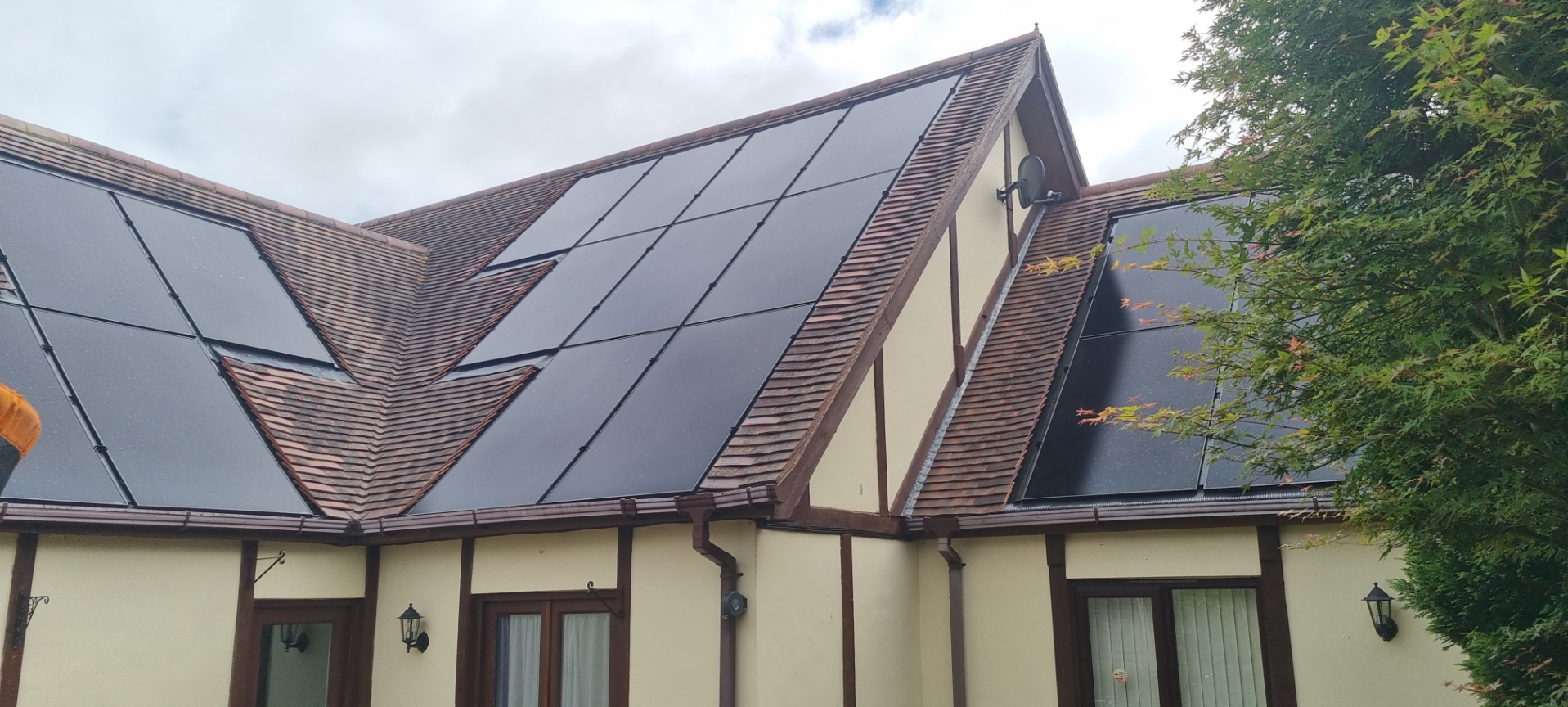
Good design should consider roof layout, shading, panel output, inverter capability, battery capacity, charge and discharge rates, monitoring, tariff strategy, backup requirements and future electrification.
The aim is to create a system that performs well in the real world, not just one that looks good on a quotation.
At Bespoke PV, we design solar and battery systems around the property, the customer’s usage profile and their long-term energy goals.
A joined-up system can provide more flexibility than solar panels alone.
Depending on the design, solar panels and battery storage may help with:
Explore more Bespoke PV guides covering battery sizing, EV charging, backup power and long-term energy planning.
No, but battery storage can improve self-consumption and reduce imported electricity usage.
In many cases yes, although compatibility and system design should be reviewed carefully.
Some systems can support backup functionality depending on the installed equipment and configuration.
It depends on electricity usage, tariff structure, export rates and long-term energy goals.
Some systems can charge from lower-cost off-peak electricity tariffs depending on system configuration.
Explore related Bespoke PV articles and renewable energy insights.
Explore renewable energy systems designed and installed by Bespoke PV.
Bespoke PV designs solar PV, battery storage and EV charging systems across Hampshire, Dorset and the South Coast.
Bespoke solar PV, battery storage and EV charging systems for Southampton homes and businesses, designed around roof space, usage and future energy plans.
Solar panels in Southampton →Bespoke solar PV, battery storage and EV charging systems for homes and businesses across Winchester and Hampshire.
Solar panels in Winchester →Solar PV, battery storage and EV charging systems for homes and businesses across Portsmouth and the South Coast.
Solar panels in Portsmouth →Solar PV, battery storage and EV charging systems for homes and businesses across Bournemouth and the South Coast.
Solar panels in Bournemouth →Bespoke PV designs solar PV, battery storage and EV charging systems across Hampshire, Dorset, Wiltshire and the South Coast.
Speak with Bespoke PV about designing a solar PV and battery storage system around your property, usage profile and long-term energy goals.