Electric Vehicles
EV charging can substantially increase household electricity consumption.

Many homeowners still focus heavily on simple solar payback calculations, but modern solar PV and battery storage systems are increasingly about long-term energy resilience, electricity price protection and greater control over household energy usage.
One of the most common questions homeowners ask is:
“How long will solar panels take to pay for themselves?”
It is a completely understandable question. Solar PV and battery storage systems are significant investments, and naturally people want to understand the financial return.
However, focusing only on payback period can sometimes miss the much bigger picture.
Increasingly, homeowners are not simply looking at solar panels as a short-term purchase. They are viewing renewable energy systems as long-term infrastructure for the property.
This broader perspective is becoming increasingly important as electricity prices, EV charging demand and wider household electrification continue evolving.
Most household spending provides little or no long-term return. Kitchens, bathrooms, vehicles and electronics all depreciate over time.
A professionally designed solar PV system, however, may continue generating electricity for decades.
That means the system may continue reducing imported electricity usage long after the initial installation cost has been absorbed.
This changes the conversation from “How quickly does it pay back?” to “How much future electricity cost exposure can I reduce over the next 20+ years?”
Increasingly, many homeowners are viewing solar and battery storage as strategic infrastructure investments rather than ordinary consumer purchases.
Solar payback calculations often oversimplify reality.
Many online solar calculators assume conditions that rarely remain fixed over the lifetime of a system.
In reality, household electricity demand often increases over time. Electric vehicles, heat pumps, home offices and wider electrification trends are all increasing domestic electricity usage across the UK.
This means solar generation and battery storage may become more valuable over time rather than less valuable.
EV charging can substantially increase household electricity consumption.
Low-carbon heating systems often increase electrical demand compared with traditional gas heating.
Smart homes, home offices and wider electrification continue increasing overall electricity usage.
We increasingly see customers prioritising long-term energy resilience and protection from future electricity price volatility, rather than focusing purely on simple payback calculations.
Many homeowners are now planning around future EV charging, battery storage expansion and wider household electrification.
One of the biggest limitations of simple payback calculations is the assumption that electricity pricing remains predictable.
Recent years have demonstrated how quickly global events, infrastructure constraints and wholesale market pressures can affect energy costs.
Long-term electricity pricing is inherently uncertain.
For many homeowners, solar PV and battery storage increasingly represent a way to reduce future exposure to volatile imported energy costs rather than simply chasing short-term savings.
This shift in mindset is becoming increasingly common as energy markets become less predictable.
Modern energy planning increasingly involves broader long-term considerations.
Renewable energy systems can provide value beyond simple financial return.
Money sitting in a savings account may generate modest interest, but it does not reduce household energy exposure.
A solar PV system, by contrast, may continuously offset imported electricity costs for many years.
While solar should not be viewed as a guaranteed financial product, many homeowners increasingly see renewable energy systems as a way to improve long-term energy control.
Wars, sanctions, supply disruption and global instability can significantly affect energy pricing.
Electricity prices can rise rapidly during periods of supply constraint or infrastructure stress.
More homeowners are now actively considering long-term energy resilience and self-sufficiency.
For some homeowners, energy security is now becoming just as important as financial return.
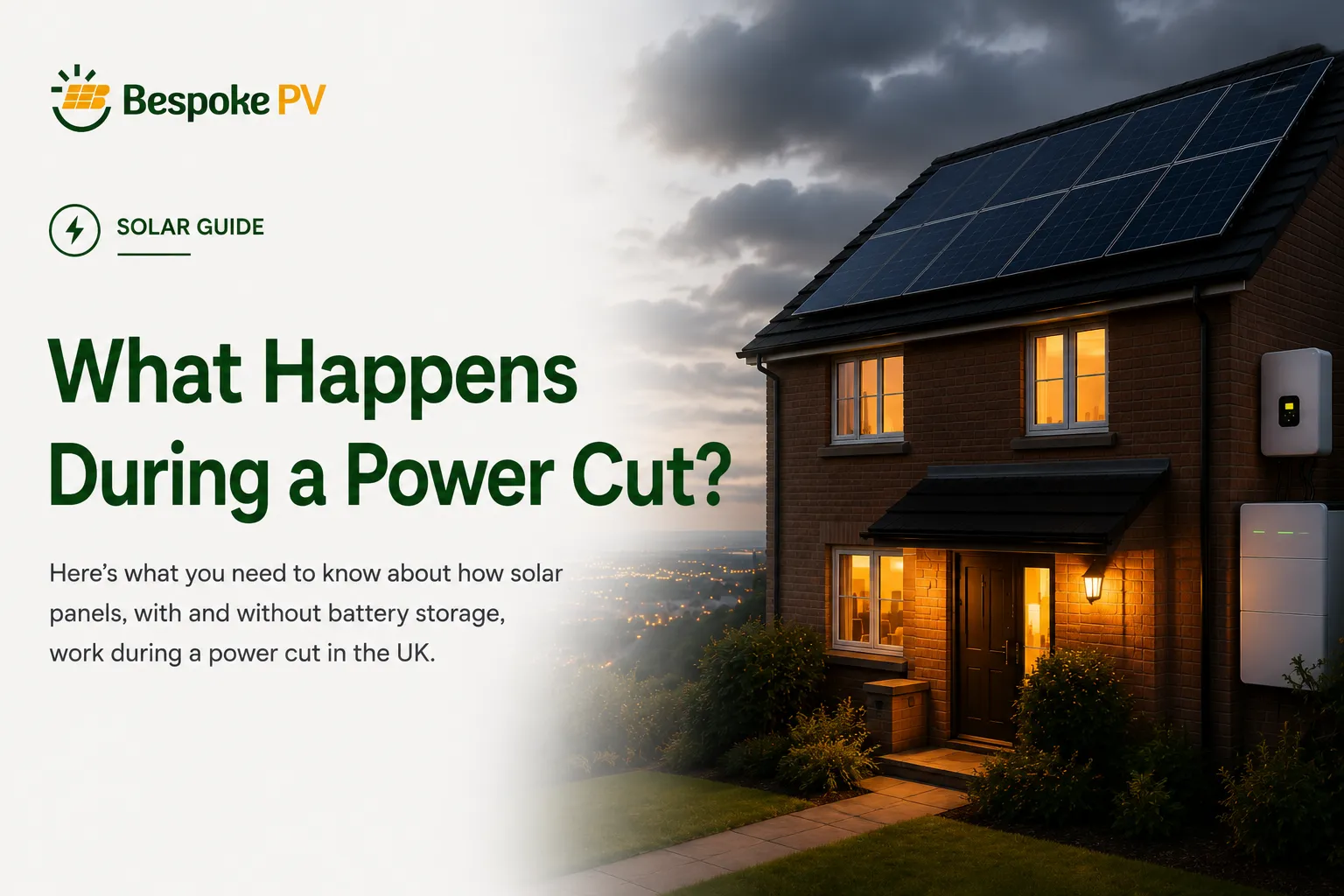
Grid interruptions can occur for many reasons including infrastructure faults, storms, accidental network disruption and wider supply issues.
While not all solar PV systems provide backup functionality, some battery storage systems can support essential household circuits during outages depending on the design.
This is one reason interest in battery storage has grown significantly in recent years.
As homes become increasingly dependent on electricity, resilience and backup capability are becoming more important considerations.
Battery systems increasingly form part of long-term household energy planning.
Battery systems increasingly support wider household energy flexibility.
Instead of relying entirely on imported grid electricity, homeowners can increasingly generate, store and manage electricity more intelligently.
This wider energy ecosystem is becoming more important as homes become increasingly electrified.
Modern systems may integrate battery storage, EV charging, heat pumps, smart tariffs and intelligent monitoring together.
The conversation is therefore increasingly shifting away from simple generation figures towards operational flexibility, resilience and long-term energy management.
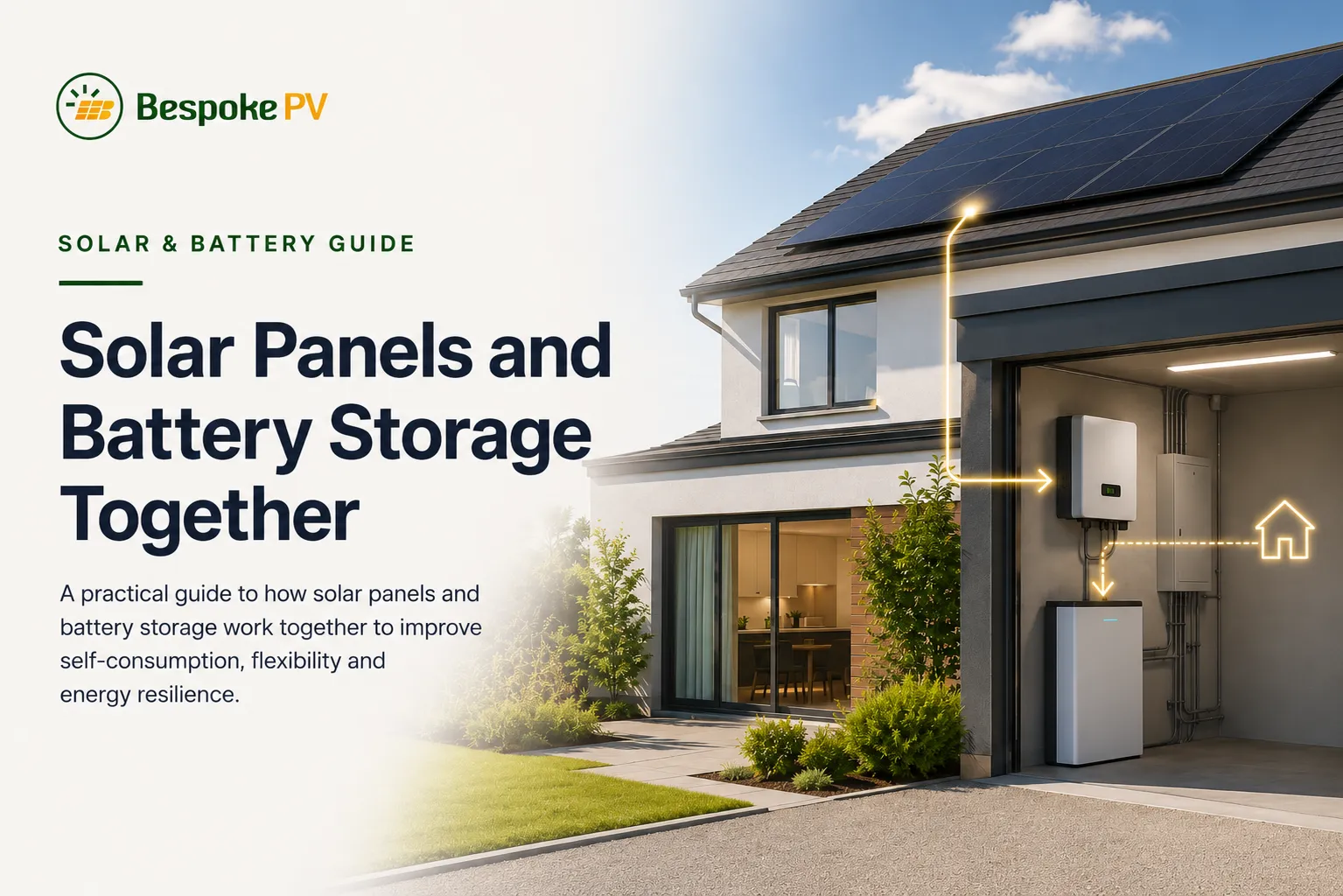
Read our guide: Solar Panels and Battery Storage Together
Modern households are changing how electricity is generated and consumed.
Electric vehicle adoption is increasing household electricity demand significantly.
Many homeowners who previously used relatively modest amounts of electricity may eventually consume far more once EV charging becomes part of daily life.
This means solar generation and battery storage may become increasingly valuable over time.
Systems originally sized around current electricity usage may later support much larger household energy requirements.
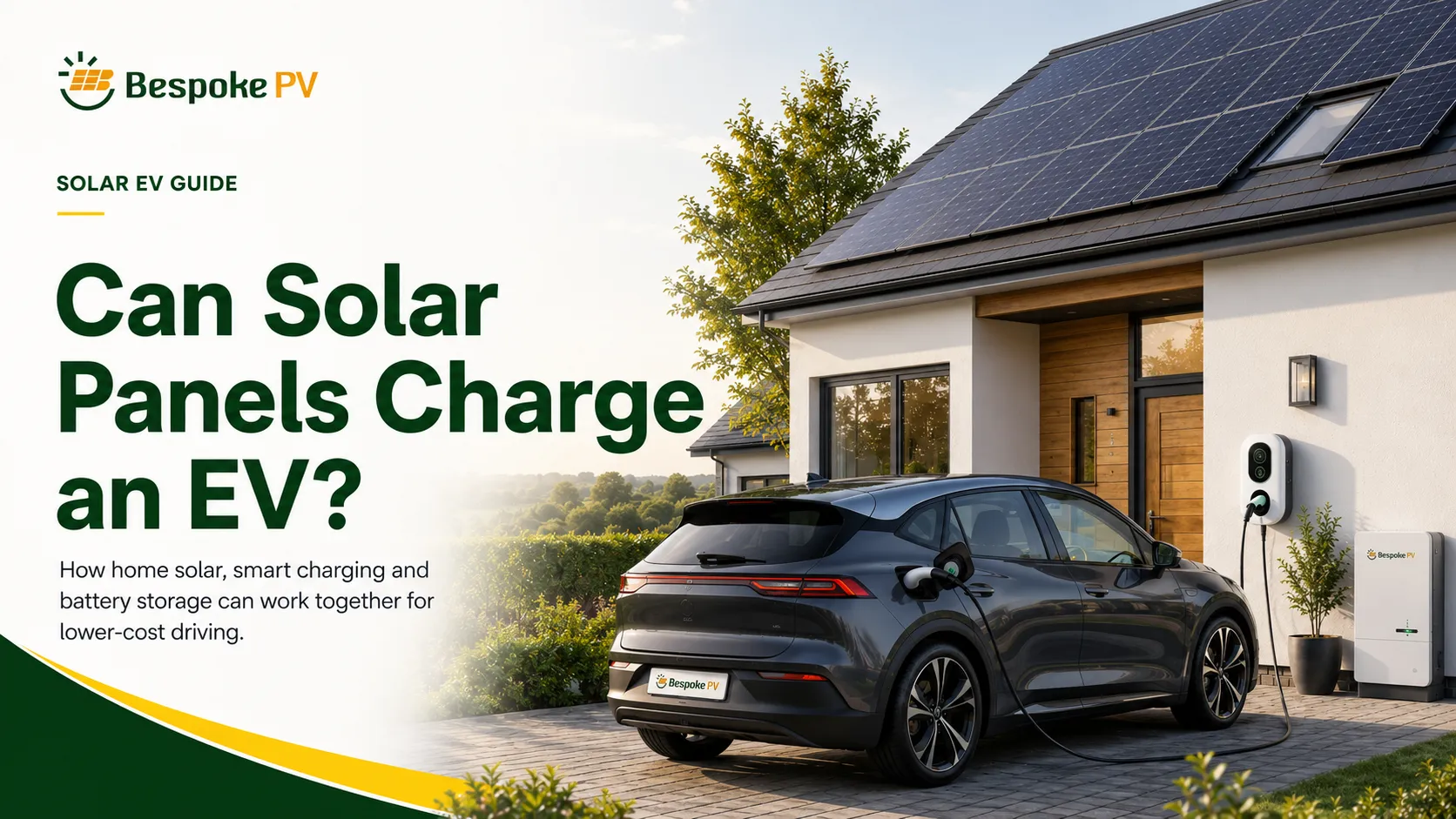
Read our guide: Can Solar Panels Charge an EV?
Heat pumps are another major factor influencing future electricity consumption.
As low-carbon heating adoption increases, many households are transitioning away from fossil-fuel-based heating systems towards electricity-driven heating.
This further increases the importance of long-term electricity planning, battery storage and intelligent energy management.
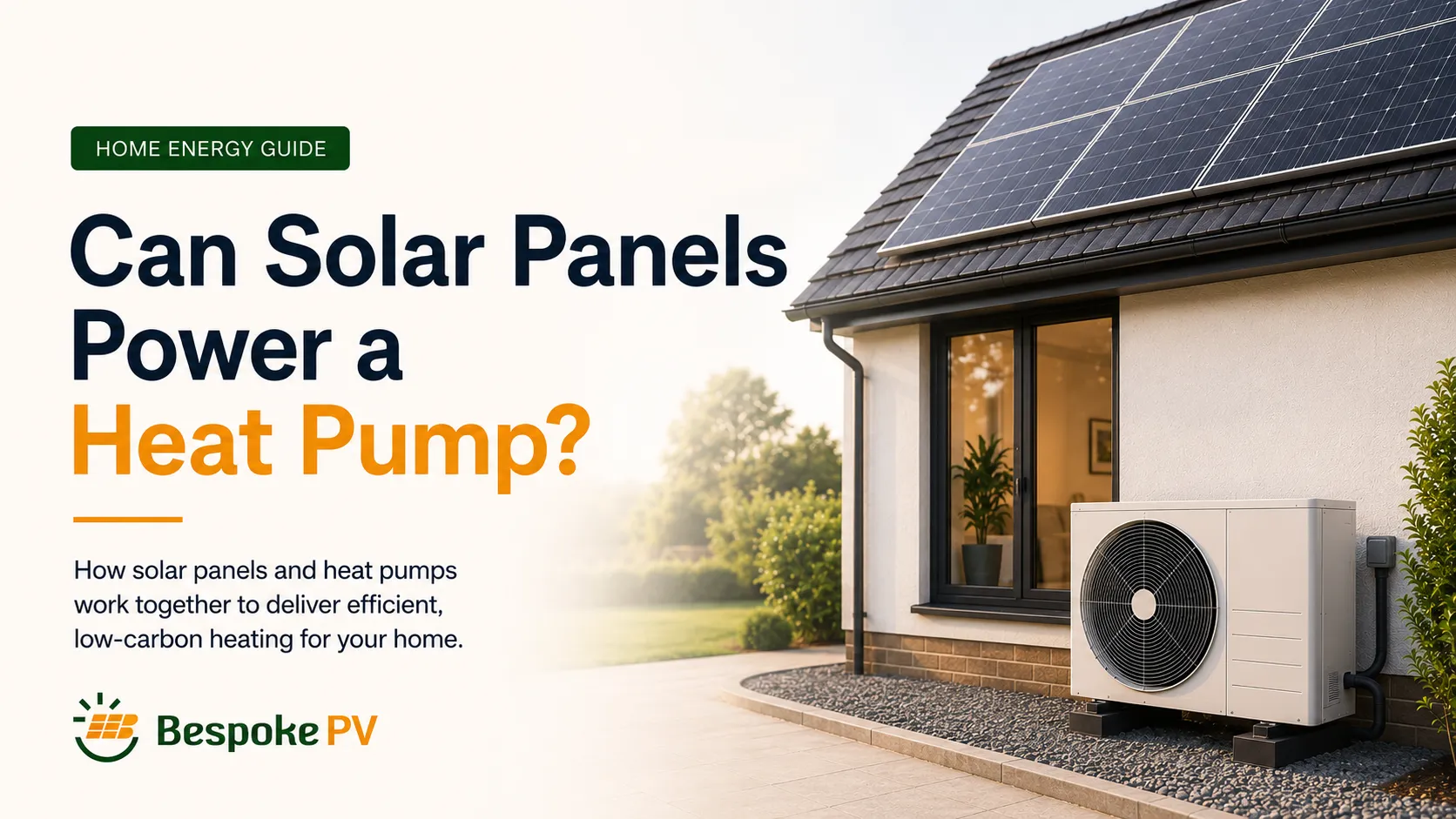
Read our guide: Can Solar Panels Power a Heat Pump?
Modern energy planning increasingly involves wider strategic thinking.
Increasingly, homeowners are asking broader questions about future energy exposure, resilience and flexibility.
Many homeowners are beginning to view solar PV systems in a similar way to insulation, heating systems or wider building infrastructure.
The goal is not always rapid short-term return alone.
Instead, many systems are designed around long-term property suitability, future electrification, resilience and operational flexibility.
As energy markets evolve, professionally integrated renewable energy systems may increasingly influence how properties are valued and operated over the long term.
Solar systems are increasingly viewed differently from ordinary household purchases.
Every property has different energy requirements, electricity usage patterns and long-term goals.
Professionally designed systems should consider battery storage integration, future EV charging, heat pump compatibility, monitoring systems, tariff optimisation and long-term scalability.
The strongest systems are usually those designed around future household energy evolution rather than current consumption alone.
As homes become increasingly electrified, long-term flexibility and intelligent system design are becoming more important than ever.
Every property has different long-term energy requirements.
Bespoke PV designs solar PV and battery storage systems focused on long-term resilience, future electrification and intelligent energy management.
Explore more Bespoke PV guides covering energy resilience, battery storage and future household electrification.
Many homeowners value solar for long-term energy independence, electricity cost reduction and future resilience rather than focusing purely on short-term payback.
Some systems can provide backup capability during outages, depending on the equipment and installation design.
Yes. International instability and supply disruption can influence energy pricing and electricity costs.
No. Many homeowners also value energy resilience, sustainability and reduced dependence on the grid.
Battery storage can help retain more solar electricity on-site, reducing reliance on imported grid electricity.
Explore related Bespoke PV articles and renewable energy insights.
Explore renewable energy systems designed and installed by Bespoke PV.
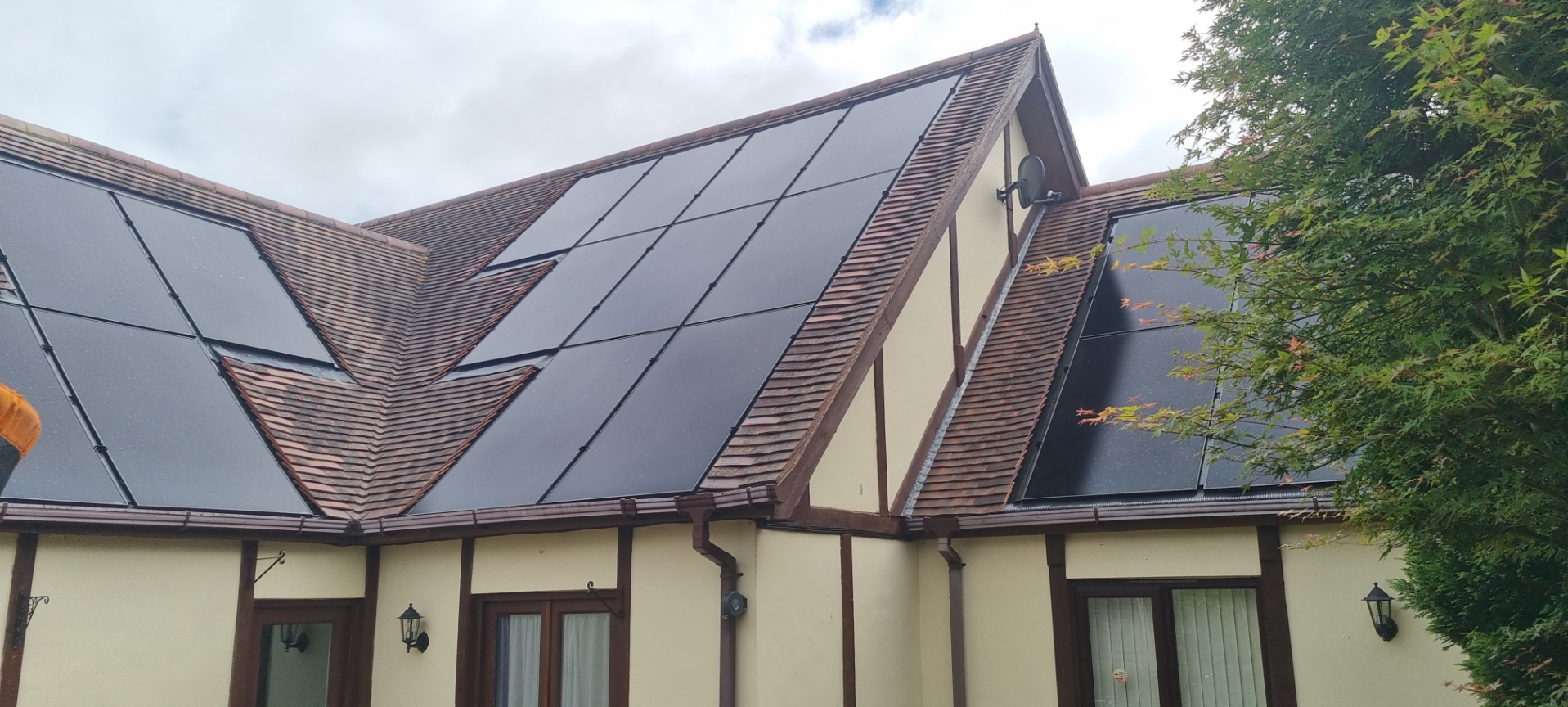

Bespoke PV designs solar PV, battery storage and EV charging systems across Hampshire, Dorset and the South Coast.
Bespoke solar PV, battery storage and EV charging systems for Southampton homes and businesses, designed around roof space, usage and future energy plans.
Solar panels in Southampton →Bespoke solar PV, battery storage and EV charging systems for homes and businesses across Winchester and Hampshire.
Solar panels in Winchester →Solar PV, battery storage and EV charging systems for homes and businesses across Portsmouth and the South Coast.
Solar panels in Portsmouth →Solar PV, battery storage and EV charging systems for homes and businesses across Bournemouth and the South Coast.
Solar panels in Bournemouth →Bespoke PV designs solar PV, battery storage and EV charging systems across Hampshire, Dorset, Wiltshire and the South Coast.
Speak with Bespoke PV about solar PV, battery storage and long-term energy resilience.