Capacity (kWh)
How much energy can be stored.

Battery capacity often receives most of the attention when comparing home energy storage systems. However, battery voltage can have a major influence on charging performance, discharge capability and how effectively stored energy can be used throughout the home.
Battery systems are typically advertised using kilowatt-hours (kWh).
This figure represents how much energy can be stored.
While storage capacity is important, it only tells part of the story.
Two batteries with identical storage capacities may perform very differently depending on their voltage architecture, inverter design and power delivery capability.
In many situations, how quickly energy can move into and out of the battery can be just as important as the amount of energy stored.
How much energy can be stored.
How quickly energy can be stored.
How quickly energy can be delivered back to the home.
Most low voltage battery systems operate at around 48V.
These systems have been widely used for many years and remain common within residential battery storage.
Low voltage systems can provide excellent performance when correctly designed, but delivering higher power levels requires significantly higher current flows.
As power demands increase, system design becomes increasingly constrained by the current that must be carried through cables, switches and electronic components.
High voltage battery systems typically operate at several hundred volts rather than a few dozen volts.
By increasing voltage, the same amount of power can be transferred using significantly lower current.
This allows the battery and inverter system to move energy more efficiently while reducing electrical stresses throughout the system.
As a result, high voltage architectures have become increasingly common in modern battery storage installations.
A useful way to think about electricity is that power is created by combining voltage and current.
When voltage increases, the same amount of power can be delivered with less current.
This makes it easier to support higher charging rates, higher discharge rates and greater overall system capability.
For homeowners, the practical result is often improved performance rather than simply improved efficiency.
These are often confused when comparing batteries.
Imagine a home with a heat pump, electric oven, kettle and EV charger operating during the same period.
The battery may contain plenty of stored energy, but if it cannot discharge energy quickly enough, the property may still need to import electricity from the grid.
This is one of the most overlooked aspects of battery system design.
The amount of stored energy available is only part of the equation. The rate at which that energy can be delivered is equally important.
Consider two battery storage systems, each with 20kWh of usable storage.
On paper, both appear identical.
However, one system uses a low voltage battery paired with a 5kW inverter, while the other uses a high voltage battery paired with a 10kW inverter.
Both systems contain the same amount of stored energy.
The difference is how quickly that energy can be delivered.
The 5kW system can supply up to 5kW of household demand before additional power must be imported from the grid.
The 10kW system can supply twice as much power before grid imports become necessary.
In practice, this can dramatically change how much of the home's energy demand can actually be supplied from stored energy.
Storage capacity alone does not determine performance.
Historically, many homes relied heavily on gas for cooking, hot water and heating.
Today, electrification is changing household energy consumption patterns.
Electric vehicles, heat pumps and battery storage often receive most of the attention, but many homes are also replacing gas appliances with electric alternatives.
Electric hobs, electric ovens and electric hot water systems can all contribute significantly to peak electricity demand.
As homes become increasingly electrified, battery systems are being asked to support much larger loads than many traditional solar designs ever anticipated.
Modern homes can draw significant amounts of power even without EV charging.
Imagine a typical evening scenario.
Dinner is being cooked using an electric hob and oven.
The kettle is boiling.
The dishwasher is running.
A washing machine cycle is underway.
The tumble dryer is operating.
At the same time, the property's heat pump is maintaining indoor temperatures.
None of these activities are unusual in a modern home.
Combined, they can easily exceed 10kW of demand and may occasionally reach considerably higher levels.
A battery system may still contain plenty of stored energy, but if the inverter and battery architecture cannot deliver sufficient power, electricity must still be imported from the grid.
This is why discharge capability often matters just as much as storage capacity.
The question is not simply how much energy is stored, but how much of the home's demand can be supplied at any given moment.
Charging performance is becoming increasingly important as homeowners adopt smart electricity tariffs.
Many off-peak tariff windows are limited to a few hours.
A battery system capable of charging rapidly may be able to store more low-cost electricity during these periods.
This can improve tariff optimisation opportunities and provide greater flexibility throughout the day.
The future of home energy is not simply about storing more electricity.
It is about moving larger amounts of energy around the property when required.
As electrification accelerates, power capability is becoming just as important as storage capacity.
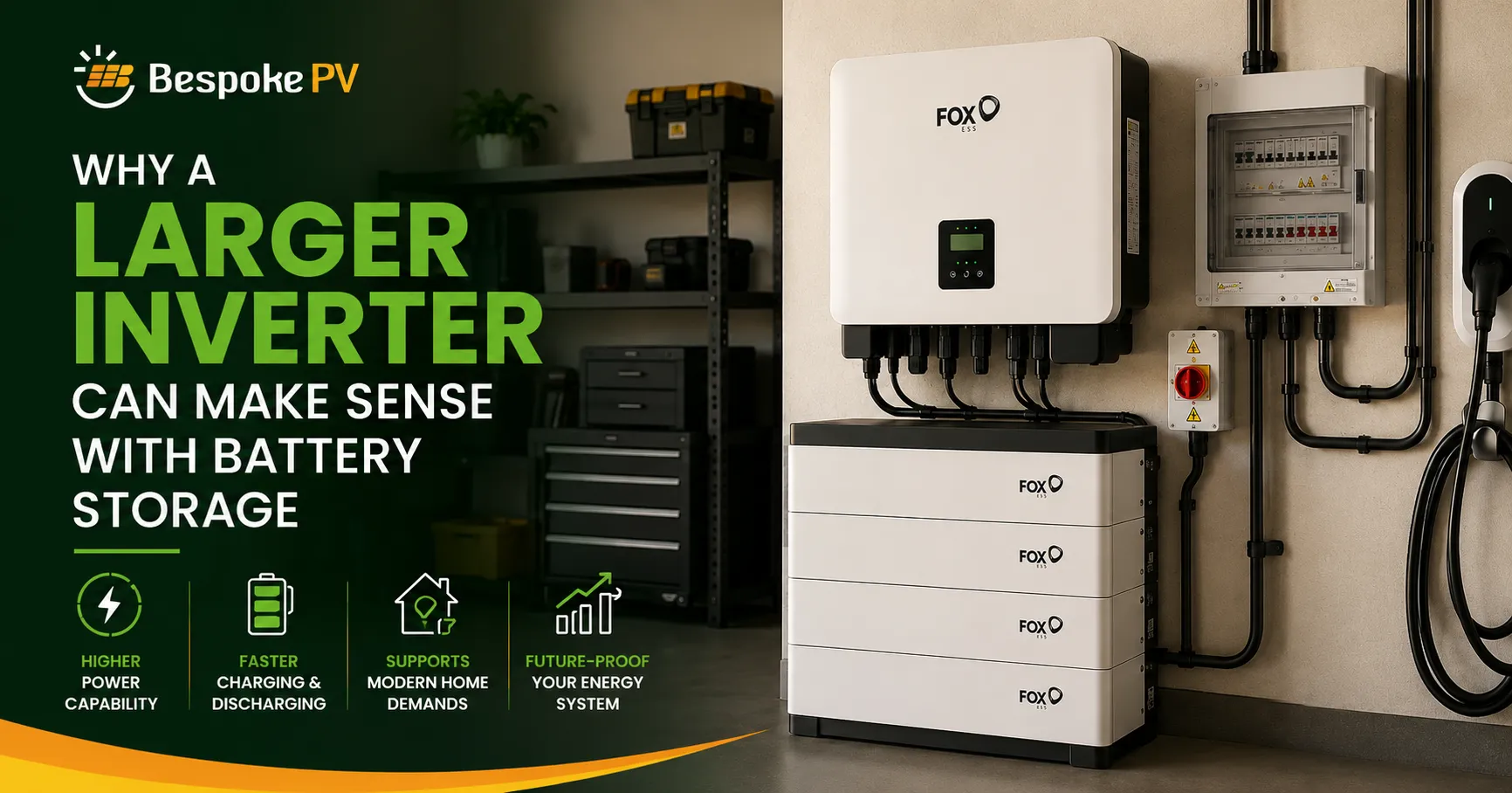
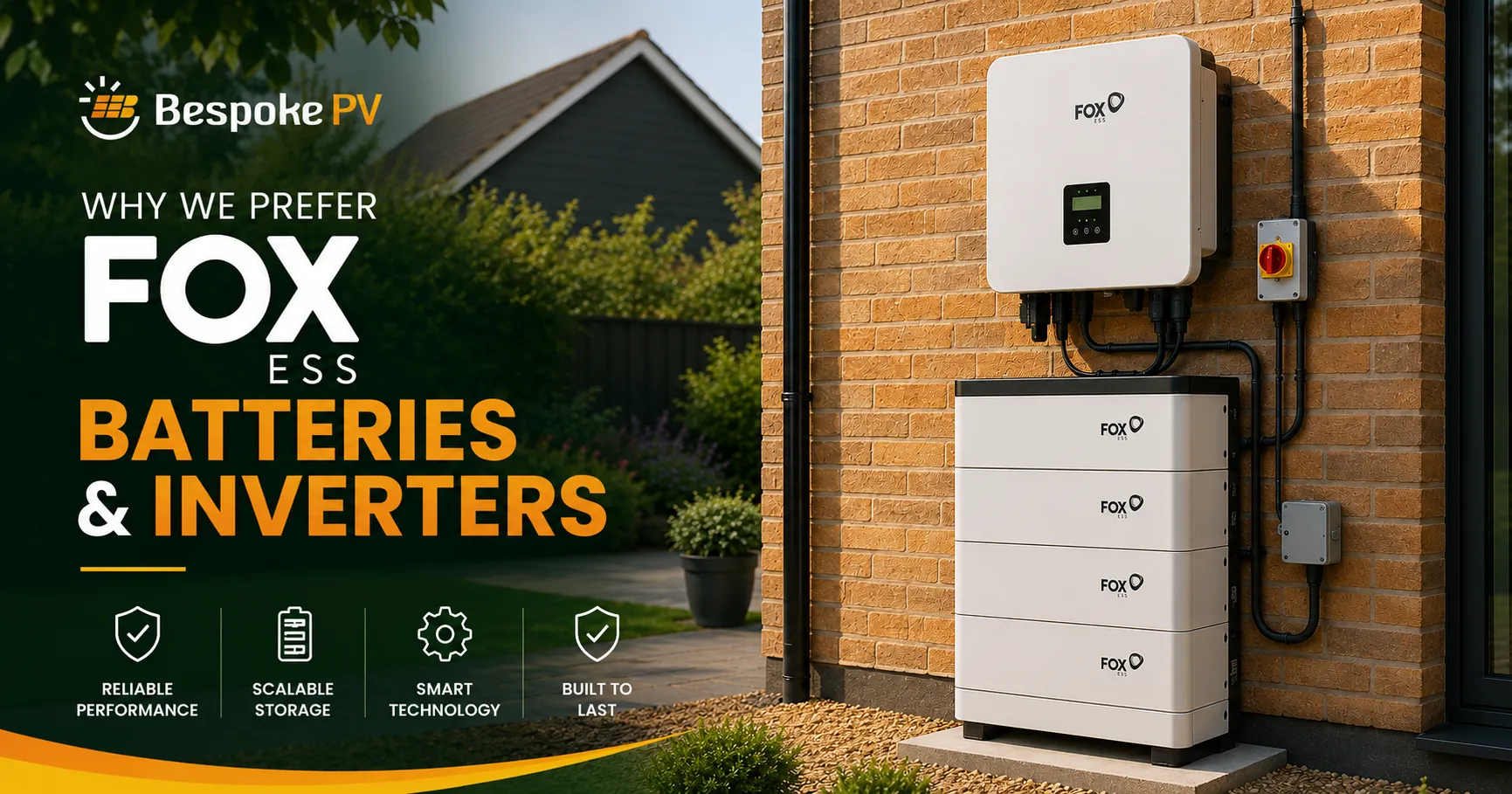
This is one reason we increasingly favour high-voltage battery systems paired with appropriately sized hybrid inverters for many modern installations.
Every home is different, but higher power systems can be advantageous in many situations.
Many homeowners focus heavily on battery capacity because it is easy to understand.
In practice, charge rates and discharge rates often have a greater impact on how useful a battery feels during everyday operation.
A battery that can rapidly absorb and deliver energy may provide a significantly better user experience than a larger battery with limited power capability.
As homes become increasingly electrified, battery systems are being asked to do much more than simply store excess solar energy.
Heat pumps, EV charging, smart tariffs and backup power capabilities all increase demands on battery infrastructure.
High voltage systems are often better suited to supporting these higher power flows and are becoming increasingly common within premium residential installations.
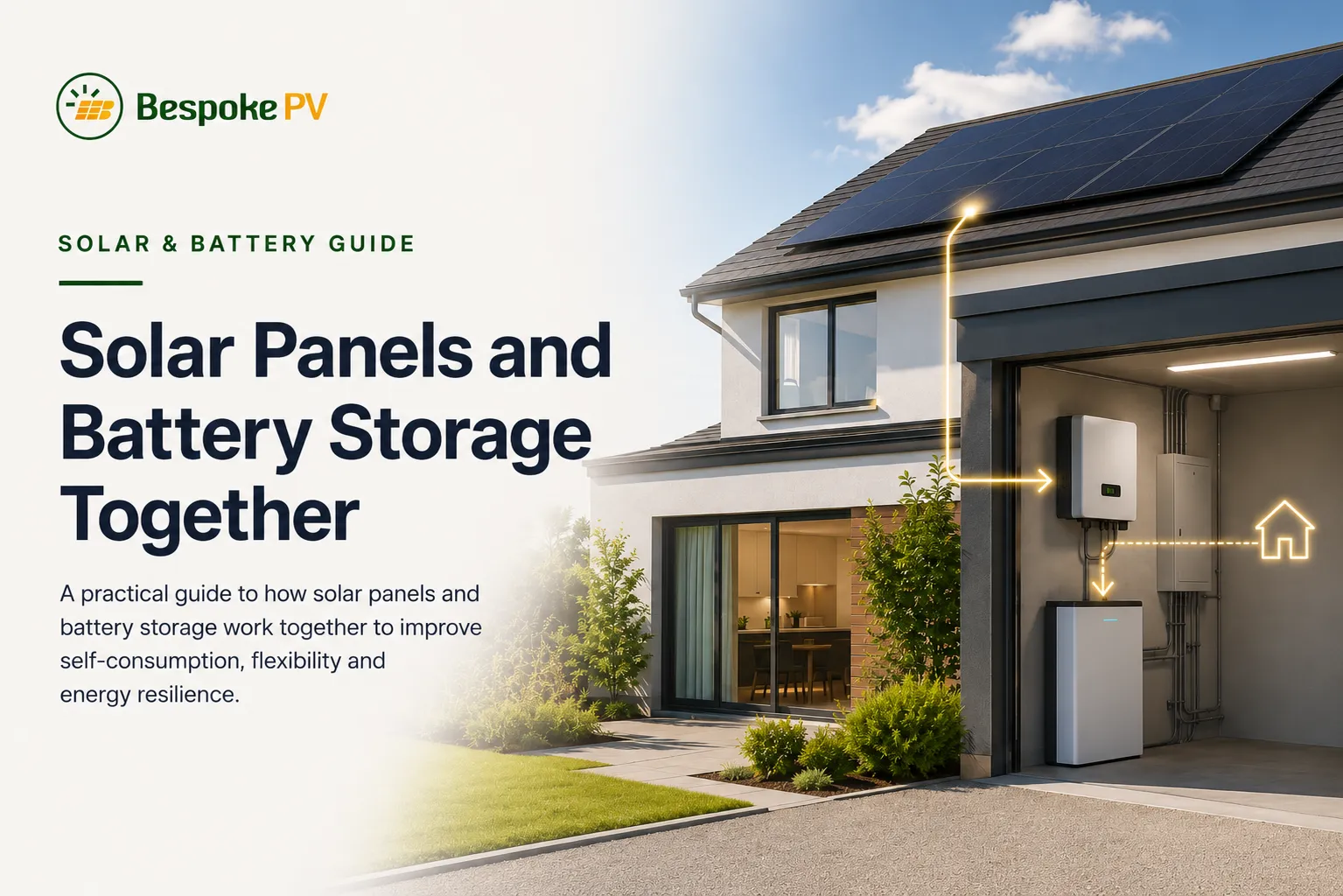
Battery systems are increasingly becoming central energy hubs.
The right battery system is not determined solely by storage capacity.
Charge rates, discharge rates, inverter capability, future electricity demand and wider system design all influence real-world performance.
For many homeowners, selecting a battery that can move energy efficiently may be just as important as selecting one that can store large amounts of energy.
That's why battery voltage, inverter sizing and system architecture should all be considered alongside battery capacity when comparing storage solutions.
Explore more Bespoke PV articles covering battery storage, inverter selection and future energy planning.
The primary difference is operating voltage. High voltage battery systems typically operate at several hundred volts, while low voltage systems often operate around 48V.
Yes. Battery voltage can influence charging rates, discharge rates and the overall power capability of the system.
Both are important. Capacity determines how much energy can be stored, while power determines how quickly that energy can be delivered to the home.
Yes. Two batteries with identical storage capacities may have very different charging and discharge capabilities depending on their design and voltage architecture.
Discharge rate determines how much power a battery can deliver at any given moment. This affects how much of a home's demand can be supplied from stored energy.
Yes. If household demand exceeds the battery's discharge capability, electricity may still need to be imported from the grid even when stored energy remains available.
Charging rates influence how quickly a battery can store energy from solar panels or low-cost electricity tariff periods.
Yes. Faster charging can allow more low-cost electricity to be stored during limited off-peak tariff windows.
In many systems, high voltage battery architectures are better suited to supporting higher charging and discharge power levels.
As homes become increasingly electrified, many battery systems are being designed to support larger energy flows, higher power demands and greater flexibility.
Electric hobs, electric ovens, electric showers, kettles, tumble dryers, washing machines, dishwashers, heat pumps and EV chargers can all contribute significantly to peak demand.
Yes. Simultaneous operation of multiple appliances can create demand levels that exceed the discharge capability of some battery systems.
Not necessarily. Storage capacity is only one factor. Charge rates, discharge rates, inverter sizing and system design also influence performance.
Yes. Even a large battery may be unable to support all household loads if its discharge power is limited.
kWh measures stored energy capacity, while kW measures power. Capacity affects how long energy lasts, while power affects how quickly energy can be delivered.
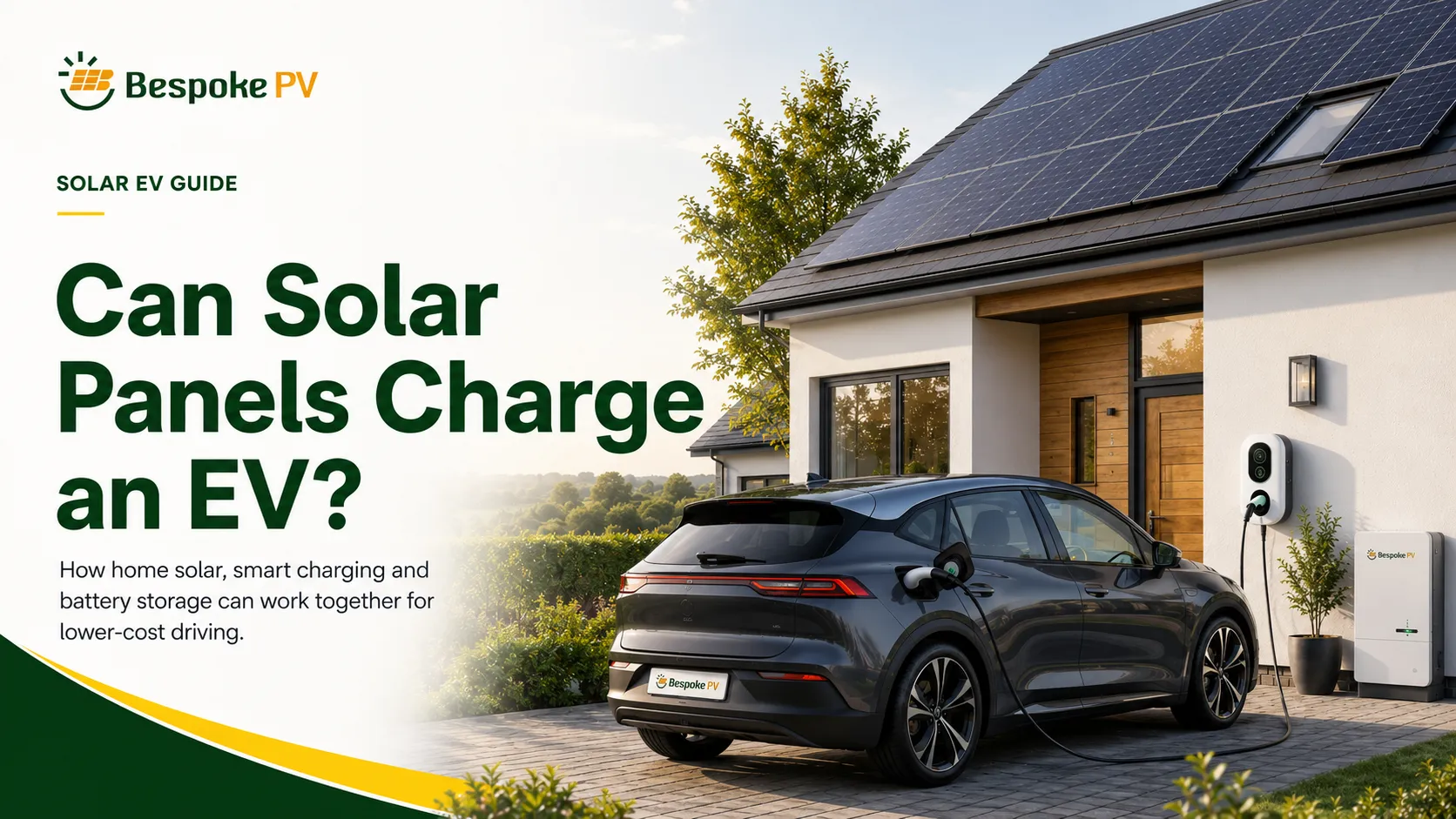
Heat pumps, EV charging, electric cooking and wider electrification can significantly increase electricity demand and should be considered when selecting battery storage systems.
Many high voltage systems are well suited to supporting the larger power flows often associated with heat pumps, EV charging and other high-demand applications.
Indirectly, yes. The ability to move energy quickly enough to meet household demand can influence how effectively stored energy is utilised.
Power capability influences charging speed, discharge performance and how much of the property's electricity demand can be supplied from stored energy.
Battery capacity, charging rates, discharge rates, voltage architecture, inverter capability, future electrification plans and overall system design should all be considered.
Explore related Bespoke PV articles and renewable energy insights.
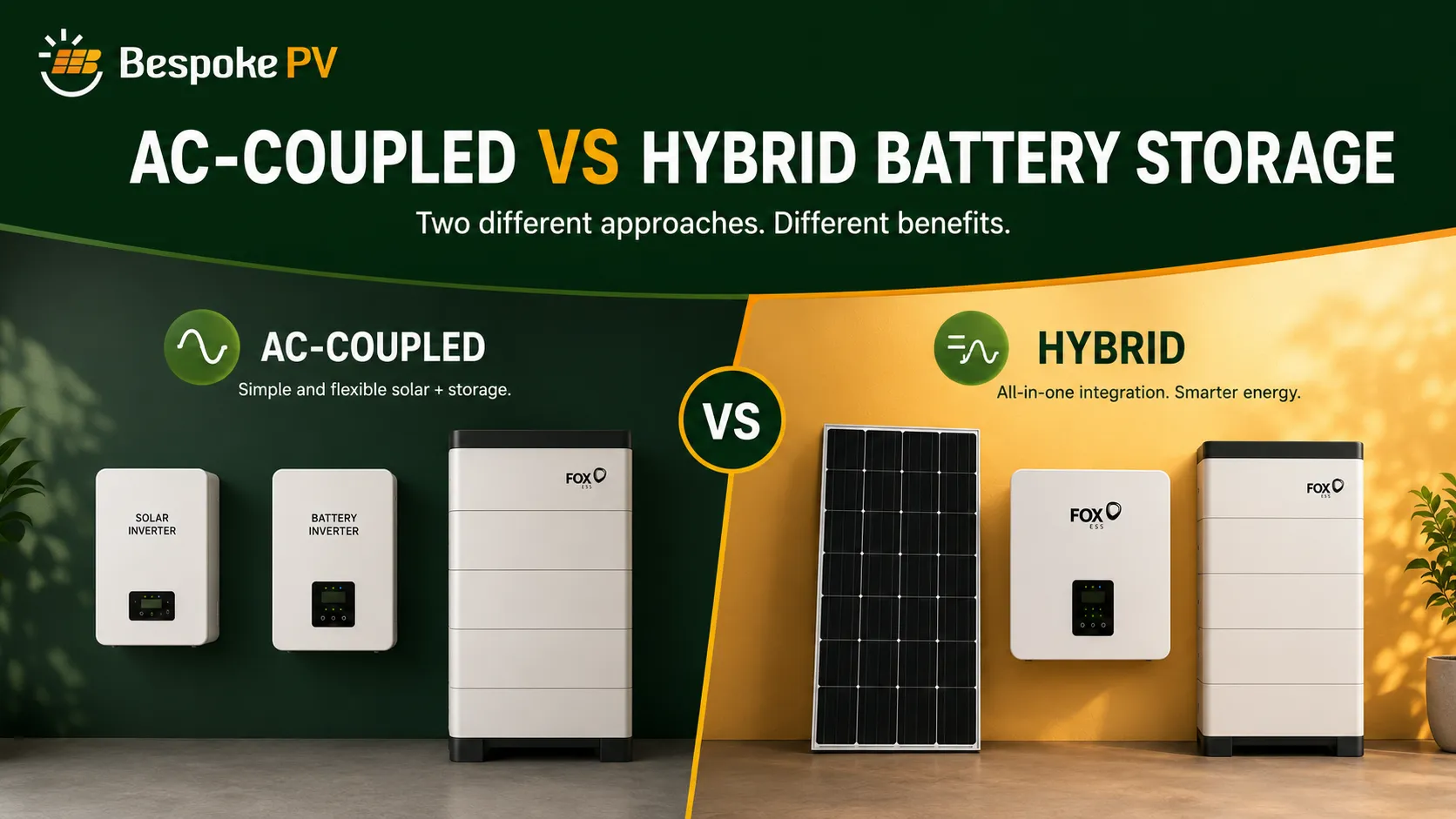
Explore renewable energy systems designed and installed by Bespoke PV.
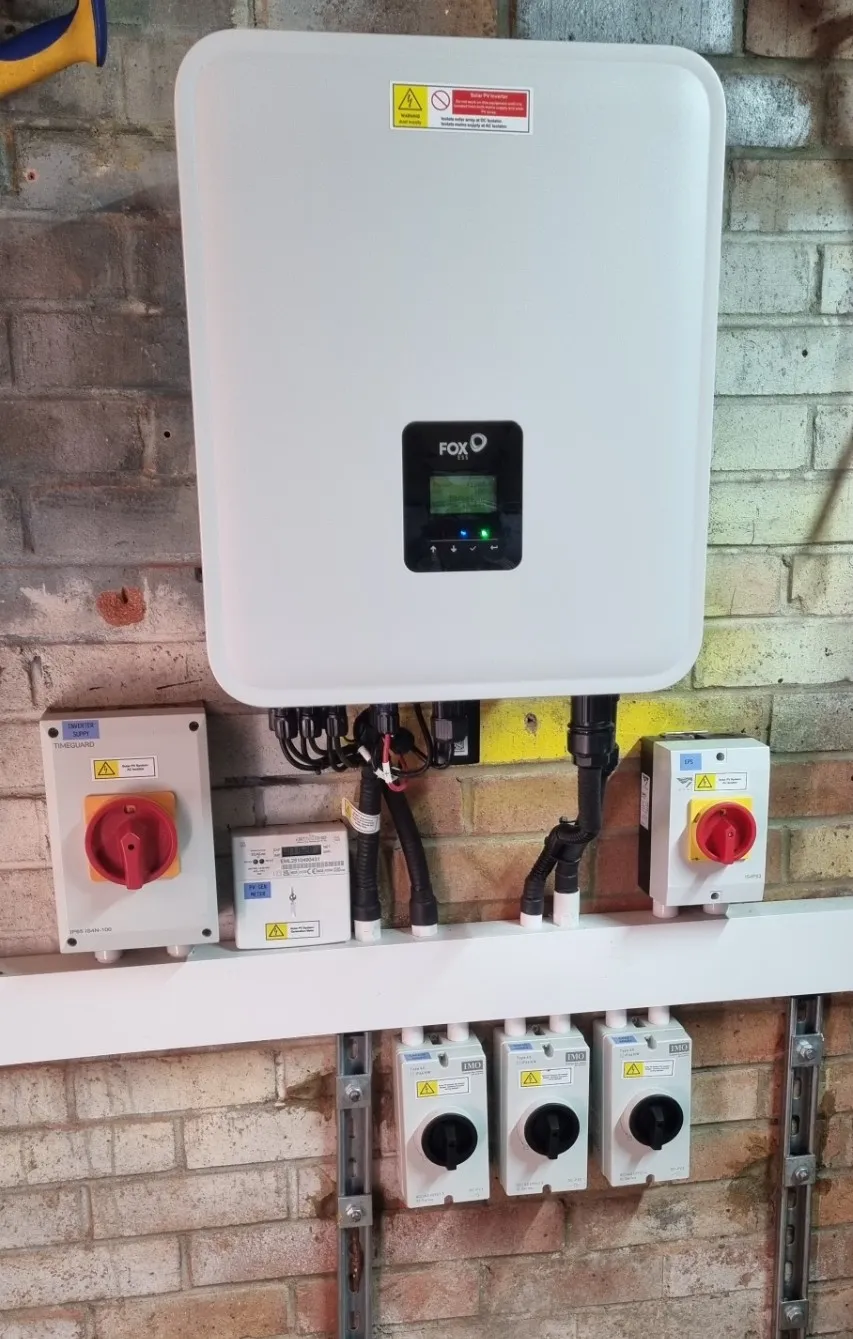
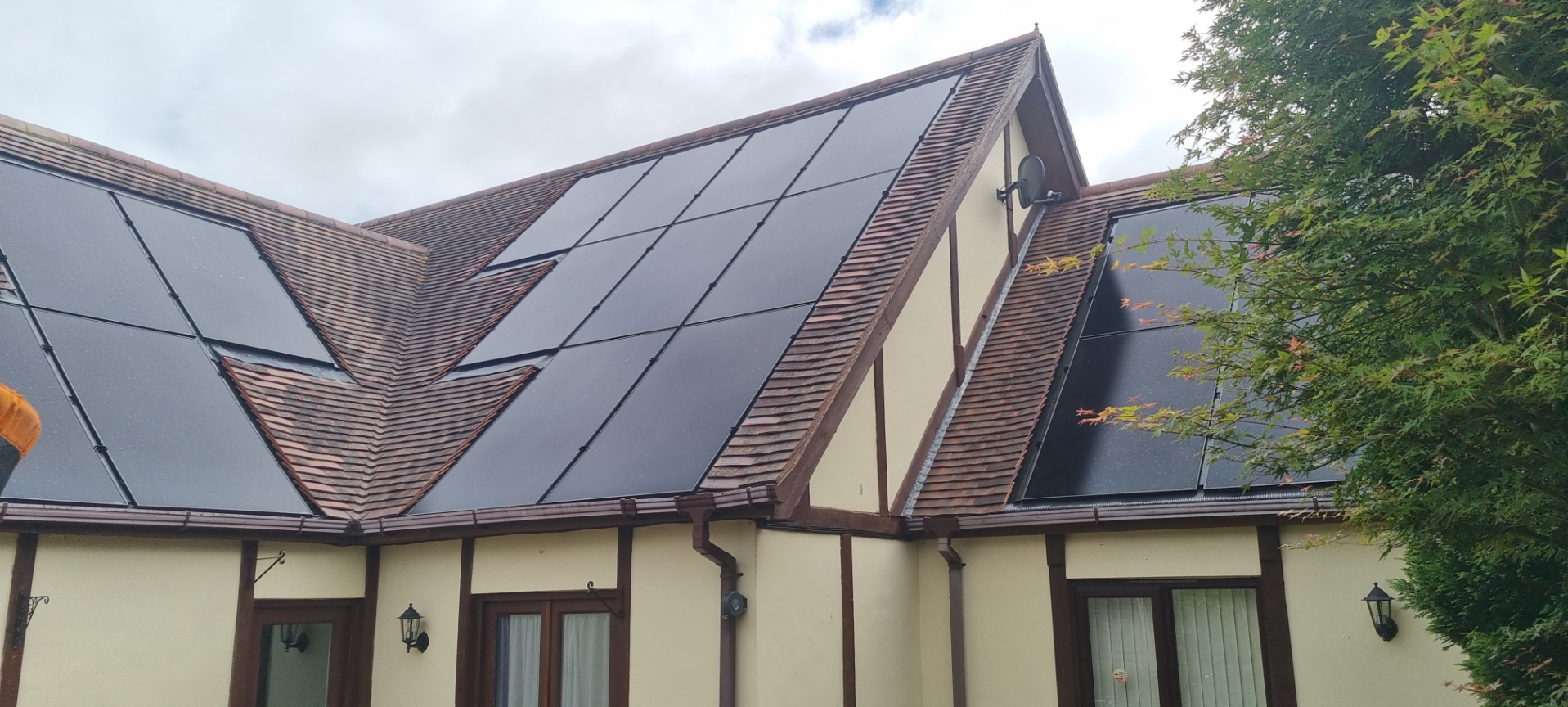
Bespoke PV designs solar PV, battery storage and EV charging systems across Hampshire, Dorset and the South Coast.
Bespoke solar PV, battery storage and EV charging systems for Southampton homes and businesses, designed around roof space, usage and future energy plans.
Solar panels in Southampton →Bespoke solar PV, battery storage and EV charging systems for homes and businesses across Winchester and Hampshire.
Solar panels in Winchester →Solar PV, battery storage and EV charging systems for homes and businesses across Portsmouth and the South Coast.
Solar panels in Portsmouth →Solar PV, battery storage and EV charging systems for homes and businesses across Bournemouth and the South Coast.
Solar panels in Bournemouth →Bespoke PV designs solar PV, battery storage and EV charging systems across Hampshire, Dorset, Wiltshire and the South Coast.
Speak with Bespoke PV about selecting the right battery and inverter combination for your home's current and future energy requirements.