Cheap Overnight Electricity
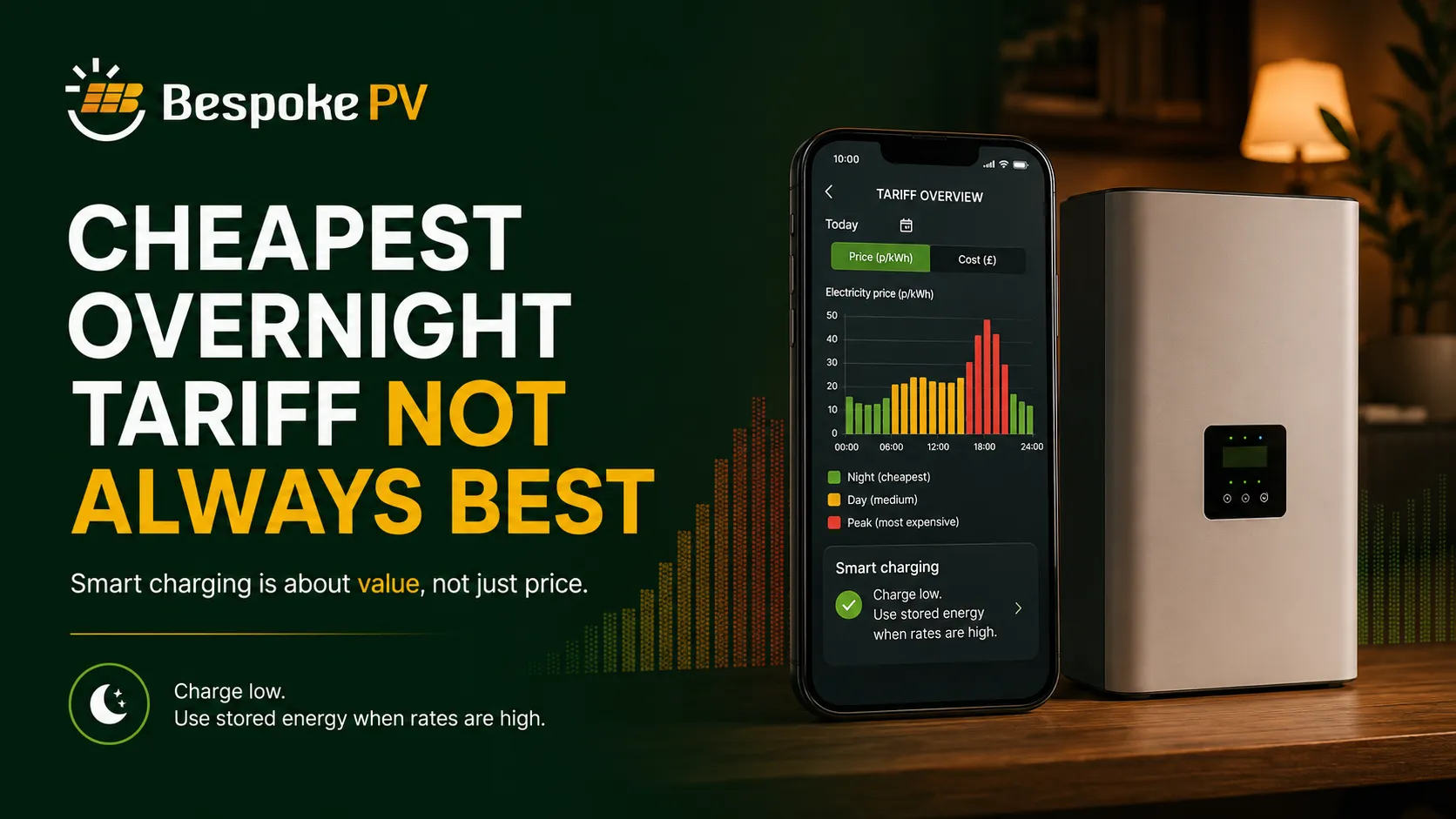
Charge the battery using lower-cost electricity.

One of the most common misconceptions about battery storage is that the battery should be large enough to power the home for an entire day. In reality, the most cost-effective battery size is often much smaller, particularly when using modern time-of-use electricity tariffs.
When considering battery storage, many homeowners start by asking how much electricity they use each day.
They then assume the battery should be large enough to store that entire amount.
While this may sound logical, it often leads to oversized systems that cost significantly more while delivering relatively little additional financial benefit.
The better question is not 'How much electricity do I use?'
It is 'Which electricity costs me the most money?'
Charge the battery using lower-cost electricity.
Use that energy later in the day.
Reduce purchases during expensive periods.
Optimise when electricity is bought rather than eliminating imports entirely.
Many battery installations are now driven by smart tariffs that offer very low overnight electricity rates.
However, these tariffs often include daytime and evening rates that are considerably higher than a traditional fixed tariff.
This creates an important design consideration.
The objective is not necessarily to avoid every peak-rate import.
Instead, the objective is to avoid enough expensive imports to make the tariff work in your favour overall.
Imagine a property that uses 20kWh per day.
A common assumption is that a 20kWh battery is needed.
In practice, a smaller battery may already avoid most of the expensive electricity purchases.
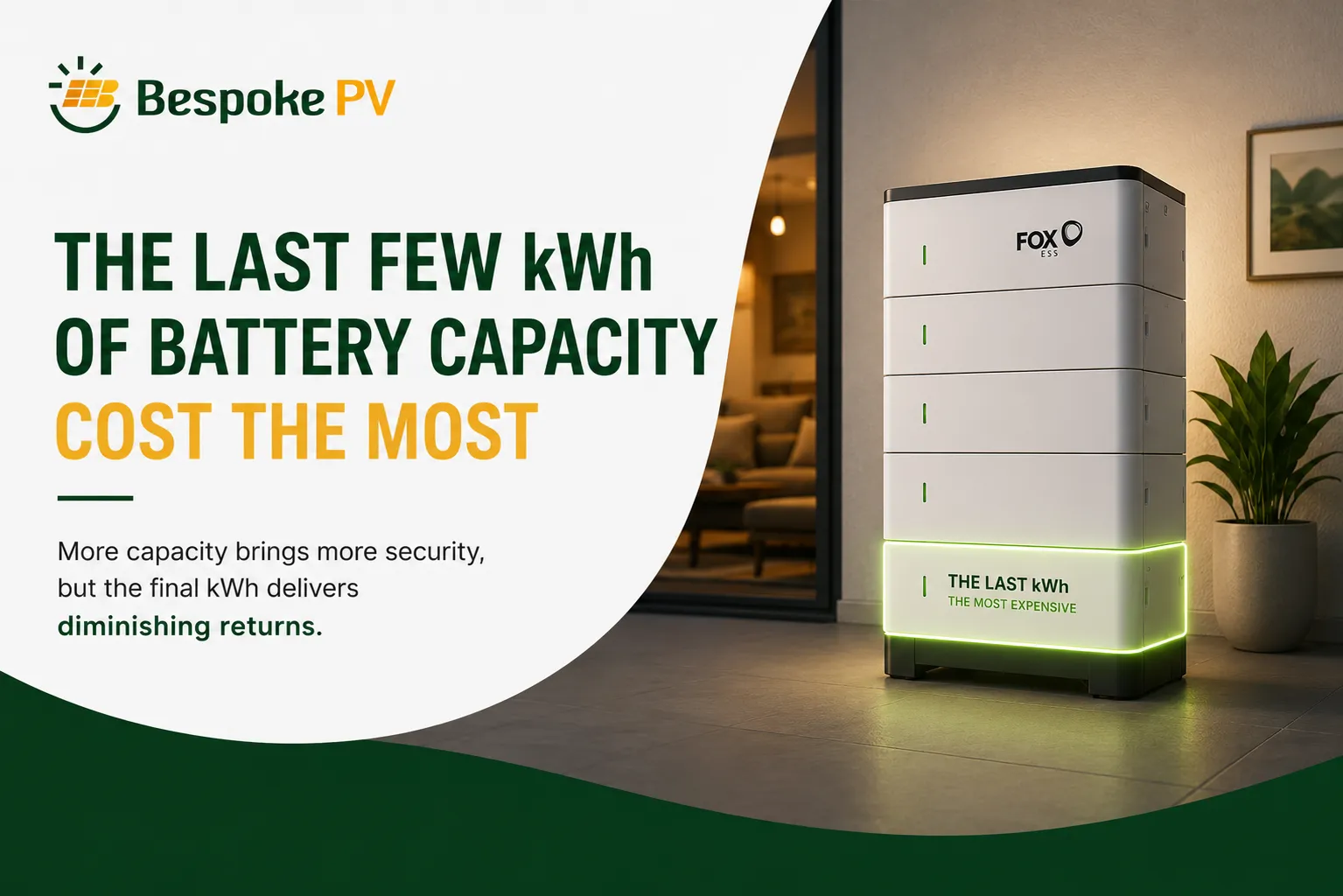
Increasing battery capacity further will reduce imports even more, but each additional kilowatt-hour of storage often produces a smaller financial benefit than the previous one.
Eventually, the cost of additional battery capacity can exceed the value of the electricity it helps avoid.
These are not always the same objective.
Consider a household using 20kWh per day.
A 10kWh battery may cover most of the highest-cost electricity periods after being charged overnight at a reduced tariff.
The household may still import some electricity later in the day.
However, if those imports represent only a few kilowatt-hours, the financial impact may be relatively small.
Doubling battery capacity may reduce those imports further, but often at a significantly greater capital cost.
The goal of battery storage is not necessarily energy independence.
For most homeowners, the goal is to minimise electricity costs.
Those objectives can lead to very different battery sizing decisions.
The economics can change significantly if battery storage is also expected to provide emergency backup power.
In a purely tariff-driven battery installation, the primary objective is often to minimise electricity costs.
However, some homeowners also want protection against power cuts.
In these situations, battery sizing may need to be driven by resilience requirements as well as financial considerations.
If maintaining power during a grid outage is an important design objective, sufficient stored energy must be available when the outage occurs.
A battery that is routinely discharged to maximise tariff savings may not have enough energy remaining to support essential household loads during an unexpected interruption to the electricity supply.
When discussing battery backup, it is important to understand that not all backup systems operate in the same way.
Some systems are designed to support only selected critical loads during a power cut.
Others are designed to provide whole-home backup, allowing much larger portions of the property to continue operating.
The difference can have a significant impact on battery sizing, inverter selection and reserve energy requirements.
This is one reason why backup power capability should always be considered during the design stage rather than treated as an afterthought.
Different backup strategies create very different design requirements.
Many homeowners choose to prioritise essential circuits during outages.
A battery capable of supporting critical loads for many hours may provide significantly less runtime when supporting an entire property.
Modern homes can contain a wide range of high-power appliances including electric hobs, electric ovens, kettles, dishwashers, washing machines, tumble dryers and EV chargers.
If multiple appliances are operating simultaneously, household demand can increase dramatically.
This means whole-home backup systems often require larger batteries, larger inverters and higher discharge capabilities than systems designed solely around tariff optimisation or critical load support.
Many modern battery systems allow homeowners to maintain a minimum reserve state of charge.
Rather than fully discharging the battery to maximise savings, part of the stored energy can be reserved exclusively for backup operation.
For example, a homeowner may choose to retain 20%, 30% or even 50% of battery capacity as an emergency reserve.
This reduces the amount of energy available for tariff optimisation but increases confidence that power will remain available if a grid outage occurs.
The appropriate reserve level depends on the property's critical loads, expected outage duration and overall resilience objectives.
The more important backup power becomes, the more valuable reserve capacity becomes.
For example, if a battery is routinely discharged to very low levels to maximise tariff savings, there may be little energy remaining when a power cut occurs.
Many modern battery systems allow a minimum state of charge to be reserved specifically for backup operation.
This reserve can help ensure that essential loads remain powered during unexpected outages.
The appropriate reserve level depends on whether the system is intended to support critical loads, whole-home backup or a combination of both.
Battery sizing should always reflect how the system will actually be used.
A battery designed purely for tariff optimisation may look very different from one designed to support critical loads during outages.
Similarly, a whole-home backup system will often require significantly greater power capability and energy storage than a system intended only to keep essential circuits operational.
Understanding these objectives at the design stage helps ensure the battery delivers the right balance of savings, resilience and future flexibility.
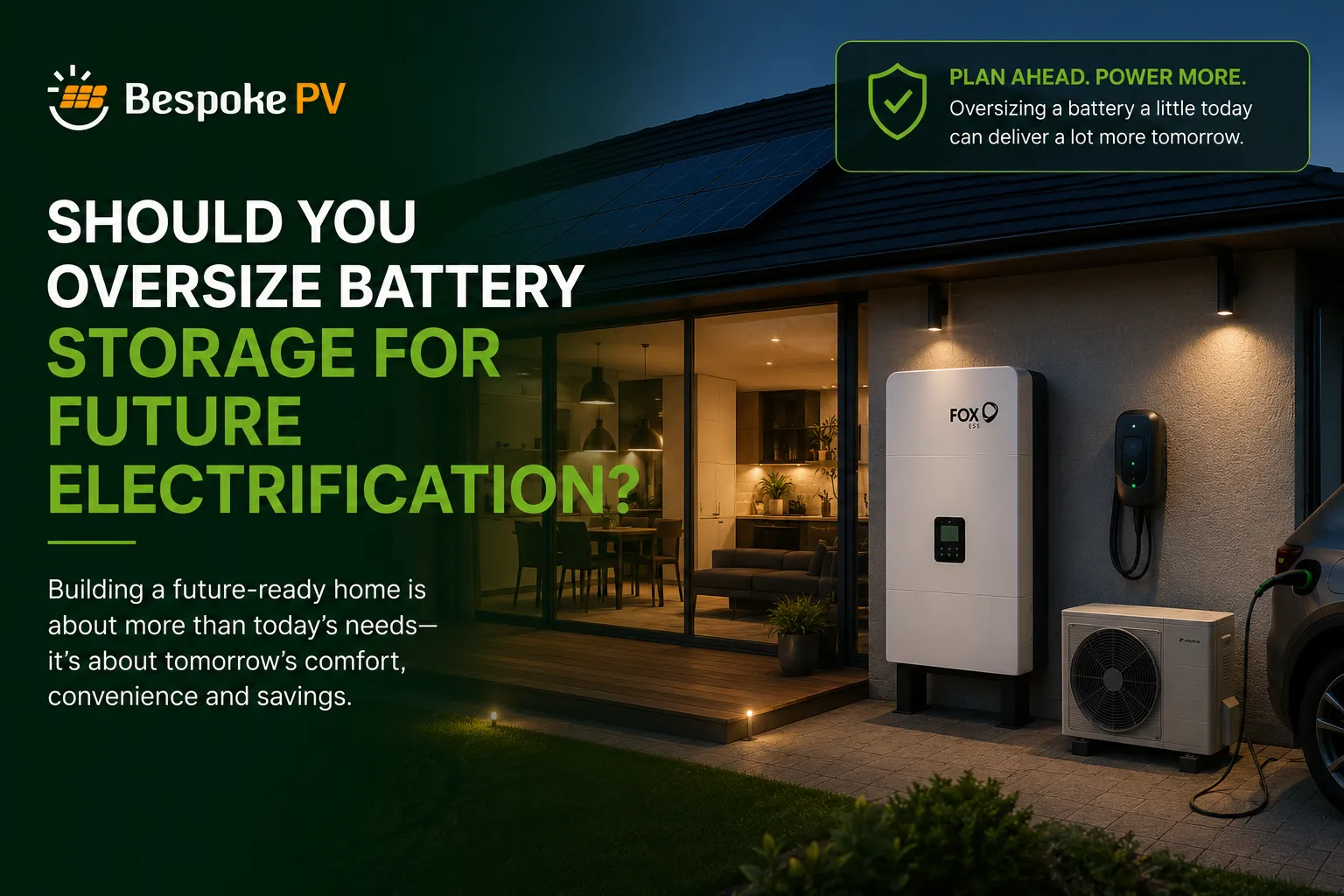
Battery systems are long-term investments.
The smart tariff available today may not be available in exactly the same form in five or ten years' time.
This is another reason why we often favour balanced system design rather than simply maximising battery capacity.
A battery should remain useful across a range of future tariff structures rather than being optimised solely around today's pricing model.
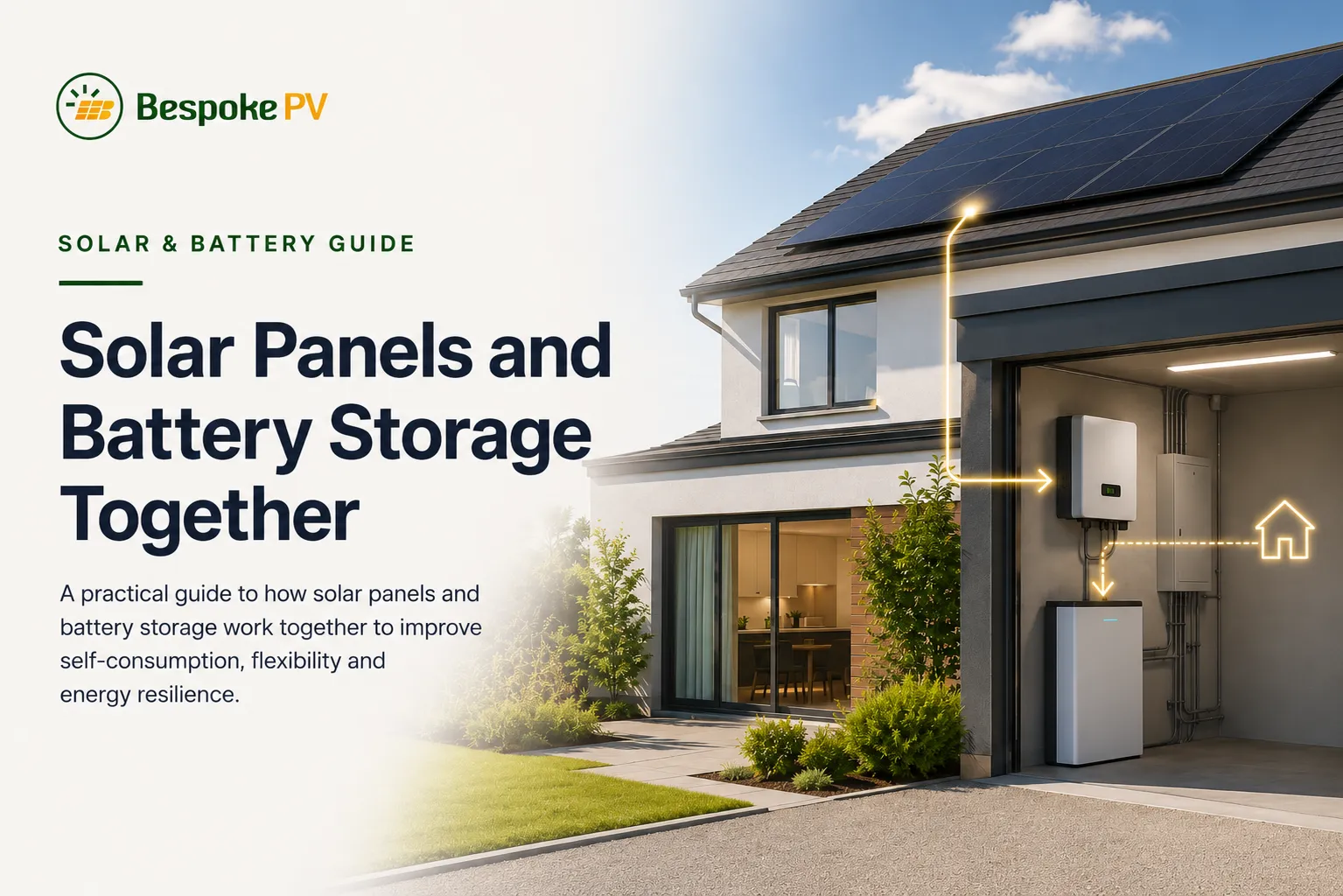
Although battery-only systems can deliver significant savings on their own, solar generation can improve the economics even further.
If solar panels are added later, daytime generation can reduce the amount of stored energy required from the battery.
This effectively helps bridge the gap between overnight charging and evening consumption.
A battery that may have appeared slightly undersized in a battery-only scenario can often perform extremely well once solar generation is introduced.
This is one reason why many homeowners choose to install battery storage first and expand the system later.
Solar generation can support battery performance throughout the day.
The best battery system is rarely determined by daily electricity consumption alone.
Instead, battery sizing should be based on tariff structure, household usage patterns, future plans and overall financial return.
For many homeowners, a carefully optimised battery can deliver most of the available savings without the cost of installing enough storage to cover every kilowatt-hour consumed throughout the day.
That often results in a more balanced and financially attractive investment.
Explore more Bespoke PV articles covering battery sizing, smart tariffs and energy management.
Yes. Backup power requirements may justify additional battery capacity and reserve energy beyond what would be required for tariff optimisation alone.
Critical loads backup supports selected essential circuits, while whole-home backup is designed to support most or all household electrical loads during a power cut.
Whole-home backup systems typically support higher electrical loads and may require greater battery capacity and discharge capability.
Reserve capacity is a portion of stored energy intentionally retained to provide backup power during a grid outage.
Not necessarily. Some homeowners choose to maintain reserve capacity to ensure backup power remains available during unexpected outages.
Not always. A battery only needs to offset enough expensive electricity to make the system financially worthwhile, especially when using time-of-use tariffs.
A smaller battery can often cover the most expensive periods of the day, which may deliver most of the available savings without the cost of a larger system.
Not necessarily. Some time-of-use tariffs offer very low overnight rates but higher daytime or peak rates, so the whole tariff structure should be assessed.
Yes. Some smart tariffs have peak rates that may be higher than a customer's existing fixed tariff, which makes battery sizing and usage strategy important.
The aim is usually to charge the battery when electricity is cheaper and use that stored energy to reduce imports during more expensive periods.
No. A battery-only system can still provide savings by charging from low-cost overnight electricity and discharging during higher-rate periods.
Yes. Solar panels can often be added later to further reduce grid imports and help top up the battery during the day.
Solar generation can reduce daytime imports, supply household loads directly and help recharge the battery before evening demand increases.
Once the most expensive electricity periods are already covered, additional battery capacity may only offset smaller or less frequent imports.
No. Battery sizing should also consider tariff rates, peak periods, household usage patterns, backup requirements and future solar plans.
The home will import electricity from the grid at the applicable tariff rate, which may still be acceptable if the overall tariff strategy remains cost-effective.
It may be possible with a larger system, but it is not always the most cost-effective objective. Reducing the most expensive imports is often more important.
Yes. Battery-only installations can charge from the grid during low-cost periods and discharge later when electricity is more expensive.
Yes. The battery and inverter must be able to deliver enough power to meaningfully reduce imports during high-demand periods.
Yes. Homes with high evening demand may benefit from a different battery size than homes with flatter or more daytime-heavy electricity usage.
Not entirely. Tariffs can change over time, so battery systems should be designed with flexibility rather than a single current tariff in mind.
Yes. If backup power is a key requirement, additional battery capacity or a higher reserve level may be needed.
A battery reserve setting keeps a chosen amount of energy available rather than allowing the battery to fully discharge for tariff savings.
Energy kept in reserve cannot be used for normal tariff optimisation, so the battery may import more electricity during peak periods.
Critical loads backup supports selected essential circuits such as lighting, refrigeration, internet equipment, heating controls or medical equipment during a power cut.
Whole-home backup is designed to support most or all household circuits during a power cut, subject to inverter capacity, battery size and system design.
Yes. Whole-home backup usually requires greater inverter power, battery capacity and reserve energy than a critical loads backup design.
Yes, but the system may need to maintain a reserve level so that backup power remains available if the grid fails.
It can be a sensible approach for some homes, especially where smart tariff savings are available and solar may be added later.
Explore related Bespoke PV articles and renewable energy insights.
Explore renewable energy systems designed and installed by Bespoke PV.
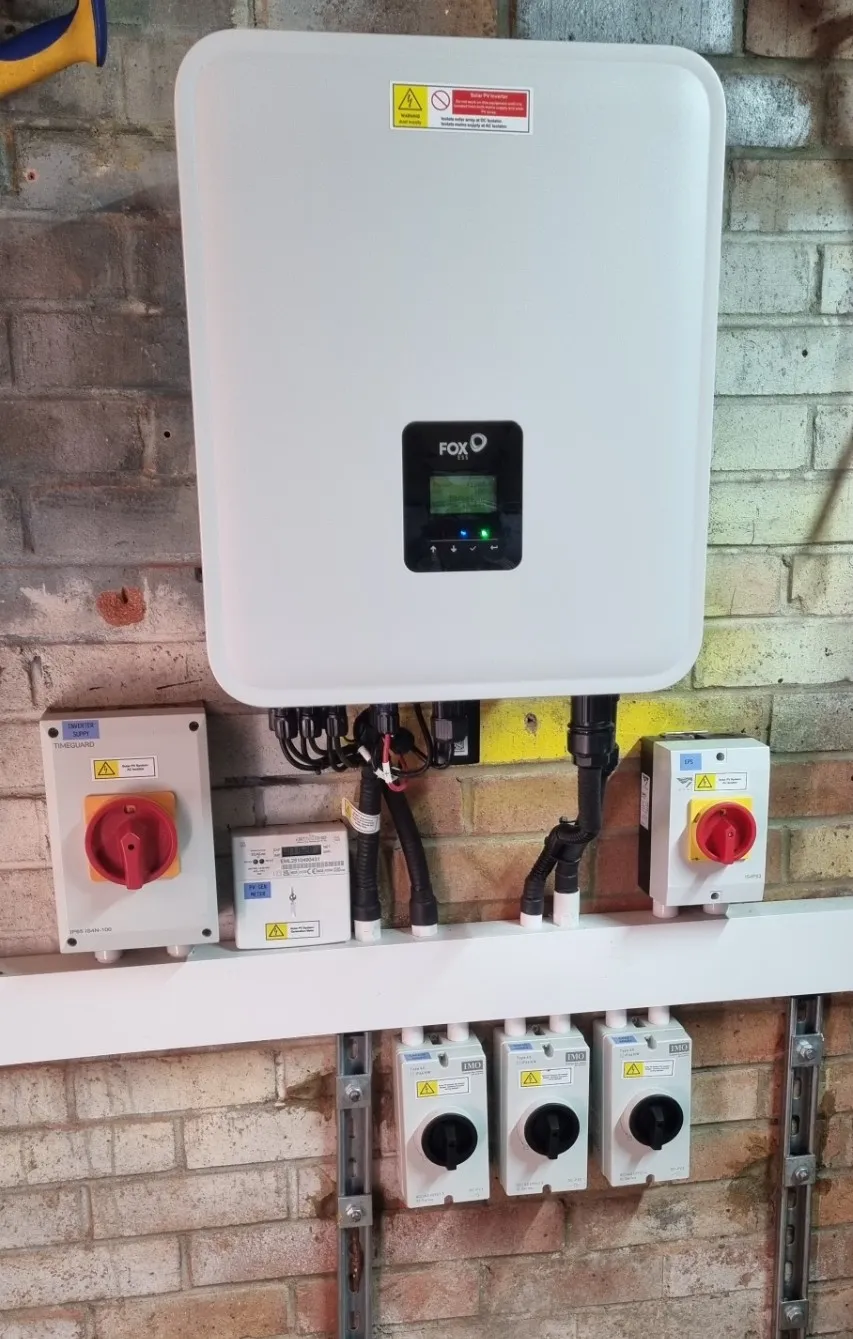
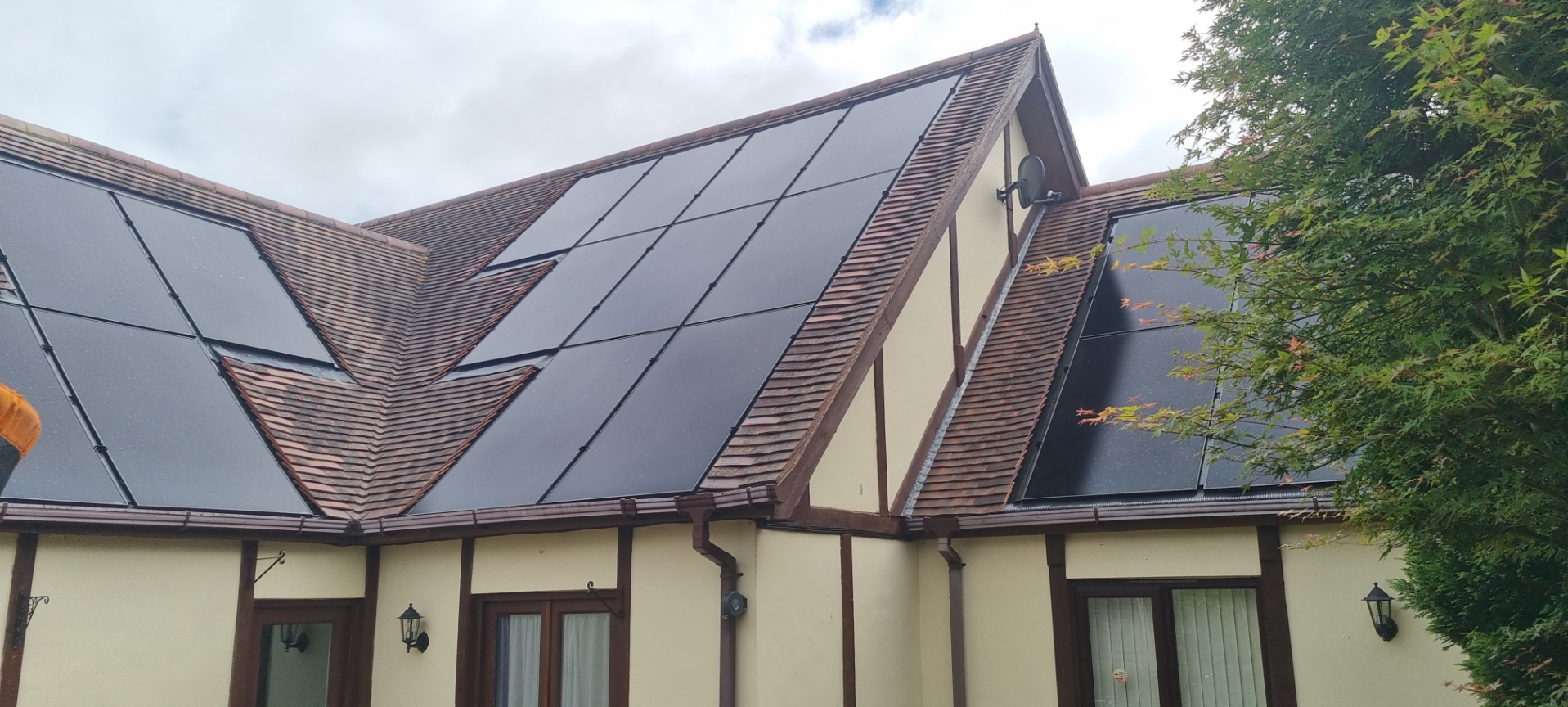
Bespoke PV designs solar PV, battery storage and EV charging systems across Hampshire, Dorset and the South Coast.
Bespoke solar PV, battery storage and EV charging systems for Southampton homes and businesses, designed around roof space, usage and future energy plans.
Solar panels in Southampton →Bespoke solar PV, battery storage and EV charging systems for homes and businesses across Winchester and Hampshire.
Solar panels in Winchester →Solar PV, battery storage and EV charging systems for homes and businesses across Portsmouth and the South Coast.
Solar panels in Portsmouth →Solar PV, battery storage and EV charging systems for homes and businesses across Bournemouth and the South Coast.
Solar panels in Bournemouth →Bespoke PV designs solar PV, battery storage and EV charging systems across Hampshire, Dorset, Wiltshire and the South Coast.
Speak with Bespoke PV about battery storage, smart tariffs and finding the most cost-effective system size for your home.