Electricity Usage
The more solar electricity used directly within the property, the greater the potential reduction in imported electricity.

Solar panel payback periods depend on far more than installation cost alone. Electricity prices, battery storage, self-consumption and future energy usage all play important roles.
Solar payback period refers to the estimated time required for electricity savings and export value to offset the upfront installation cost.
It is one of the most commonly discussed topics when homeowners consider solar PV, but it is also one of the most misunderstood.
Simple online calculators often fail to account for future electricity price rises, battery storage usage, EV charging, heat pump integration, changing household demand and export tariff variation.
The more solar electricity used directly within the property, the greater the potential reduction in imported electricity.
A correctly sized system should balance generation, roof space and expected household demand.
Battery systems can improve self-consumption by storing daytime generation for later use.
One of the biggest factors influencing long-term solar value is self-consumption.
Self-consumption refers to how much of the generated electricity is used directly within the property rather than exported to the grid.
In many cases, electricity used directly within the home is financially more valuable than exported electricity because it offsets imported grid electricity purchases.
This is one reason battery storage has become increasingly popular.
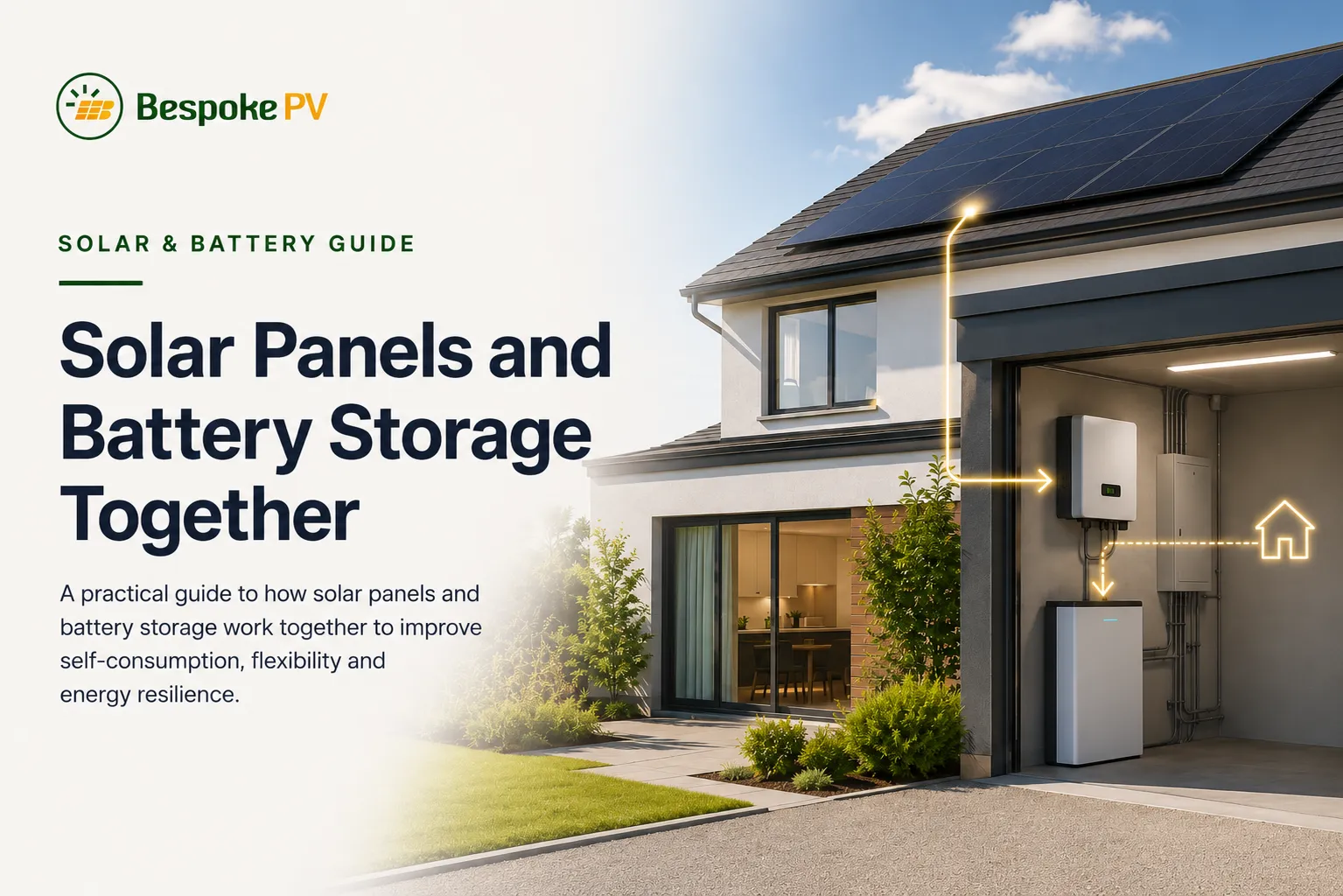
Read our guide: Solar Panels and Battery Storage Together
We increasingly see homeowners planning for future electricity demand rather than current usage alone.
EV charging, heat pumps and wider electrification are all increasing household electricity requirements, which may improve the long-term value of solar generation and battery storage.
The value of generating electricity on-site may become increasingly important over time.
Payback calculations are highly sensitive to electricity pricing.
One major limitation of simplistic solar calculations is that they often assume static electricity prices.
In reality, energy prices can fluctuate significantly due to:
Many homeowners initially focus heavily on export tariffs, but self-consumption is often more financially significant.
Simple payback calculators often rely on broad assumptions that may not reflect how a property actually uses electricity.
Many tools do not properly account for future electrification, changing occupancy patterns, battery storage behaviour, export tariff variation or long-term electricity market changes.
Because of this, two households with similar roof sizes may experience very different long-term outcomes from solar PV.
Some homeowners prioritise energy independence and backup capability, while others focus more heavily on financial optimisation.
Battery storage can improve self-consumption, but it also increases initial installation cost.
The overall financial outcome depends on:
Household electricity demand is changing rapidly.
Electric vehicles, heat pumps, home offices and wider electrification are increasing the amount of electricity many homes consume.
This may increase the long-term value of generating electricity on-site.
Many homeowners now view solar PV as part of a wider long-term energy strategy rather than simply a way to reduce current electricity bills.
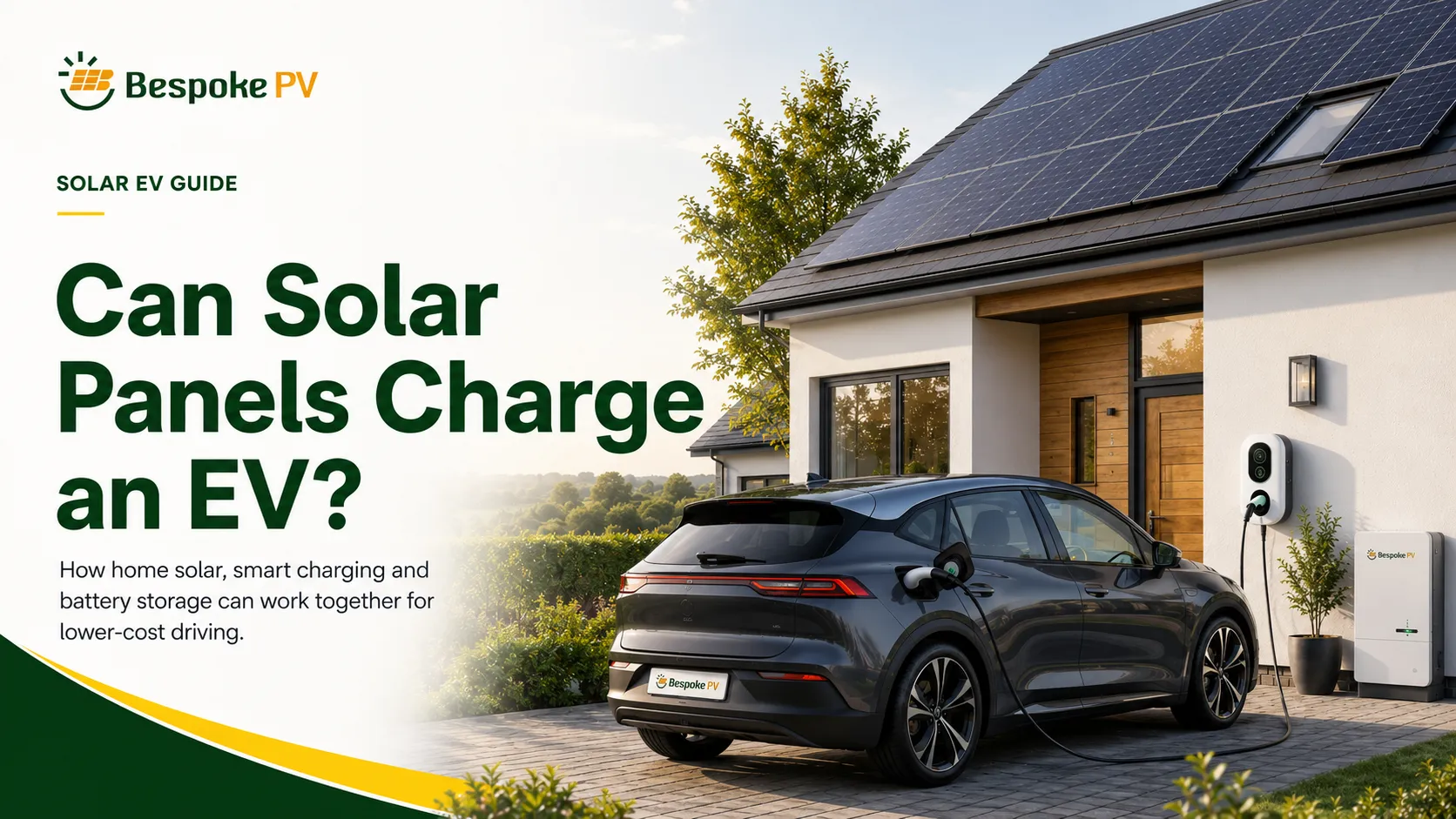
EV charging is becoming a major driver for residential solar adoption.
Electric vehicles can significantly increase household electricity demand.
Solar generation and battery storage may help offset part of this demand depending on charging behaviour and system design.
Electrified heating changes long-term household energy usage.
Heat pumps can substantially increase electricity usage, particularly during colder months.
Solar PV and battery storage may help support part of this increased demand.
Increasingly, many homeowners think beyond simple payback calculations.
Solar PV systems may also provide greater energy independence, protection from future energy volatility, improved resilience and reduced long-term reliance on imported electricity.
For many households, these wider benefits are becoming just as important as the financial calculation itself.
Read our article: Why Solar Payback Is the Wrong Question
This is why professionally tailored system design is so important.
There is no universal answer.
The financial performance of a solar PV system depends heavily on:
Solar PV systems are long-term infrastructure investments.
Over time, household electricity demand, energy prices and technology usage patterns may all change significantly.
Battery storage, EV charging, smart tariffs and electrified heating are all influencing how households think about long-term energy flexibility.
As a result, many homeowners are now evaluating solar PV as part of a wider resilience and future-planning strategy rather than viewing it purely through a short-term financial lens.
Professionally tailored systems often perform more effectively long-term.
Good solar PV design should balance generation, storage, household demand and future flexibility.
Bespoke PV designs tailored solar and battery systems focused on long-term performance, resilience and real-world energy usage.
Explore more Bespoke PV guides covering battery storage, self-consumption and long-term energy planning.
It varies significantly depending on electricity usage, system size, battery storage and future energy pricing.
Battery storage may improve self-consumption, although it also increases upfront installation cost.
Yes. Rising electricity costs may increase the value of generating electricity on-site.
Export tariffs are only one part of the overall equation. Self-consumption and reduced imported electricity often play larger roles.
Many homeowners also value energy independence, sustainability and future resilience.
Explore related Bespoke PV articles and renewable energy insights.
Explore renewable energy systems designed and installed by Bespoke PV.
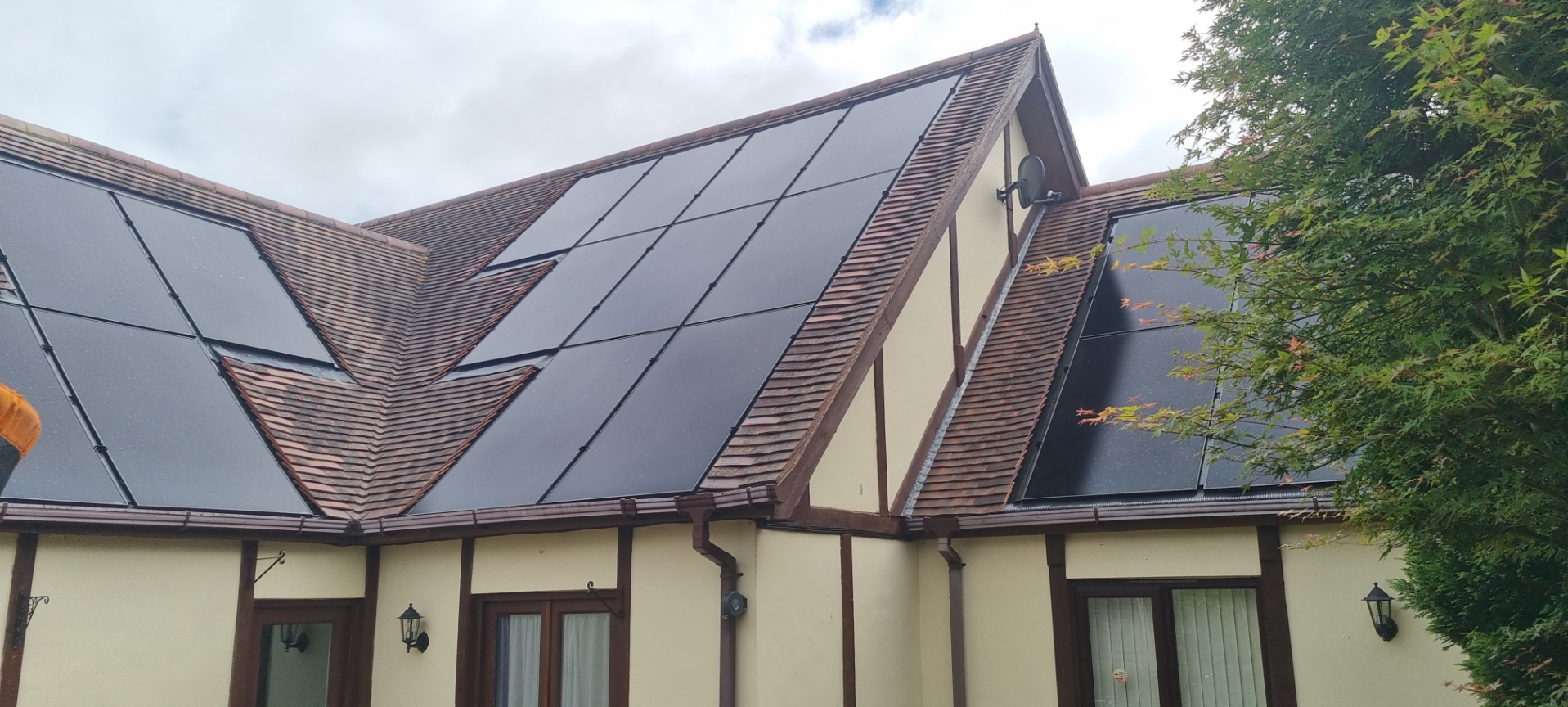

Bespoke PV designs solar PV, battery storage and EV charging systems across Hampshire, Dorset and the South Coast.
Bespoke solar PV, battery storage and EV charging systems for Southampton homes and businesses, designed around roof space, usage and future energy plans.
Solar panels in Southampton →Bespoke solar PV, battery storage and EV charging systems for homes and businesses across Winchester and Hampshire.
Solar panels in Winchester →Solar PV, battery storage and EV charging systems for homes and businesses across Portsmouth and the South Coast.
Solar panels in Portsmouth →Solar PV, battery storage and EV charging systems for homes and businesses across Bournemouth and the South Coast.
Solar panels in Bournemouth →Bespoke PV designs solar PV, battery storage and EV charging systems across Hampshire, Dorset, Wiltshire and the South Coast.
Contact Bespoke PV for tailored solar PV advice based on your property and energy usage.