Export Limits
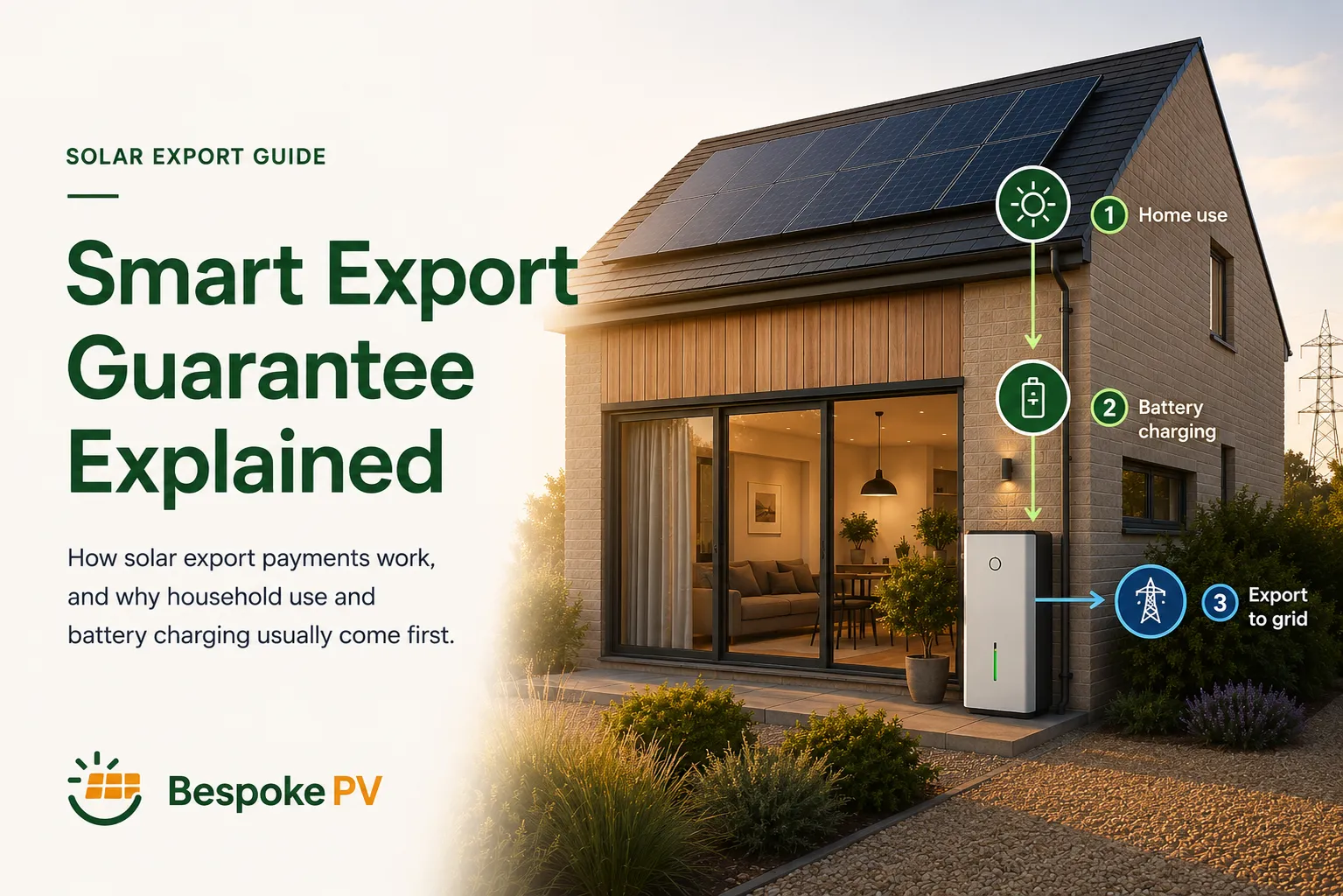
Some systems are intentionally restricted from exporting above a certain level to the grid.

Solar curtailment occurs when a solar PV system intentionally reduces electricity generation due to export limitations, grid restrictions or system controls.
Solar curtailment refers to situations where a solar PV system generates less electricity than it technically could under the available sunlight conditions.
This reduction is usually intentional and controlled automatically by the inverter or wider system controls.
Curtailment can happen for several reasons including export limitations, grid constraints, battery behaviour or local network requirements.
Some systems are intentionally restricted from exporting above a certain level to the grid.
Local electricity networks may have limitations on how much solar generation can be exported.
Battery charging priorities or inverter behaviour may temporarily reduce generation.
Many UK residential solar systems are installed with export limitations agreed with the Distribution Network Operator (DNO).
These limits help protect local electricity infrastructure and maintain network stability.
Curtailment is not necessarily a fault.
In many cases, it is a normal operational behaviour linked to export management, battery charging priorities or grid limitations.
If curtailment occurs regularly, total annual solar generation may be lower than the theoretical maximum possible under ideal conditions.
However, the real-world impact varies significantly depending on system design, battery integration and household electricity usage patterns.
Battery storage may reduce the need for export limitation behaviour.
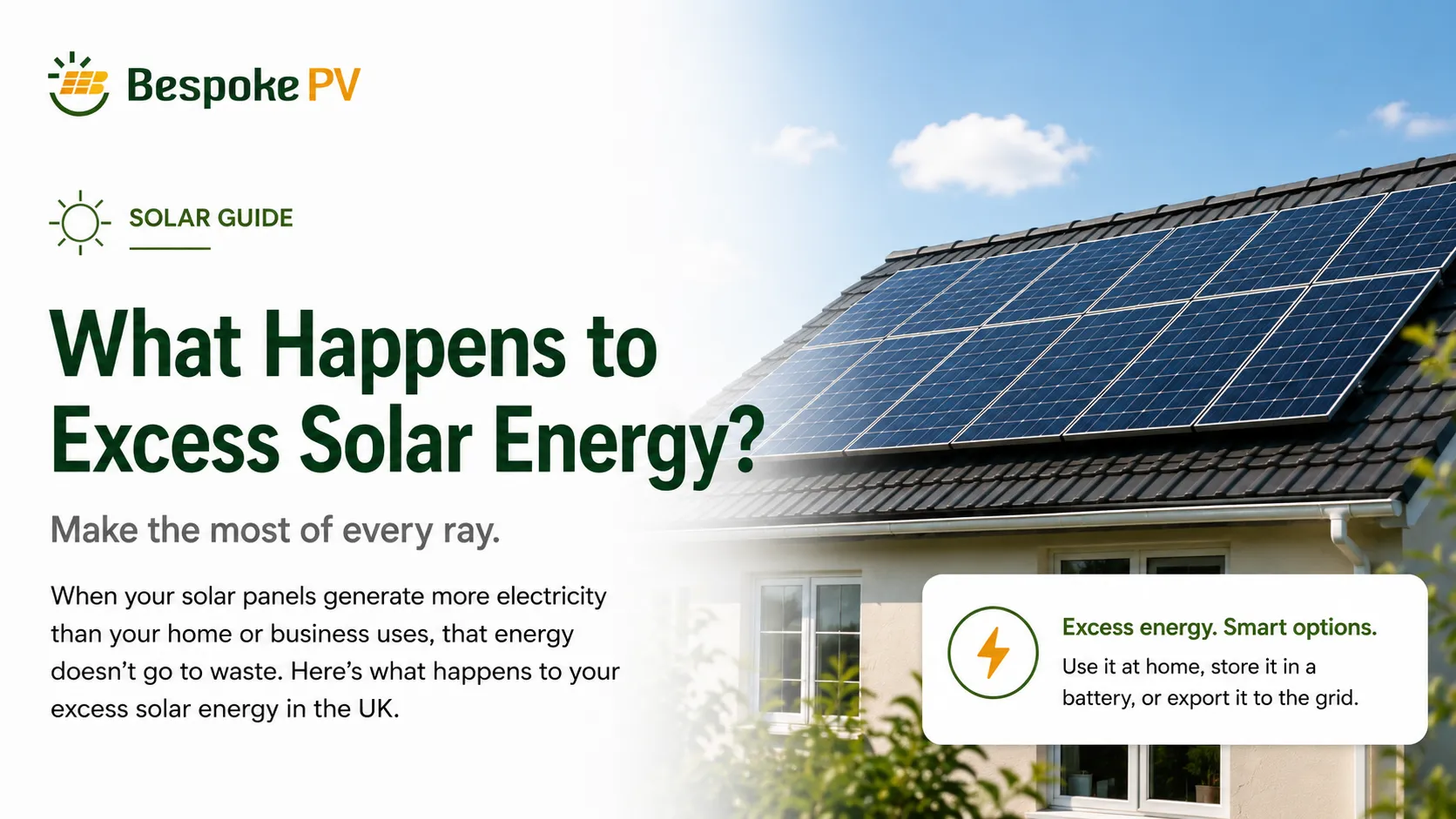
Battery systems may help absorb surplus solar generation that would otherwise be exported or curtailed.
Read our guide: Solar Panels and Battery Storage Together
Curtailment is often misunderstood as a system problem.
Some advanced solar and battery systems can manage export behaviour more intelligently through smart controls, battery charging strategies and flexible energy management.
As smart tariffs, battery storage and EV charging become more common, intelligent export management is becoming increasingly important.
Grid infrastructure is evolving alongside renewable energy adoption.
As more solar PV systems are installed across the UK, local electricity networks are becoming increasingly complex.
In some areas, export limitations and network constraints are becoming more common.
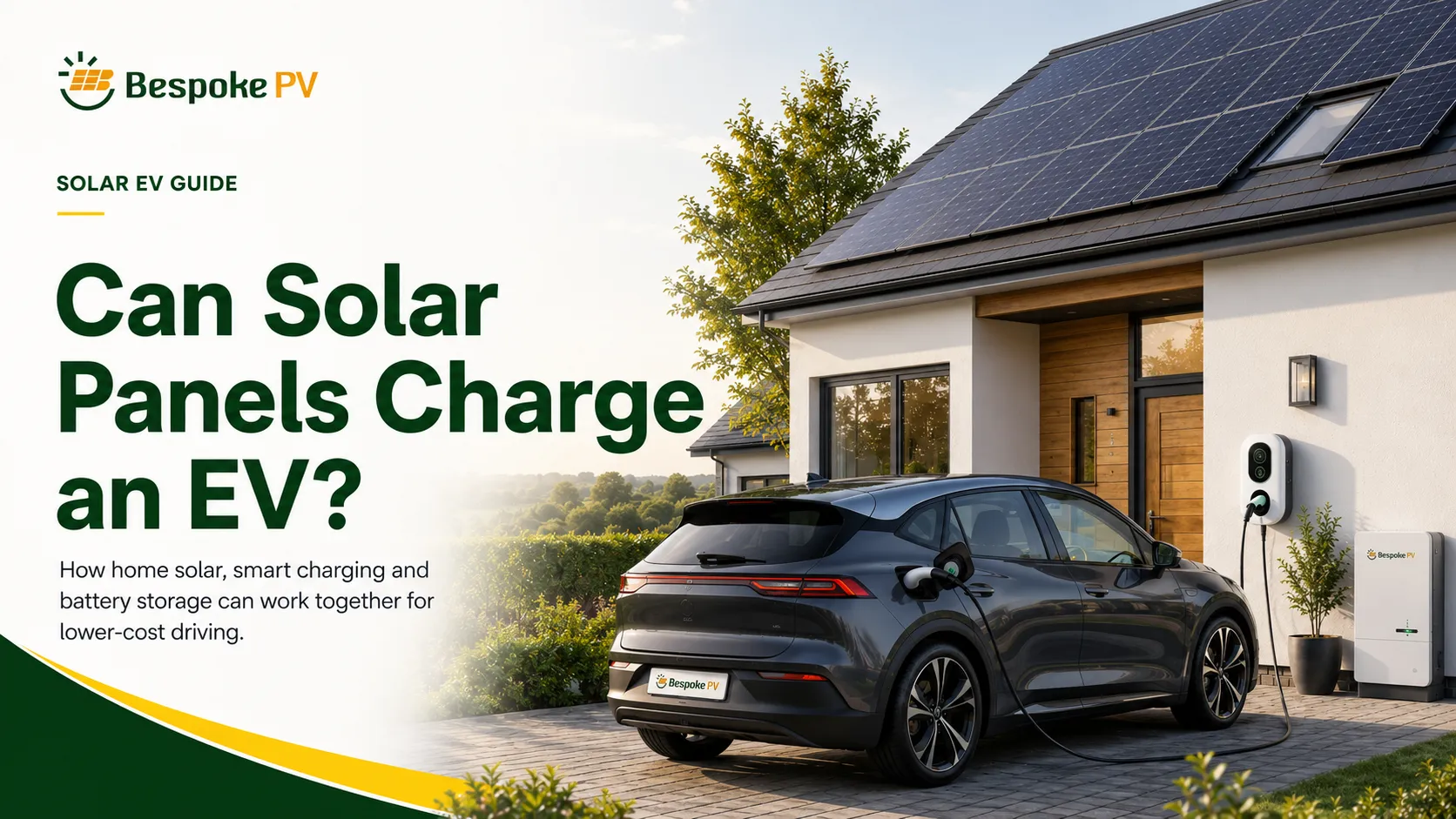
Smart EV chargers may help absorb surplus solar generation that might otherwise be exported or curtailed.
Read our guide: Can Solar Panels Charge an EV?
Many households are increasingly prioritising self-consumption.
Electricity used directly within the property is often more valuable than exported electricity.
Increasing self-consumption may help reduce reliance on export behaviour altogether.
Curtailment is generally designed to maintain safe and stable operation of the wider electricity network.
Rather than being viewed purely negatively, it is often part of managing increasingly decentralised electricity generation across the grid.
Good design helps optimise how solar generation is used.
Bespoke PV designs solar and battery systems around long-term performance, export behaviour and future flexibility.
Not always.
Some degree of export management may be unavoidable depending on local grid infrastructure, DNO export approvals and wider electricity network conditions.
However, professionally designed systems may reduce the impact of curtailment through battery storage integration, improved self-consumption and intelligent energy management.
The goal is often not eliminating curtailment entirely, but optimising how solar generation is used overall.
The electricity network is becoming increasingly decentralised.
The UK electricity network is changing rapidly as more renewable generation and electrification technologies are installed.
Explore more Bespoke PV guides covering exports, battery storage and energy flexibility.

Solar curtailment is when a solar PV system intentionally reduces output due to technical or grid-related conditions.
Not necessarily. Curtailment is often part of normal inverter protection and grid management behaviour.
Battery storage may help reduce exported electricity by storing surplus generation for later use.
Local voltage conditions and grid infrastructure limitations can sometimes cause inverter output reduction.
Yes. Good monitoring platforms can help identify periods of reduced generation and export limitation.
Explore related Bespoke PV articles and renewable energy insights.
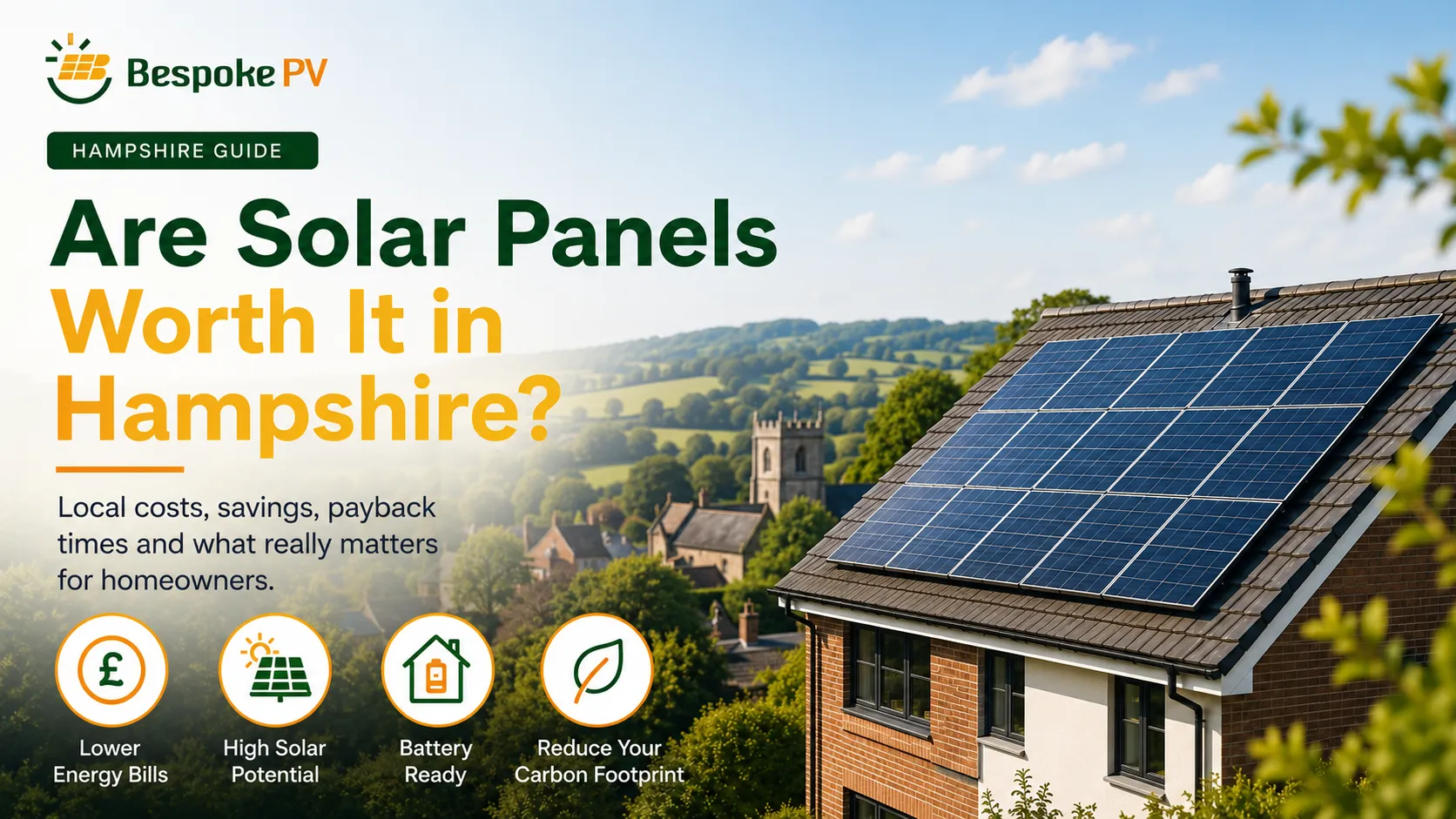

Explore renewable energy systems designed and installed by Bespoke PV.
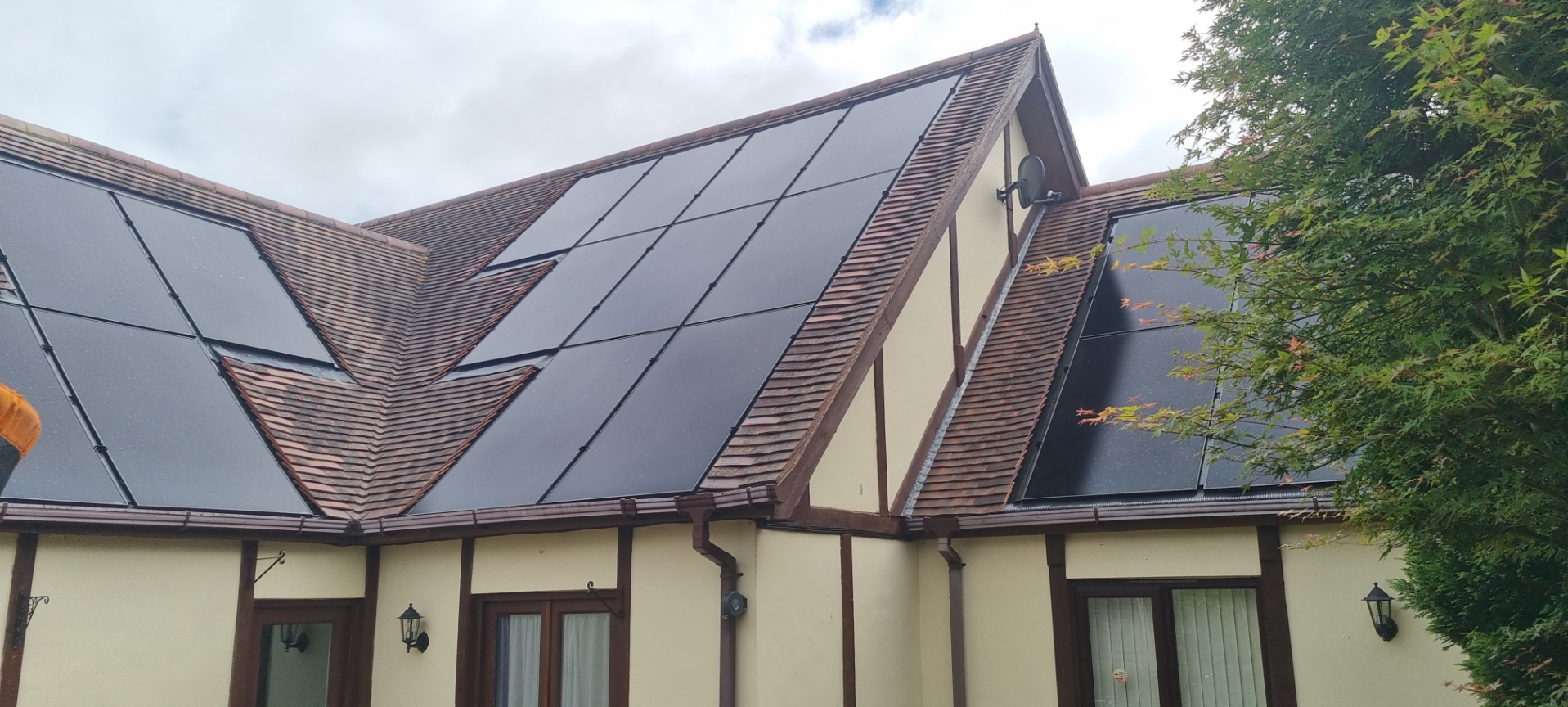

Bespoke PV designs solar PV, battery storage and EV charging systems across Hampshire, Dorset and the South Coast.
Bespoke solar PV, battery storage and EV charging systems for Southampton homes and businesses, designed around roof space, usage and future energy plans.
Solar panels in Southampton →Bespoke solar PV, battery storage and EV charging systems for homes and businesses across Winchester and Hampshire.
Solar panels in Winchester →Solar PV, battery storage and EV charging systems for homes and businesses across Portsmouth and the South Coast.
Solar panels in Portsmouth →Solar PV, battery storage and EV charging systems for homes and businesses across Bournemouth and the South Coast.
Solar panels in Bournemouth →Bespoke PV designs solar PV, battery storage and EV charging systems across Hampshire, Dorset, Wiltshire and the South Coast.
Speak with Bespoke PV about solar PV design, monitoring and long-term performance.