Household Usage First
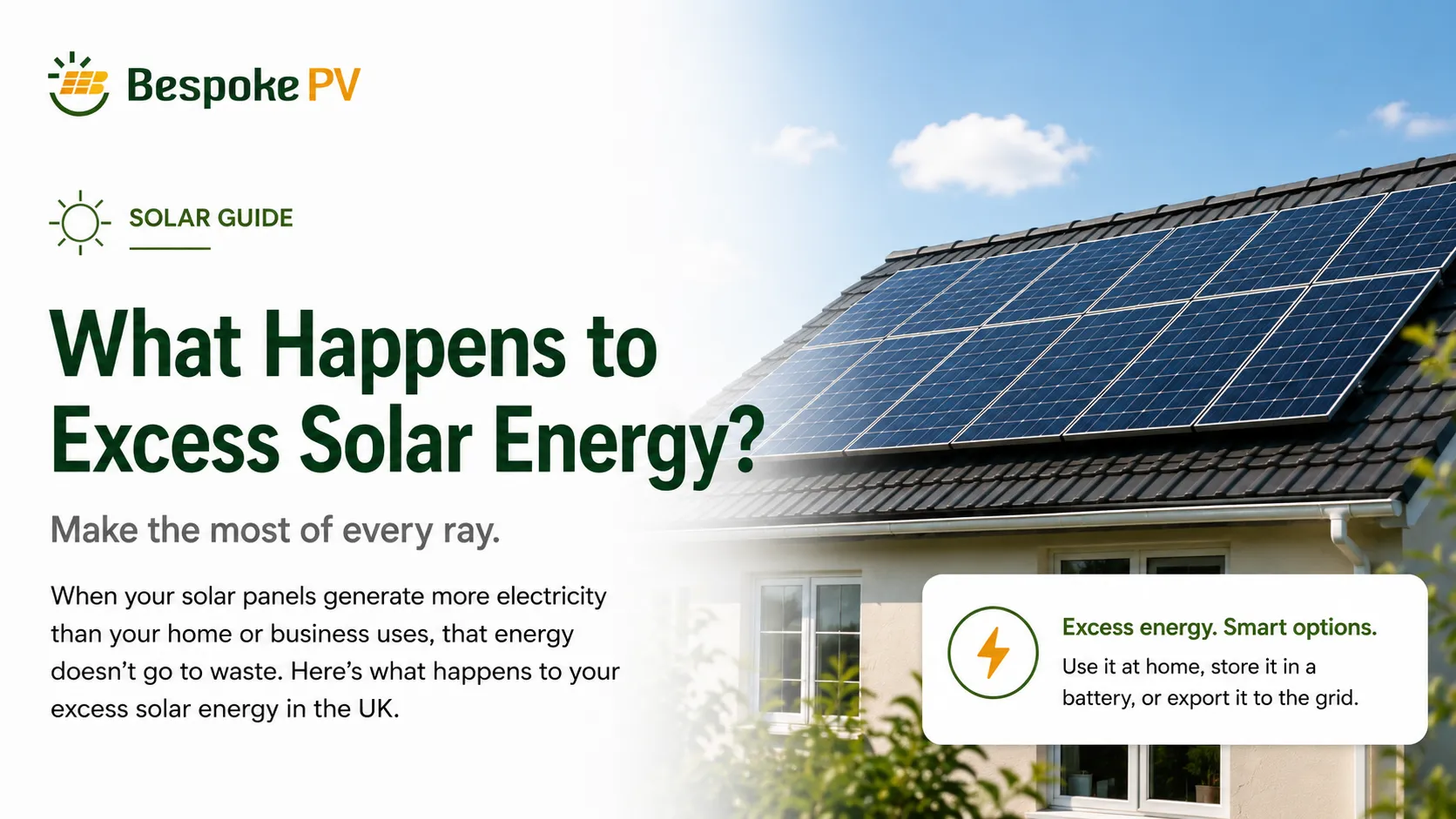
Electricity generated by solar panels is normally used within the property before anything else.

The Smart Export Guarantee (SEG) allows eligible households to receive payments for surplus electricity exported back to the grid from solar PV systems.
The Smart Export Guarantee, commonly known as SEG, is a government-backed framework requiring certain electricity suppliers to offer export tariffs for renewable electricity exported to the grid.
It replaced the older Feed-in Tariff scheme for new applicants.
Under SEG, homeowners with eligible solar PV systems may receive payments for exported electricity.
Electricity generated by solar panels is normally used within the property before anything else.
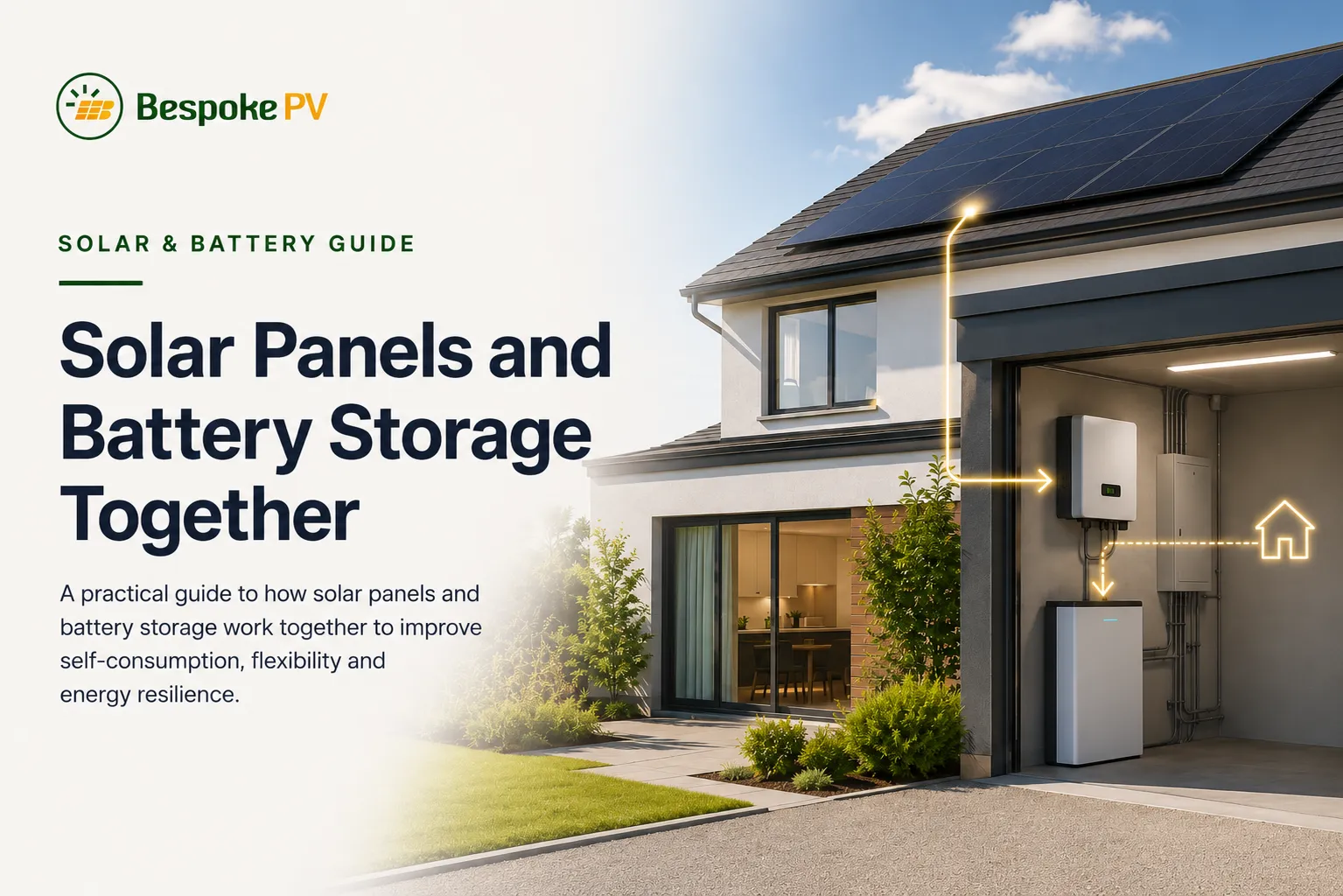
If battery storage is installed, surplus electricity may charge the battery before export occurs.
Remaining surplus electricity may then be exported to the grid under an SEG tariff.
SEG payments are usually based on the amount of electricity exported to the grid.
Export measurement typically relies on smart meter data.
Tariff structures vary between electricity suppliers and may include:
Export tariffs can change over time, so homeowners should review available options carefully.
Increasingly, the real value of solar PV comes from self-consumption rather than export payments alone.
Battery storage, EV charging and wider electrification are changing how households use solar electricity.
Self-consumption is becoming increasingly important.
Electricity used directly within the property is often more valuable than exported electricity.
This is because imported electricity prices are often significantly higher than export tariff rates.
Many households are therefore increasingly focused on:
Battery storage changes how solar generation is used.
Battery storage can significantly reduce exported electricity.
Instead of exporting surplus solar generation immediately, battery systems can store electricity for later household use.
This may help:
Yes. Electric vehicles can absorb surplus solar generation directly.
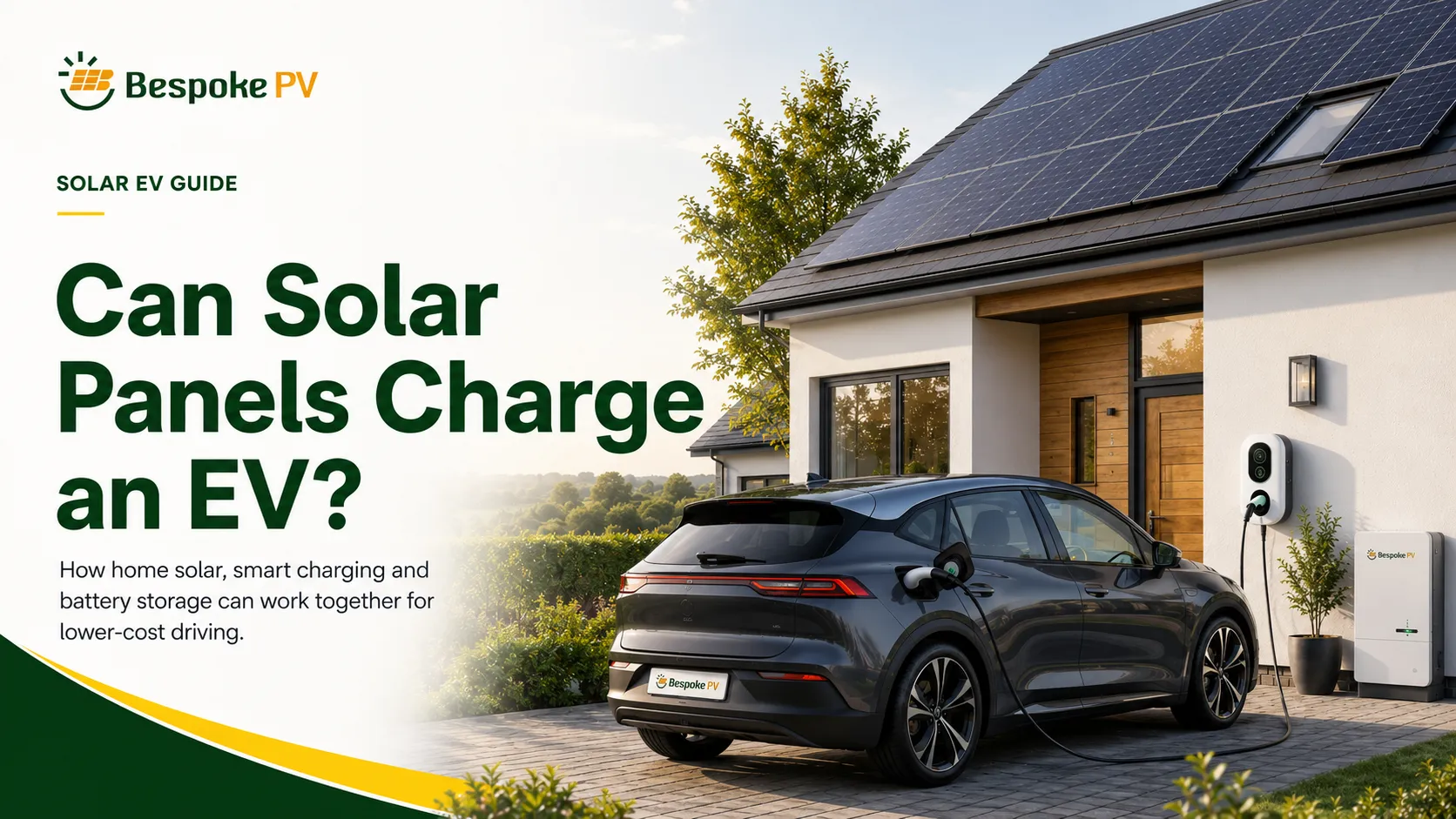
Smart EV chargers may prioritise surplus solar electricity, reducing exported electricity while improving household self-consumption.
As EV adoption increases, many households are increasingly viewing solar PV, battery storage and EV charging as one integrated energy system.
Read our guide: Can Solar Panels Charge an EV?
Export income is only one part of long-term solar value.
Solar PV is increasingly about long-term energy flexibility and resilience.
Many homeowners are now thinking beyond simple export income.
Key priorities increasingly include:
Many homeowners initially focus heavily on export payments, but self-consumption is often more financially valuable.
Historically, some homeowners viewed solar primarily as a way to generate export income.
Today, rising electricity prices, EV charging, battery storage and heat pump adoption are changing how solar PV systems are valued.
Increasingly, homeowners are focusing on reducing imported electricity and improving long-term energy flexibility rather than relying purely on export payments.
This shift is one reason battery storage and smart energy management systems are becoming increasingly important.
Smart energy management can improve how solar generation is used.
Modern solar PV systems are increasingly integrated with wider household energy technologies.
Some electricity suppliers now offer smart export tariffs linked to time-of-export pricing.
This means exported electricity may be worth more at certain times of day depending on electricity demand and wider grid conditions.
As battery storage and EV charging become more common, tariff optimisation is becoming increasingly important within wider household energy planning.
Solar PV is increasingly part of a wider home energy ecosystem.
Household electricity demand is changing rapidly.
Electric vehicles, heat pumps and wider electrification are increasing the importance of solar generation, self-consumption and battery storage integration.
Good design improves long-term performance and flexibility.
Export performance depends heavily on system design and household usage patterns.
A professionally designed solar PV system should consider:
Explore more Bespoke PV guides covering solar exports, battery storage and energy flexibility.
The Smart Export Guarantee allows eligible households to receive payments for surplus renewable electricity exported to the grid.
Export payments are usually based on smart meter export data.
Often no. Electricity used directly within the property is typically more valuable than exported electricity.
Yes. Battery systems can store surplus generation for later household use.
Yes. Smart EV charging systems can prioritise surplus solar electricity.
Explore related Bespoke PV articles and renewable energy insights.

Explore renewable energy systems designed and installed by Bespoke PV.
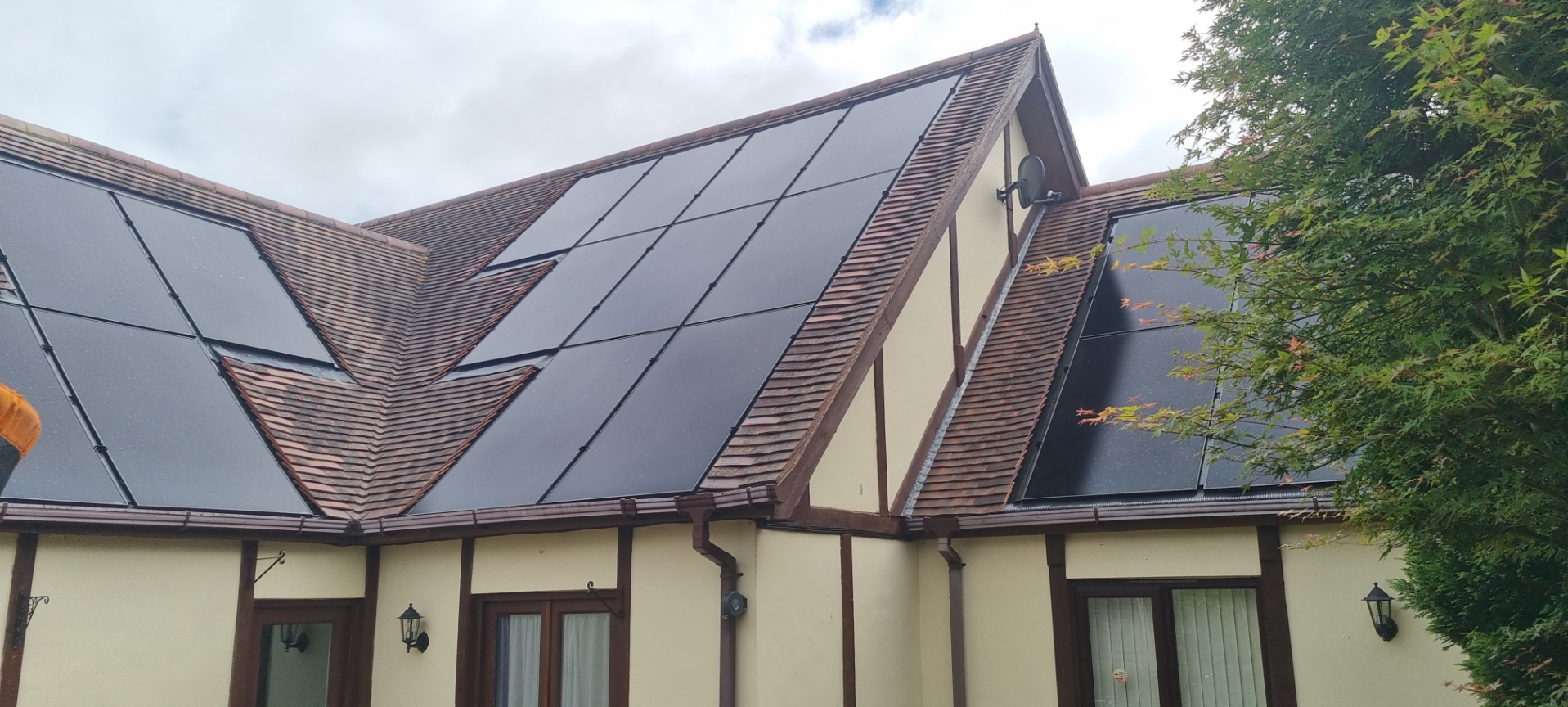

Bespoke PV designs solar PV, battery storage and EV charging systems across Hampshire, Dorset and the South Coast.
Bespoke solar PV, battery storage and EV charging systems for Southampton homes and businesses, designed around roof space, usage and future energy plans.
Solar panels in Southampton →Bespoke solar PV, battery storage and EV charging systems for homes and businesses across Winchester and Hampshire.
Solar panels in Winchester →Solar PV, battery storage and EV charging systems for homes and businesses across Portsmouth and the South Coast.
Solar panels in Portsmouth →Solar PV, battery storage and EV charging systems for homes and businesses across Bournemouth and the South Coast.
Solar panels in Bournemouth →Bespoke PV designs solar PV, battery storage and EV charging systems across Hampshire, Dorset, Wiltshire and the South Coast.
Speak with Bespoke PV about solar PV, battery storage and export strategy.