South Facing
Often provides strong all-day generation and high annual output.

Roof angle and orientation can influence solar PV generation, although many properties can still achieve strong performance with less-than-perfect roof layouts.
Solar panels generate electricity from sunlight, so the angle and direction of the panels can affect total annual generation.
In the UK, south-facing roofs are often considered ideal, although east-west systems can also perform very effectively depending on the property and usage profile.
The 'best' angle is not always about maximising annual generation alone. Usage patterns, battery storage and roof design also matter.
Often provides strong all-day generation and high annual output.
Can spread generation more evenly across the day, which may improve self-consumption.
Usually less productive, although suitability depends on roof design and shading conditions.
Historically, south-facing systems were often viewed as the clear ideal because they typically maximise annual generation.
However, modern energy usage patterns are changing how solar systems are designed.
For many households, generation timing may now matter just as much as total annual output.
Battery storage, EV charging and self-consumption are increasingly influencing the most suitable system layout.
Different roof orientations can support different energy strategies.
Increasingly, the most effective solar system is not necessarily the one with the absolute highest theoretical generation.
Many homeowners now prioritise self-consumption, EV charging compatibility and long-term energy flexibility.
Self-consumption refers to how much generated solar electricity is used directly within the property rather than exported to the grid.
In many cases, using solar electricity directly is financially more valuable than exporting it.
This is one reason east-west systems and battery storage are becoming increasingly popular.
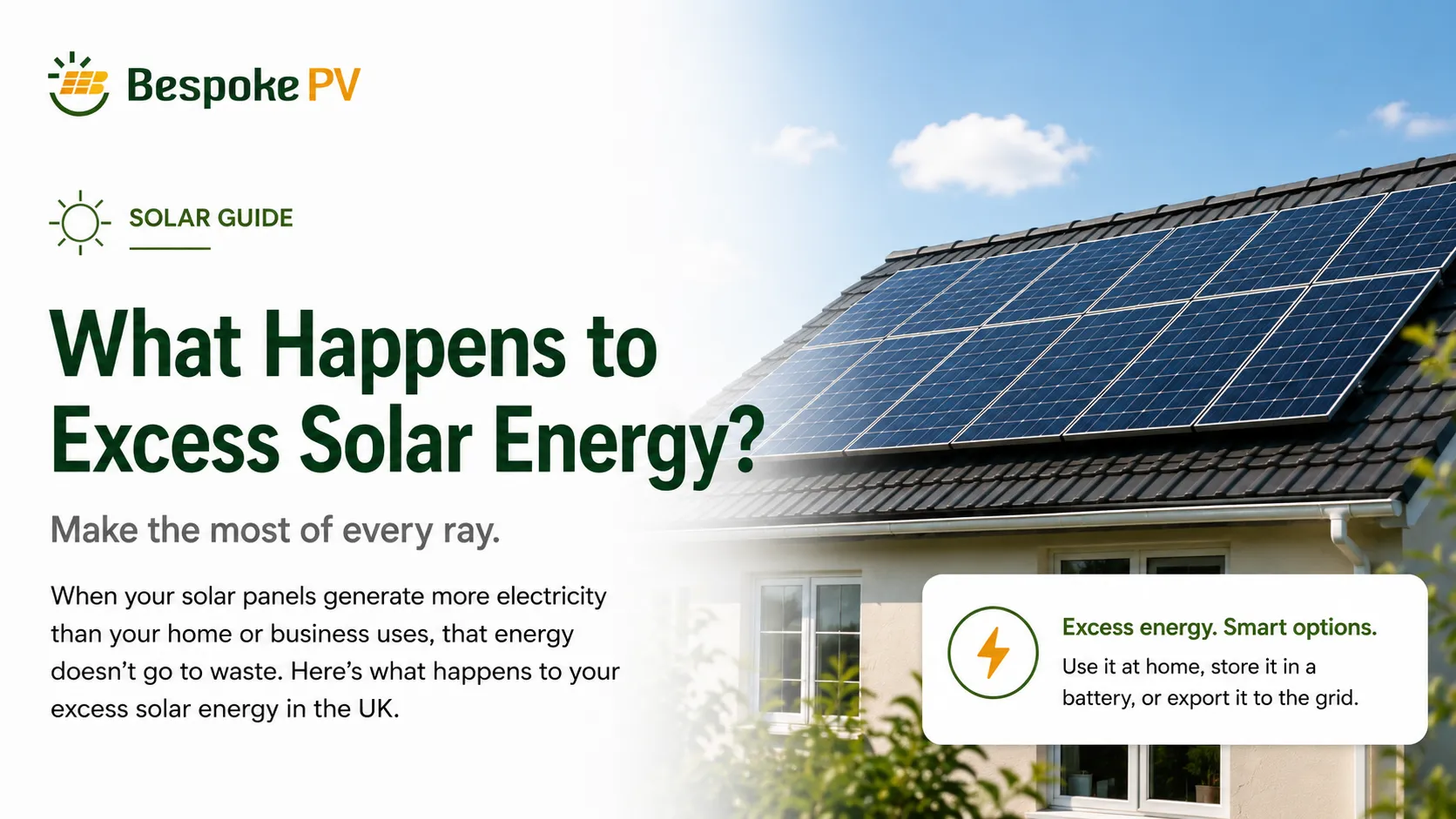
Read our guide: What Happens to Excess Solar Energy?
A professional survey helps determine the most effective layout for the property.
Roof pitch affects how directly sunlight reaches the panels throughout the year.
However, many roof angles still perform well in real-world conditions.
Yes.
Flat roof systems can use mounting frames to position panels at suitable angles.
Flat roofs may also allow more flexibility when positioning panels for generation performance, maintenance access and shading avoidance.
However, structural considerations and wind loading must also be assessed carefully during system design.
Modern inverter and optimiser technologies may help reduce shading impact.
Shading can influence generation significantly depending on the layout and timing of obstruction.
East-west solar systems often produce slightly lower total annual generation compared with ideal south-facing layouts.
However, they may produce electricity across a broader portion of the day.
This can align more closely with real household demand patterns, particularly for homeowners using electricity in the morning and evening.
As battery storage and EV charging become more common, this broader generation profile can become increasingly useful.
Battery systems may reduce the importance of chasing maximum midday generation alone.
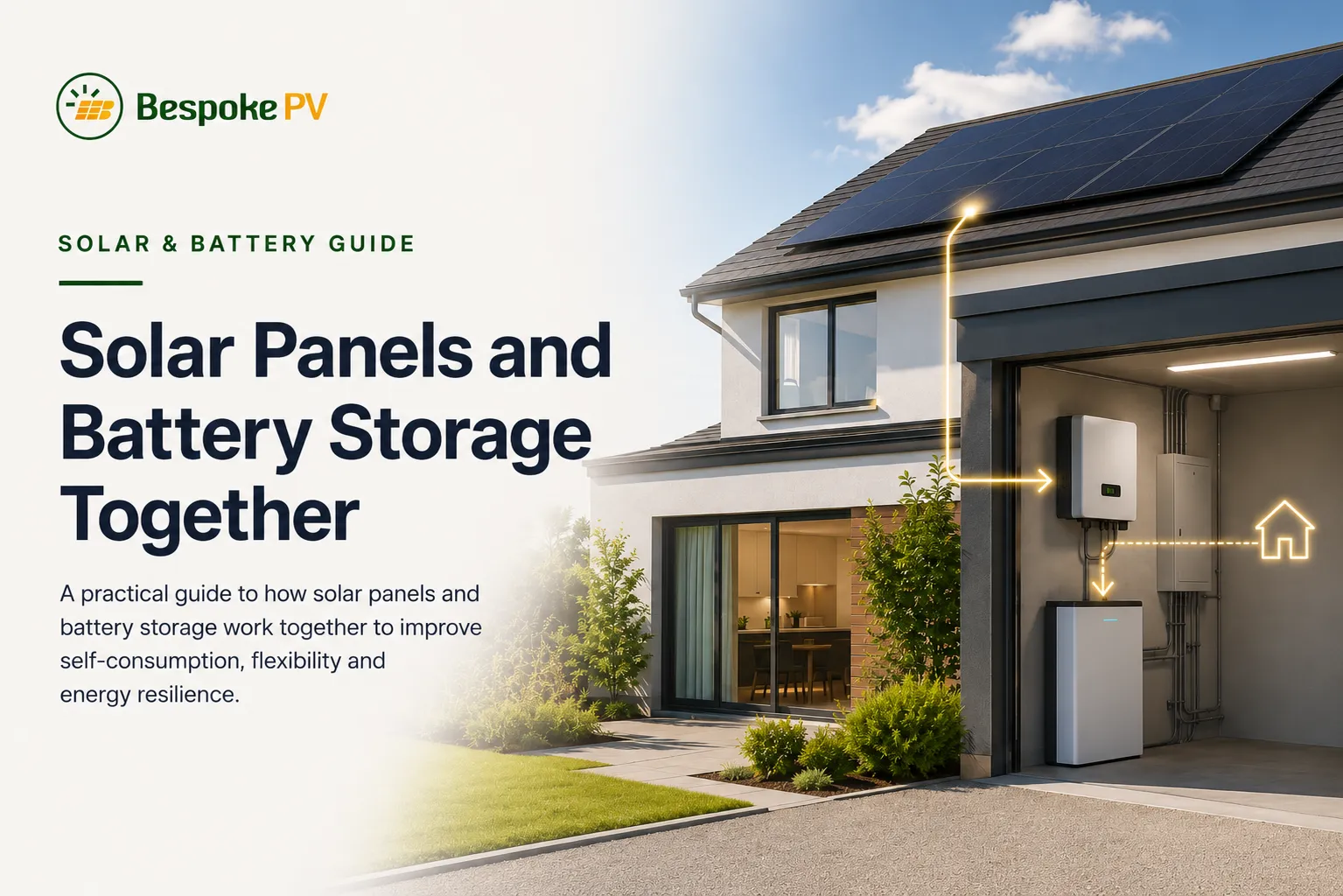
Battery storage changes how solar generation can be used.
Electric vehicles are changing residential electricity demand significantly.
Some households now prioritise generation patterns that align with vehicle charging schedules rather than purely maximising annual solar output.
Smart EV charging and battery storage may help households use more generated electricity directly within the property.
Read our guide: Can Solar Panels Charge an EV?
Solar systems should always be viewed across the entire year rather than focusing only on peak summer generation.
Winter daylight hours are shorter and the sun sits lower in the sky, which naturally reduces generation.
Good system design should balance annual performance, seasonal variation and real-world electricity usage patterns.
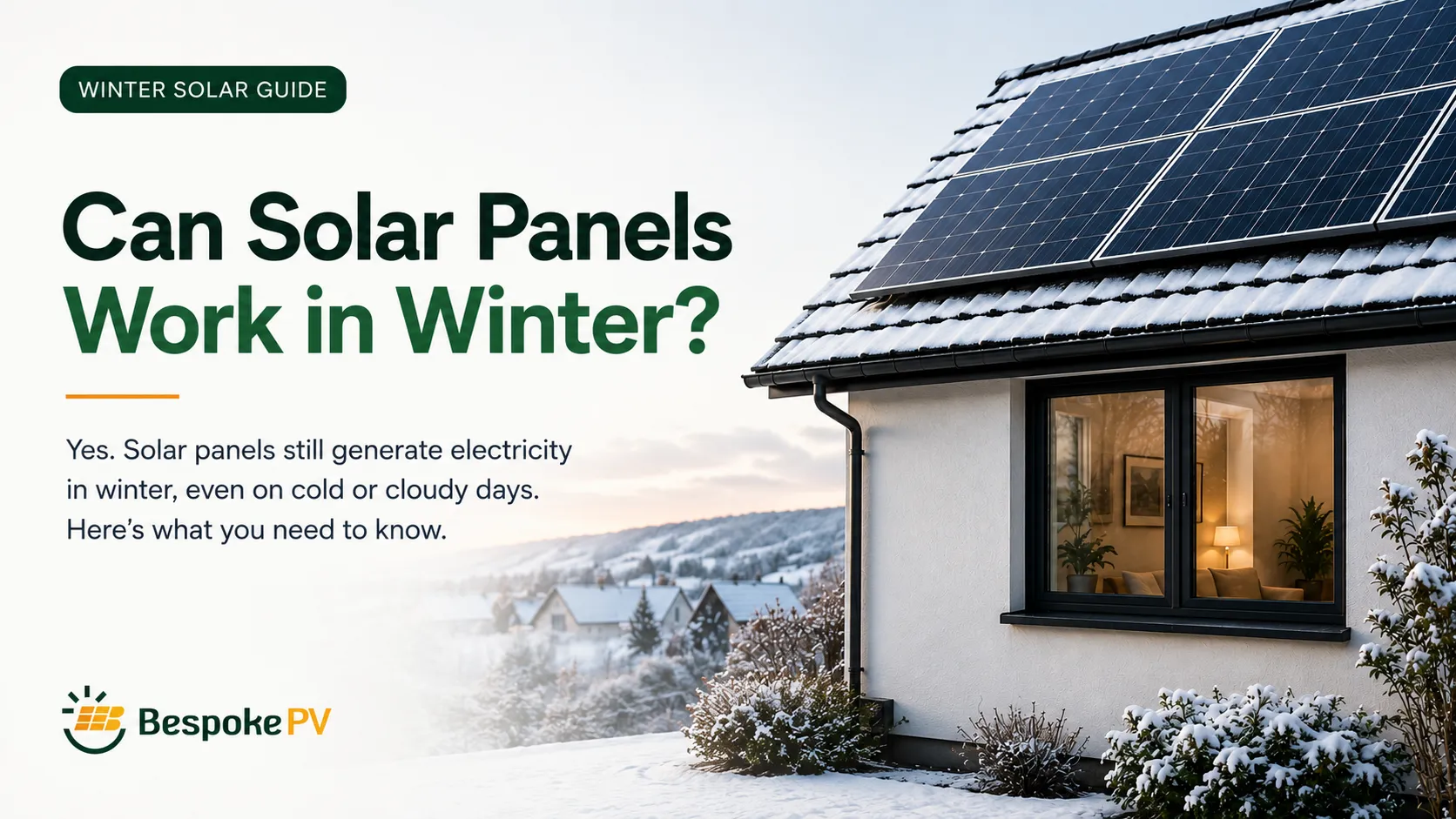
Read our guide: Can Solar Panels Work in Winter?
The best-performing system depends on household priorities.
Many homeowners assume solar panels only work well on ideal south-facing roofs.
In reality, modern solar PV systems can often perform effectively across a wide range of roof types, orientations and pitches.
The most suitable layout depends on the property, household usage patterns, future electrification plans and long-term priorities.
A professionally designed system should balance generation, self-consumption, aesthetics, roof limitations and future flexibility.
Good system design is about more than chasing theoretical maximum output.
Bespoke PV designs solar and battery systems around real-world property requirements, long-term performance and future flexibility.
Explore more Bespoke PV guides covering solar generation, battery storage and long-term energy planning.
No. East-west systems can also perform effectively depending on the property and usage profile.
Yes. Flat roof systems can use mounting frames to position panels at suitable angles.
Yes. Trees, chimneys and nearby buildings may affect solar generation depending on system layout.
Explore related Bespoke PV articles and renewable energy insights.
Explore renewable energy systems designed and installed by Bespoke PV.
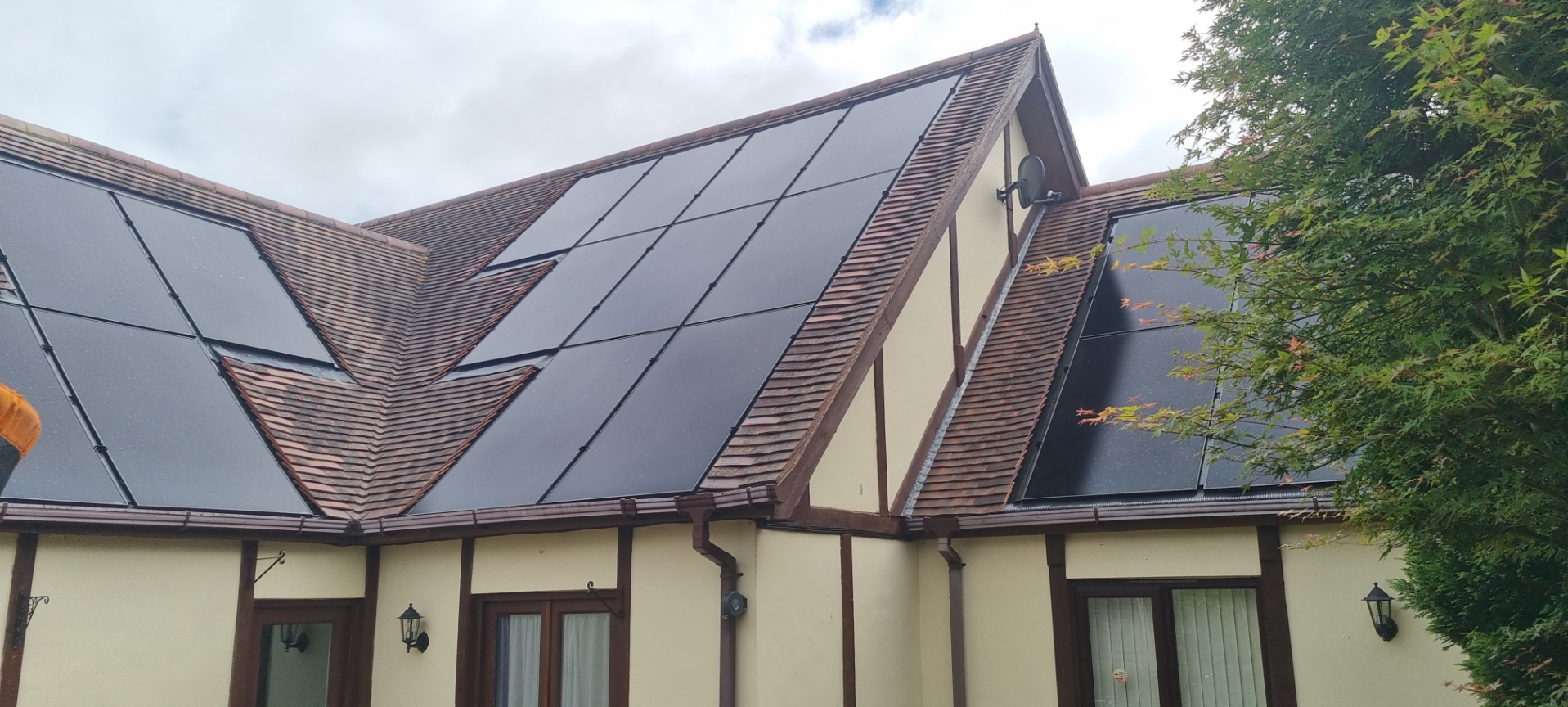

Bespoke PV designs solar PV, battery storage and EV charging systems across Hampshire, Dorset and the South Coast.
Bespoke solar PV, battery storage and EV charging systems for Southampton homes and businesses, designed around roof space, usage and future energy plans.
Solar panels in Southampton →Bespoke solar PV, battery storage and EV charging systems for homes and businesses across Winchester and Hampshire.
Solar panels in Winchester →Solar PV, battery storage and EV charging systems for homes and businesses across Portsmouth and the South Coast.
Solar panels in Portsmouth →Solar PV, battery storage and EV charging systems for homes and businesses across Bournemouth and the South Coast.
Solar panels in Bournemouth →Bespoke PV designs solar PV, battery storage and EV charging systems across Hampshire, Dorset, Wiltshire and the South Coast.
Contact Bespoke PV for practical solar PV design advice based on your roof and property.