





Commercial Battery Storage as a Business Energy Asset
Commercial battery storage is increasingly becoming a core part of long-term business energy strategy.
While battery systems are often associated with storing surplus solar generation, modern commercial energy storage can provide a much wider range of operational benefits.
For many organisations, battery storage acts as an energy management asset that sits between electricity generation, imported grid power and site demand.
Rather than simply consuming electricity as it arrives from the grid, businesses can store, manage and deploy energy when it delivers the greatest operational value.
Commercial battery systems may support:
- Solar self-consumption
- Peak demand reduction
- Demand shifting
- Tariff optimisation
- Operational resilience
- EV charging infrastructure
- Electrification projects
- Energy cost management
- Future expansion planning
Commercial battery storage as part of wider energy planning
As electricity costs become increasingly important to business operations, battery storage can help provide greater control over how energy is purchased, stored and used across a site.
Bespoke PV designs commercial battery storage systems around the way businesses actually operate, helping ensure energy storage supports wider operational and financial objectives rather than functioning as a standalone technology investment.
Why Businesses Are Investing in Commercial Battery Storage
Businesses are facing growing pressure from rising electricity costs, increasing electrification, sustainability targets and the need for greater operational resilience.
As a result, many organisations are looking beyond traditional energy procurement and exploring ways to gain more control over how electricity is used across their sites.
Commercial battery storage is attractive because it can support several business priorities at the same time. A system may help reduce grid imports, make better use of solar generation, support future EV charging and provide greater flexibility during periods of higher electricity demand.
The exact value of battery storage will depend on how the business operates, when electricity is used, whether solar PV is installed, how tariffs are structured and what future electrification plans are being considered.
Potential benefits may include:
- Reducing imported electricity
- Improving solar self-consumption
- Lowering peak demand exposure
- Supporting EV charging infrastructure
- Improving operational resilience
- Managing future electricity demand growth
- Supporting ESG and sustainability objectives
Commercial battery storage as a long-term business investment
For some businesses, the primary objective is reducing long-term electricity costs. For others, resilience, electrification planning or operational flexibility may be the main driver.
Many organisations are now investing in battery storage as part of a broader energy strategy that also includes commercial solar PV, EV charging infrastructure, building electrification and long-term carbon reduction planning.
A properly designed system should therefore be based on operational requirements, site demand patterns and future business plans rather than battery capacity alone.
Beyond Solar Storage: Smarter Energy Management
One of the most common misconceptions about commercial battery storage is that its purpose is simply to store excess solar generation.
While solar integration remains one of the most valuable applications, modern battery systems can provide a much broader range of energy management capabilities.
Battery storage allows businesses to separate when electricity is purchased or generated from when it is actually consumed.
This additional flexibility can help businesses respond more effectively to changing electricity demand, tariff structures and operational requirements. Rather than being limited to the timing of solar generation or grid imports, stored energy can be deployed when it delivers the greatest value to the business.
Depending on the site and its operational objectives, battery storage may support:
- Tariff optimisation
- Demand shifting
- Load balancing
- Peak demand reduction
- Energy flexibility
- Operational energy control
Turning energy flexibility into operational advantage
For example, electricity imported during lower-cost periods may be stored and used later when site demand is higher.
Similarly, surplus solar generation that would otherwise be exported can be retained and deployed when required by the business.
This ability to shift energy usage over time can help improve operational flexibility, support long-term cost management and reduce reliance on imported electricity during periods of higher demand.
As electricity markets become increasingly dynamic and businesses become more dependent on electrical infrastructure, battery storage can play an important role in creating a more flexible and controllable energy system.
Bespoke PV approaches battery storage as part of wider business energy optimisation rather than simply an add-on to a solar installation.
Business Types We Design Battery Storage For
Different commercial sites use electricity in very different ways. Bespoke PV designs commercial battery storage systems around operating hours, site demand, solar generation, tariff structure, resilience requirements, EV charging plans and future electrification.


Manufacturing Facilities
Manufacturing sites may benefit from battery storage designed around production schedules, machinery loads, peak demand behaviour, solar PV integration and operational resilience.

Warehouses & Distribution
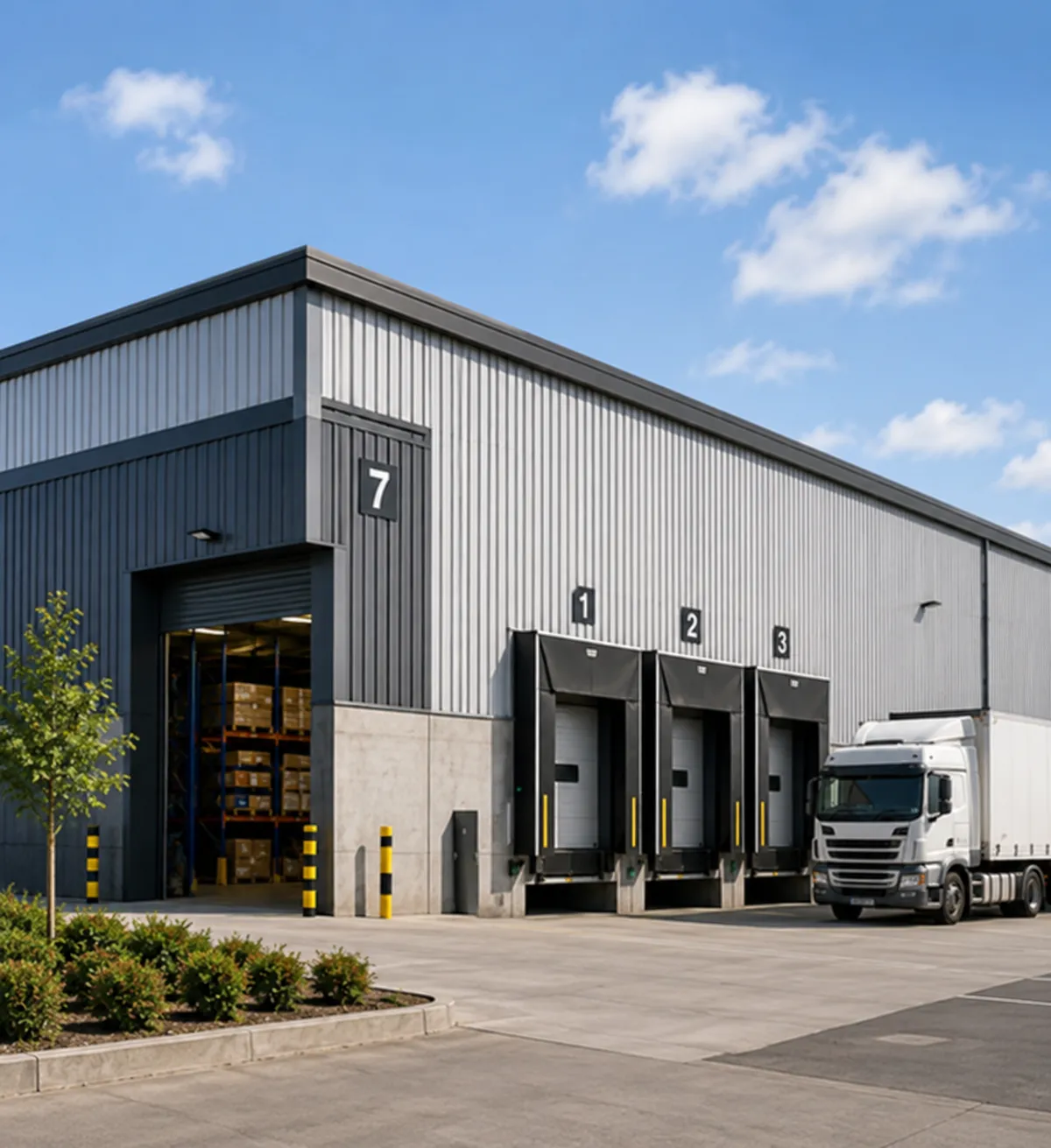
Warehouses and distribution sites can use battery storage to support lighting, refrigeration, handling equipment, EV charging, solar self-consumption and long operating hours.


Offices
Office buildings may benefit from commercial battery storage designed around daytime electricity use, solar PV generation, smart tariffs, EV charging and long-term energy cost control.


Hospitality Businesses
Hotels, restaurants, venues and leisure businesses may use battery storage to support extended operating hours, solar self-consumption, resilience planning and customer-facing EV charging.

Agricultural Operations
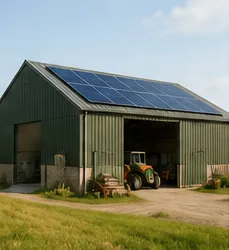
Agricultural sites may benefit from battery storage designed around solar PV, refrigeration, machinery, outbuildings, rural electrical infrastructure and future electrification.
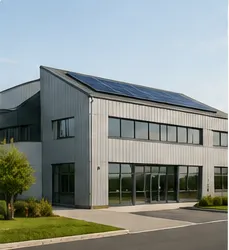

Multi-Site Businesses
Multi-site businesses may benefit from a consistent battery storage and energy monitoring strategy across several locations, helping improve visibility, planning and long-term energy control.
Solar Self-Consumption and Energy Independence
Commercial solar PV can generate a significant amount of electricity during the day, but not every business is able to use all of that generation at the moment it is produced.
Without battery storage, surplus solar electricity may be exported to the grid even though the business still imports electricity later when demand increases or generation falls.
A commercial battery system can help retain more of the electricity generated on-site, storing surplus solar energy for later use across the business.
For many organisations, the objective is not simply generating renewable electricity, but maximising the proportion of that electricity that is actually used on-site. The more solar energy a business can consume itself, the less reliant it may become on imported grid electricity and future energy price volatility.
Battery storage can be particularly valuable for organisations with:
- Strong daytime solar generation
- Evening or extended operating hours
- Variable daily demand
- Refrigeration or process loads
- EV charging requirements
- High electricity imports outside peak solar hours
Making better use of on-site renewable energy
By improving solar self-consumption, battery storage can help businesses make better use of their renewable energy investment and reduce reliance on imported electricity.
Rather than exporting surplus generation during periods of lower demand and importing electricity later in the day, stored energy can be deployed when it delivers greater operational value.
This can help improve overall energy efficiency, increase the value of an existing solar PV system and provide greater control over how electricity is used across the site.
Bespoke PV designs solar-integrated commercial battery systems around real generation and consumption profiles, helping ensure storage capacity is aligned with how the business actually uses energy.
Peak Demand Reduction and Load Shifting
Many commercial sites experience periods where electricity demand rises sharply because several systems operate at the same time.
These demand peaks may be caused by machinery, heating and cooling systems, refrigeration, lighting, production processes, EV charging or other high-load equipment.
Commercial battery storage can help reduce reliance on grid electricity during these higher-demand periods by discharging stored energy when site consumption increases.
This approach can support peak demand reduction, load shifting and more controlled use of electricity across the site.
For many businesses, the ability to manage when electricity is consumed can be just as important as reducing overall consumption. By storing energy when it is cheaper, more readily available or generated on-site, businesses can gain greater control over how demand is distributed throughout the day.
Battery storage may be particularly valuable for organisations with:
- Variable operational loads
- Machinery or process equipment
- High evening demand
- Refrigeration requirements
- EV charging infrastructure
- Time-of-use tariffs
- Capacity constraints
Using stored energy more strategically
Battery storage may also help businesses move energy use away from more expensive tariff periods by storing lower-cost electricity or surplus solar generation for use later.
This can support more predictable energy management, improve the utilisation of on-site generation and reduce dependence on imported electricity during periods of higher demand.
For businesses approaching electrical capacity limits, battery storage may also help improve flexibility by reducing the need for short-term infrastructure upgrades while wider electrification plans are being assessed.
A well-designed battery system should be based on actual site demand data rather than assumptions. Bespoke PV assesses usage patterns, operating hours, tariff structures and future plans before recommending a commercial storage solution.
Commercial EV Charging and Battery Storage
As more businesses install workplace EV charging, fleet charging or visitor charging infrastructure, battery storage can become an increasingly important part of managing site electricity demand.
EV charging can place significant additional load on a commercial electrical supply, especially where multiple vehicles charge simultaneously or where charging is combined with other high-demand site operations.
Battery storage can help support EV charging by storing solar generation or lower-cost electricity and releasing it when chargers are in use.
This can help reduce pressure on the grid connection, improve solar self-consumption and support more flexible charging schedules.
As businesses move towards fleet electrification and larger charging installations, the relationship between charging demand, electrical capacity and energy costs becomes increasingly important. Battery storage can provide an additional layer of flexibility by helping balance charging demand with the wider energy requirements of the site.
Battery storage may be particularly valuable for organisations planning:
- Workplace EV charging
- Fleet electrification
- Visitor or customer charging
- Depot charging
- Commercial solar PV integration
- Future expansion of charging infrastructure
Preparing for larger-scale electrification
Battery storage can help businesses prepare for future increases in electricity demand without viewing EV charging as an isolated project.
When EV charging infrastructure, solar PV and battery storage are planned together, organisations can often create a more flexible and scalable energy system that is better aligned with long-term operational requirements.
This can be particularly important where businesses are planning additional charging capacity, transitioning fleet vehicles to electric power or working within existing electrical supply constraints.
Bespoke PV designs commercial battery and EV charging systems together where appropriate, helping ensure charging infrastructure is planned around available capacity, business operations and long-term electrification goals.
Operational Resilience and Backup Power Strategies
For many businesses, electricity is not only a cost issue. It is also an operational continuity issue.
Power interruptions, grid constraints or unexpected outages can affect production, customer service, refrigeration, communications, access systems, IT infrastructure and other critical operations.
As organisations become increasingly dependent on electrical systems, resilience is becoming an important consideration alongside cost reduction and sustainability. Even relatively short interruptions can disrupt operations, affect customer experience or create operational challenges that extend beyond the outage itself.
Commercial battery storage can form part of a wider resilience strategy by helping support selected site loads where backup functionality is required and properly designed.
The level of resilience depends on the battery system, inverter specification, electrical configuration, protected circuits and the operational loads that need support.
Battery storage may be considered for supporting:
- Critical systems
- Communications equipment
- Refrigeration
- Security systems
- Emergency lighting
- Selected office infrastructure
- Essential operational equipment
Designing resilience around business priorities
Not every commercial battery installation is designed to provide backup power, and not every site requires the same level of resilience.
The most effective approach is to identify which systems are operationally important and assess how battery storage could support those requirements within the wider site energy strategy.
For some businesses, this may involve protecting critical infrastructure. For others, the priority may be maintaining communications, refrigeration, security systems or selected operational processes during supply interruptions.
Bespoke PV helps businesses understand what battery storage can realistically support, how backup capability should be configured and how resilience planning fits into long-term operational and energy objectives.
Battery Storage for Net Zero and ESG Goals
Commercial battery storage can support wider sustainability, carbon reduction and ESG objectives alongside its operational and financial benefits.
Many businesses are working to reduce grid electricity consumption, improve renewable energy utilisation, lower operational carbon emissions and demonstrate measurable progress towards long-term environmental targets.
Battery storage can contribute by increasing the proportion of on-site solar generation used directly by the business, reducing dependence on imported electricity and supporting more efficient energy management across the site.
As organisations develop sustainability strategies and net zero roadmaps, battery storage is increasingly being considered alongside other technologies that help reduce emissions and improve long-term energy performance.
For organisations reporting on sustainability performance, commercial battery storage may form part of a wider energy strategy that includes:
- Commercial solar PV
- EV charging infrastructure
- Fleet electrification
- Building electrification
- Energy monitoring
- Carbon reduction planning
- Long-term net zero roadmaps
Supporting long-term sustainability strategies
The strongest results typically come when battery storage is not treated as an isolated technology, but as part of a coordinated approach to energy management, electrification and carbon reduction.
When commercial solar PV, battery storage, EV charging and energy monitoring systems are planned together, businesses can often gain greater visibility over energy performance while creating a more resilient and efficient operational environment.
This integrated approach can help organisations align energy infrastructure investment with wider sustainability objectives, operational requirements and future growth plans.
Bespoke PV helps businesses design commercial battery systems that support operational performance while also contributing to long-term sustainability, ESG and net zero goals.
Future-Proofing Commercial Energy Infrastructure
Commercial electricity demand is likely to increase for many businesses as operations become more electrified.
EV charging, electric heating, refrigeration, automation, process equipment, data infrastructure and building upgrades can all increase demand on a site's electrical supply.
A battery system designed only around today's usage may not provide the best long-term outcome if the business later adds additional solar PV, EV chargers, new equipment or wider electrification measures.
Future-proofing commercial energy infrastructure means considering how the business may evolve over time rather than focusing solely on current electricity consumption.
As organisations invest in new technologies, facilities and operational improvements, energy infrastructure increasingly needs to support long-term flexibility and future growth.
Future planning may include:
- Future EV charging requirements
- Solar PV expansion
- Additional operational loads
- New buildings or site areas
- Changes in operating hours
- Future tariff structures
- Grid connection limitations
- Backup power requirements
Building flexibility into long-term energy planning
Commercial battery storage can provide an important layer of flexibility within a wider energy strategy, helping businesses adapt as operational requirements change.
Rather than treating battery capacity, solar generation or EV charging as isolated decisions, the most effective approach is often to consider how these technologies may work together over the lifetime of the site.
This can help organisations avoid short-term decisions that may restrict future options or create unnecessary infrastructure costs as electricity demand grows.
Bespoke PV designs commercial battery storage systems with long-term flexibility in mind, helping businesses align today's energy investment with tomorrow's operational requirements.
Monitoring, Optimisation and Long-Term Performance
Monitoring and long-term visibility are essential parts of a modern commercial battery storage system.
A battery system should not simply be installed and forgotten. Its performance should be understood in the context of site demand, solar generation, tariff structures and wider business operations.
Without meaningful visibility, it can be difficult to understand whether a battery system is delivering the expected operational, financial and sustainability benefits.
Modern monitoring platforms provide businesses with access to performance data that can support ongoing optimisation, operational decision-making and future energy planning.
Smart monitoring systems can help organisations track:
- Battery charging behaviour
- Battery discharge behaviour
- Imported electricity
- Exported electricity
- Solar self-consumption
- Peak demand behaviour
- EV charging demand
- Operational electricity usage
- Long-term energy trends
Using data to improve energy performance
This visibility makes it easier to assess whether the battery system is supporting the intended commercial objectives, whether those are cost reduction, solar self-consumption, demand management, resilience planning or wider electrification goals.
Monitoring can also help identify opportunities to refine charging schedules, improve tariff alignment, adjust operating strategies or plan future expansion.
As commercial energy systems become increasingly interconnected, ongoing performance analysis can play an important role in ensuring battery storage, solar PV and EV charging infrastructure continue to work effectively together.
Bespoke PV supports businesses with system setup, monitoring advice, performance reviews and long-term renewable energy planning, helping organisations maximise the value of their energy infrastructure investment.
Designed Around How Your Business Uses Energy
No two commercial sites use electricity in the same way.
Operating hours, machinery, refrigeration, heating and cooling, lighting, EV charging, solar generation, staff behaviour, customer usage and future expansion plans all influence how a commercial battery storage system should be designed.
That is why Bespoke PV takes a design-led approach rather than recommending generic commercial battery packages.
Every project is considered in the context of real site demand, operational priorities, tariff structures, resilience requirements and long-term business plans.
Whether the objective is reducing electricity costs, improving solar self-consumption, supporting EV charging, improving resilience or preparing for wider electrification, Bespoke PV designs commercial battery storage systems around the way each business actually uses energy.
From standalone commercial battery installations to fully integrated solar, storage and EV charging systems, Bespoke PV helps businesses create flexible energy infrastructure that remains effective as operational requirements evolve.
- Bespoke commercial battery storage
- Business energy management
- Solar and battery integration
- EV charging support
- Operational resilience
- Long-term energy control