Heat Pumps
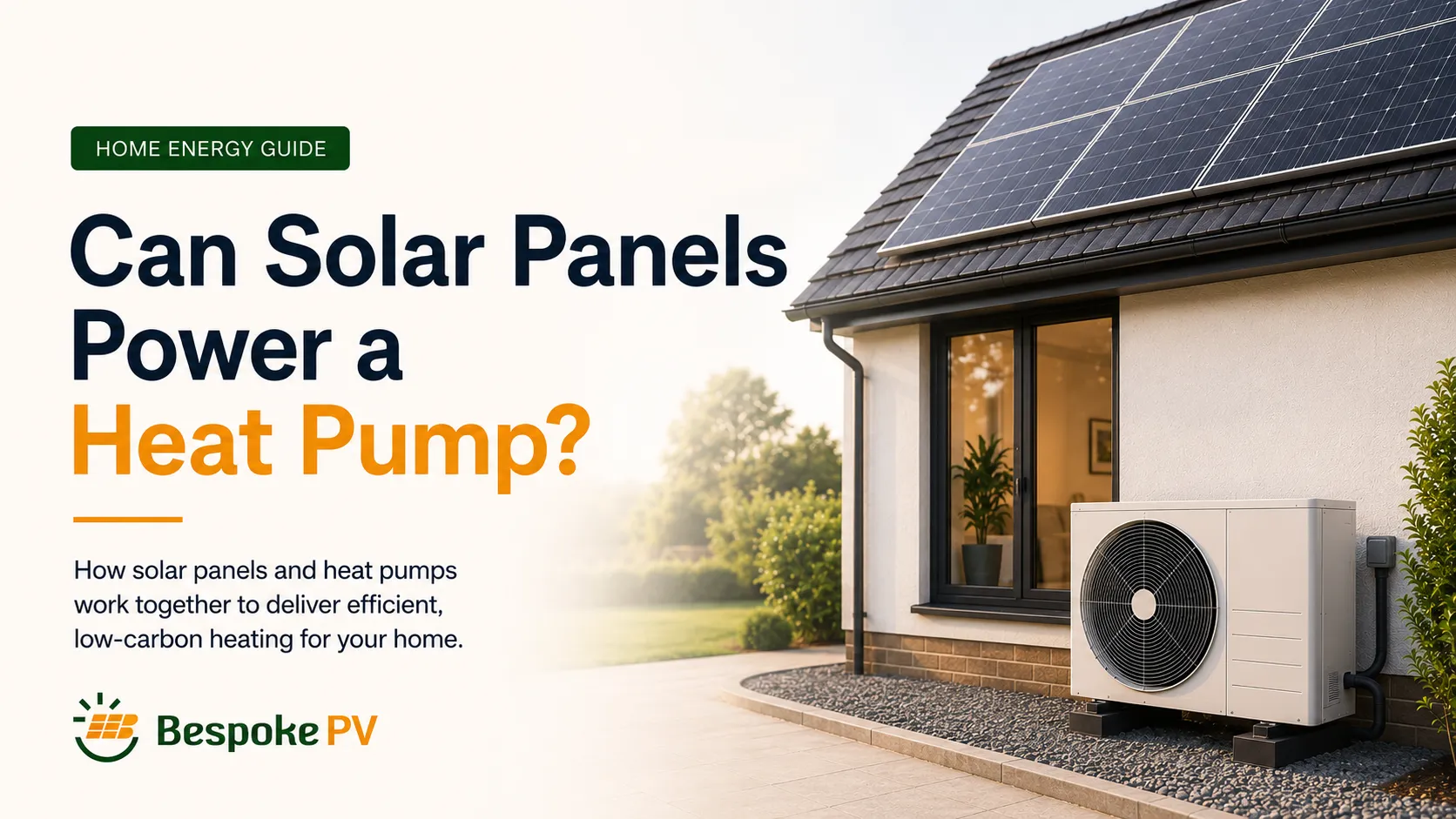
Solar generation may offset some of the electricity used by a heat pump system.

Solar panels generate electricity rather than heat directly, but they can support electric heating systems, heat pumps and wider household electrification.
Solar PV systems generate electricity that can power household appliances and electrical systems, including some forms of electric heating.
This may include heat pumps, electric radiators, immersion heaters and electric underfloor heating systems.
Rather than producing heat directly, solar panels help offset part of the electricity demand required to run these technologies.
The effectiveness depends on system size, household energy demand, insulation levels and how the heating system is configured.
Solar generation may offset some of the electricity used by a heat pump system.
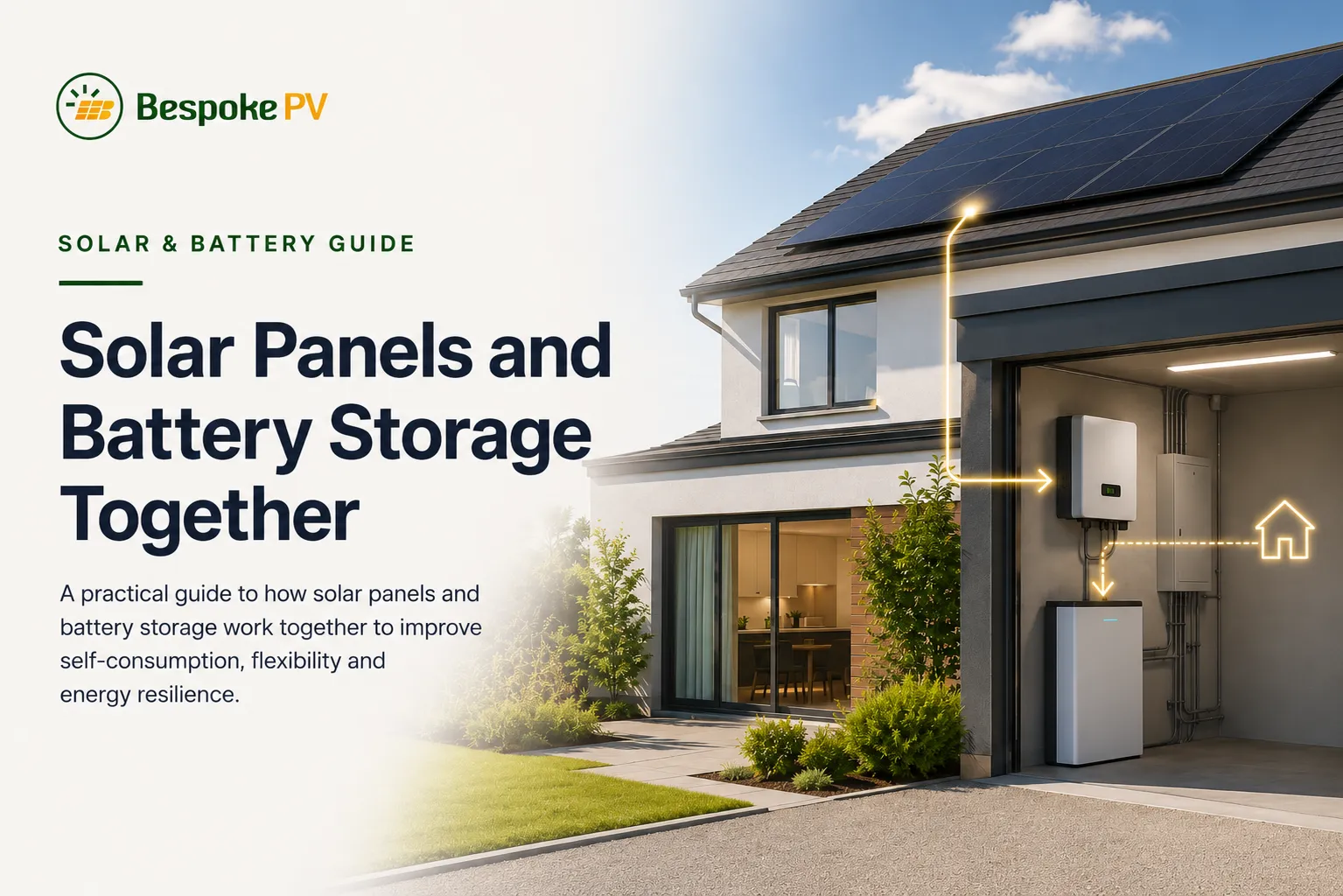
Battery systems may store surplus daytime solar generation for later use.
Combining technologies can improve renewable energy usage within the property.
No.
Solar PV panels generate electricity rather than heat.
This is different from older solar thermal systems, which are designed specifically to heat water.
Modern solar PV systems are generally far more flexible because the generated electricity can support a wide range of household technologies including heating, EV charging, battery storage and appliances.
This flexibility is one reason solar PV has become increasingly popular alongside wider household electrification.
The overall contribution depends on household demand and solar generation levels.
Solar-generated electricity may help support several types of electric heating systems.
Heat pumps and solar PV systems are commonly paired together.
Heat pumps use electricity to move heat rather than generate it directly, making them far more efficient than traditional electric resistance heating.
Solar PV may help offset some of the electricity used by the heat pump system during daylight hours.
As electricity prices rise and low-carbon heating adoption increases, many homeowners are increasingly viewing solar PV and heat pumps as part of one integrated energy system.
These technologies work differently.
The most effective renewable energy systems are usually designed around the entire property rather than individual technologies in isolation.
Solar PV, battery storage, heat pumps and EV charging increasingly work together as part of wider household energy planning.
This depends on property size, insulation levels, heating demand and solar generation capacity.
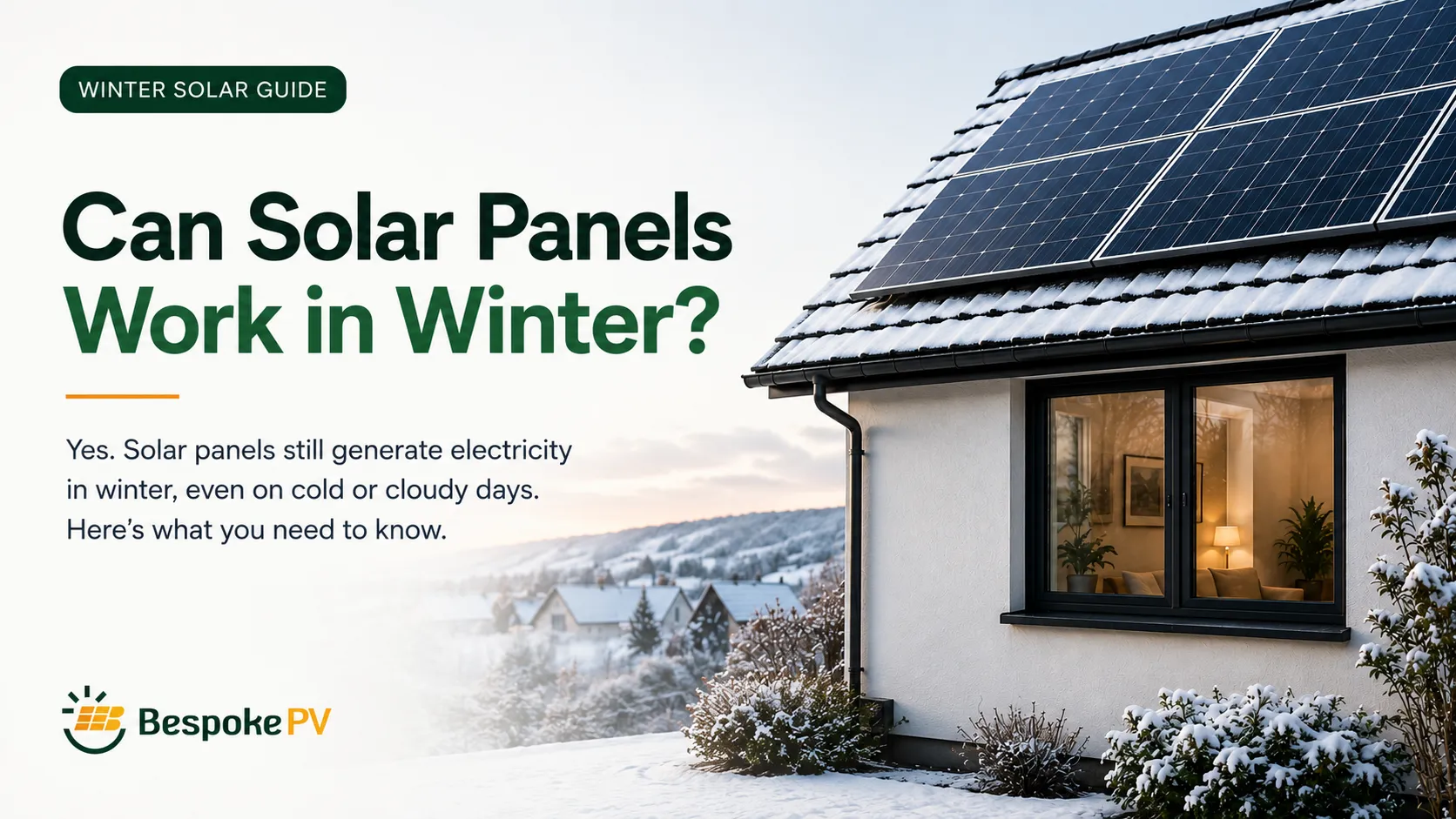
During winter months, heating demand is typically much higher while solar generation is lower.
For this reason, many homes will still require grid electricity or additional energy support during colder periods.
A professionally designed renewable energy system should balance generation, storage and household demand realistically rather than relying on unrealistic assumptions about total energy independence.
Heating demand is usually highest during winter when daylight hours are shortest.
This seasonal mismatch is one reason battery storage, smart tariffs and intelligent energy management are becoming increasingly important.
Even though winter solar generation is lower, solar PV may still help offset daytime electricity usage and contribute toward heat pump operation.
Read our guide: Can Solar Panels Work in Winter?
Battery storage is increasingly important within electrified homes.
Battery systems may improve how solar electricity is used within the property.
Self-consumption refers to how much solar electricity is used directly within the property rather than exported to the grid.
For heating systems, this can be especially important because imported electricity costs are often significantly higher than export tariff payments.
Using more solar electricity directly within the home may therefore improve the long-term value of the system.
This is one reason smart heating controls, battery storage and EV charging integration are becoming increasingly popular.
Every property has different heating and electricity requirements.
Several factors influence how effectively solar PV can support household heating.
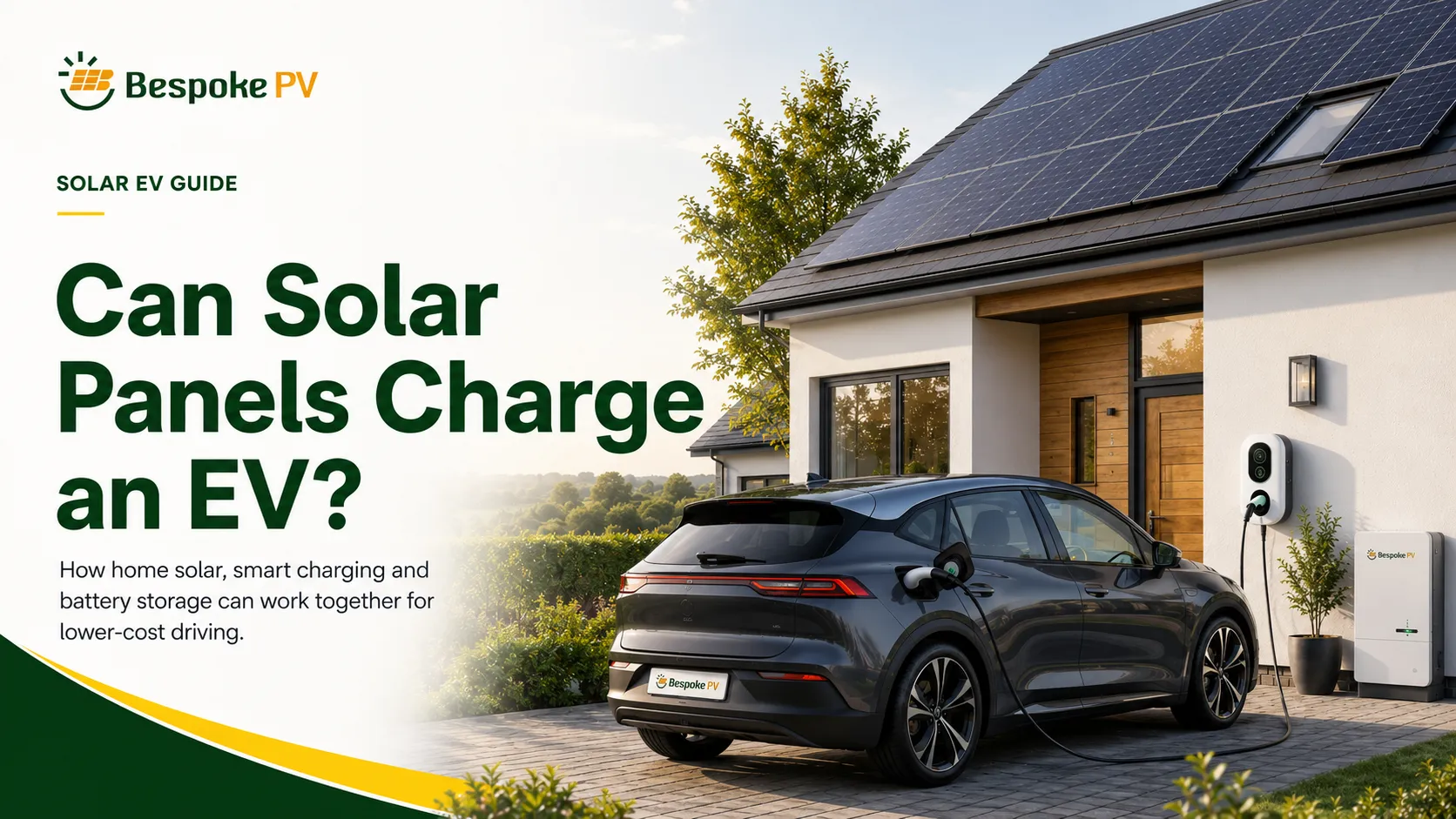
Electric vehicles are significantly increasing household electricity demand.
Many homeowners are now designing solar PV systems around wider electrification strategies that include EV charging, battery storage and low-carbon heating.
As homes become increasingly electrified, coordinated system design becomes much more important.
Read our guide: Can Solar Panels Charge an EV?
Household energy systems are evolving rapidly.
Many homeowners are increasingly thinking beyond immediate energy bills.
Energy resilience, future electrification and long-term flexibility are becoming major drivers for renewable energy adoption.
Solar PV, battery storage and electric heating systems are increasingly being viewed as part of wider household infrastructure planning rather than standalone technologies.
Professionally designed systems should therefore consider both current and future energy requirements.
Good system design balances generation, storage and household demand realistically.
Combining solar PV, battery storage and electric heating technologies requires careful planning.
Potentially yes.
By generating electricity on-site, solar PV systems may help reduce the amount of imported electricity required for electric heating systems.
The overall financial benefit depends heavily on household electricity usage patterns, system size, battery storage behaviour and future electricity pricing.
Many homeowners now increasingly view solar PV as part of a broader long-term energy resilience strategy rather than focusing only on short-term savings.
Professionally designed systems often perform more effectively long-term.
Bespoke PV designs integrated renewable energy systems around long-term performance, electrification and future flexibility.
Explore more Bespoke PV guides covering heat pumps, battery storage and wider household electrification.
Solar PV panels generate electricity rather than heat directly.
Yes. Solar generation may offset some of the electricity used by a heat pump system.
Battery storage may improve self-consumption by storing daytime solar generation for later use.
Explore related Bespoke PV articles and renewable energy insights.
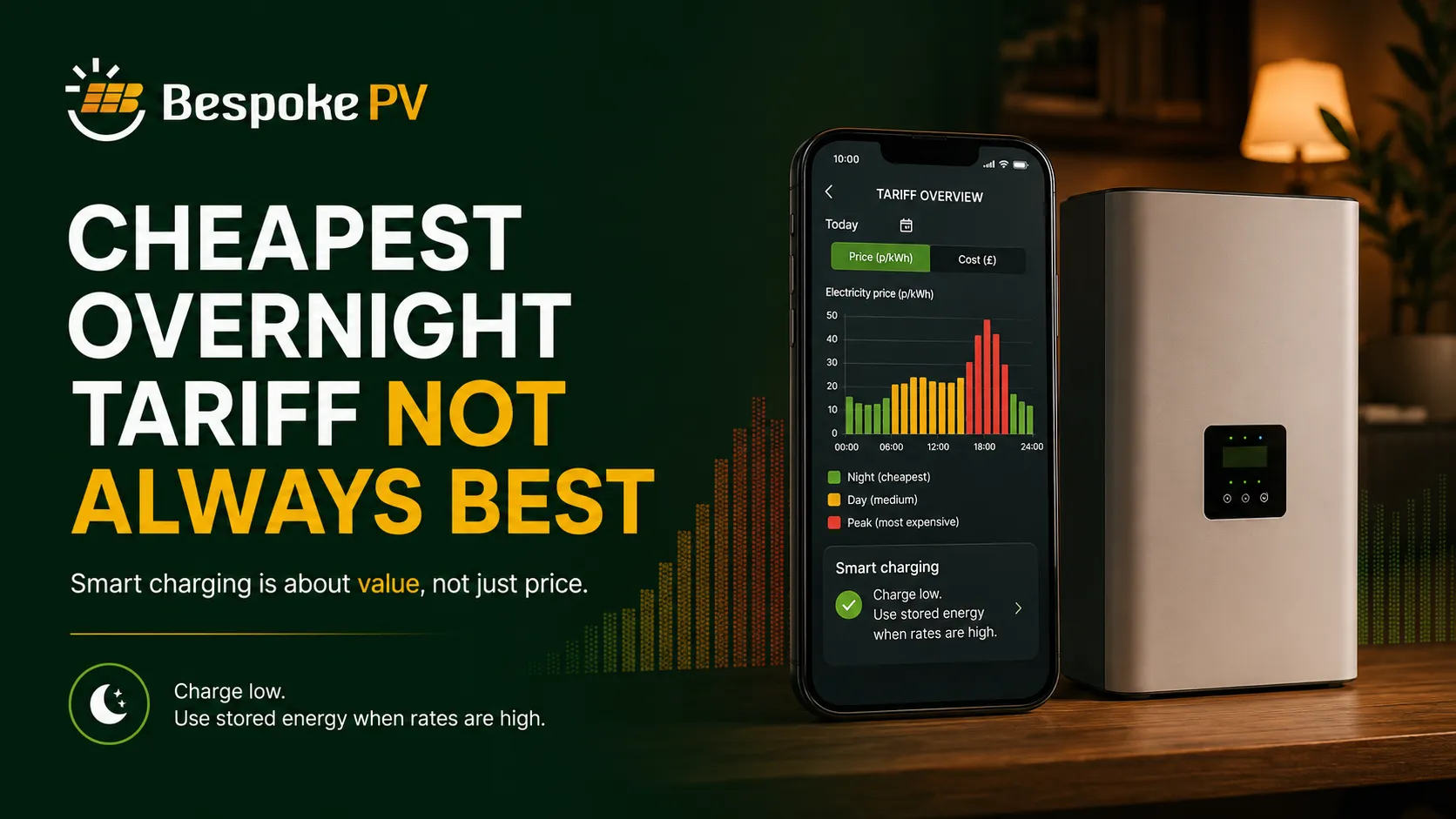
Explore renewable energy systems designed and installed by Bespoke PV.
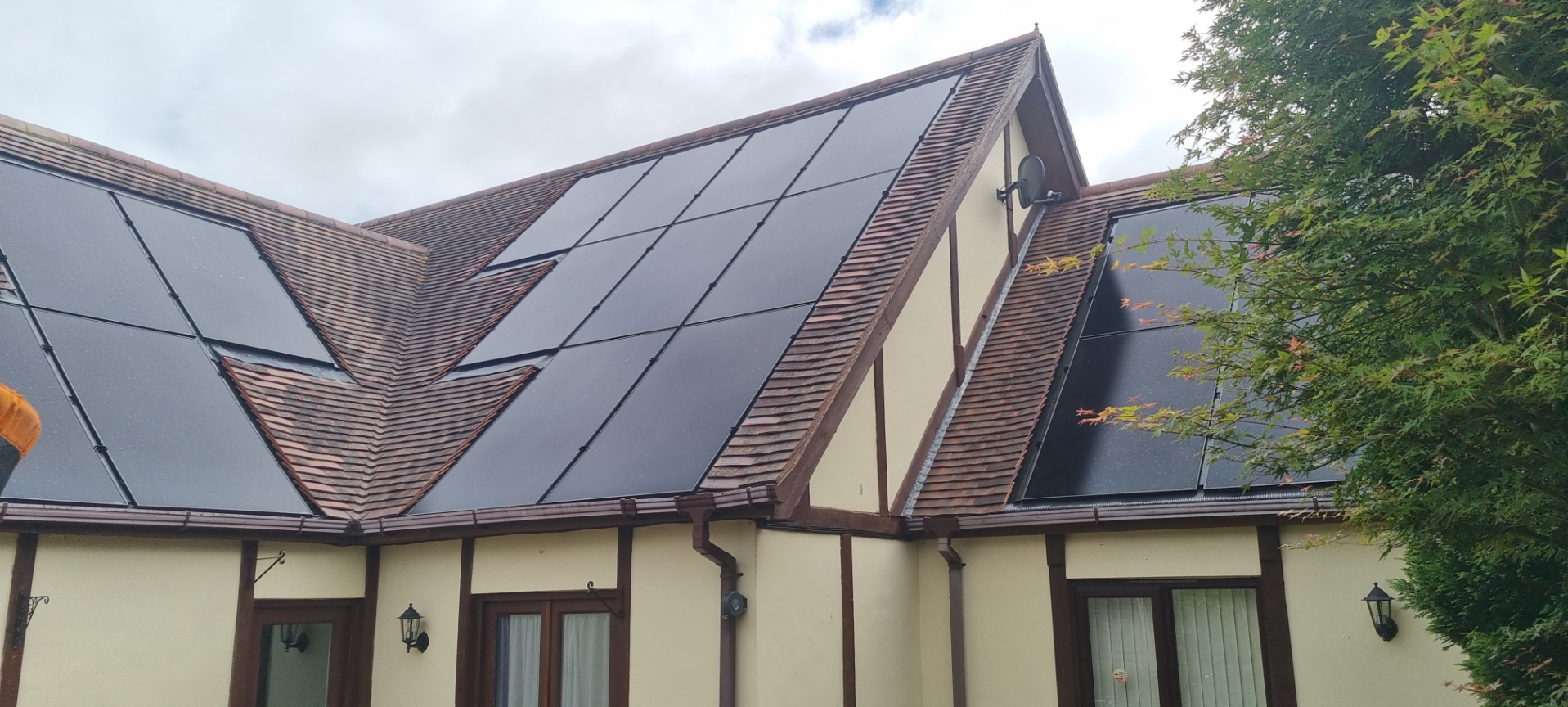

Bespoke PV designs solar PV, battery storage and EV charging systems across Hampshire, Dorset and the South Coast.
Bespoke solar PV, battery storage and EV charging systems for Southampton homes and businesses, designed around roof space, usage and future energy plans.
Solar panels in Southampton →Bespoke solar PV, battery storage and EV charging systems for homes and businesses across Winchester and Hampshire.
Solar panels in Winchester →Solar PV, battery storage and EV charging systems for homes and businesses across Portsmouth and the South Coast.
Solar panels in Portsmouth →Solar PV, battery storage and EV charging systems for homes and businesses across Bournemouth and the South Coast.
Solar panels in Bournemouth →Bespoke PV designs solar PV, battery storage and EV charging systems across Hampshire, Dorset, Wiltshire and the South Coast.
Speak with Bespoke PV about solar panels, battery storage and low-carbon heating support.