AC-Coupled Battery System
A battery system connected on the AC side of the property, often using its own battery inverter.

Battery storage systems can be designed in different ways. Two of the most common approaches are AC-coupled battery systems and hybrid inverter systems. Understanding the difference is important when choosing a system for existing solar panels, battery-only installation, future solar expansion or backup power.
When homeowners compare battery storage systems, they often focus on battery capacity, brand or price.
However, the way the battery connects into the electrical system can be just as important.
Battery architecture affects efficiency, installation complexity, future solar integration, monitoring, backup power capability and long-term expandability.
This is why AC-coupled and hybrid battery systems should not be treated as interchangeable.
A battery system connected on the AC side of the property, often using its own battery inverter.
A combined inverter system designed to manage solar generation and battery storage together.
AC-coupled systems are often used where solar panels already exist.
Hybrid systems are often attractive where solar and battery storage are designed together.
An AC-coupled battery system connects to the property on the alternating current side of the electrical installation.
In simple terms, it operates alongside the existing electrical system rather than being directly integrated into the solar inverter.
This approach is often used when a property already has solar panels and an existing solar inverter.
The battery system has its own inverter to charge and discharge the battery, allowing it to be added without necessarily replacing the original solar inverter.
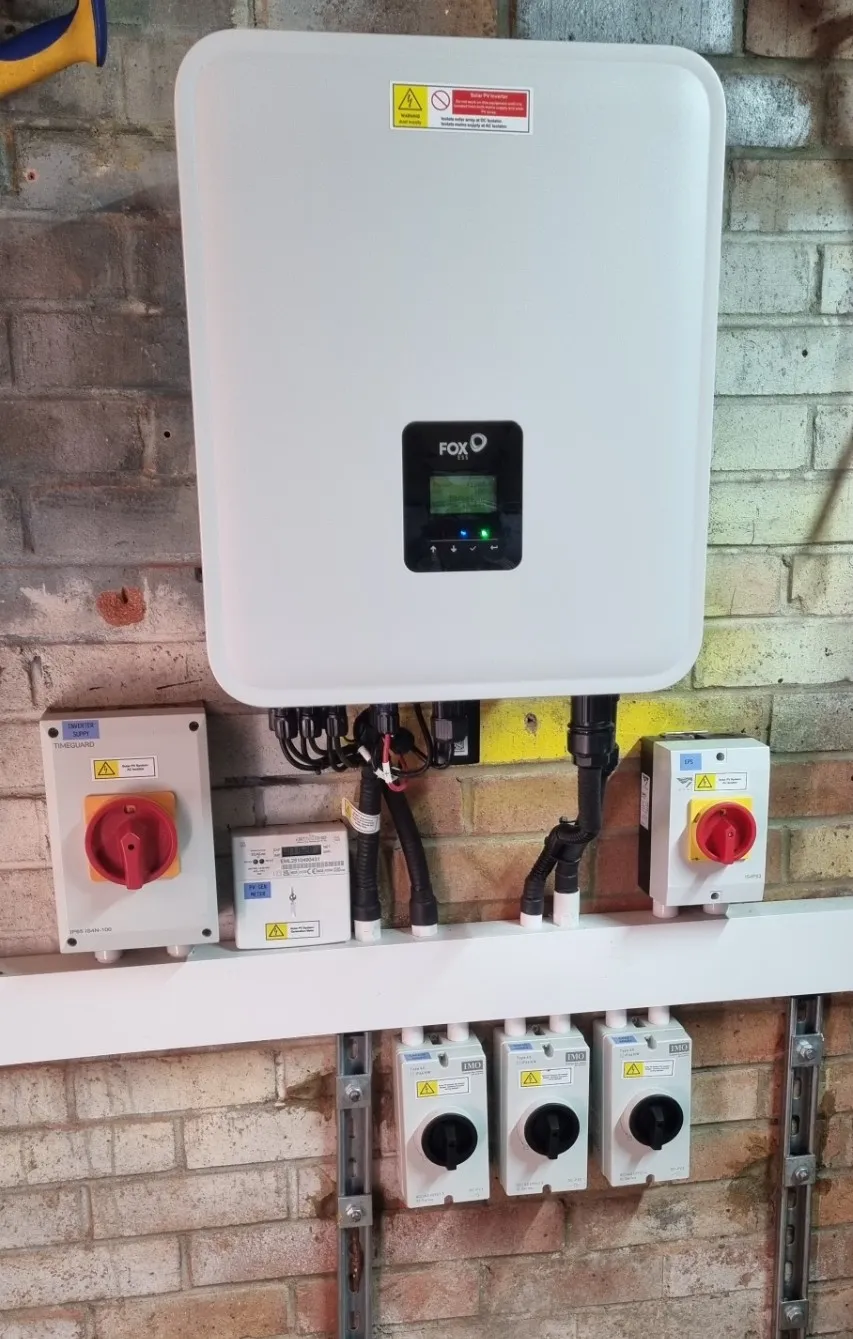
A hybrid battery system uses a hybrid inverter designed to manage both solar generation and battery storage.
Solar panels connect into the hybrid inverter, and the battery also connects into the same overall system.
This can create a cleaner and more integrated design, particularly for new installations or battery-first installations where solar may be added later.
The hybrid inverter becomes the central energy management device for solar generation, battery charging, battery discharging and grid interaction.
Both approaches can work well, but they suit different situations.
AC-coupled batteries are commonly used where solar panels have already been installed.
If the existing solar inverter is still working well, an AC-coupled battery may allow battery storage to be added without replacing the entire solar inverter system.
This can make AC coupling attractive for retrofit projects, particularly where the original solar PV installation is relatively recent or where replacing equipment would add unnecessary cost.
However, the overall design still needs to be assessed carefully.
Where solar panels and battery storage are being designed together, a hybrid inverter system can often provide a neater solution.
Instead of installing separate solar and battery inverter systems, the hybrid inverter coordinates both functions.
This can reduce equipment duplication, simplify monitoring and create a more unified system architecture.
For many new installations, or battery-first installations where solar is likely to be added later, this can make hybrid systems particularly attractive.
Hybrid systems are often attractive when the whole energy system is being planned from the start.
AC-coupled systems can be useful where existing equipment needs to be retained.
Efficiency is one of the most discussed differences between AC-coupled and hybrid systems.
In a hybrid system, solar energy can often be moved into the battery with fewer conversion stages.
In an AC-coupled system, energy may pass through additional conversion steps, particularly when solar generation is converted to AC and then converted again for battery charging.
In practice, the importance of these losses depends on the property, system design, usage pattern and whether the installation is new or retrofit.
Efficiency matters, but it should not be the only factor considered.
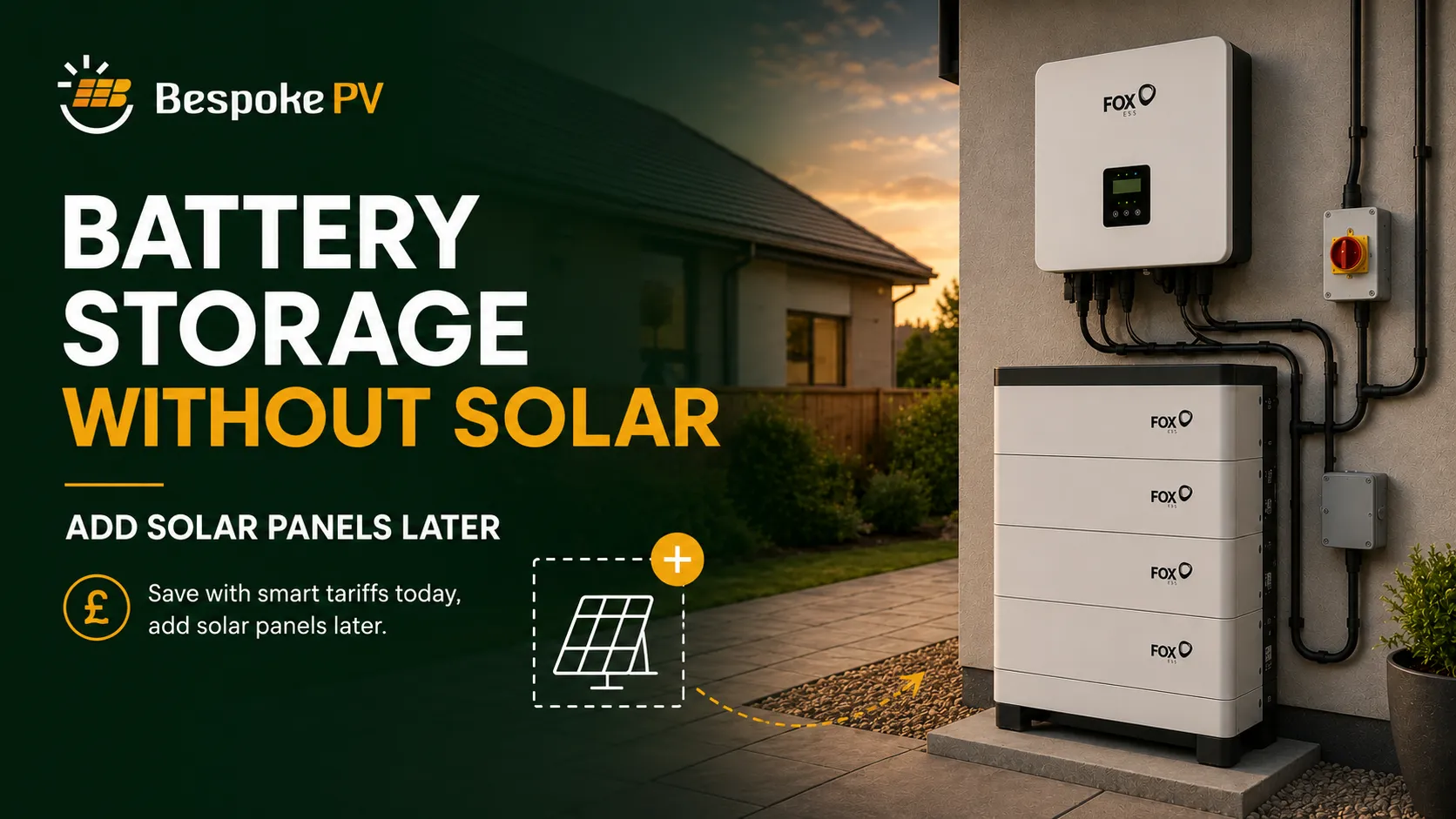
Hybrid systems can be particularly useful for homeowners who want to install battery storage first and add solar panels later.
If the correct hybrid inverter is selected at the beginning, the future solar array can often be integrated more cleanly.
This avoids the risk of installing a battery-only system that works today but becomes restrictive when solar is added later.
For a staged energy upgrade, inverter selection, PV input capacity, cable routes and installation location should all be considered from day one.
We often see homeowners ask whether AC-coupled or hybrid battery storage is better.
The honest answer is that it depends on the starting point.
If a property already has a good solar PV system, AC coupling may be a sensible retrofit route.
If the system is being designed from scratch, or battery storage is being installed before future solar panels, a hybrid approach is often cleaner and more future-ready.
Backup power should be considered early when choosing between AC-coupled and hybrid battery systems.
Not every battery system provides backup capability, and not every backup system supports the same loads.
Some systems are designed for critical loads only, while others may support whole-home backup when correctly specified.
The chosen architecture can affect how backup circuits are wired, how the system behaves during a grid outage and how much battery and inverter capacity is required.
If backup power is important, it should be specified at the design stage rather than assumed later.
Backup requirements can influence system architecture.
Monitoring can also differ between system types.
A hybrid system may provide a more unified view of solar generation, battery storage, grid import, grid export and household consumption through one platform.
An AC-coupled retrofit system may involve separate monitoring platforms, depending on the existing solar inverter and the battery manufacturer selected.
This does not mean AC-coupled systems cannot be monitored effectively, but it does mean user experience should be considered during system design.
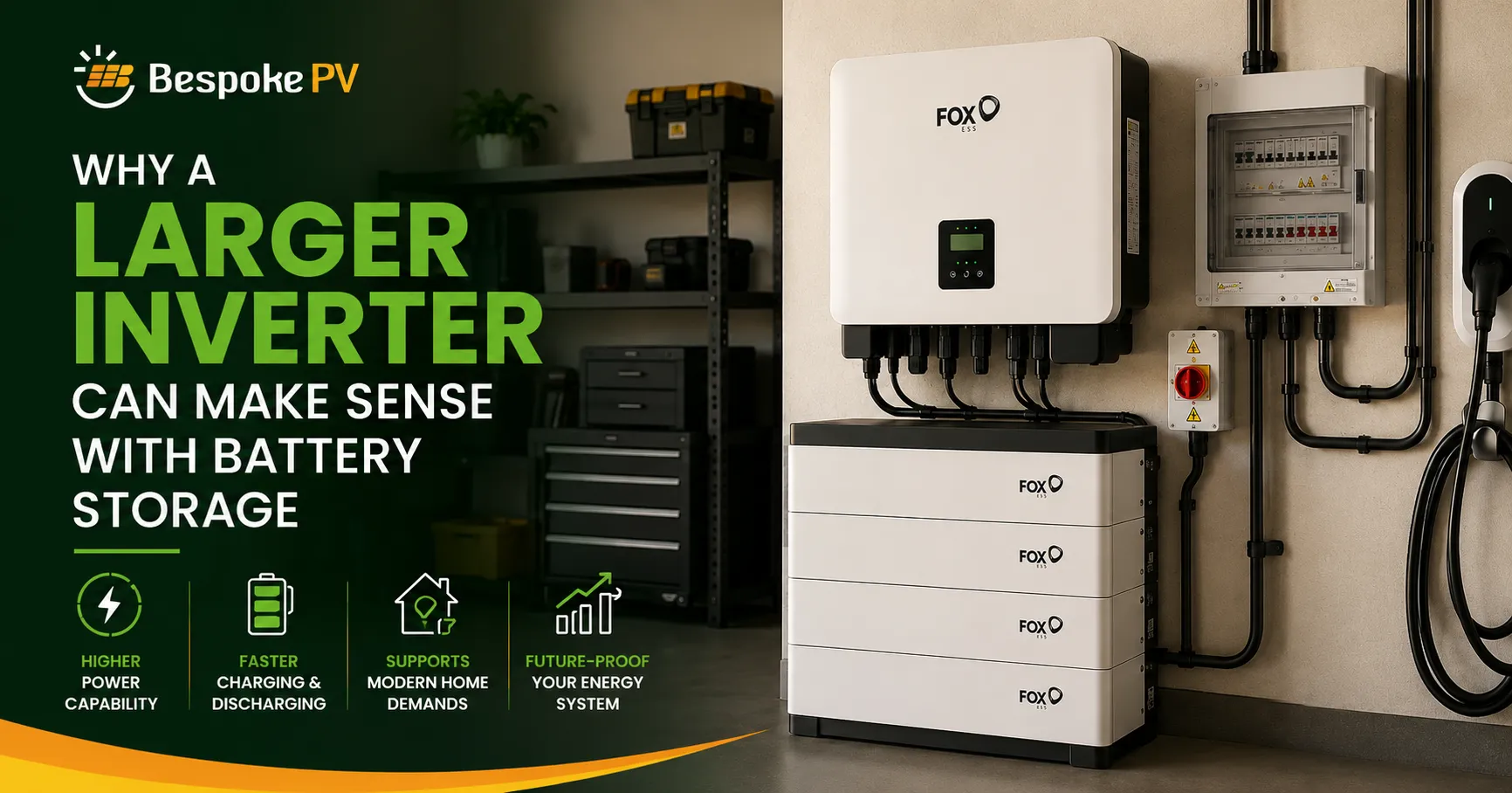
Inverter sizing is important in both AC-coupled and hybrid battery systems.
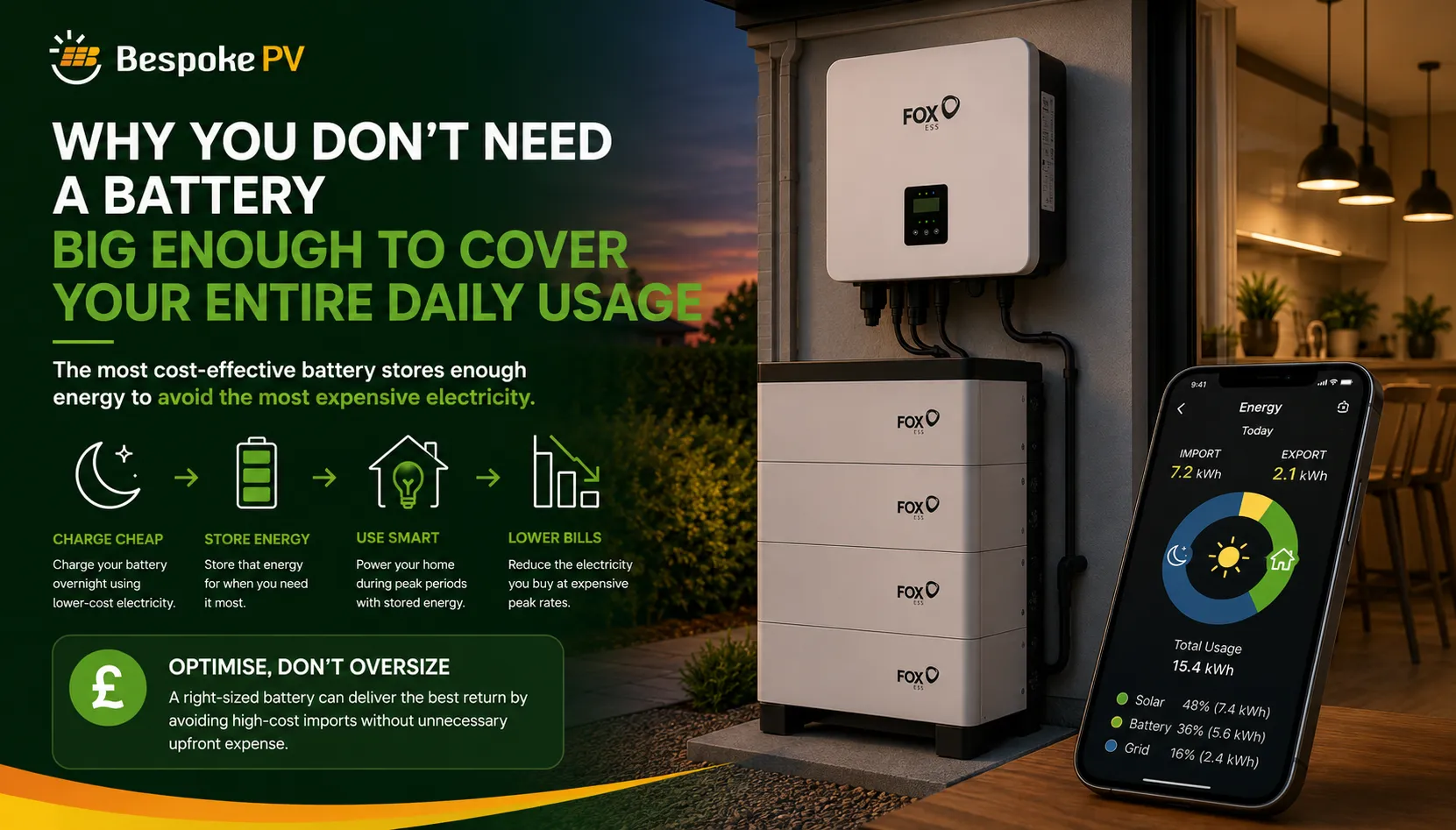
A battery system should be designed around household demand, battery charge and discharge rates, smart tariff use, backup requirements and future electrification.
If electric vehicles, heat pumps or larger solar arrays may be added later, the inverter strategy should reflect that.
Choosing a system only around today's requirements can make future expansion more complicated or less effective.
The right architecture depends on the wider energy plan.
AC-coupled and hybrid battery systems both have valid uses.
A well-designed AC-coupled retrofit system can be a sensible way to add battery storage to an existing solar installation.
A well-designed hybrid system can be an excellent option for new installations, battery-first projects and future-ready solar integration.
The best answer depends on the property, existing equipment, budget, future plans and the homeowner's priorities.
Battery storage should never be selected on architecture alone.
The right system should reflect how the property uses electricity, whether solar is already installed, whether solar may be added later, how much power the home requires, and whether backup capability matters.
At Bespoke PV, we assess the complete energy picture before recommending AC-coupled, hybrid or other system approaches.
The goal is not simply to install a battery. The goal is to design a system that works properly now and remains flexible for the future.
Explore more Bespoke PV articles covering battery-first installations, inverter sizing, battery performance and future-ready energy design.

An AC-coupled battery system connects to the property on the AC side of the electrical installation and usually uses its own battery inverter.
A hybrid battery system uses a hybrid inverter to manage solar generation and battery storage within the same overall system.
AC-coupled systems usually add a separate battery inverter, while hybrid systems use one inverter platform to manage solar panels and battery storage together.
It depends on the property. AC-coupled systems can suit retrofits, while hybrid systems are often cleaner for new installations or future solar integration.
AC-coupled battery storage often makes sense when a property already has solar panels and the existing solar inverter is worth keeping.
A hybrid system often makes sense for new solar and battery installations, or battery-first systems where solar panels may be added later.
Yes. AC-coupled batteries are commonly used to add battery storage to existing solar PV systems.
Yes. A suitable hybrid inverter can be installed with battery storage first and used for solar panels later if designed correctly.
Often, yes. A hybrid inverter can provide a cleaner route for future solar integration when selected with future PV capacity in mind.
AC-coupled systems may involve additional conversion stages, which can reduce efficiency compared with some hybrid system designs.
Not always, but hybrid systems can often move solar energy into the battery with fewer conversion stages than AC-coupled retrofit systems.
No. Existing equipment, installation cost, future solar plans, backup requirements, monitoring and expandability should also be considered.
Some AC-coupled battery systems can provide backup power if designed for it, but backup capability should be confirmed during system design.
Some hybrid battery systems can provide backup power, but the system must be designed with suitable inverter capacity, wiring and battery reserve settings.
Yes. Backup requirements can influence inverter size, battery capacity, wiring design, reserve capacity and whether critical loads or whole-home backup are supported.
Critical loads backup supports selected essential circuits such as lighting, refrigeration, internet equipment and heating controls during a power cut.
Whole-home backup is designed to support most or all household circuits during a grid outage, subject to inverter capacity and battery size.
Yes. Both system types can potentially use smart tariffs, provided the battery and inverter support suitable charge and discharge scheduling.
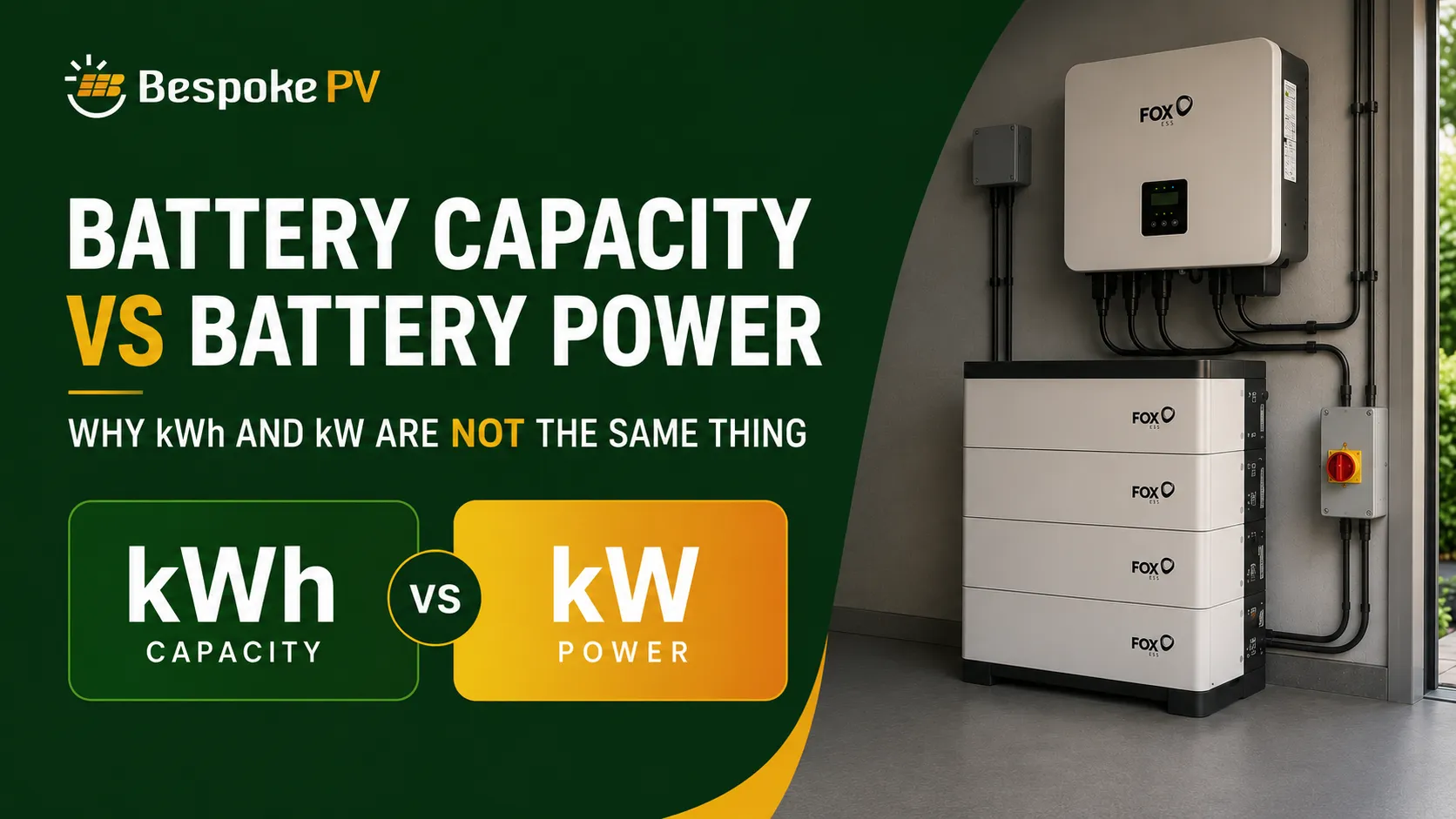
Yes. The battery inverter size affects how quickly the battery can charge and discharge.
Yes. Hybrid inverter size can affect solar integration, battery charging, discharge capability and future expansion options.
Yes. An unsuitable inverter may restrict future solar array size, battery performance or upgrade flexibility.
Sometimes. AC-coupled retrofit systems may involve separate monitoring platforms depending on the existing solar inverter and battery system.
Often, yes. Hybrid systems may provide a more unified view of solar generation, battery storage, grid import and household consumption.
Often, yes. AC-coupled battery systems can allow an existing solar inverter to remain in place if it is suitable and working well.
Not necessarily. If the existing inverter is old, limited or unsuitable for future plans, replacing it with a hybrid inverter may be worth considering.
Yes. AC-coupled battery storage is often a practical retrofit option for homes that already have solar panels.
Yes. Hybrid systems are often well suited to new solar and battery installations because they integrate both functions through one inverter platform.
Yes. Battery storage can be installed first, but the inverter and system layout should be chosen with future solar integration in mind.
Homeowners should consider existing solar equipment, future solar plans, inverter sizing, efficiency, monitoring, backup power, expansion options and installation cost.
No. The best approach depends on the property, existing equipment, tariff strategy, backup requirements and long-term energy plans.
Explore related Bespoke PV articles and renewable energy insights.
Explore renewable energy systems designed and installed by Bespoke PV.
Bespoke PV designs solar PV, battery storage and EV charging systems across Hampshire, Dorset and the South Coast.
Bespoke solar PV, battery storage and EV charging systems for Southampton homes and businesses, designed around roof space, usage and future energy plans.
Solar panels in Southampton →Bespoke solar PV, battery storage and EV charging systems for homes and businesses across Winchester and Hampshire.
Solar panels in Winchester →Solar PV, battery storage and EV charging systems for homes and businesses across Portsmouth and the South Coast.
Solar panels in Portsmouth →Solar PV, battery storage and EV charging systems for homes and businesses across Bournemouth and the South Coast.
Solar panels in Bournemouth →Bespoke PV designs solar PV, battery storage and EV charging systems across Hampshire, Dorset, Wiltshire and the South Coast.
Speak with Bespoke PV about choosing the right battery architecture for your current system, future solar plans and long-term energy requirements.