Electricity Conversion
Inverters convert solar-generated DC electricity into usable AC electricity.

Solar inverters are one of the most important components of a solar PV system. They convert solar electricity into usable power for homes and businesses while increasingly acting as intelligent energy management systems.
Solar panels generate direct current (DC) electricity, while most homes and businesses use alternating current (AC) electricity.
The inverter converts DC electricity into usable AC electricity for the property.
Without an inverter, electricity generated by solar panels could not normally be used by household appliances or exported to the grid.
Modern inverters also manage monitoring, system communication, export behaviour, battery integration and increasingly sophisticated energy management functions.
Inverters convert solar-generated DC electricity into usable AC electricity.
Modern inverters often provide monitoring, performance tracking and fault reporting.
Hybrid inverters can manage battery charging, solar generation and grid interaction together.
Many homeowners focus primarily on solar panels themselves, but inverter selection can significantly influence system flexibility, monitoring capability, battery compatibility and long-term performance.
As homes become increasingly electrified through EV charging, heat pumps and battery storage, the inverter is increasingly becoming the central energy management component within the property.
This is one reason professionally tailored system design is so important.
Modern inverters are becoming intelligent energy management systems.
Modern inverters increasingly control much more than electricity conversion alone.
Several different inverter technologies are used across residential and commercial solar systems.
The right solution depends on roof layout, shading conditions, battery storage plans, future expansion requirements, monitoring needs and long-term energy goals.
Inverter selection should therefore be based on the wider system strategy rather than simply lowest upfront cost.
Different inverter types suit different system priorities.
String inverters remain one of the most common inverter types used across residential and commercial solar installations.
In a string inverter system, multiple solar panels are connected together into strings.
These systems are often well suited to roofs with minimal shading, simple roof layouts and consistent panel orientation.
String inverter systems are widely used because they can provide reliable performance and cost-effective installation across many property types.
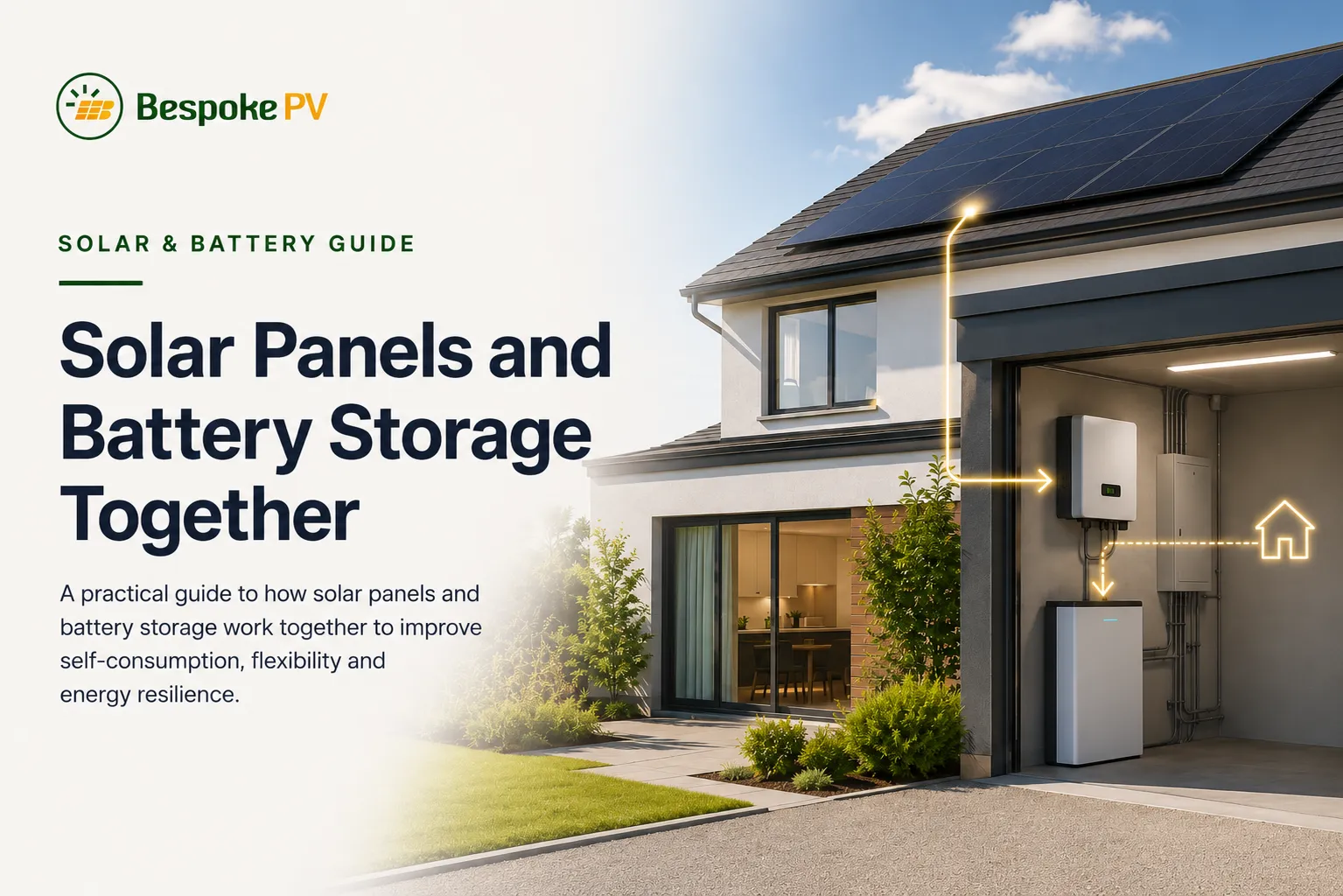
Hybrid inverters are increasingly popular alongside battery storage systems.
A hybrid inverter can manage solar generation, battery charging, household electricity demand, grid import and grid export together.
As homes become increasingly electrified, hybrid systems are becoming more common due to their flexibility and future expandability.
Read our guide: Solar Panels and Battery Storage Together
Increasingly, solar inverters are becoming intelligent energy management systems rather than simple electricity converters.
Modern systems may coordinate battery storage, EV charging, smart tariffs and wider household electrification together.
Inverter specification can influence overall system efficiency, monitoring visibility and future flexibility.
Factors influencing inverter performance include conversion efficiency, shading management, monitoring capability, cooling and ventilation, firmware support and battery compatibility.
Inverter selection should therefore be based on long-term system goals rather than upfront cost alone.
The strongest systems are usually designed around future energy usage rather than only current household demand.
Inverter quality and design can affect long-term system behaviour.
Several technical factors influence long-term inverter operation.
Some systems can provide backup capability, but not all inverters support this functionality.
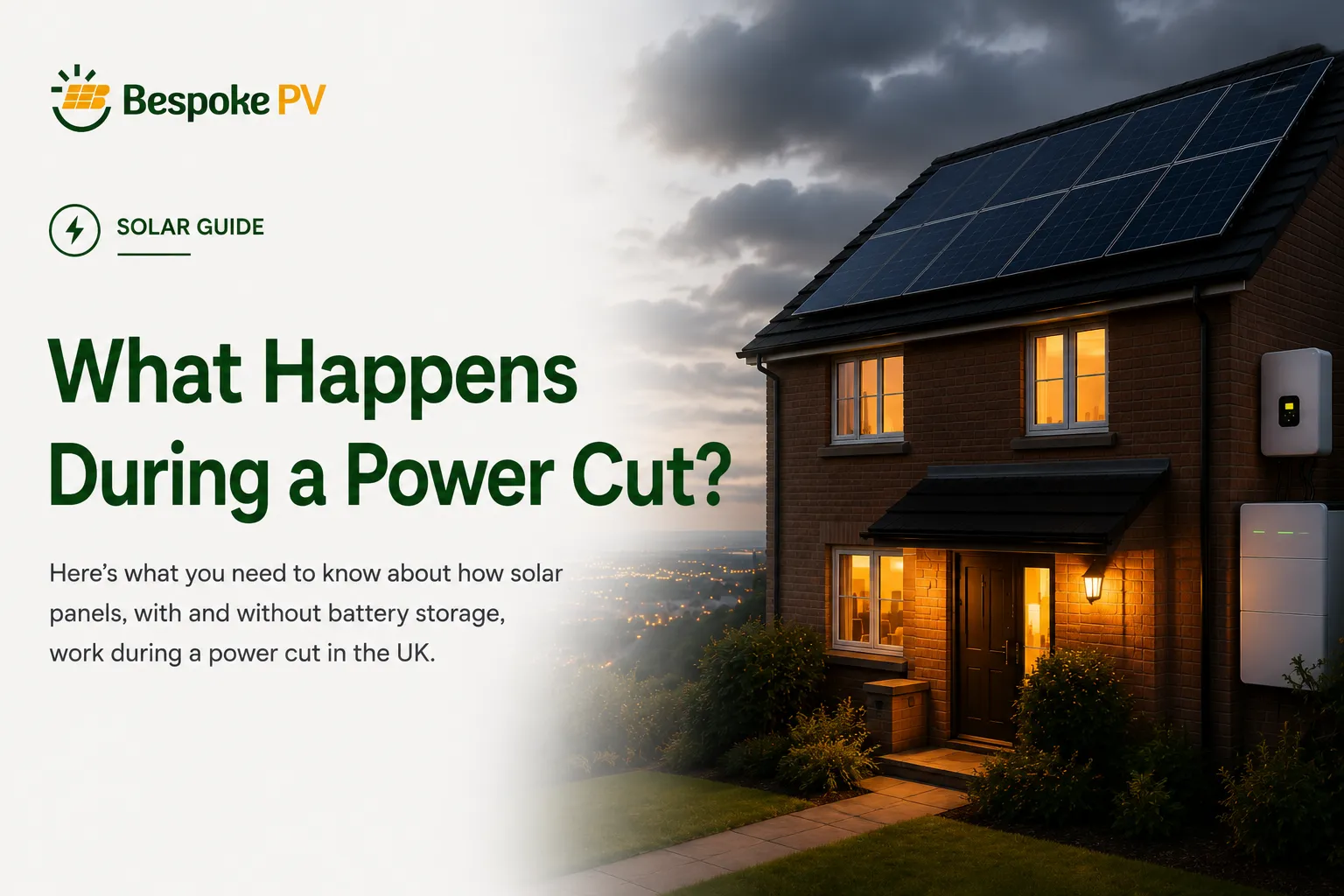
Standard grid-connected solar systems usually shut down during a power cut for safety reasons.
However, some hybrid battery systems can continue supplying selected circuits during outages.
Backup capability depends on inverter design, battery configuration, electrical setup and backup circuit planning.
Read our guide: What Happens During a Power Cut?
Not all solar systems behave the same during outages.
Modern inverters often provide detailed system monitoring.
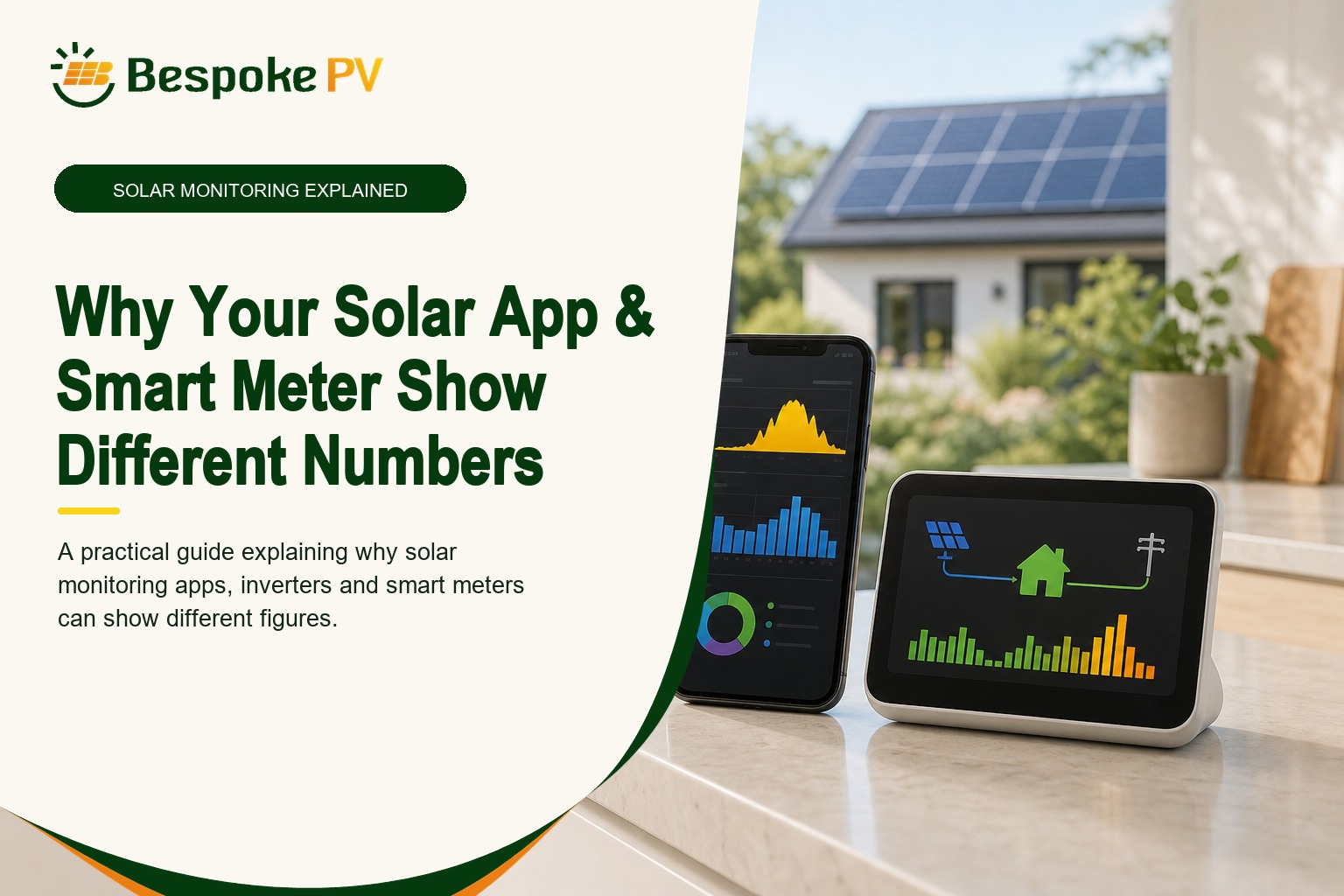
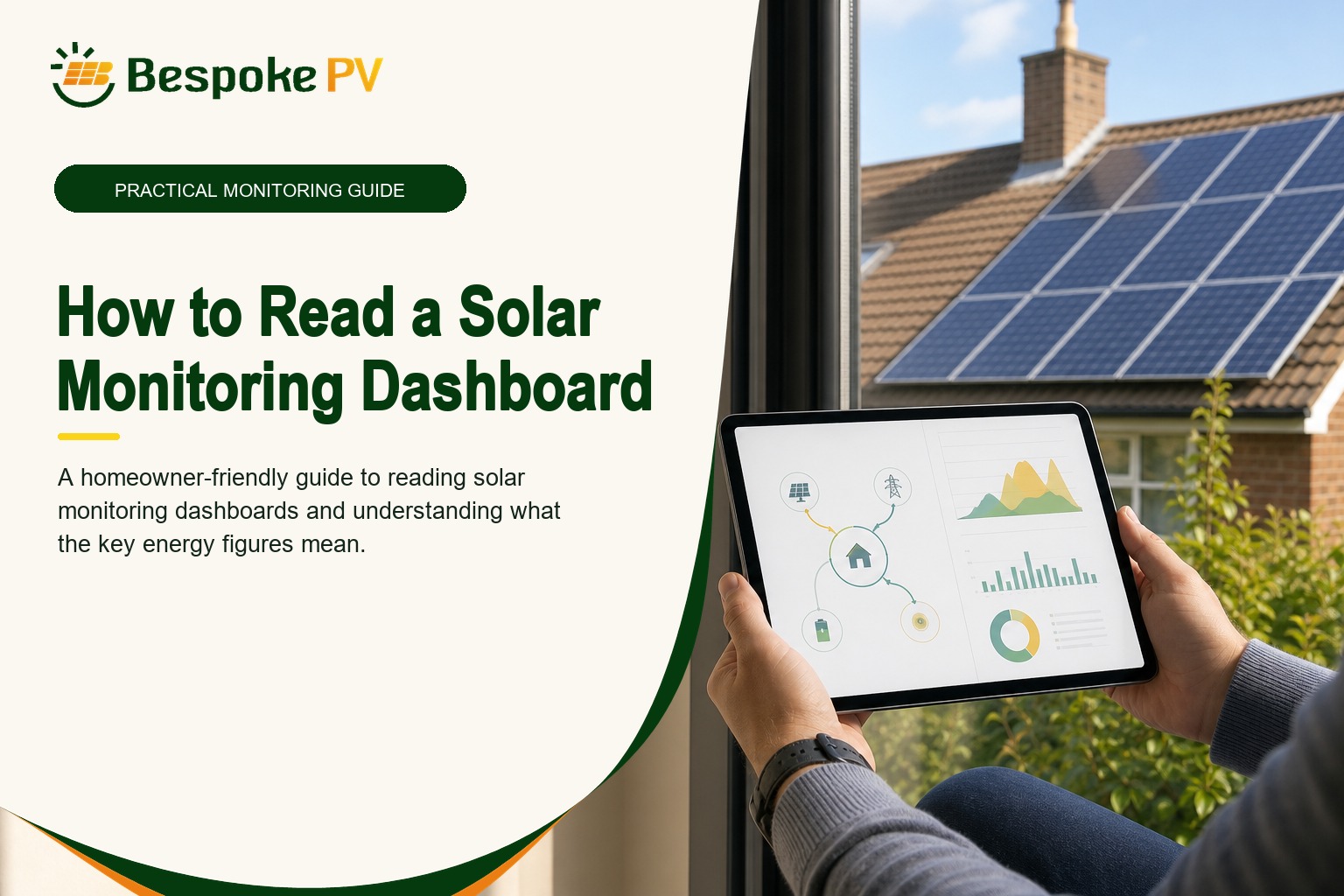
Monitoring platforms may help track solar generation, battery charging, electricity usage, grid import, grid export, system faults and long-term performance trends.
Monitoring becomes increasingly important as homes adopt battery storage, EV charging, heat pumps and smart tariffs.
Good monitoring visibility may also help identify faults or underperformance earlier before larger issues develop.
Monitoring is increasingly central to intelligent energy management.
Modern monitoring systems provide detailed insight into household energy behaviour.
Electric vehicles and heat pumps are significantly increasing household electricity demand.
Many homeowners now choose inverter systems designed around future electrification rather than current electricity usage alone.
Battery compatibility, smart tariff support, monitoring capability and future scalability are therefore becoming increasingly important when selecting inverter technology.
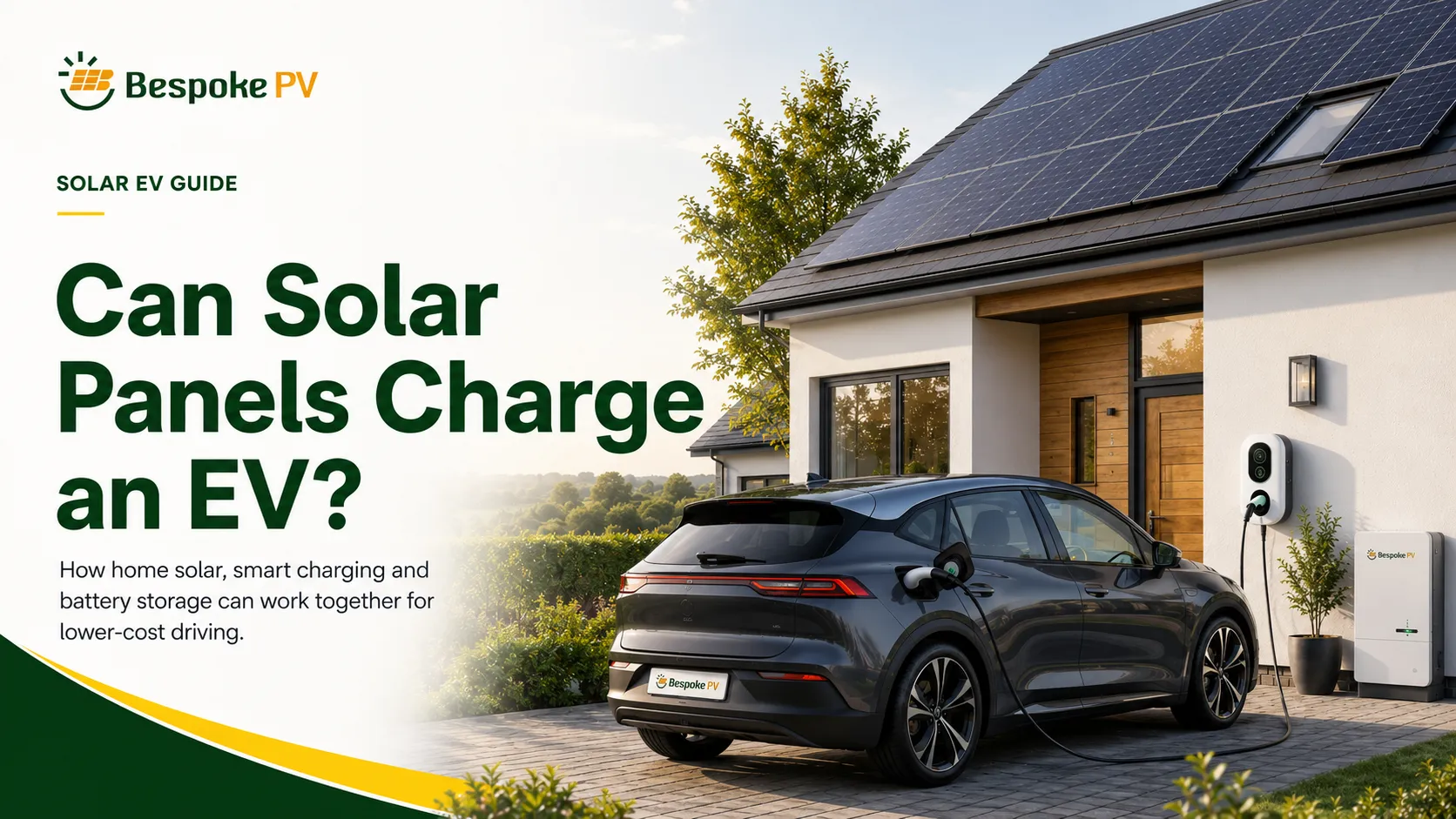
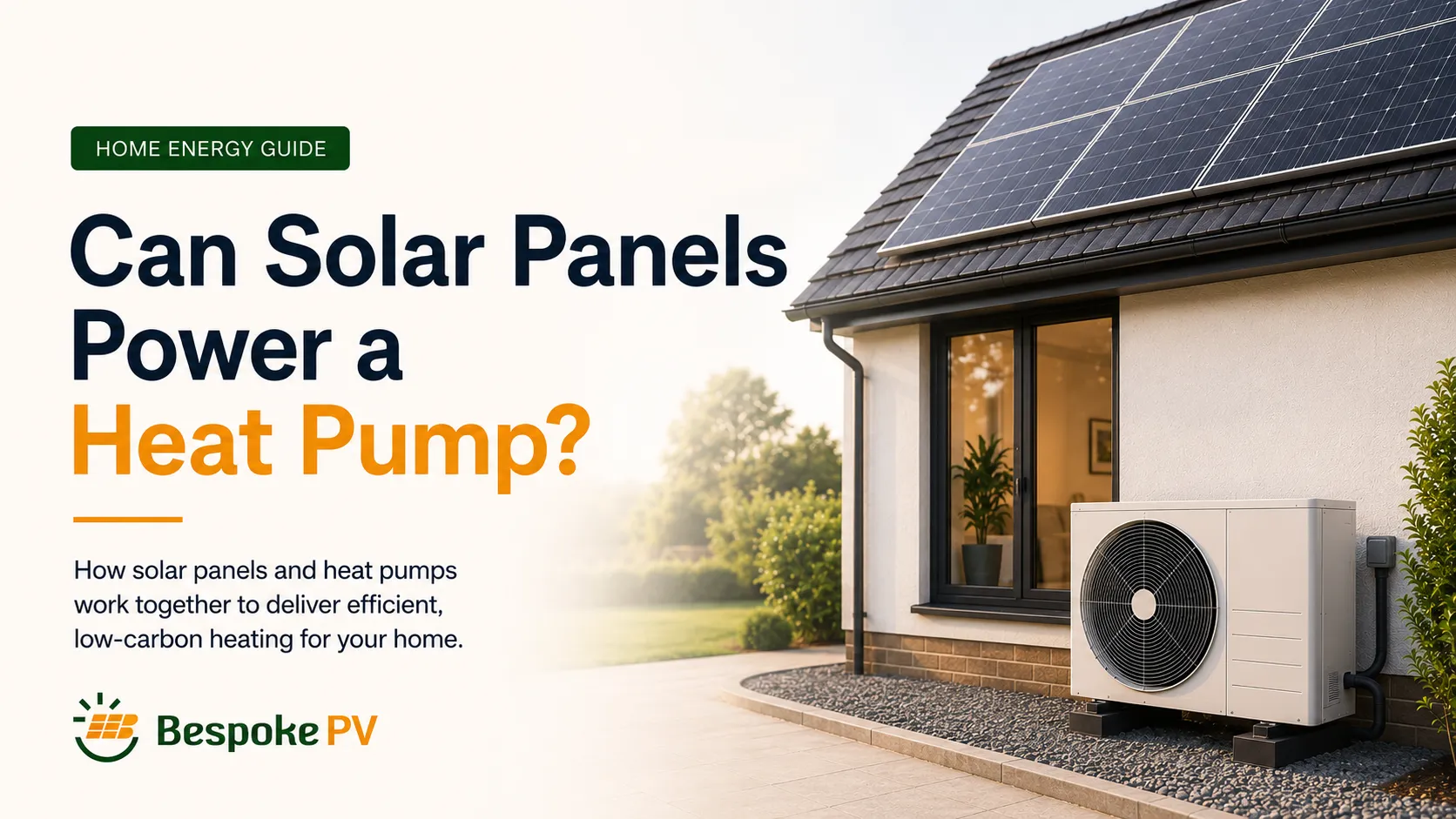
Read our guides: Can Solar Panels Charge an EV? and Can Solar Panels Power a Heat Pump?
Inverters typically have shorter lifespans than solar panels themselves.
Longevity depends on installation quality, environmental conditions, ventilation, system loading and manufacturer reliability.
Manufacturer support and long-term software stability are also becoming increasingly important considerations as energy systems become more software-driven.
Read our article: GivEnergy Administration: What It Means for Homeowners
Long-term software stability is becoming increasingly important.
Modern inverter systems increasingly rely on software and digital infrastructure.
Inverter selection should always be tailored to the property and long-term energy plans.
A professionally designed system should consider roof orientation, shading analysis, battery compatibility, future EV charging, heat pump integration, monitoring requirements and long-term flexibility.
The inverter increasingly acts as the central intelligence layer of the modern home energy system.
This is why professionally coordinated system design is so important for long-term performance and resilience.
The right inverter strategy supports future household electrification.
Bespoke PV designs solar PV and battery systems focused on intelligent energy management and long-term flexibility.
Explore more Bespoke PV guides covering battery storage, backup power and integrated home energy systems.
A solar inverter converts DC electricity from solar panels into usable AC electricity for the property.
Yes. Hybrid inverters can also manage battery storage and energy flows.
Some hybrid systems can provide backup capability, depending on system configuration.
Many modern inverters provide monitoring platforms and performance tracking.
Inverters typically have shorter lifespans than solar panels, although longevity varies between systems and manufacturers.
Explore related Bespoke PV articles and renewable energy insights.

Explore renewable energy systems designed and installed by Bespoke PV.
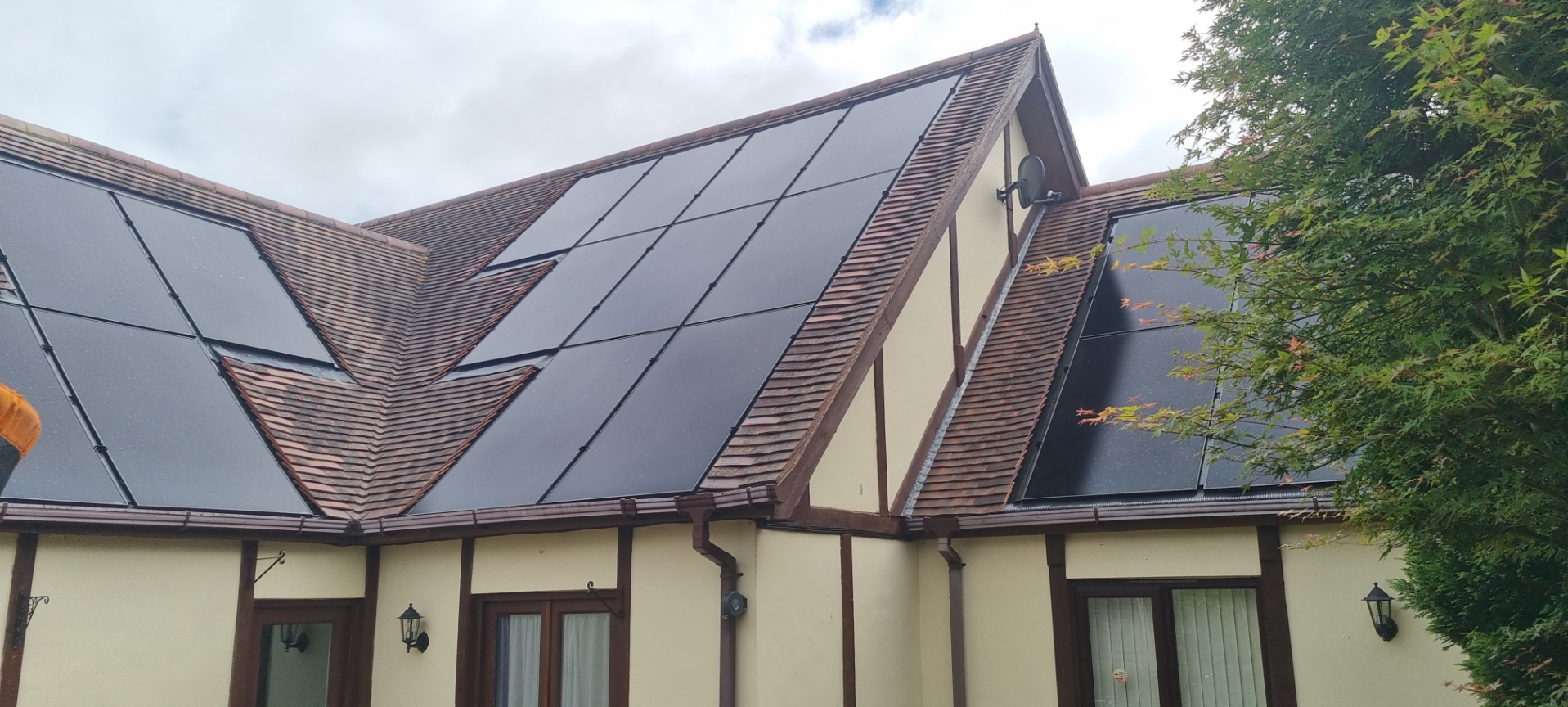

Bespoke PV designs solar PV, battery storage and EV charging systems across Hampshire, Dorset and the South Coast.
Bespoke solar PV, battery storage and EV charging systems for Southampton homes and businesses, designed around roof space, usage and future energy plans.
Solar panels in Southampton →Bespoke solar PV, battery storage and EV charging systems for homes and businesses across Winchester and Hampshire.
Solar panels in Winchester →Solar PV, battery storage and EV charging systems for homes and businesses across Portsmouth and the South Coast.
Solar panels in Portsmouth →Solar PV, battery storage and EV charging systems for homes and businesses across Bournemouth and the South Coast.
Solar panels in Bournemouth →Bespoke PV designs solar PV, battery storage and EV charging systems across Hampshire, Dorset, Wiltshire and the South Coast.
Speak with Bespoke PV about solar PV, hybrid inverters and battery-ready system design.