Panel Lifespan
- How long the panel can continue producing electricity.
- Can extend beyond the warranty period.
- Depends on product quality, installation and site conditions.

Solar panels are often described as lasting 25 years, but that does not mean they suddenly stop working after 25 years. In most cases, a well-installed solar PV system can continue generating electricity for decades, with output gradually reducing over time.
Most good-quality solar panels should last at least 25 years, and many continue producing useful electricity beyond that.
The important point is that solar panels do not usually fail all at once. Instead, their output slowly reduces over time. A panel that produced a certain amount of electricity when new may still be working decades later, but at a slightly lower level of performance.
For homeowners, the better question is not only how long the panels last, but how long the whole solar PV system continues to perform well. That includes the panels, inverter, mounting system, cabling, monitoring and any battery storage connected to the system.
Solar panels gradually degrade as they are exposed to sunlight, temperature changes, rain, wind and normal outdoor conditions. This degradation is usually slow.
Over time, microscopic changes inside the panel can reduce its ability to convert sunlight into electricity. That means an older panel may still work safely and reliably, but it may not generate exactly the same amount of electricity as it did when new.
This is one reason solar design should avoid relying only on best-case output figures. A well-designed system should consider real roof conditions, shading, orientation, panel quality and long-term performance.
Lifespan and warranty are related, but they are not the same thing.
| System Component | Typical Lifespan Consideration | What to Watch |
|---|---|---|
| Solar panels | Often 25 years or more | Gradual output reduction rather than sudden failure |
| Inverter | May need replacing before the panels | Fault alerts, monitoring issues or reduced system output |
| Mounting system | Should last for the long term if correctly specified | Roof condition, fixings and weather exposure |
| Cabling and isolators | Should be installed to a high standard | Damage, wear, poor workmanship or water ingress |
| Monitoring | Useful throughout the system life | Unexpected generation drops or communication faults |
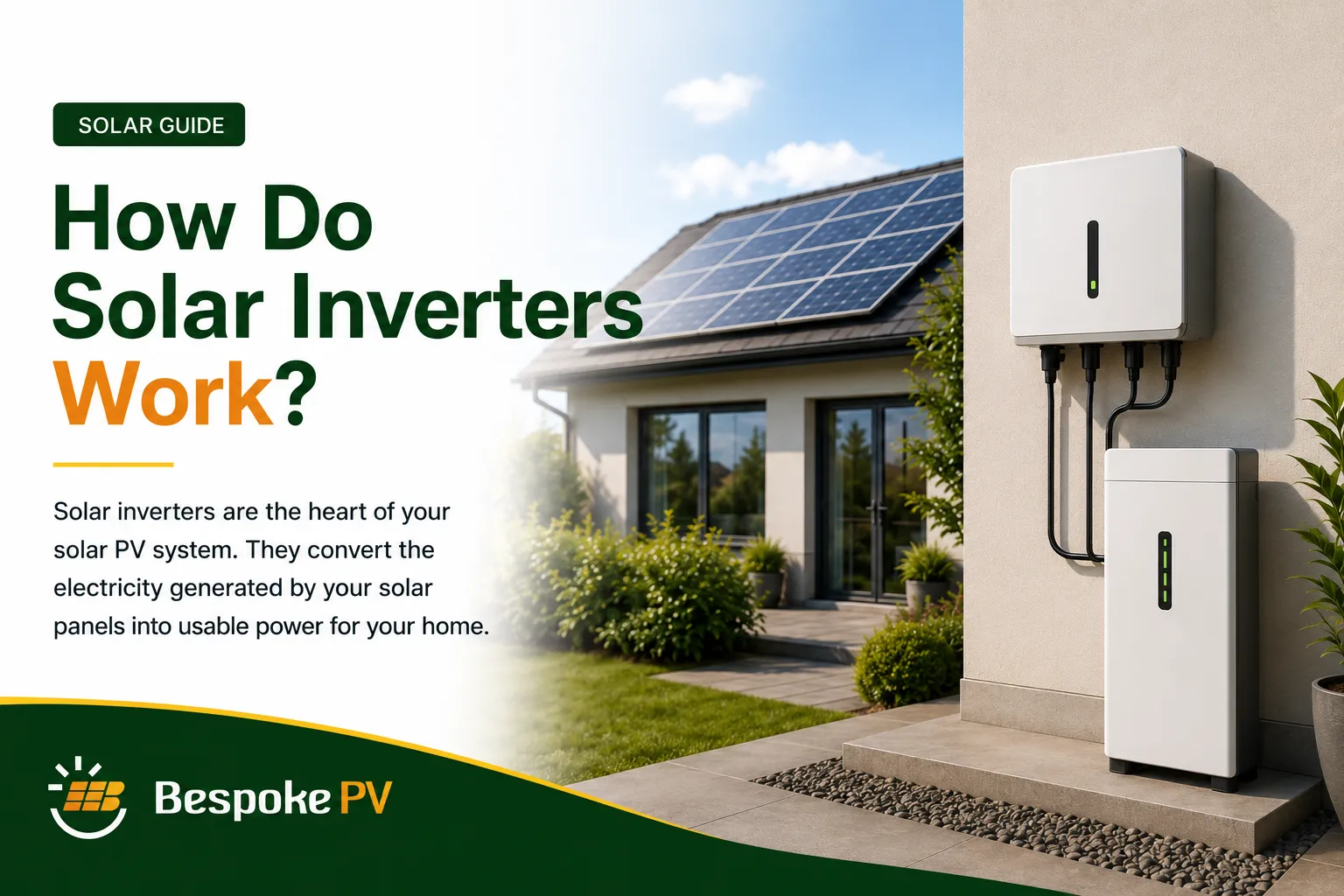
In many solar PV systems, the inverter is more likely to need replacement before the panels themselves.
The inverter converts the direct current electricity generated by the panels into alternating current electricity that can be used by the property. It is a hard-working electronic component, and its expected service life is usually shorter than the panel array.
This is why a solar PV system should be assessed as a complete system, not just as a collection of panels on a roof. A system can have long-lasting panels but still need inverter replacement, monitoring updates or design changes if the household later adds battery storage, EV charging or a heat pump.
Solar panels are low-maintenance, but system longevity still depends on good design and installation.
The following factors can make a significant difference to long-term performance.
Solar panels do not normally require heavy maintenance, but they should not be completely ignored.
In many UK locations, rainfall helps remove light dirt from the panels. However, bird droppings, moss, nearby trees, dust or coastal conditions can affect performance. A small amount of dirt is unlikely to justify frequent cleaning, but heavy soiling or shading can reduce generation.
Monitoring is often the best first line of defence. If a system has been generating consistently and then output drops unexpectedly, that may indicate shading, an inverter fault, a failed string, soiling or another issue worth investigating.
A noticeable and sustained drop in output can point to inverter issues, shading, panel faults or monitoring problems.
Fault codes, repeated shutdowns or communication failures should be investigated promptly.
Cracked glass, loose cabling, damaged isolators or signs of water ingress should be checked by a qualified professional.
If the roof needs repair or replacement, it may be worth reviewing whether the solar array should be removed, upgraded or redesigned.
EV charging, battery storage or heat pumps can change how the system should be configured.
Replacement is not always the right answer just because a system is old. If the panels are still safe, secure and producing useful electricity, they may continue to provide value.
Replacement may become worth considering if the system is underperforming badly, the panels are damaged, the roof needs major work, replacement parts are unavailable, or the household wants a wider redesign that includes battery storage, EV charging or future heat pump use.
Modern panels are often more powerful than older panels of the same physical size, so a redesign can sometimes increase generation from the same roof area. However, the decision should consider the existing system, roof condition, export arrangements, battery plans and future electricity demand.
Solar panels are long-term energy infrastructure. The best systems are not designed only around year-one generation figures. They are designed around roof suitability, product quality, inverter choice, monitoring, future battery storage and how the property is likely to use electricity over time.
Explore more Bespoke PV guides covering solar panel value, maintenance, inverters and long-term system design.
Bespoke PV designs solar panel systems around roof suitability, real-world performance, future energy use and long-term reliability across Hampshire and the South Coast.
Explore related Bespoke PV articles and renewable energy insights.
Explore renewable energy systems designed and installed by Bespoke PV.
Bespoke PV designs solar PV, battery storage and EV charging systems across Hampshire, Dorset and the South Coast.
Bespoke solar PV, battery storage and EV charging systems for Southampton homes and businesses, designed around roof space, usage and future energy plans.
Solar panels in Southampton →Bespoke solar PV, battery storage and EV charging systems for homes and businesses across Winchester and Hampshire.
Solar panels in Winchester →Solar PV, battery storage and EV charging systems for homes and businesses across Portsmouth and the South Coast.
Solar panels in Portsmouth →Solar PV, battery storage and EV charging systems for homes and businesses across Bournemouth and the South Coast.
Solar panels in Bournemouth →Bespoke PV designs solar PV, battery storage and EV charging systems across Hampshire, Dorset, Wiltshire and the South Coast.
Bespoke PV designs solar panel systems around roof suitability, product quality, long-term performance and future energy use.