Inverters
Inverters are one of the most important active components and may eventually require servicing or replacement.

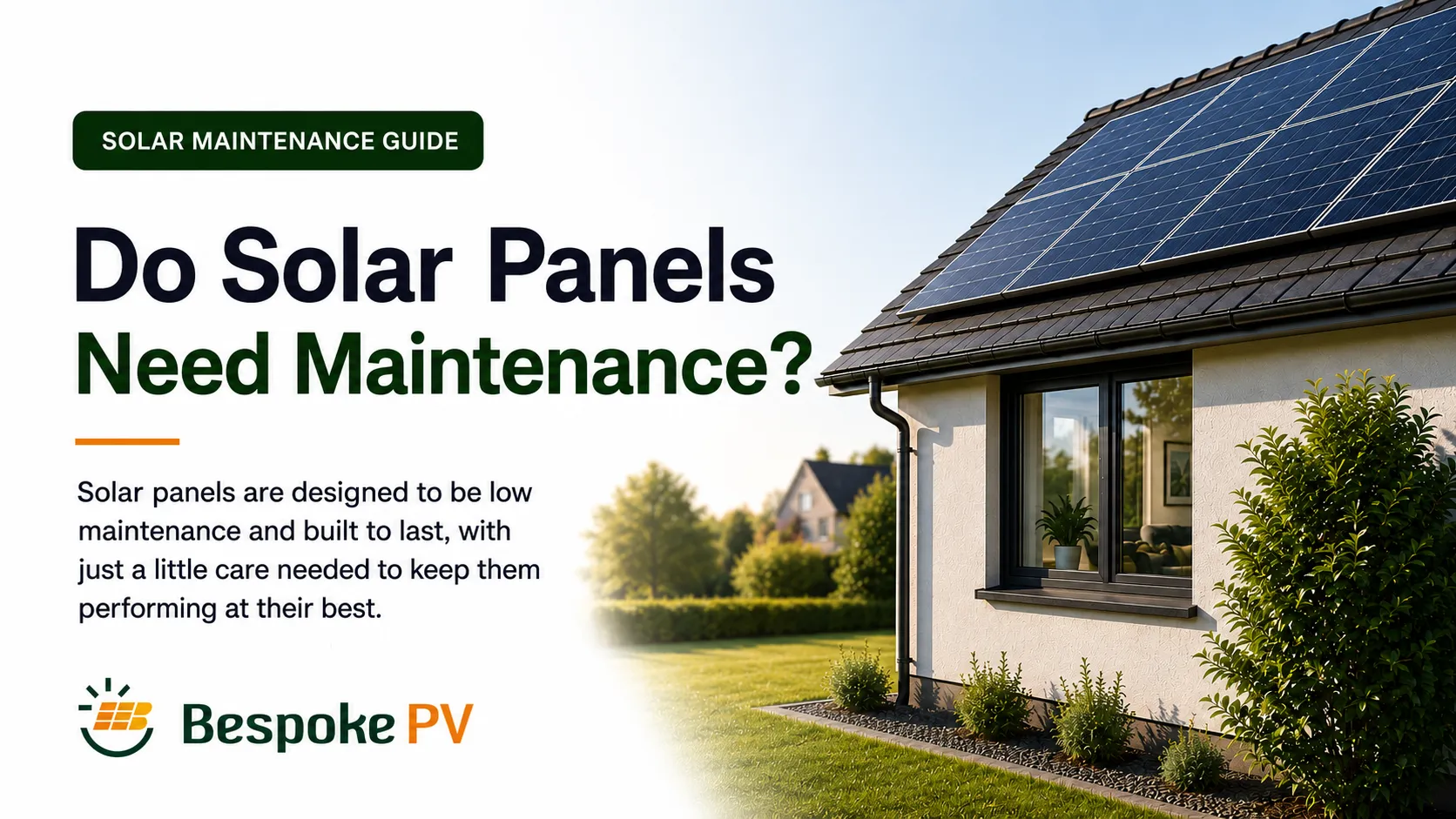
Solar panels generally require relatively little maintenance, but monitoring, inspections and occasional servicing can help ensure long-term performance and reliability.
Compared with many other household systems, solar PV is generally considered relatively low maintenance.
Modern solar panels contain no moving parts and are designed for long-term outdoor operation in changing weather conditions.
However, low maintenance does not mean systems should simply be ignored after installation.
Long-term performance still depends heavily on monitoring, electrical safety, inverter health, battery performance, system inspections and overall installation quality.
As homes become increasingly electrified, solar PV systems are also becoming more important within wider household infrastructure planning.
Inverters are one of the most important active components and may eventually require servicing or replacement.
Battery systems rely heavily on monitoring, software and correct configuration.
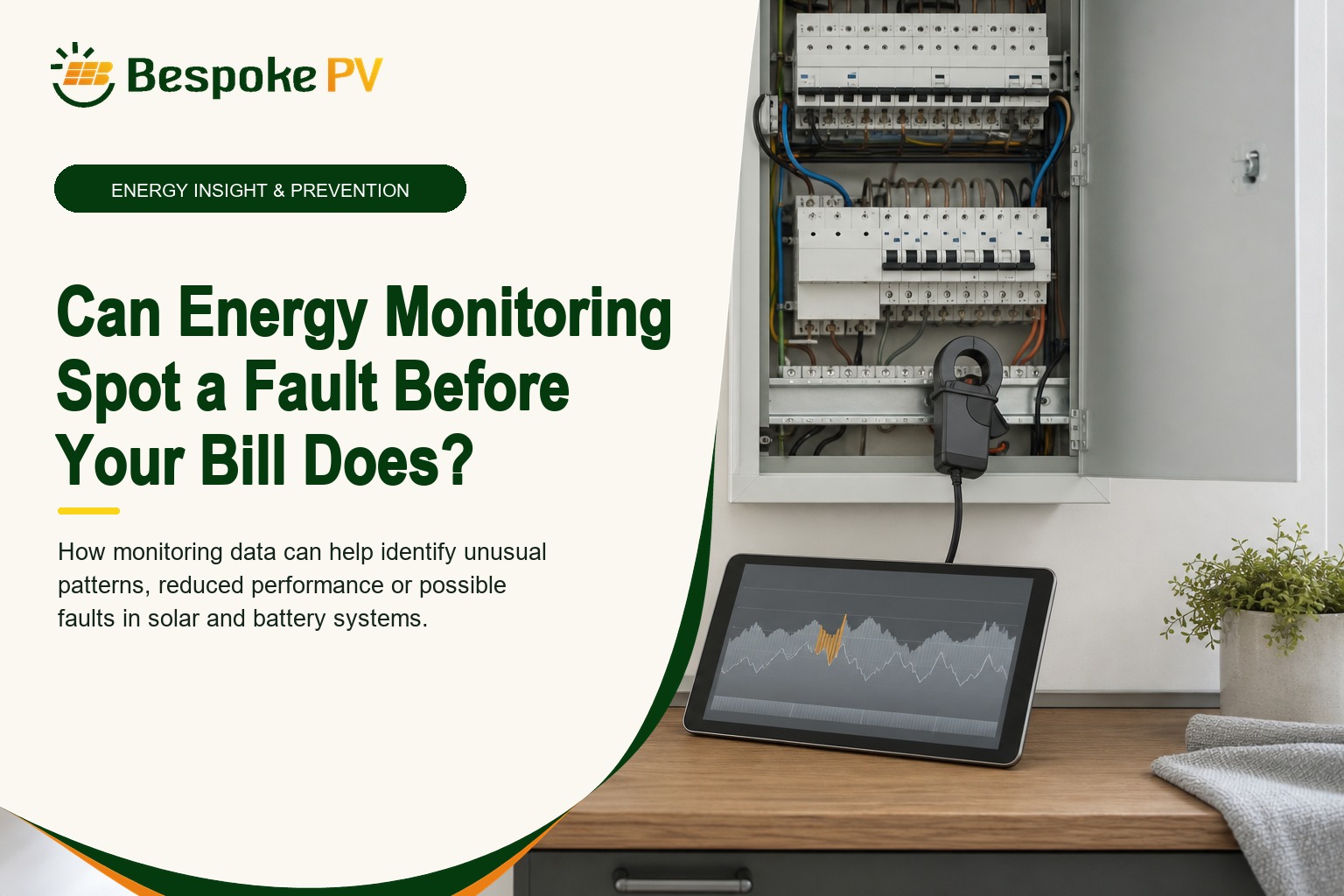
Monitoring systems help identify faults, reduced performance and unexpected system behaviour.
Many solar system issues are not visually obvious.
Without monitoring, homeowners may not realise a system is underperforming, partially offline or behaving unexpectedly.
Good monitoring platforms can help track solar generation, battery charging, household consumption, grid import, grid export and wider system alerts.
Monitoring becomes increasingly important as homes adopt battery storage, EV charging, heat pumps and smart tariffs.
Modern solar systems are increasingly becoming intelligent energy ecosystems rather than simple standalone panel installations.
Monitoring helps homeowners understand how energy flows through the property.
Modern monitoring platforms provide far more visibility than many homeowners realise.
Increasingly, solar PV systems are becoming integrated energy ecosystems rather than simple panel installations.
Monitoring, software updates, battery integration and future electrification all make professional aftercare more important than ever.
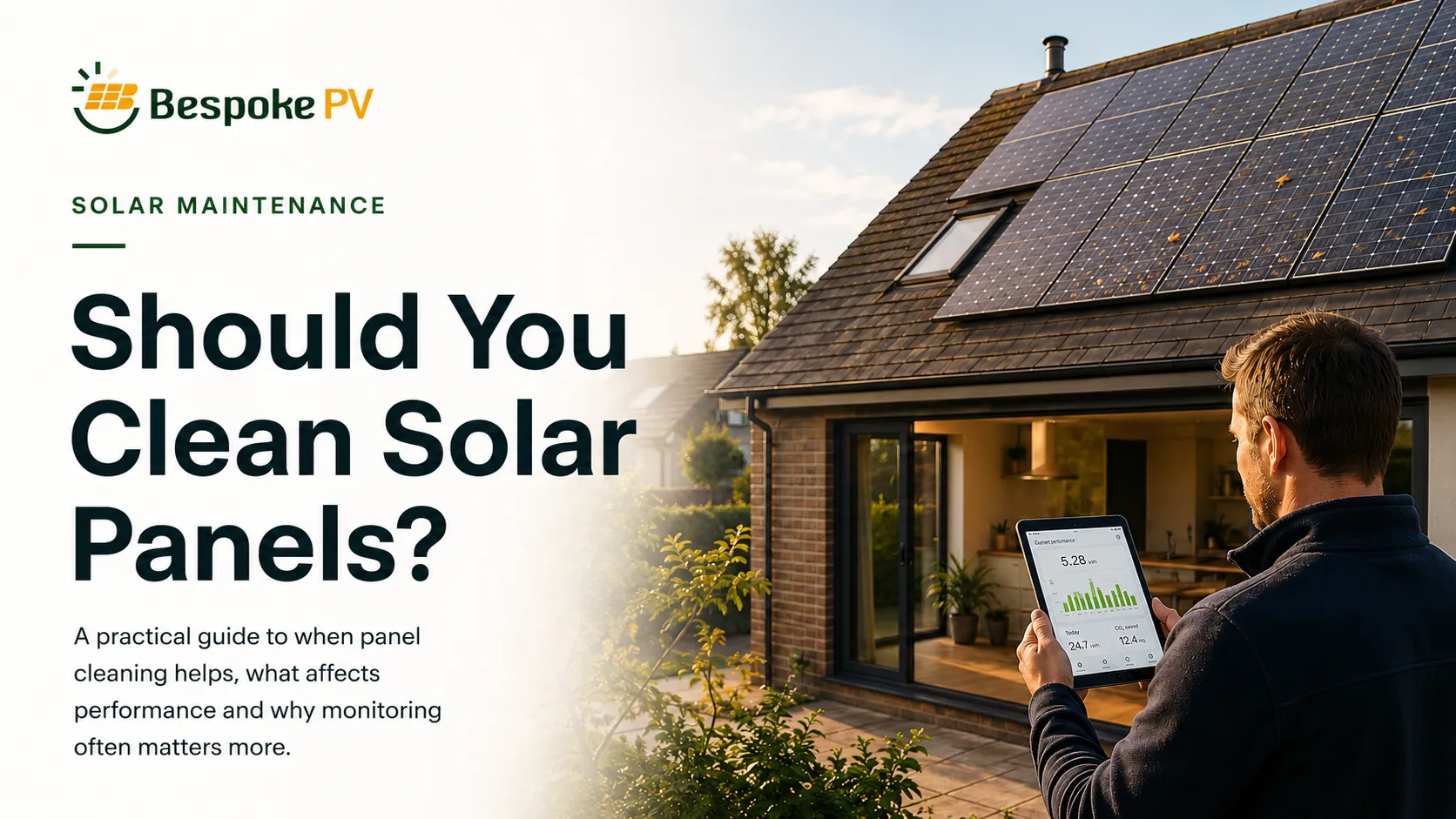
In many situations, rainfall helps keep solar panels reasonably clean.
However, cleaning may occasionally be beneficial where panels are affected by heavy bird fouling, dust accumulation, tree debris, coastal salt exposure or industrial pollution.
Cleaning should always be carried out safely and professionally where required.
Incorrect cleaning methods may damage panels, roof systems or mounting equipment.
In many cases, homeowners are advised not to attempt roof access themselves due to safety risks.
Not all panel dirt has a major impact on performance.
Inverters typically have shorter lifespans than solar panels themselves.
Solar panels may continue operating for decades, while inverters may require replacement earlier depending on environmental conditions, ventilation, installation quality, usage patterns and manufacturer reliability.
Because the inverter is one of the most important active components within the system, professional installation and proper ventilation are extremely important.
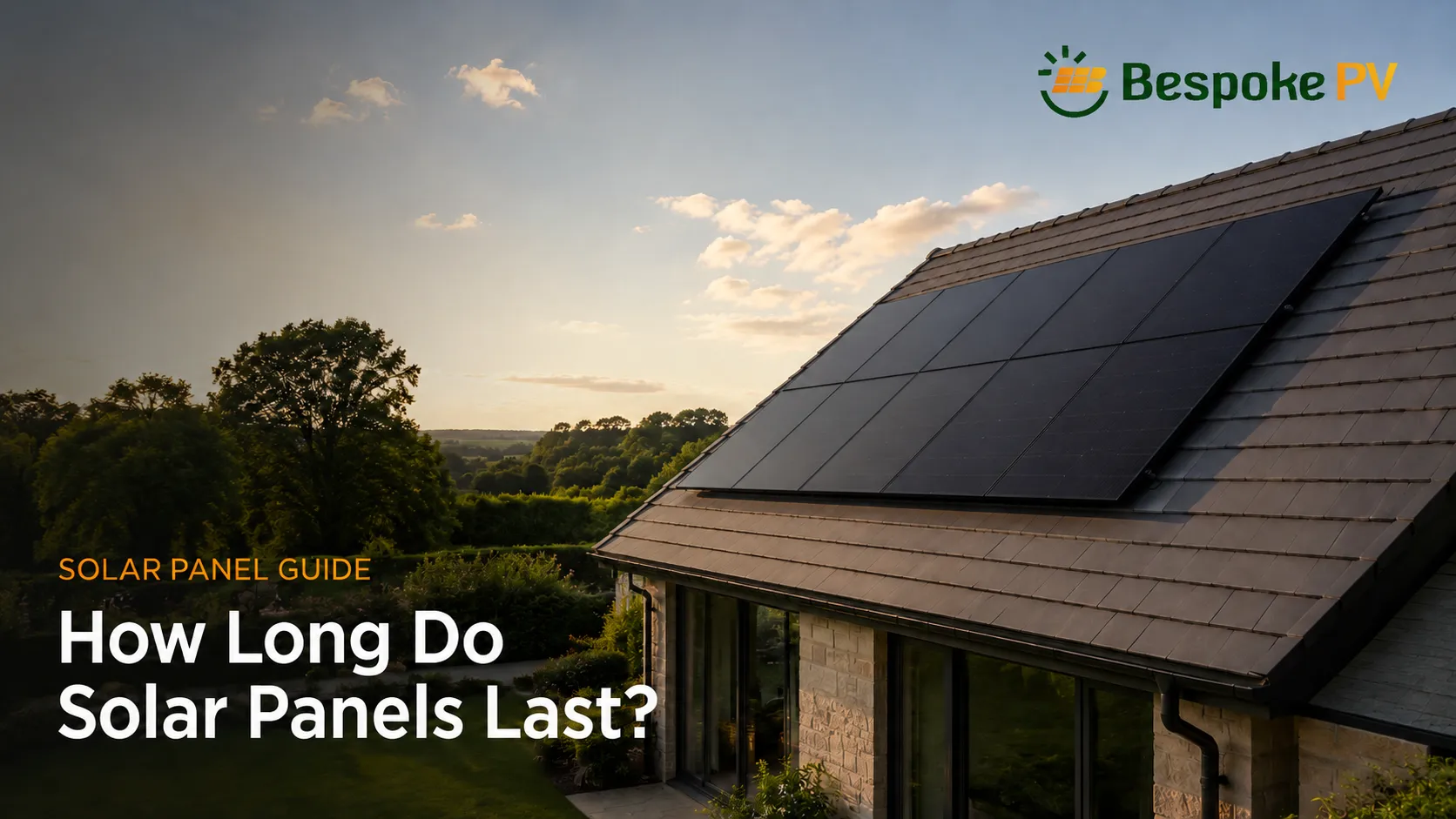
Read our guide: How Long Do Solar Panels Last?
Inverters are critical components within modern solar systems.
Several factors influence long-term inverter reliability.
Battery storage adds additional complexity to home energy systems.
Battery systems often rely on firmware updates, monitoring platforms, software optimisation, smart tariff integration and ongoing manufacturer support.
Because battery systems are software-driven technologies, long-term support and manufacturer stability are becoming increasingly important.
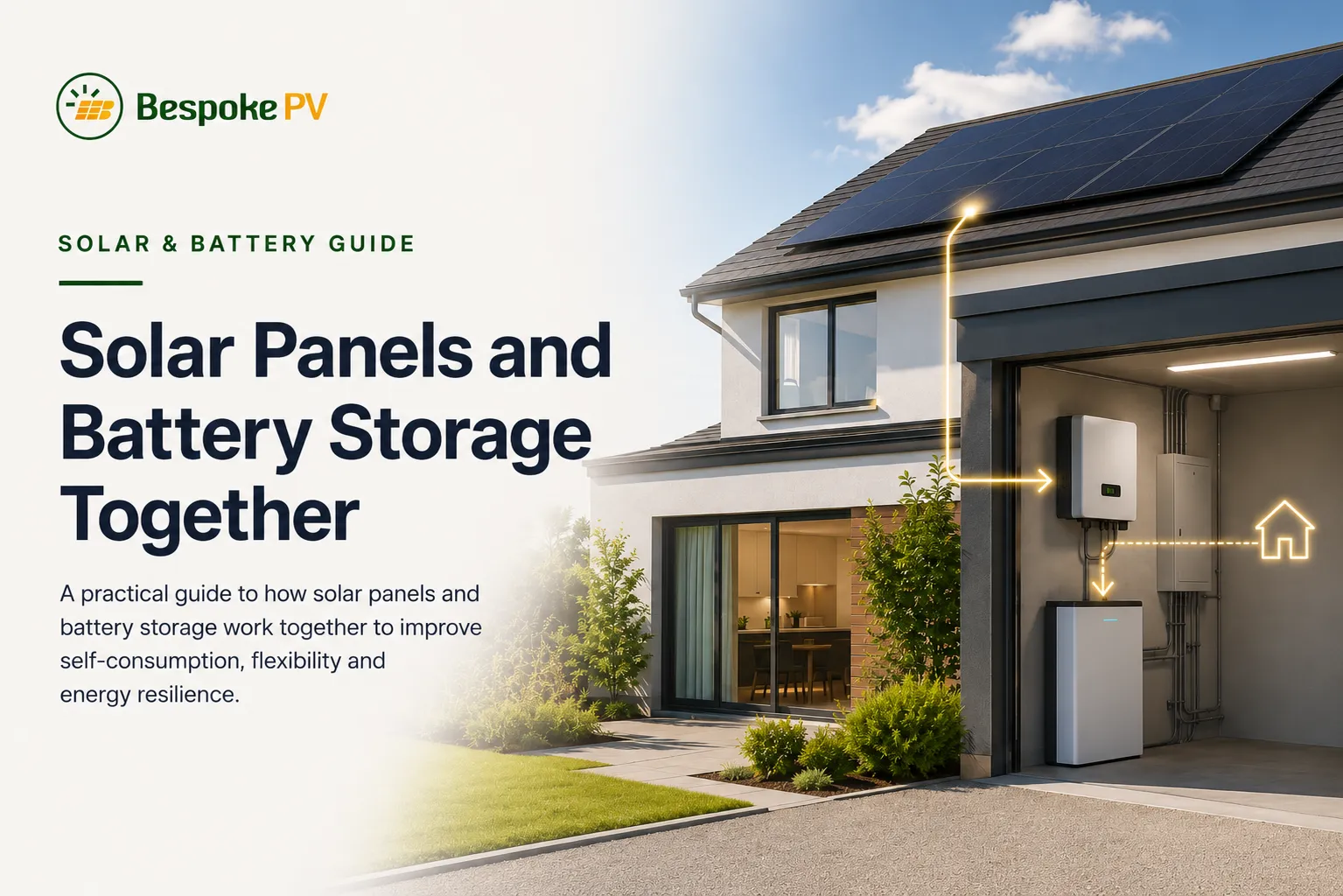
Read our article: GivEnergy Administration: What It Means for Homeowners
Battery systems are increasingly central to home energy management.
Battery systems require more active monitoring than solar panels themselves.
Homes are becoming increasingly electrified.
Many households now rely more heavily on electricity due to EV charging, heat pumps, battery storage, home working and wider smart energy systems.
Because solar PV is increasingly becoming part of wider household infrastructure, long-term monitoring and maintenance are becoming more important than ever.
The reliability of the energy system may increasingly affect day-to-day household operation rather than simply reducing electricity bills.
Modern households are often integrating solar PV with EV charging and electrified heating.
These technologies increase household electricity demand while also increasing the importance of intelligent energy management.
Battery storage, smart tariffs and monitoring platforms are therefore becoming increasingly important within modern home energy systems.
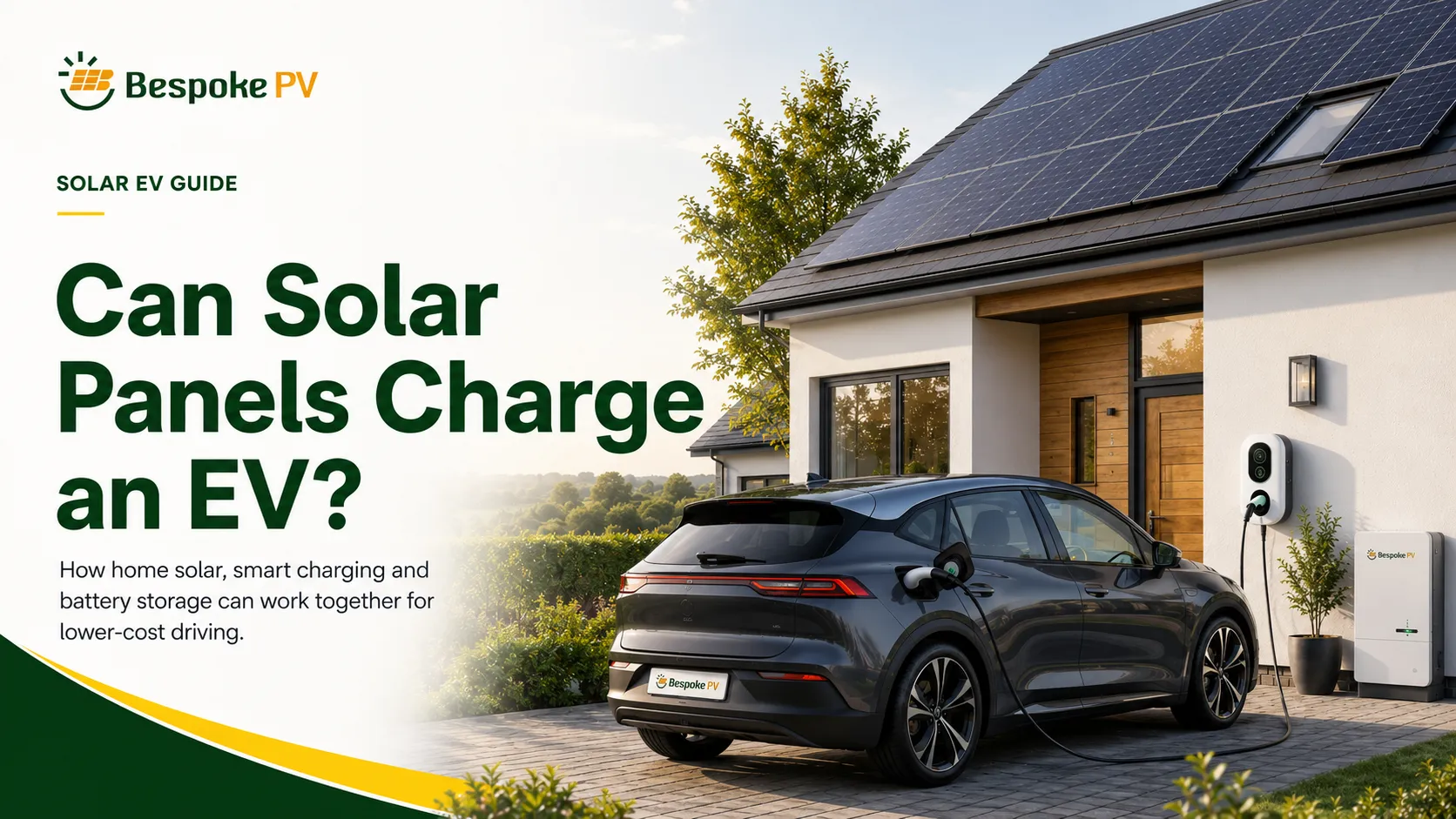
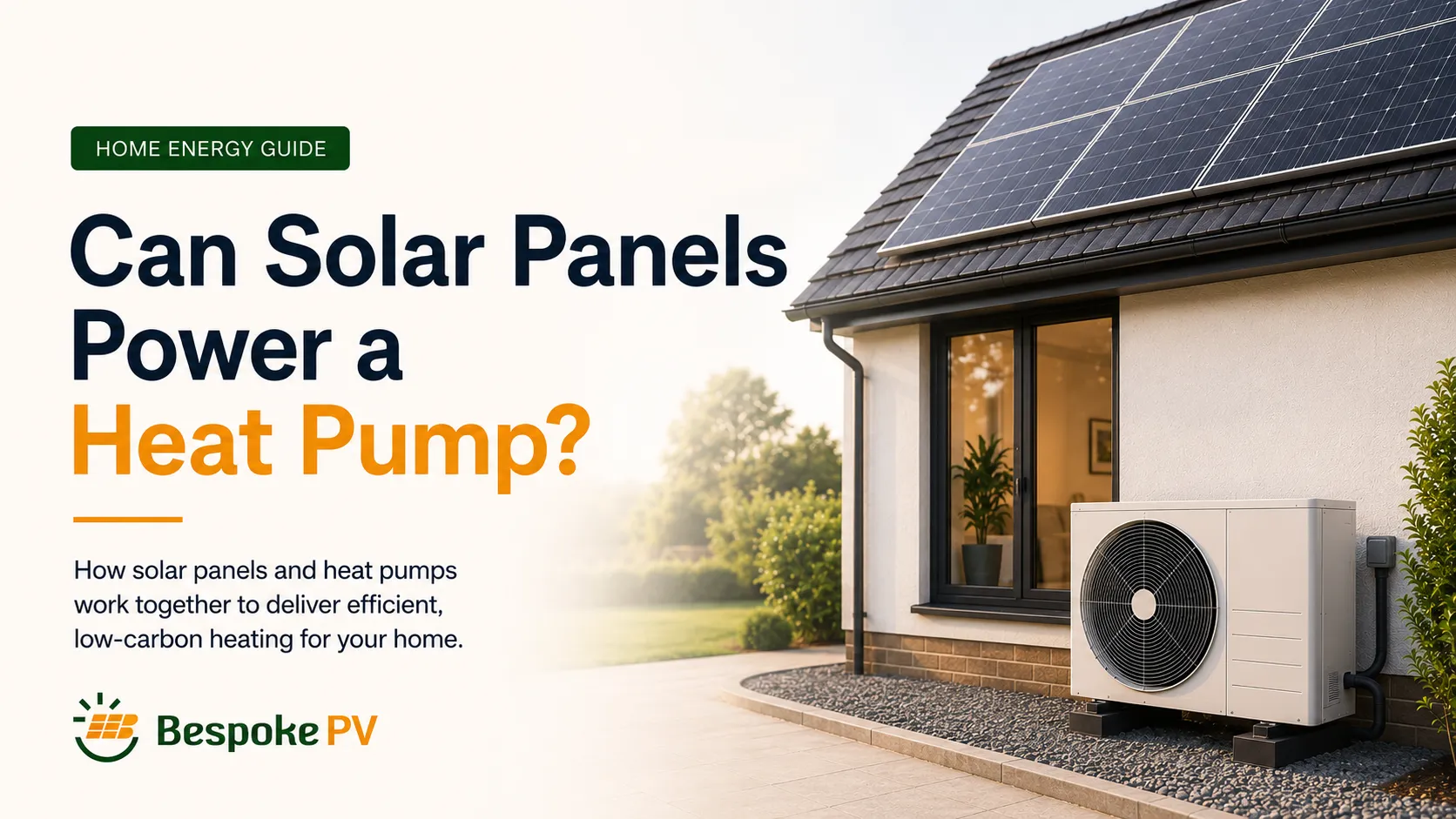
Read our guides: Can Solar Panels Charge an EV? and Can Solar Panels Power a Heat Pump?
Modern energy systems are evolving rapidly.
Although solar panels are generally very reliable, faults can still occur.
Problems may include damaged panels, degraded connectors, inverter issues, monitoring faults, electrical problems or reduced performance caused by shading and environmental conditions.
This is one reason ongoing monitoring and periodic professional inspections remain important over the lifetime of the system.
Many issues are easier and cheaper to address when identified early.
Good installation standards help reduce future maintenance issues.
Long-term reliability starts with good design and installation quality.
Solar PV systems are long-term infrastructure investments.
As households become increasingly dependent on electricity through EV charging, battery storage and heat pumps, the importance of reliable energy infrastructure continues to grow.
Professional system design, monitoring and aftercare are therefore becoming increasingly important within modern renewable energy systems.
The strongest systems are designed not just for installation day, but for long-term performance, flexibility and resilience over many years.
Professional aftercare helps maximise long-term system reliability.
Bespoke PV designs and supports solar PV systems focused on long-term performance, resilience and future flexibility.
Explore more Bespoke PV guides covering battery storage, long-term performance and home energy systems.
Rain will often help keep panels clean, but some locations may benefit from professional cleaning if dirt or debris builds up.
Check your monitoring platform for alerts, unusually low generation or inverter warning messages.
Yes. Bespoke PV can support monitoring, optimisation and maintenance for solar PV and battery systems.
Explore related Bespoke PV articles and renewable energy insights.
Explore renewable energy systems designed and installed by Bespoke PV.
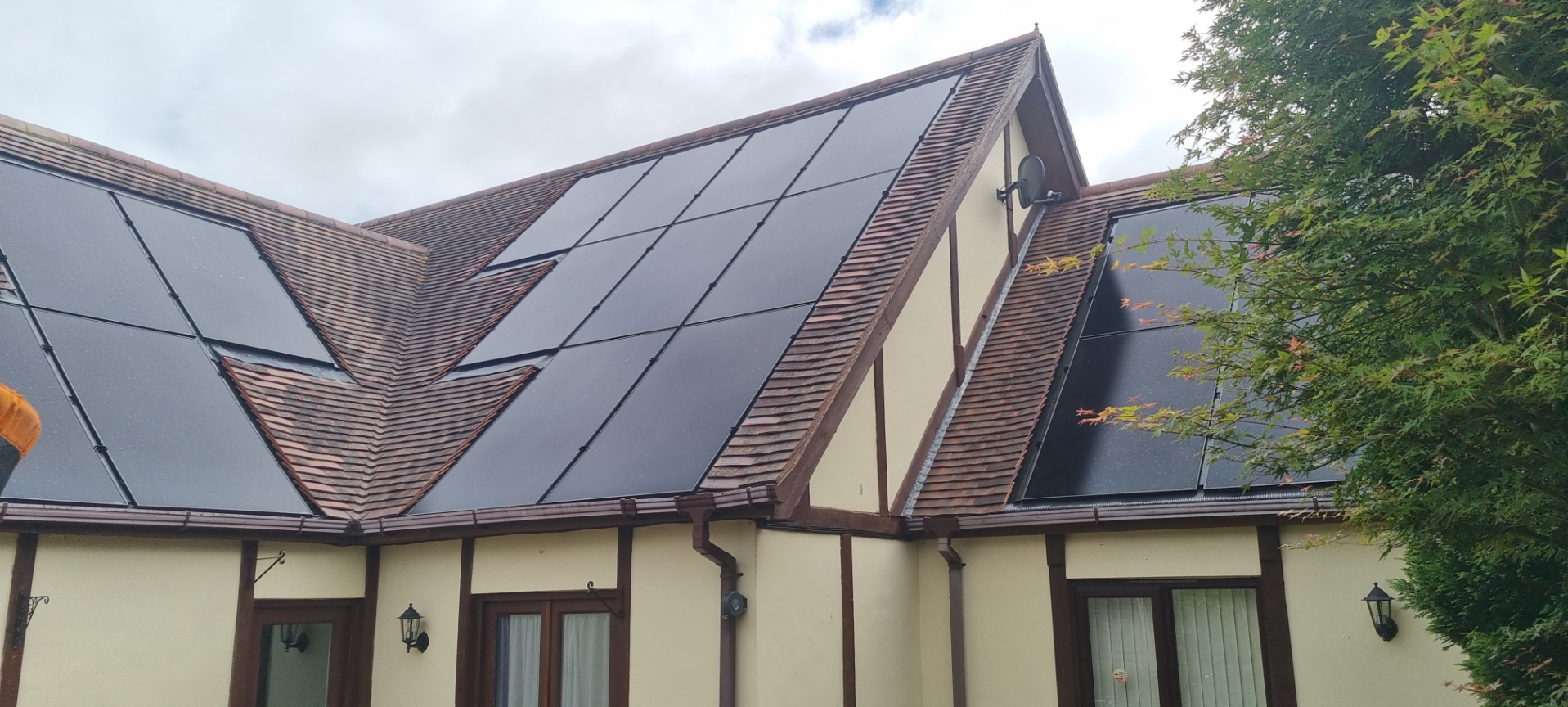

Bespoke PV designs solar PV, battery storage and EV charging systems across Hampshire, Dorset and the South Coast.
Bespoke solar PV, battery storage and EV charging systems for Southampton homes and businesses, designed around roof space, usage and future energy plans.
Solar panels in Southampton →Bespoke solar PV, battery storage and EV charging systems for homes and businesses across Winchester and Hampshire.
Solar panels in Winchester →Solar PV, battery storage and EV charging systems for homes and businesses across Portsmouth and the South Coast.
Solar panels in Portsmouth →Solar PV, battery storage and EV charging systems for homes and businesses across Bournemouth and the South Coast.
Solar panels in Bournemouth →Bespoke PV designs solar PV, battery storage and EV charging systems across Hampshire, Dorset, Wiltshire and the South Coast.
Speak with Bespoke PV about solar system monitoring, fault finding and long-term maintenance.