Bird Droppings
Heavy bird fouling may partially shade panels and reduce generation in affected areas.

Solar panels are generally low-maintenance, but dirt, debris and environmental conditions can sometimes affect performance over time.
In many situations, rainfall helps keep solar panels reasonably clean.
However, some properties may experience dirt build-up that reduces solar generation, particularly where panels are exposed to heavy debris, bird fouling, nearby agricultural activity, coastal salt exposure or industrial pollution.
The impact varies significantly depending on property location, roof angle, surrounding environment and panel layout.
For many UK homes, routine cleaning is not frequently required, but monitoring and occasional inspection remain important.
Heavy bird fouling may partially shade panels and reduce generation in affected areas.
Leaves, sap and organic debris may accumulate over time on some roofs.
Dust, coastal salt or industrial pollution may gradually affect panel cleanliness.
In many UK residential installations, normal weather conditions prevent major long-term dirt accumulation.
However, localised build-up on part of a panel array may still reduce generation performance.
The impact depends on the severity of dirt accumulation, roof pitch, panel orientation, shading conditions, panel technology and how long contamination remains on the system.
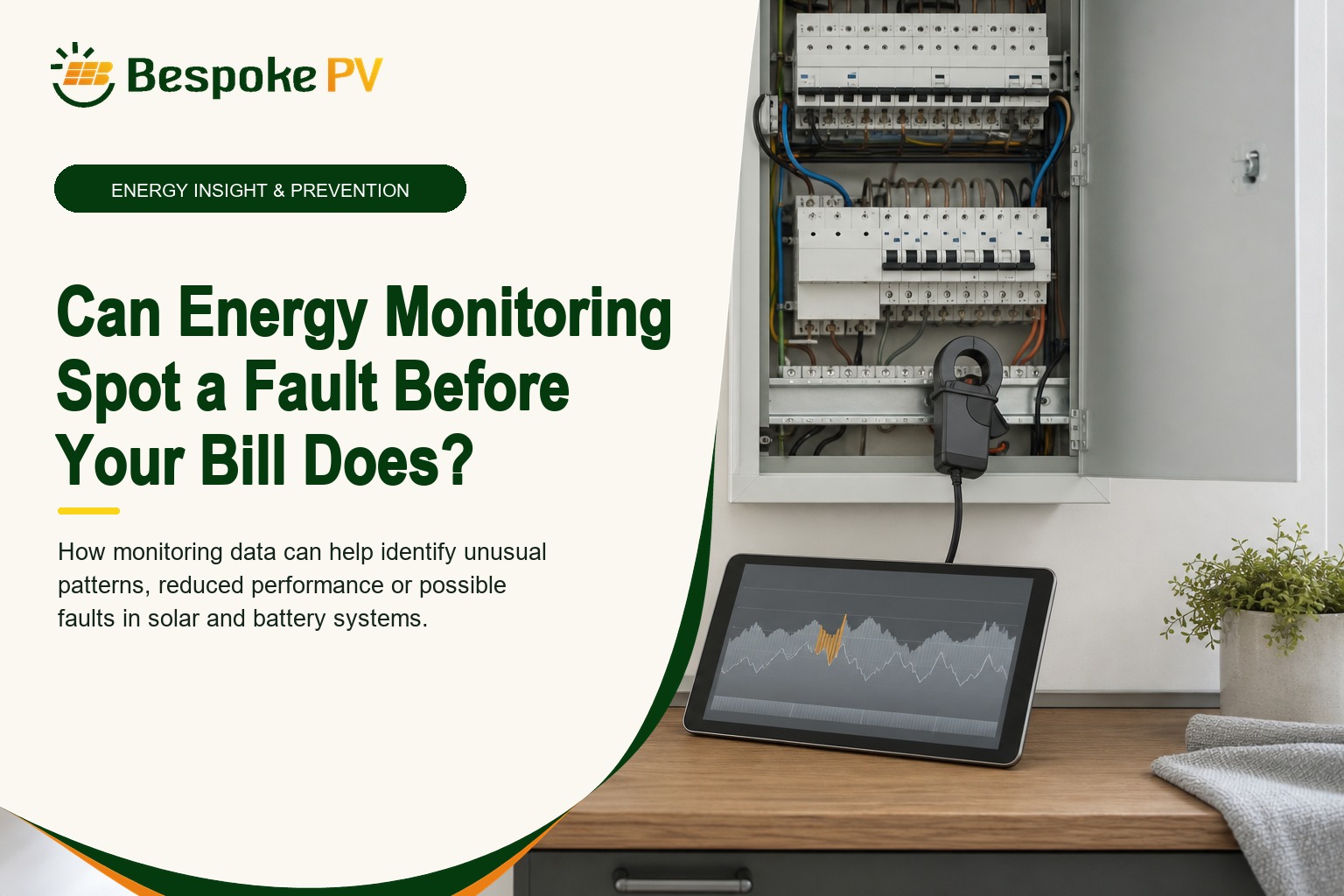
Monitoring systems are often the best way to identify unexpected reductions in performance because many issues are not visually obvious from ground level.
Environmental conditions can significantly influence long-term panel cleanliness.
Not all properties experience the same environmental conditions.
Solar panel cleaning is sometimes oversold.
In many cases, the real issue is not dirt itself, but poor system monitoring, shading changes or underlying installation problems.
Professional monitoring and inspection are often more valuable long-term than routine cleaning alone.
Some locations experience more environmental contamination than others.
Cleaning may occasionally be more relevant for properties near busy roads, farmland, industrial areas, coastal environments, large trees or high bird activity zones.
Roof pitch also matters.
Steeper roofs often benefit from better natural rainfall runoff compared with flatter installations.
Flat roof systems may sometimes require more attention because dirt and debris can accumulate differently depending on panel angle and drainage behaviour.
Not all dirt has the same effect on solar generation.
Yes.
Roof access and incorrect cleaning methods can create serious safety risks.
Homeowners should avoid walking on solar panels, pressure washing panels, using abrasive cleaning products, unsafe roof access or using hard brushes and sharp tools.
Improper cleaning may damage panel surfaces, seals, mounting systems or roof materials.
If cleaning is genuinely required, it should usually be carried out safely and professionally.
Professional cleaning methods help reduce the risk of damage.
Incorrect cleaning approaches may damage the solar system.
Many solar performance issues are not caused by dirt at all.
Problems may instead relate to inverter faults, shading changes, electrical issues, battery configuration problems, software behaviour or monitoring failures.
This is why monitoring platforms are increasingly important for modern solar PV systems.
Good monitoring allows homeowners to identify unexpected generation reductions before larger problems develop.
Read our guide: Do Solar Panels Need Maintenance?
Modern homes are becoming increasingly dependent on electricity.
Battery storage, EV charging, heat pumps and smart tariffs are all increasing the complexity of household energy systems.
As a result, long-term solar maintenance increasingly involves digital monitoring, software optimisation and intelligent energy management rather than just occasional physical cleaning.
Professionally integrated systems often provide much better visibility into overall energy performance.
Monitoring helps identify issues that may otherwise go unnoticed.
Monitoring platforms can provide detailed insight into system behaviour.
Homes with battery storage, EV charging and electrified heating increasingly rely on software optimisation, smart tariffs, charging strategies and intelligent energy management.
Battery systems require ongoing monitoring to ensure charging behaviour, tariff integration and performance remain properly configured.
As integrated energy systems become more sophisticated, long-term support and monitoring are becoming increasingly important.
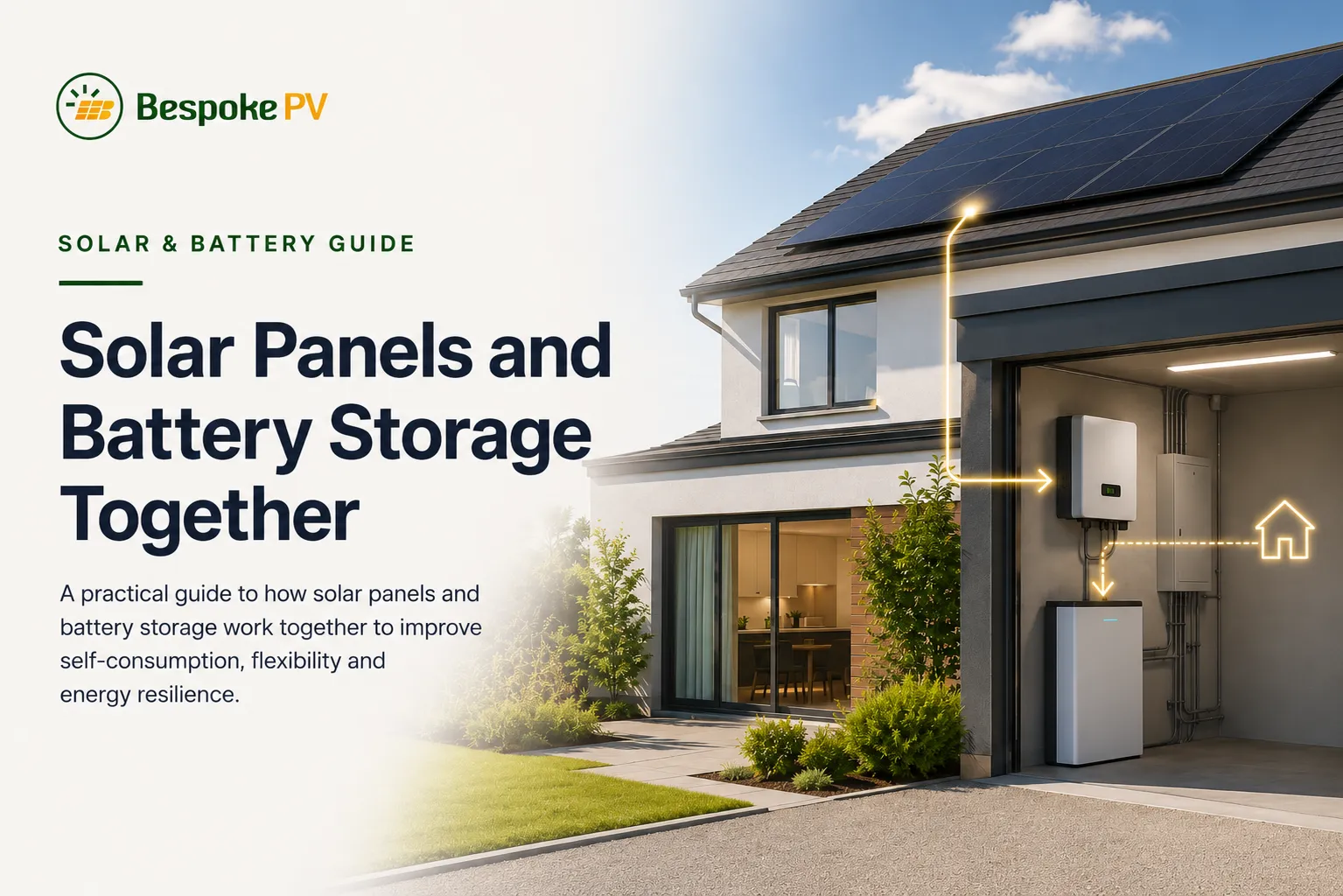
Read our guide: Solar Panels and Battery Storage Together
Modern energy systems are evolving rapidly.
Electric vehicles and heat pumps are increasing household electricity demand significantly.
Many homeowners are now integrating solar PV with EV charging, battery storage and electrified heating systems.
This means modern solar systems increasingly operate as part of wider household infrastructure rather than standalone electricity generators.
Good monitoring, professional support and long-term optimisation are therefore becoming much more important.
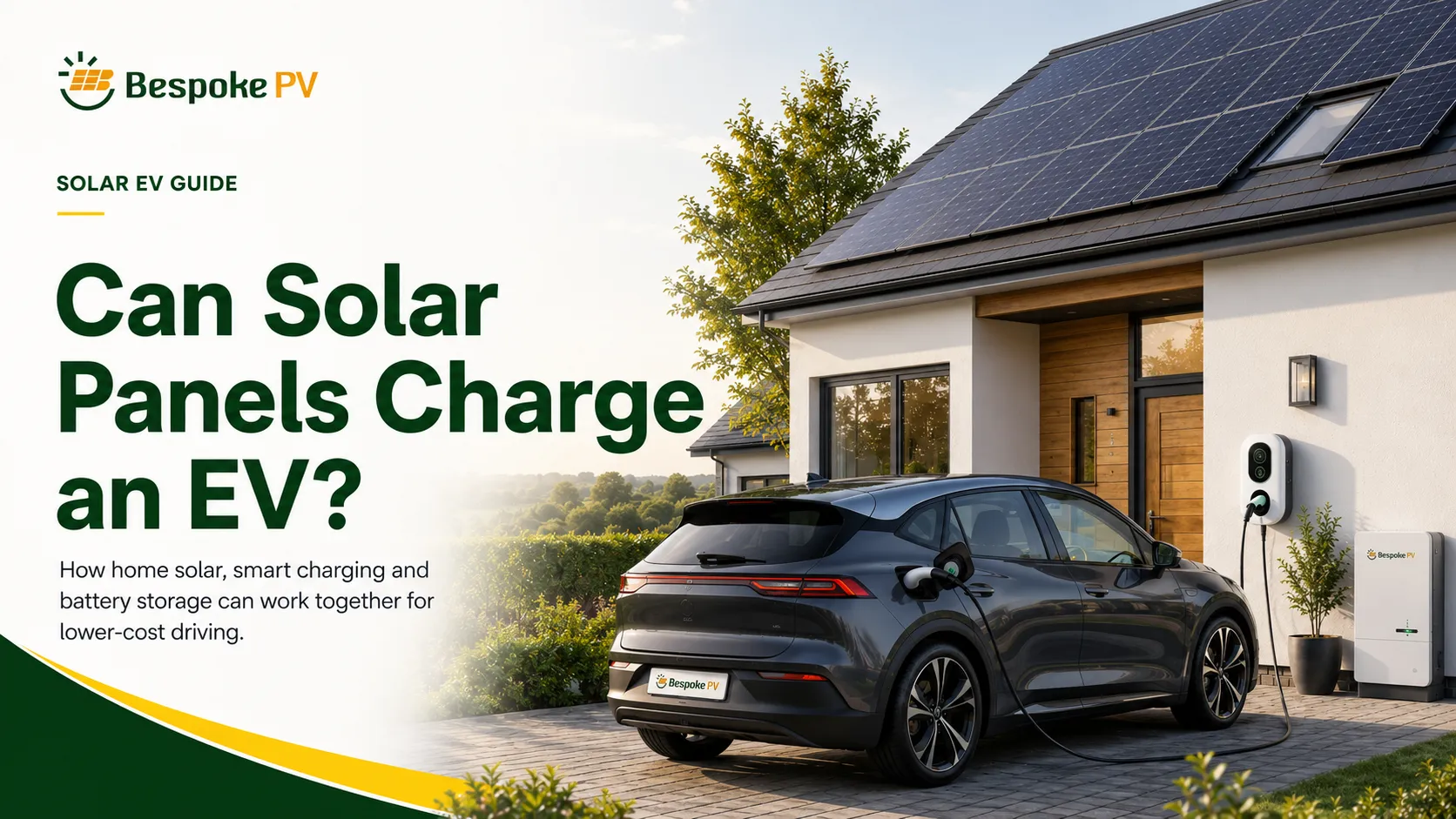
Read our guides: Can Solar Panels Charge an EV? and Can Solar Panels Power a Heat Pump?
Professionally designed systems often require fewer long-term interventions.
Long-term solar performance starts with good system design and installation quality.
Solar PV systems are long-term infrastructure investments.
As homes become increasingly electrified through EV charging, battery storage and low-carbon heating, the reliability and visibility of household energy systems become increasingly important.
The strongest solar installations are not simply those with the cleanest panels, but those designed around long-term performance, intelligent monitoring and future flexibility.
Professional aftercare and monitoring increasingly play a central role within modern renewable energy systems.
Professional support helps maximise long-term system reliability.
Bespoke PV designs solar and battery systems focused on long-term performance, monitoring and future resilience.
Explore more Bespoke PV guides covering monitoring, battery storage and long-term solar performance.

Not usually. Rainfall often keeps panels reasonably clean in typical UK conditions.
Yes. Heavy dirt, bird fouling or debris may reduce output in some situations.
No. High-pressure cleaning may damage panel surfaces or seals.
Yes. Monitoring helps identify performance issues that may not be visually obvious.
If cleaning is genuinely necessary, professional cleaning is usually the safest approach.
Explore related Bespoke PV articles and renewable energy insights.

Explore renewable energy systems designed and installed by Bespoke PV.
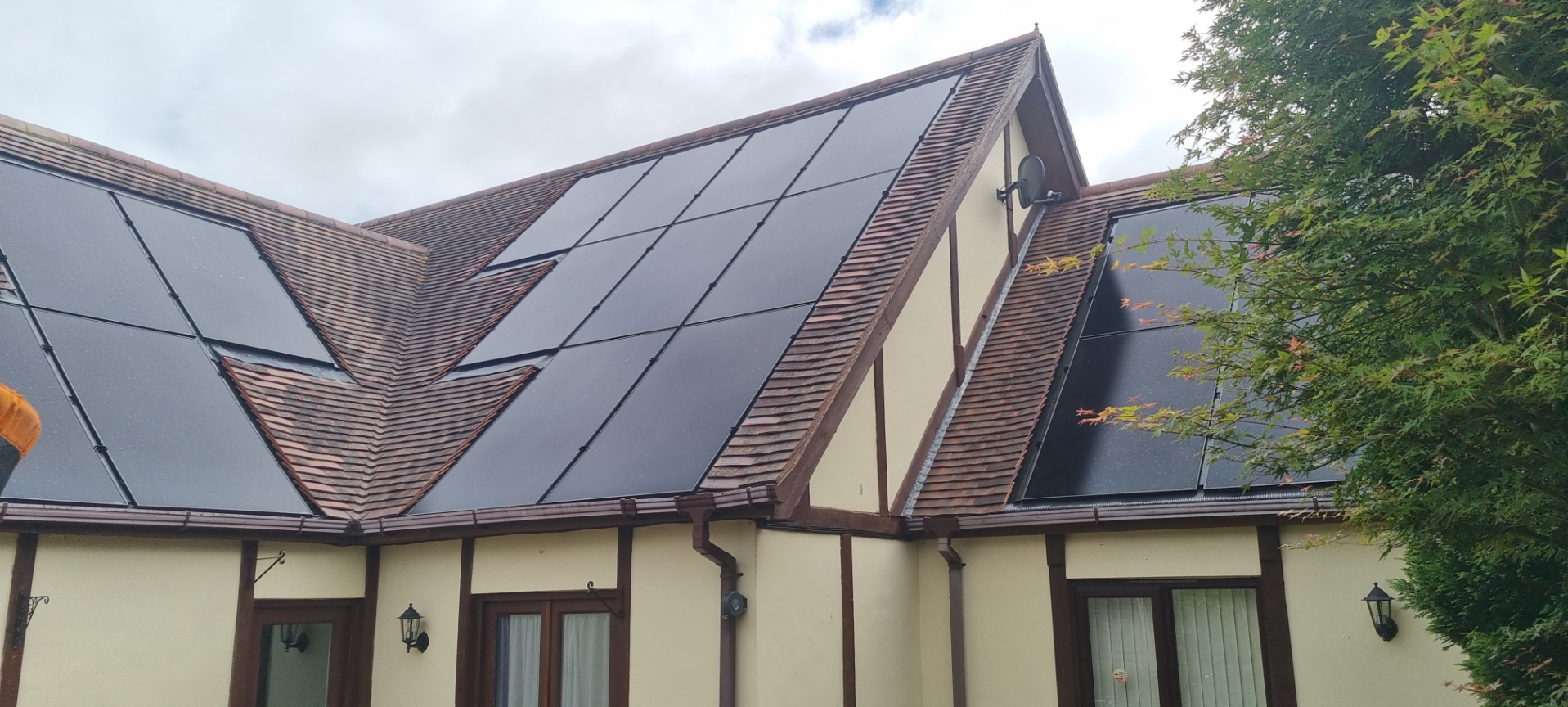

Bespoke PV designs solar PV, battery storage and EV charging systems across Hampshire, Dorset and the South Coast.
Bespoke solar PV, battery storage and EV charging systems for Southampton homes and businesses, designed around roof space, usage and future energy plans.
Solar panels in Southampton →Bespoke solar PV, battery storage and EV charging systems for homes and businesses across Winchester and Hampshire.
Solar panels in Winchester →Solar PV, battery storage and EV charging systems for homes and businesses across Portsmouth and the South Coast.
Solar panels in Portsmouth →Solar PV, battery storage and EV charging systems for homes and businesses across Bournemouth and the South Coast.
Solar panels in Bournemouth →Bespoke PV designs solar PV, battery storage and EV charging systems across Hampshire, Dorset, Wiltshire and the South Coast.
Contact Bespoke PV for solar PV monitoring, maintenance and practical system support.