Listed Buildings
Listed properties usually require additional consent before solar panels can be installed.

Many solar panel installations fall under permitted development, but there are important exceptions for some properties and locations.
In many cases, domestic solar panel installations can be carried out without applying for full planning permission.
This is because solar panels often fall under permitted development rights.
However, the rules can vary depending on the property type, location, visibility, mounting method and whether the building is listed or located in a conservation area.
Bespoke PV always recommends checking the specific requirements for your property before installation begins.
Listed properties usually require additional consent before solar panels can be installed.
Solar may still be possible, but visibility and placement can be important considerations.
Ground-mounted solar arrays may have different planning requirements from roof-mounted systems.
Planning considerations are not always the same across every property.
Local authority interpretation, property visibility, roof design and surrounding environment can all influence what may or may not require approval.
Some installations that fall under permitted development in one location may require additional review elsewhere.
This is why early professional assessment is important before installation work begins.
Planning requirements depend heavily on the individual property and installation design.
Several property-specific factors may affect whether planning permission or additional consent is required.
Listed buildings usually require additional approval before solar panels can be installed.
Because listed buildings are legally protected, the visual impact of the installation often becomes an important consideration.
Panel placement, visibility from public areas and the effect on the character of the building may all influence whether approval is granted.
Sensitive system design is therefore extremely important for listed properties.
Often yes.
However, conservation areas may include additional restrictions intended to preserve the character and appearance of the local environment.
Roof visibility from highways or public viewpoints may become especially important.
In many cases, carefully designed systems can still be installed successfully, but planning guidance should always be reviewed before work begins.
Different solar projects may fall under different approval routes.
Good solar system design is not just about panel placement.
Long-term aesthetics, roof integration, planning sensitivity and future flexibility are all important considerations, particularly for architecturally sensitive properties.
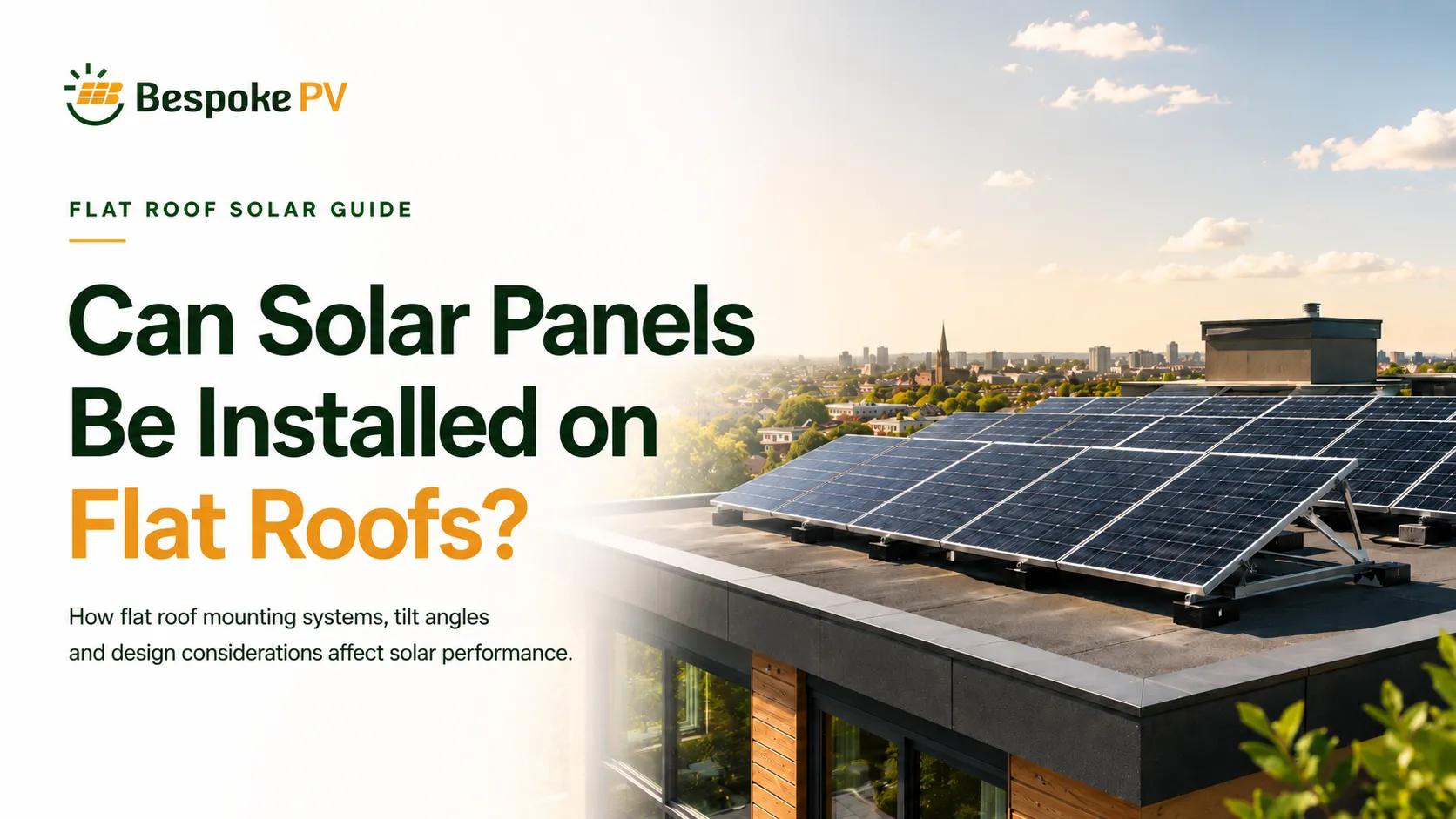
Many flat roof systems also fall under permitted development, although visibility and mounting height may still influence planning considerations.
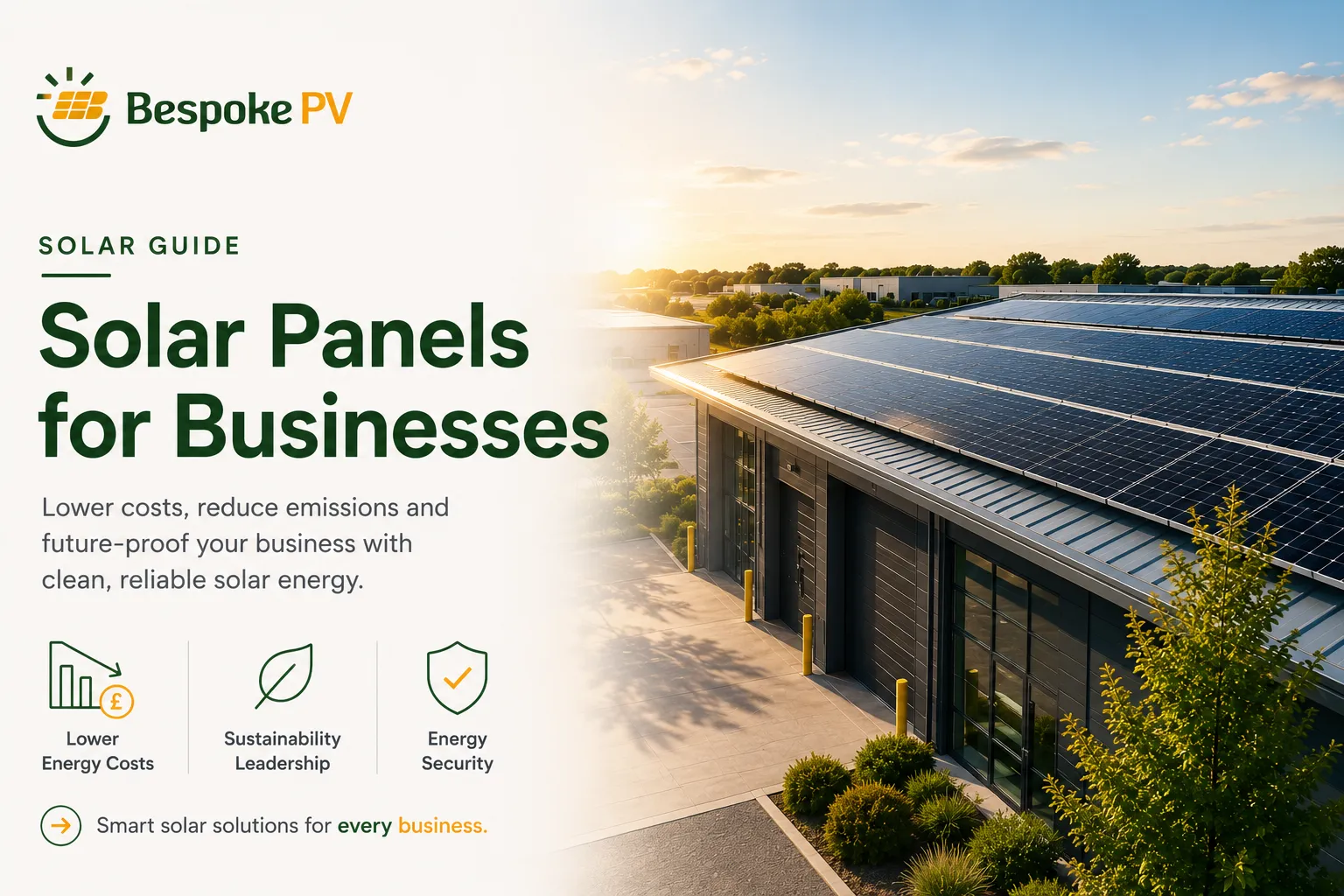
Commercial flat roof systems may involve additional structural, planning or access considerations depending on the building and installation scale.
Read our guide: Can Solar Panels Be Installed on Flat Roofs?
Commercial solar projects may involve additional planning, structural and grid considerations depending on the size and complexity of the installation.
A professional survey helps identify planning requirements, roof-loading considerations, access constraints and electrical infrastructure requirements before the project moves forward.
Larger commercial systems may also involve export approvals, DNO coordination and future battery integration planning.
Larger systems often require more detailed coordination and engineering review.
Commercial installations often involve additional technical and operational considerations.
Even where planning permission is not required, solar PV installations must still comply with wider building regulations and electrical safety standards.
Structural loading, roof integrity, fire safety, cable routing and electrical compliance all require professional assessment.
This is one reason professionally designed installations are so important for both residential and commercial systems.
The visual appearance of a solar installation may influence planning sensitivity.
Panel placement, roof orientation, visibility from public areas and overall system design can all affect how an installation is viewed by local authorities.
Carefully integrated systems often achieve better outcomes, particularly on architecturally sensitive or highly visible properties.
Ground-mounted systems often require more detailed planning review.
Ground-mounted solar arrays may involve different planning considerations compared with roof-mounted systems.
Rising electricity prices, EV charging and electrified heating are all increasing interest in residential and commercial solar PV.
As more households and businesses consider battery storage, EV charging and long-term energy resilience, professionally designed solar systems are becoming increasingly important within wider property infrastructure planning.
Long-term solar performance depends heavily on design quality.
Every property is different.
The most suitable approach depends on roof design, property location, planning sensitivity, future electrification plans and long-term operational goals.
Professional assessment helps identify potential planning considerations early while ensuring the solar PV system is designed safely, effectively and appropriately for the building.
Professionally designed systems help reduce future complications.
Bespoke PV designs solar systems around long-term performance, compliance and future flexibility.
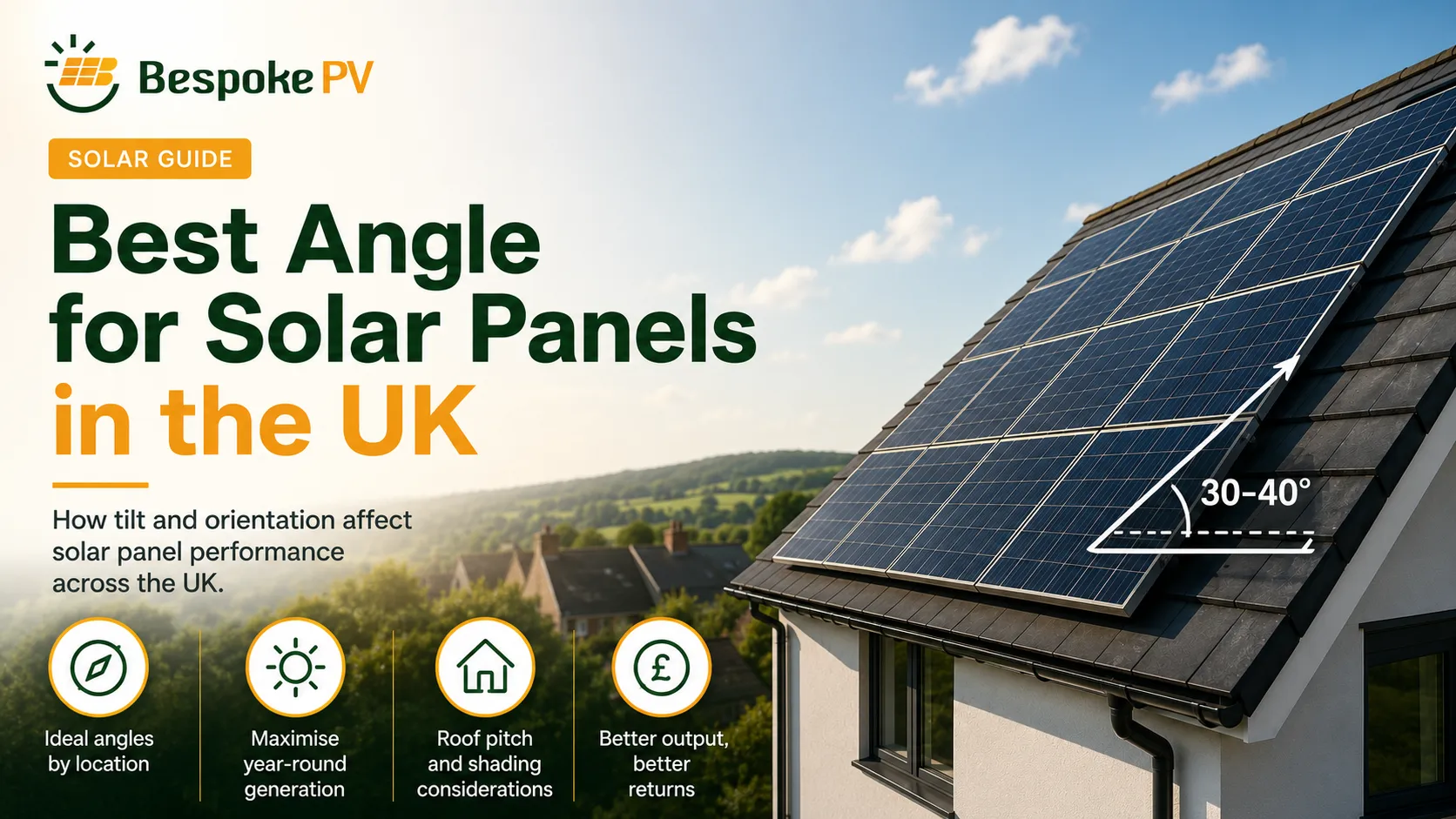
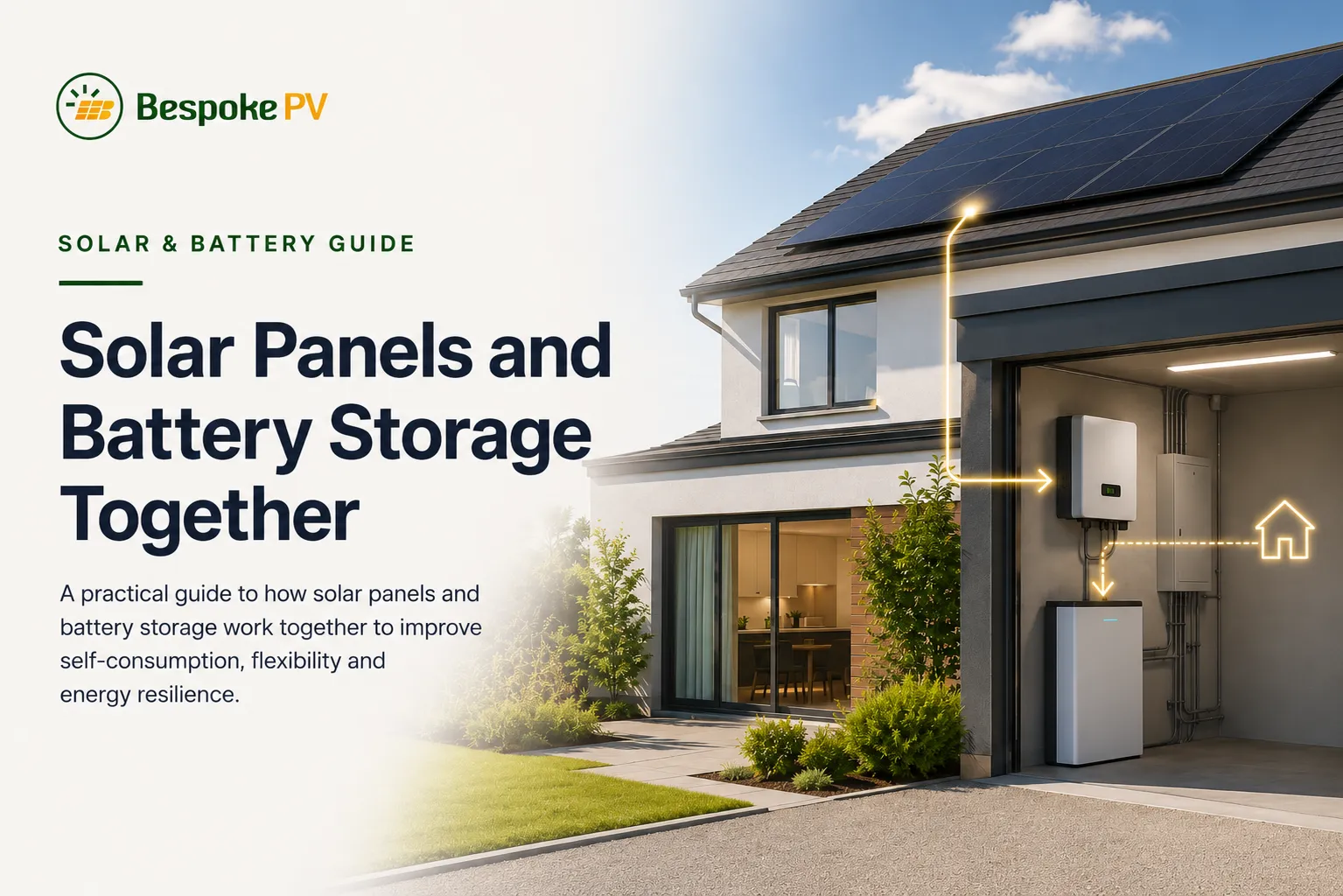
Explore more Bespoke PV guides covering solar design, flat roof systems and future energy planning.
It may be possible, but listed building consent is usually required and the design must be carefully considered.
Often yes, but placement, visibility and local planning rules should be checked before installation.
Yes. Bespoke PV can review your property and advise whether planning or additional checks may be needed.
Explore related Bespoke PV articles and renewable energy insights.
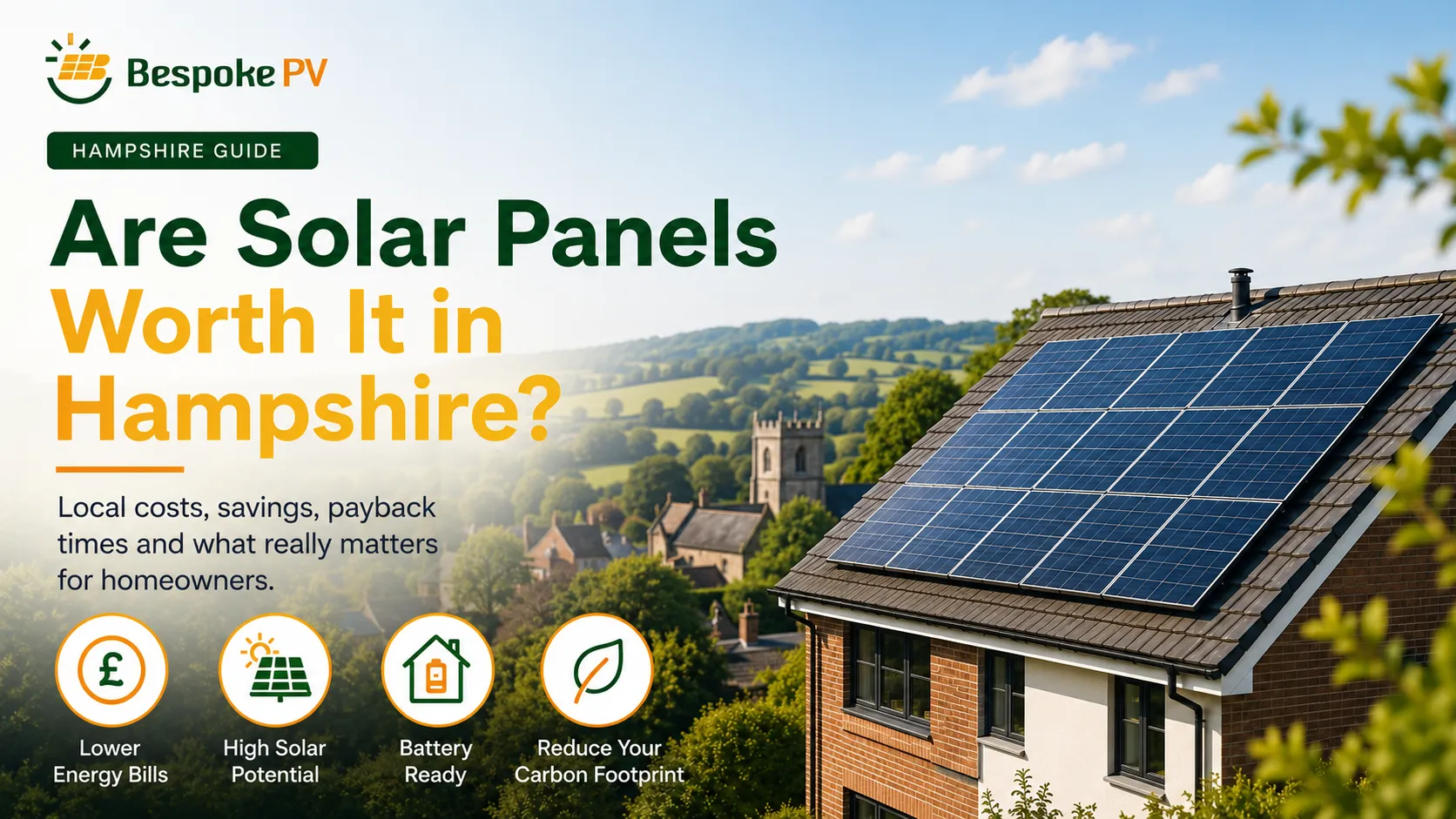
Explore renewable energy systems designed and installed by Bespoke PV.
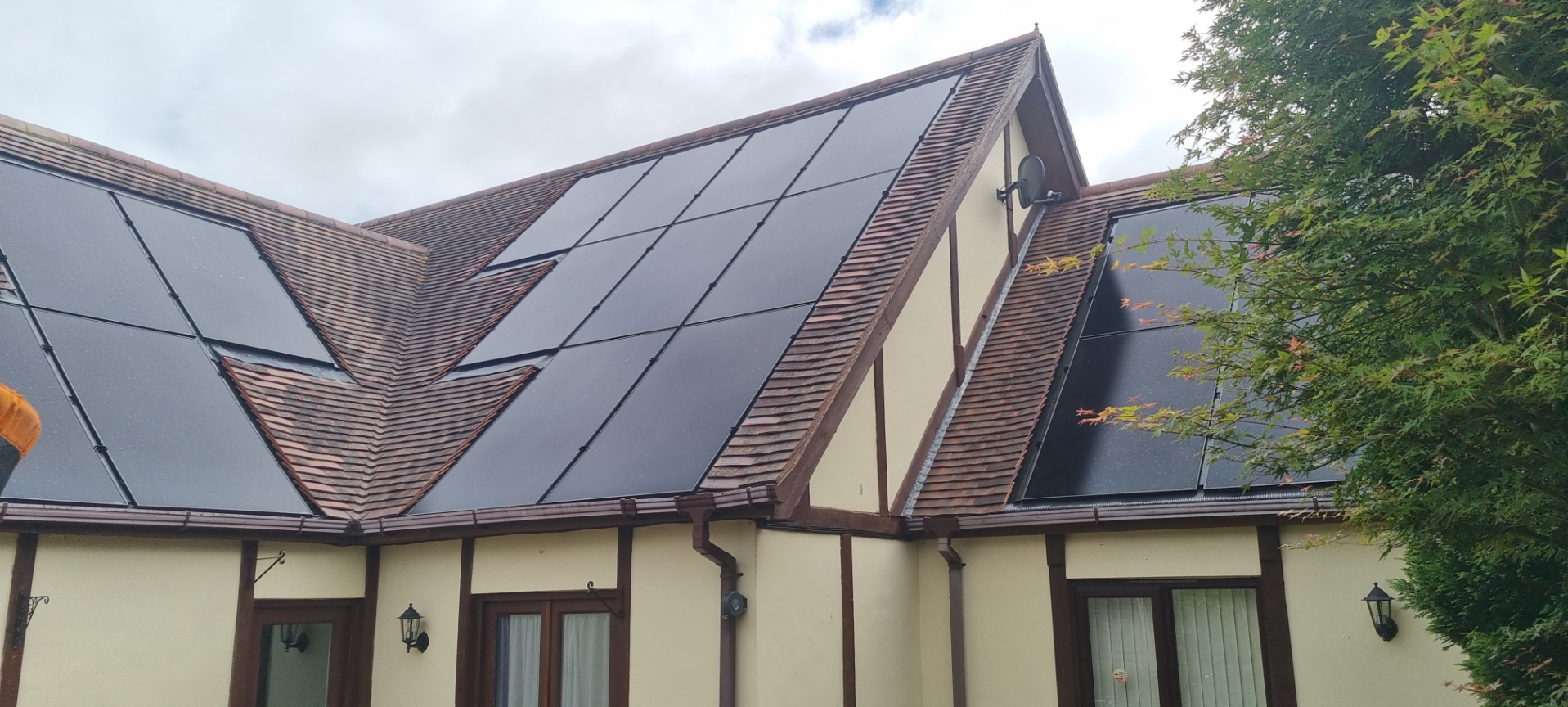

Bespoke PV designs solar PV, battery storage and EV charging systems across Hampshire, Dorset and the South Coast.
Bespoke solar PV, battery storage and EV charging systems for Southampton homes and businesses, designed around roof space, usage and future energy plans.
Solar panels in Southampton →Bespoke solar PV, battery storage and EV charging systems for homes and businesses across Winchester and Hampshire.
Solar panels in Winchester →Solar PV, battery storage and EV charging systems for homes and businesses across Portsmouth and the South Coast.
Solar panels in Portsmouth →Solar PV, battery storage and EV charging systems for homes and businesses across Bournemouth and the South Coast.
Solar panels in Bournemouth →Bespoke PV designs solar PV, battery storage and EV charging systems across Hampshire, Dorset, Wiltshire and the South Coast.
Contact Bespoke PV for practical guidance on solar PV design, planning and installation.