Smart Tariff Savings
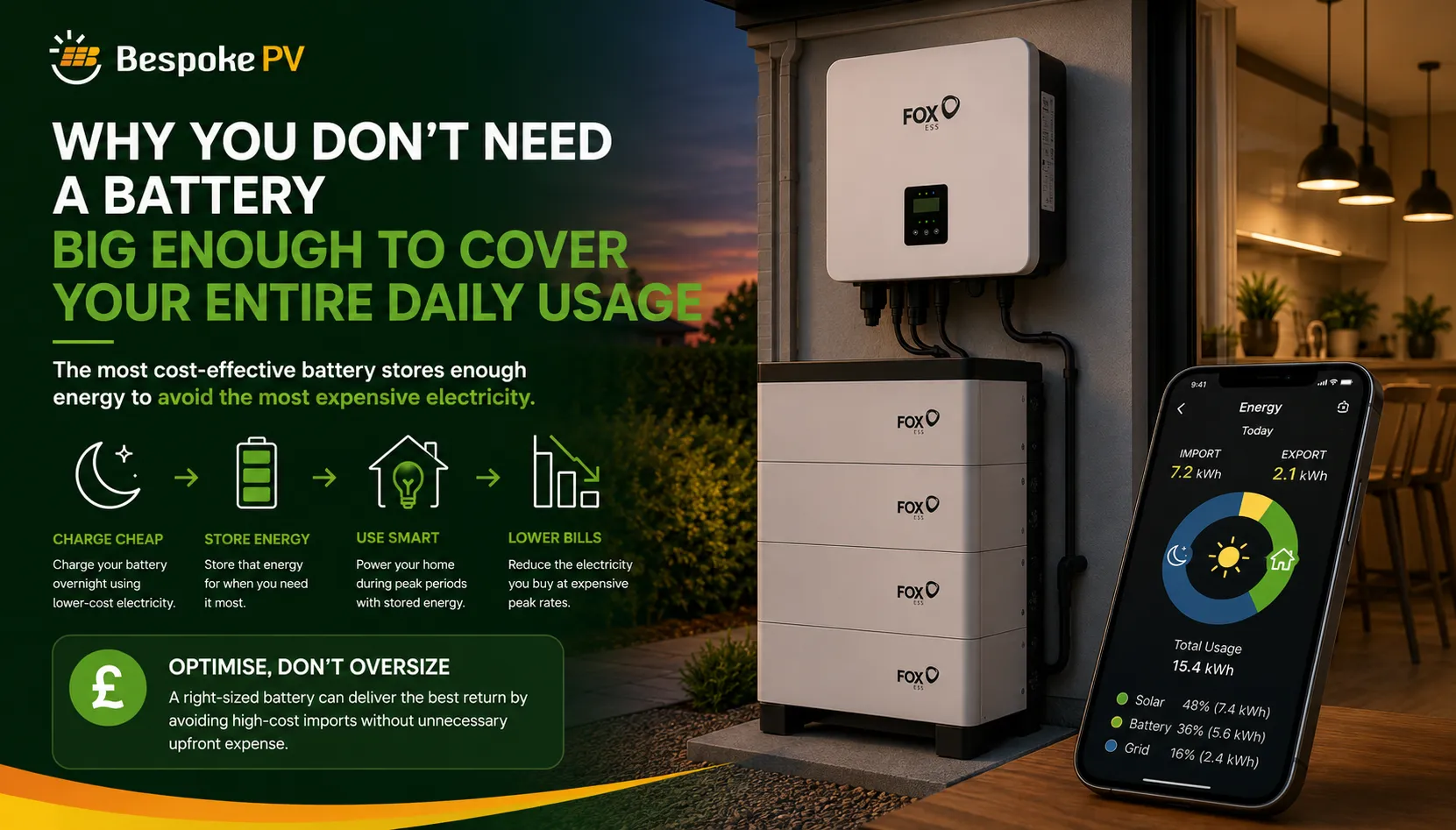
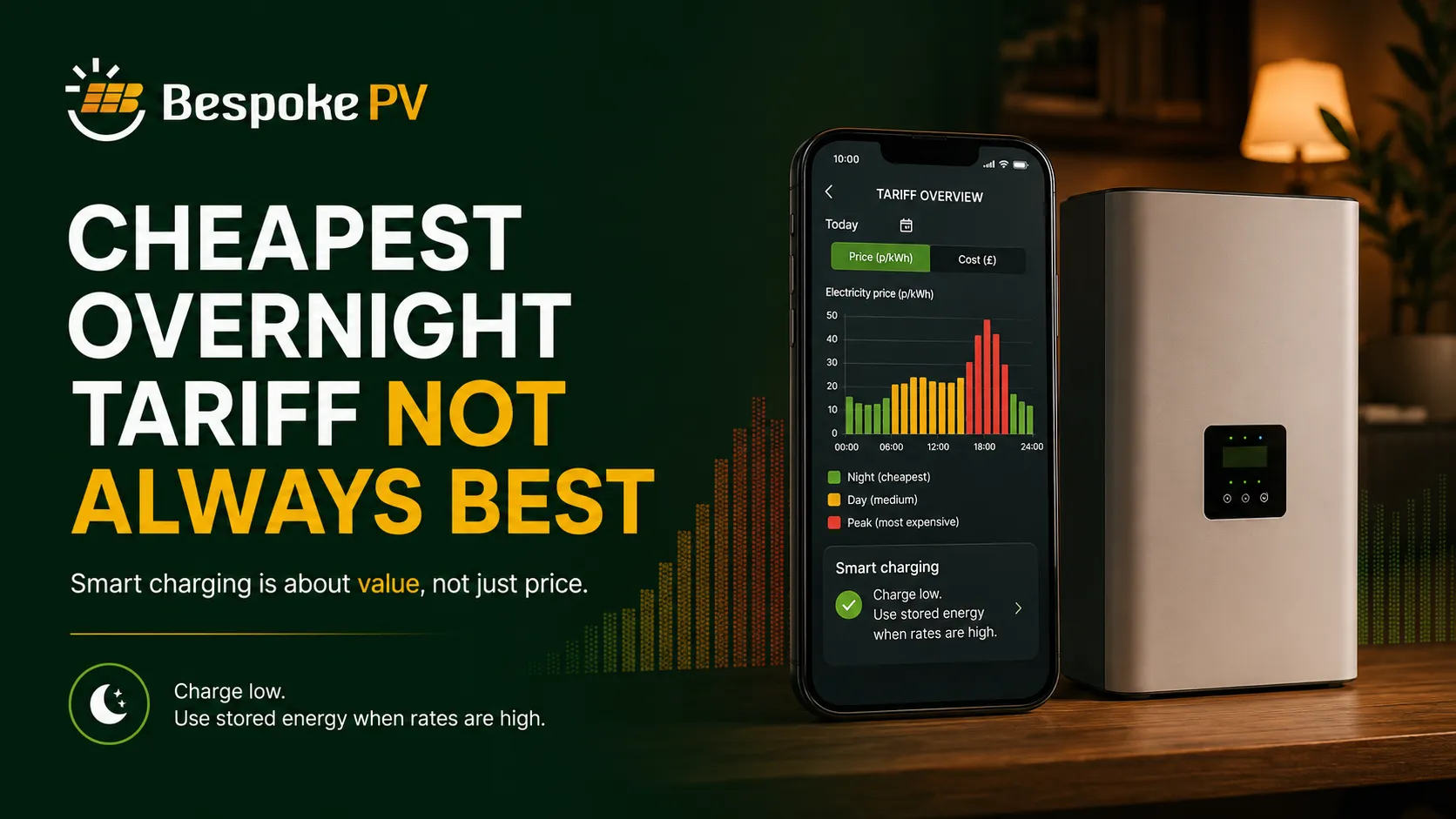
Charge the battery during lower-cost tariff periods and discharge during more expensive periods.

Battery storage is often associated with solar panels, but a home battery can also be installed on its own. For some homeowners, a battery-only installation can be a sensible first step, especially when designed properly for future solar expansion.
Yes. Battery storage can be installed before solar panels.
A battery-only installation allows homeowners to store electricity from the grid, usually during lower-cost tariff periods, and use that stored energy later when electricity prices are higher.
This means a battery can still provide value even before solar panels are installed.
However, if solar panels may be added in the future, the system should be designed with that possibility in mind from the beginning.
Charge the battery during lower-cost tariff periods and discharge during more expensive periods.
Start with battery storage before committing to a full solar PV installation.
Add solar panels later when budget, roof works or timing allows.
Design the system to support backup power requirements where appropriate.
Historically, battery storage was usually installed alongside solar panels.
Today, time-of-use tariffs have changed the conversation.
A battery can be charged from the grid when electricity is cheaper and discharged later when electricity is more expensive.
This makes battery storage relevant even for properties that do not yet have solar panels.
For some homeowners, this creates a practical route into smart energy management before a full solar PV system is installed.
In a battery-only installation, the primary objective is usually tariff optimisation.
The battery charges during lower-cost periods and supplies the home during higher-cost periods.
This does not necessarily mean the battery has to cover every kilowatt-hour the property uses.
The aim is to reduce the most expensive imports and improve the overall cost of electricity across the day.
This is why battery sizing, charge rate, discharge rate and inverter selection all matter.
A battery can work on its own, but solar can improve the system further.
A battery-only installation should not be designed in isolation if solar panels may be added later.
The choices made during the first installation can affect how easy, efficient and cost-effective a future solar upgrade will be.
Important considerations include inverter type, available PV input capacity, equipment location, cable routes, battery expandability and DNO requirements.
A cheaper battery-only system may look attractive initially, but it can become restrictive if it was not designed with future solar integration in mind.
A hybrid inverter can manage both battery storage and solar generation within the same system.
For homeowners planning to add solar panels later, selecting the right hybrid inverter at the battery-only stage can make future solar integration much cleaner.
This may avoid the need for additional inverters, more complex wiring or unnecessary duplication of equipment later.
However, the inverter must be chosen carefully to suit both the current battery-only installation and the likely future solar array.
A battery-only installation should still be designed as part of a wider energy plan.
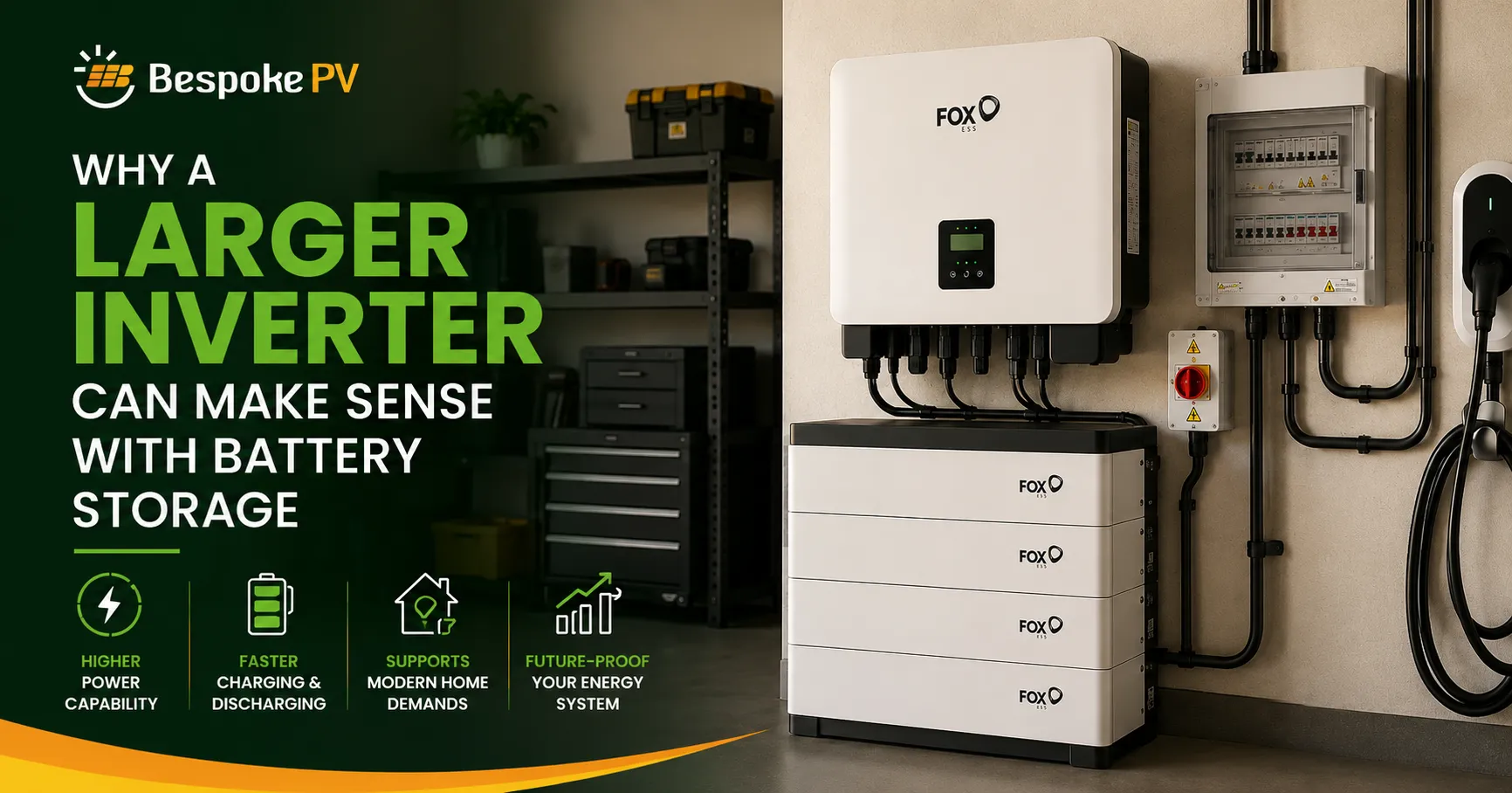
Inverter sizing is particularly important when installing a battery before solar panels.
The inverter must be suitable for the battery system today, but it should also be capable of supporting the solar array that may be added later.
If the inverter is too small, it may restrict future solar generation, battery charging rates or discharge capability.
If the inverter is selected carefully, the system can provide useful battery performance immediately while remaining ready for future solar expansion.
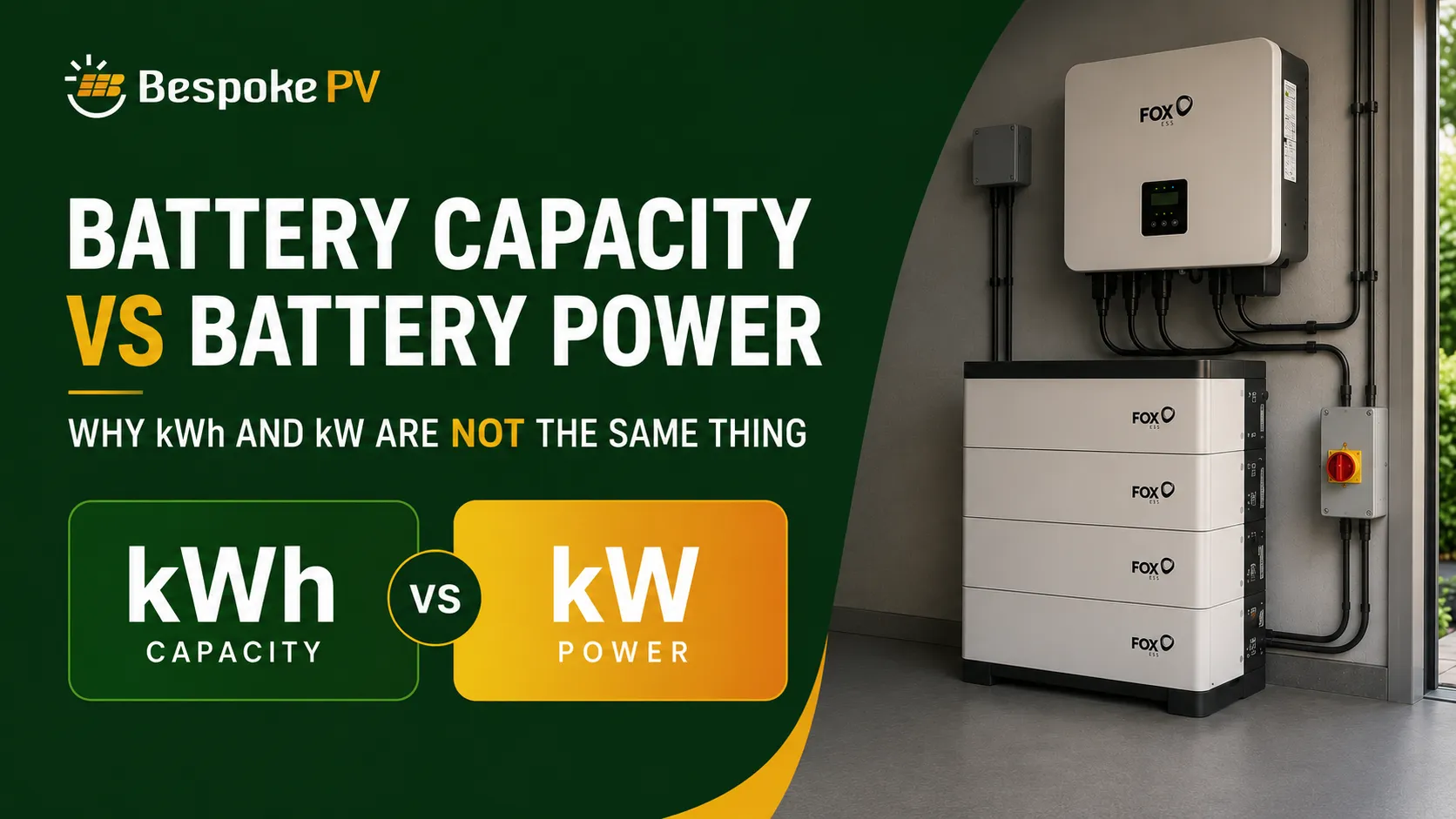
Even without solar panels, battery power capability remains important.
A battery may contain enough stored energy, but the inverter and battery must be able to deliver that energy quickly enough to support household demand.
High-power appliances such as electric ovens, hobs, kettles, electric showers, tumble dryers, heat pumps and EV chargers can all create short-term demand peaks.
This is why battery-only systems should be assessed on both storage capacity and power output.
Battery-only installations can be a sensible first step, but only if they are designed with the future in mind.
We do not view battery storage as an isolated product. We view it as part of a wider home energy system that may later include solar panels, EV charging, heat pumps, backup power and smarter tariff strategies.
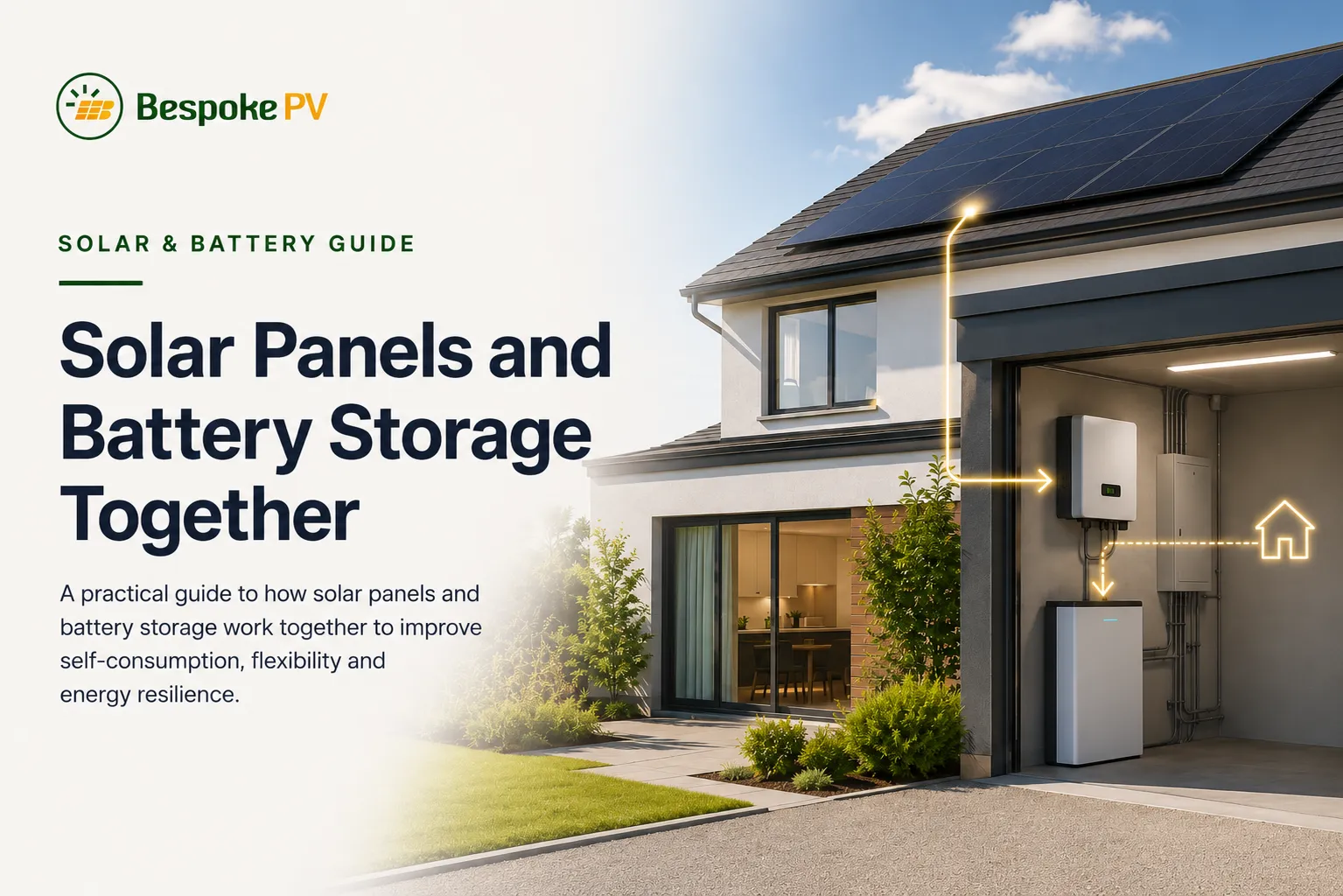
Adding solar panels later can significantly improve a battery storage system.
Instead of relying only on overnight grid charging, the home can use solar generation directly during the day.
Surplus solar generation can also help recharge the battery, reducing the amount of electricity that needs to be imported from the grid.
This can be particularly useful during spring, summer and brighter parts of the year when daytime solar generation can reduce the pressure on stored overnight energy.
Consider a homeowner who installs a battery-only system to take advantage of a time-of-use tariff.
The battery charges overnight and helps reduce expensive daytime and evening imports.
Later, solar panels are added to the property.
The solar array then supplies daytime household loads directly and helps top up the battery before evening demand increases.
The battery does not need to do all the work on its own because solar generation is now contributing during the day.
This is why a battery that was originally installed for tariff optimisation can become even more useful once solar is added.
The design approach at the start can affect the upgrade path later.
If backup power is important, this should be considered before the battery is installed.
There is a significant difference between a system designed only for tariff optimisation and one designed to provide emergency backup power.
Critical loads backup may support selected circuits such as lighting, refrigeration, internet equipment and heating controls.
Whole-home backup is more demanding and may require a larger inverter, greater battery capacity and a reserved state of charge.
These requirements are much easier to design properly at the beginning than to retrofit later.
Battery location should also be considered carefully.
If solar panels may be added later, equipment location, cable routes and access for future works can all influence installation quality and cost.
External installation may be preferable in many situations, depending on the equipment used, manufacturer guidance and site conditions.
Planning the physical layout properly helps avoid unnecessary disruption when the system is expanded later.
Not always.
Some homeowners may achieve better value by installing solar and battery storage together from the beginning.
Others may prefer to start with battery storage because solar installation is not currently practical due to roof works, budget, planning considerations, shading, property ownership or timing.
The right approach depends on the property, electricity usage, tariff options, future plans and overall budget.
Battery-first installations can be suitable in several situations.
A battery-only installation can be simple in principle, but good design is still essential.
The system should be sized around household usage patterns, tariff structure, charge and discharge requirements, backup expectations and future solar plans.
Choosing the wrong equipment can limit performance and make future expansion more expensive.
Choosing the right equipment can create a flexible energy platform that works immediately and remains ready for the next stage.
Battery storage does not have to be installed at the same time as solar panels.
However, it should be designed as though solar may be added later if that is part of the homeowner's long-term plan.
A carefully designed battery-only installation can reduce electricity costs now, support smarter tariff use and provide a clear upgrade path towards solar generation in the future.
That makes battery storage a practical first step for many homeowners looking to move towards a more flexible and resilient home energy system.
Explore more Bespoke PV articles covering battery-only systems, smart tariffs, inverter sizing and future solar integration.
Yes. A home battery can be installed without solar panels and charged from the grid during lower-cost tariff periods.
Yes. Solar panels can often be added later, provided the battery system has been designed with future solar integration in mind.
It can be. Battery-only systems may reduce electricity costs by charging during cheaper tariff periods and discharging during more expensive periods.
A battery without solar panels usually charges from the grid during low-cost periods and supplies the home later when electricity prices are higher.
No. Solar panels are not essential for battery storage, although adding solar later can improve the system's performance and reduce grid imports.
Homeowners may install battery storage first to use smart tariffs, phase the cost of upgrades, wait for future roof works or prepare for solar panels later.
Yes. Inverter selection, cable routes, equipment location and future PV capacity should all be considered if solar panels may be added later.
A suitable hybrid inverter is often a strong option because it can manage both battery storage and future solar generation within the same system.
Yes. An unsuitable inverter may restrict future solar integration, require additional equipment or limit system performance.
It depends on household demand, charge and discharge requirements, backup needs and whether solar panels may be added later.
Yes. Battery-only systems are often designed to charge during low-cost time-of-use tariff periods and discharge during higher-cost periods.
Yes. Solar generation can supply daytime loads directly and help recharge the battery, reducing reliance on grid charging.
Yes. If the system is designed correctly, surplus solar generation can help recharge the battery during daylight hours.
Potentially, yes. However, the original battery system should be designed with future compatibility, inverter capacity and installation layout in mind.
Battery size, inverter capacity, charge and discharge rates, tariff strategy, backup requirements, installation location and future solar plans should all be considered.
Some battery systems can provide backup power if designed for it, but backup capability should be specified at the design stage.
Tariff optimisation focuses on reducing electricity costs, while backup power focuses on keeping selected loads or the whole home running during a power cut.
It may be possible, but whole-home backup usually requires careful inverter sizing, sufficient battery capacity and suitable system design.
Usually, yes. Critical loads backup supports selected essential circuits and often requires less power and battery capacity than whole-home backup.
Yes. Equipment location, cable routes, access and future solar wiring should be considered before the battery is installed.
It can help if the first installation is designed correctly, but poor equipment selection may increase future upgrade costs.
Sometimes. Installing both together can be efficient, but a staged approach may suit homeowners who want battery savings now and solar panels later.
Many systems can be expanded, but expansion depends on battery compatibility, inverter capacity and manufacturer limits.
Yes. EV charging can increase household electricity demand and may influence inverter sizing, battery capacity and future solar requirements.
Yes. Heat pumps can increase electricity consumption and should be considered when designing battery systems for long-term use.
The main risk is choosing equipment that works for battery-only use today but limits future solar integration or system expansion.
Yes. Battery storage can be a practical first step towards a wider energy system that later includes solar panels, EV charging or heat pumps.
No. It should also consider future solar panels, electrification, tariff changes, backup requirements and expansion options.
Explore related Bespoke PV articles and renewable energy insights.
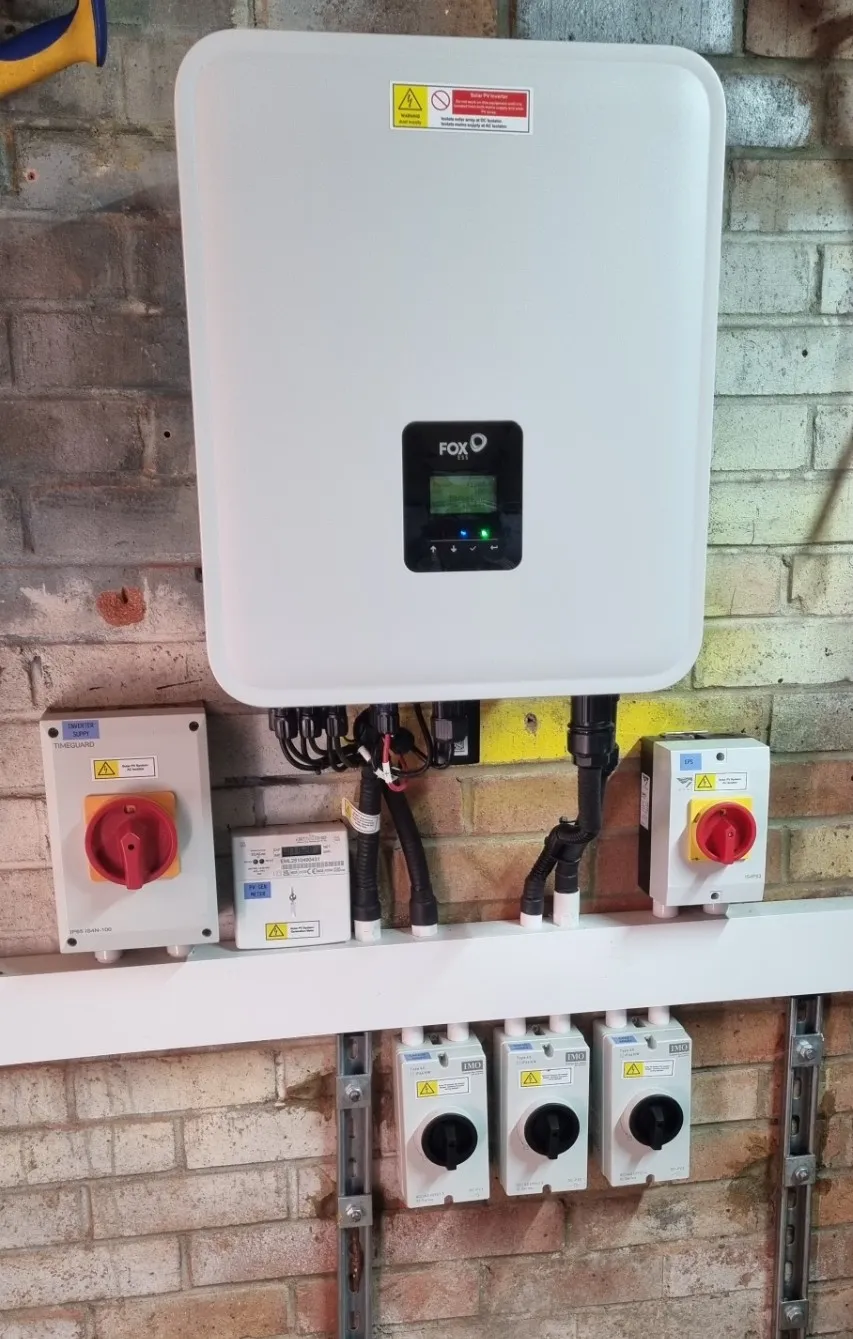
Explore renewable energy systems designed and installed by Bespoke PV.
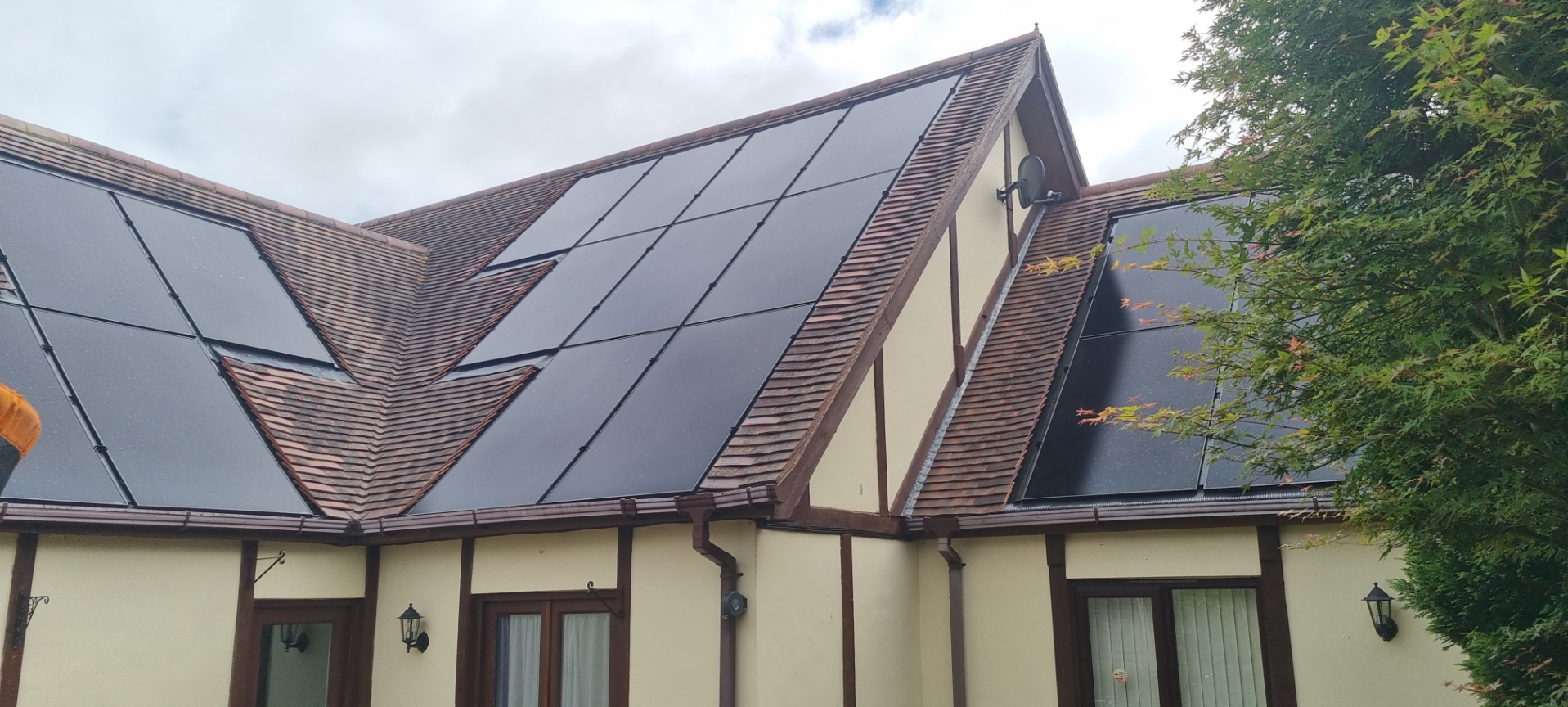
Bespoke PV designs solar PV, battery storage and EV charging systems across Hampshire, Dorset and the South Coast.
Bespoke solar PV, battery storage and EV charging systems for Southampton homes and businesses, designed around roof space, usage and future energy plans.
Solar panels in Southampton →Bespoke solar PV, battery storage and EV charging systems for homes and businesses across Winchester and Hampshire.
Solar panels in Winchester →Solar PV, battery storage and EV charging systems for homes and businesses across Portsmouth and the South Coast.
Solar panels in Portsmouth →Solar PV, battery storage and EV charging systems for homes and businesses across Bournemouth and the South Coast.
Solar panels in Bournemouth →Bespoke PV designs solar PV, battery storage and EV charging systems across Hampshire, Dorset, Wiltshire and the South Coast.
Speak with Bespoke PV about battery-only installations, smart tariffs and designing a system that can support future solar expansion.