Visual Sensitivity
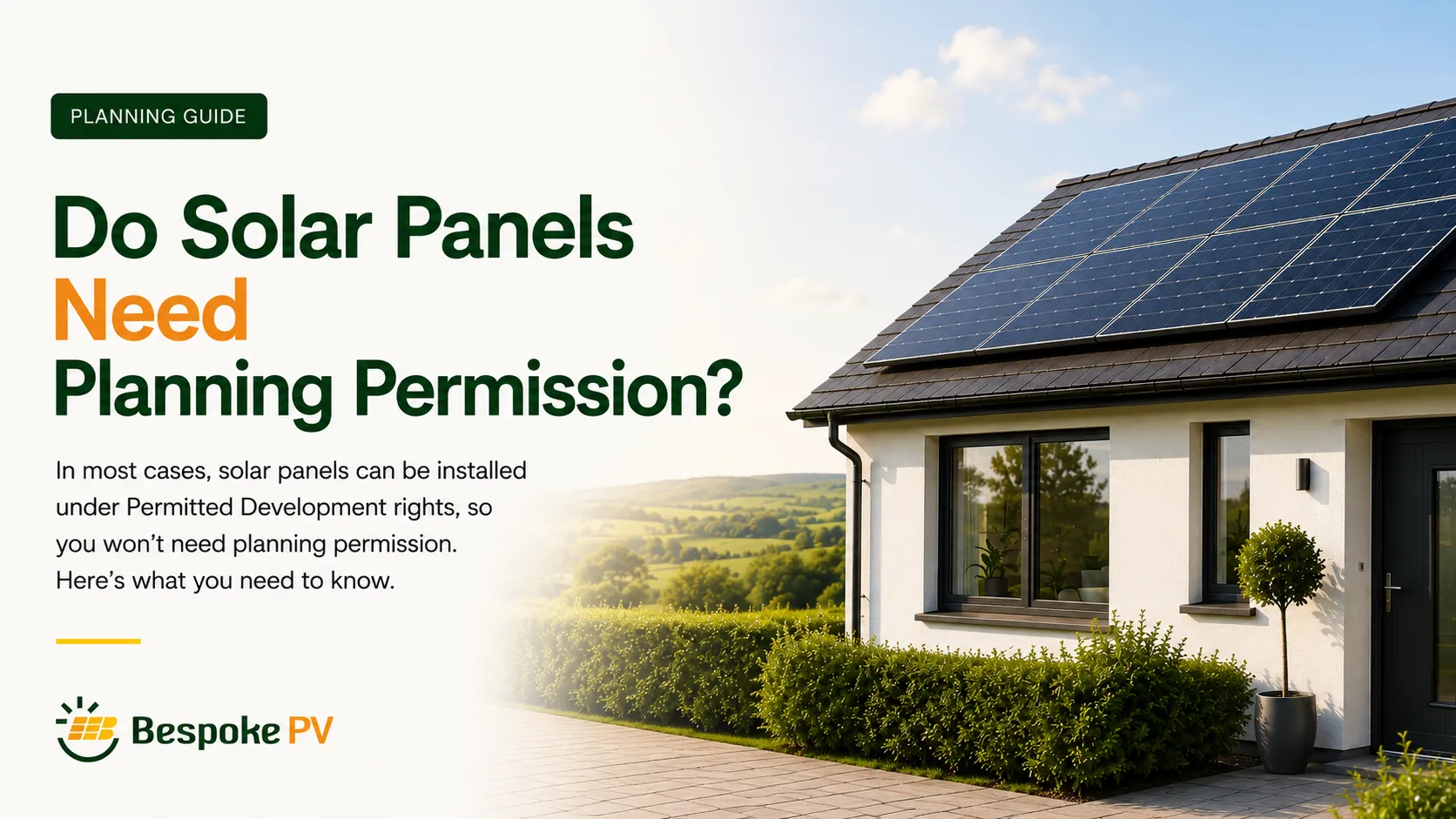
The visibility of solar panels can influence planning outcomes.

Installing solar panels on listed buildings requires careful planning, but renewable energy solutions may still be possible for many heritage properties.
In some situations yes, although listed buildings usually require additional permissions before installation.
Planning authorities will often consider visual impact, roof visibility, historic character, mounting approach and wider building preservation requirements.
Every listed property is different, which means solar PV systems should always be assessed individually.
A professionally designed installation should balance renewable energy performance with long-term protection of the building’s historic significance.
The visibility of solar panels can influence planning outcomes.
Installations should respect the appearance and architectural importance of the property.
Mounting methods and panel layouts often require tailored design approaches.
Listed buildings are legally protected because of their historic or architectural significance.
As a result, changes affecting the building’s appearance or structure often require listed building consent alongside potential planning approval.
Solar panel installations are therefore usually assessed more carefully than standard residential projects.
Local planning authorities may consider how visible the panels are, whether the installation alters the character of the building and how reversible the installation would be in the future.
In some situations, solar panels may be positioned on less visually prominent roof areas.
Rear-facing roofs, hidden elevations or outbuildings may sometimes provide more suitable locations.
Carefully designed layouts may help reduce visual impact while still allowing the property to benefit from renewable electricity generation.
However, every property and planning authority may take a slightly different approach depending on the building’s significance and visibility.
Listed buildings often require a different design approach compared with typical residential installations.
Historic properties and conservation areas often require more sensitive renewable energy planning.
Solar may still be possible in many situations, but roof visibility, panel layout and overall appearance can become especially important.
Early consultation and professional guidance may help reduce delays or planning complications during the approval process.
Less visually prominent roof areas may sometimes be preferred.
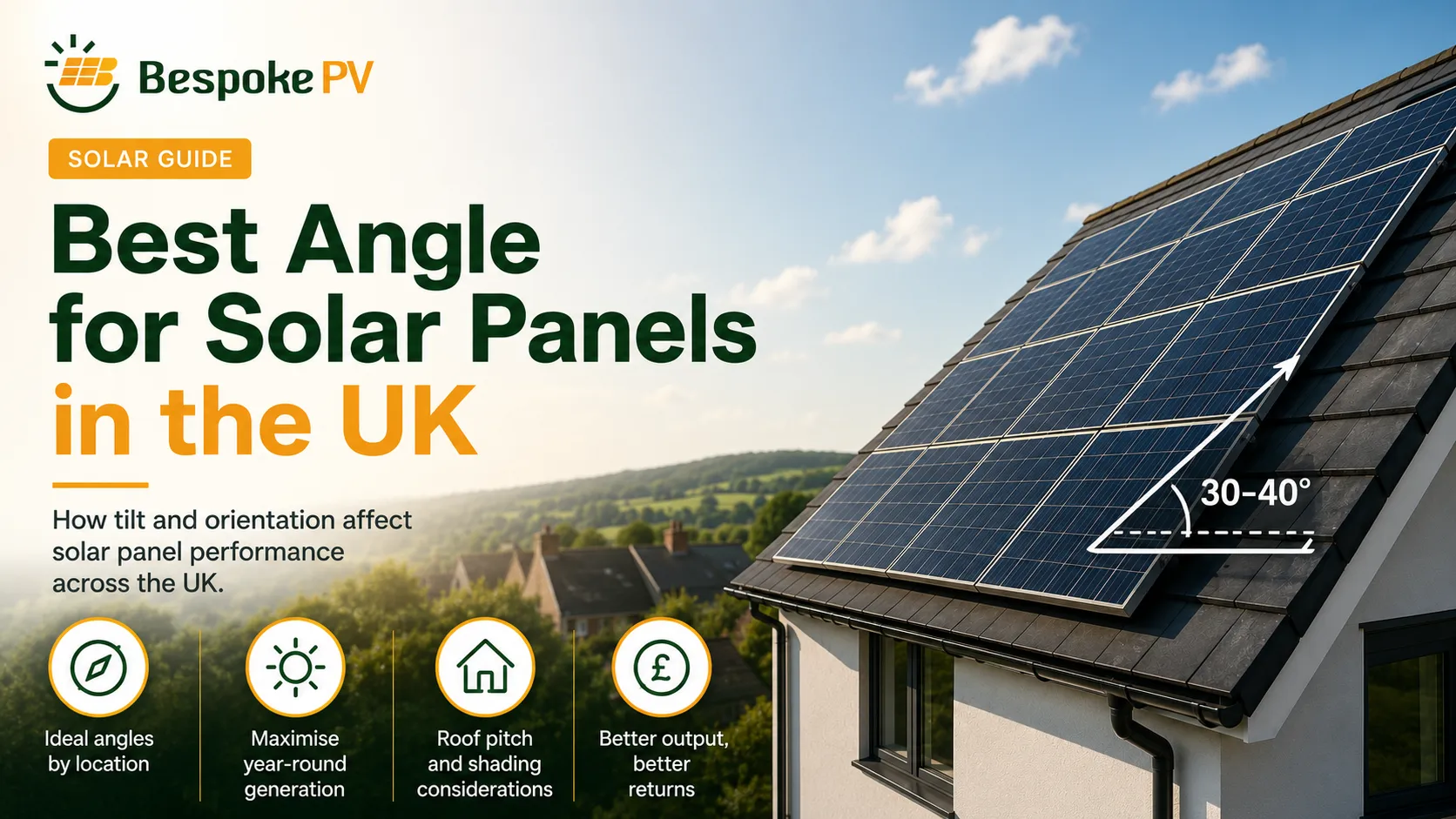
Panel layout and mounting methods may influence planning outcomes.
Early consultation and professional advice can help avoid delays.
Successful heritage solar projects are usually about careful balance rather than simply maximising panel numbers.
The most effective systems combine renewable energy generation with sensitive architectural integration and long-term building protection.
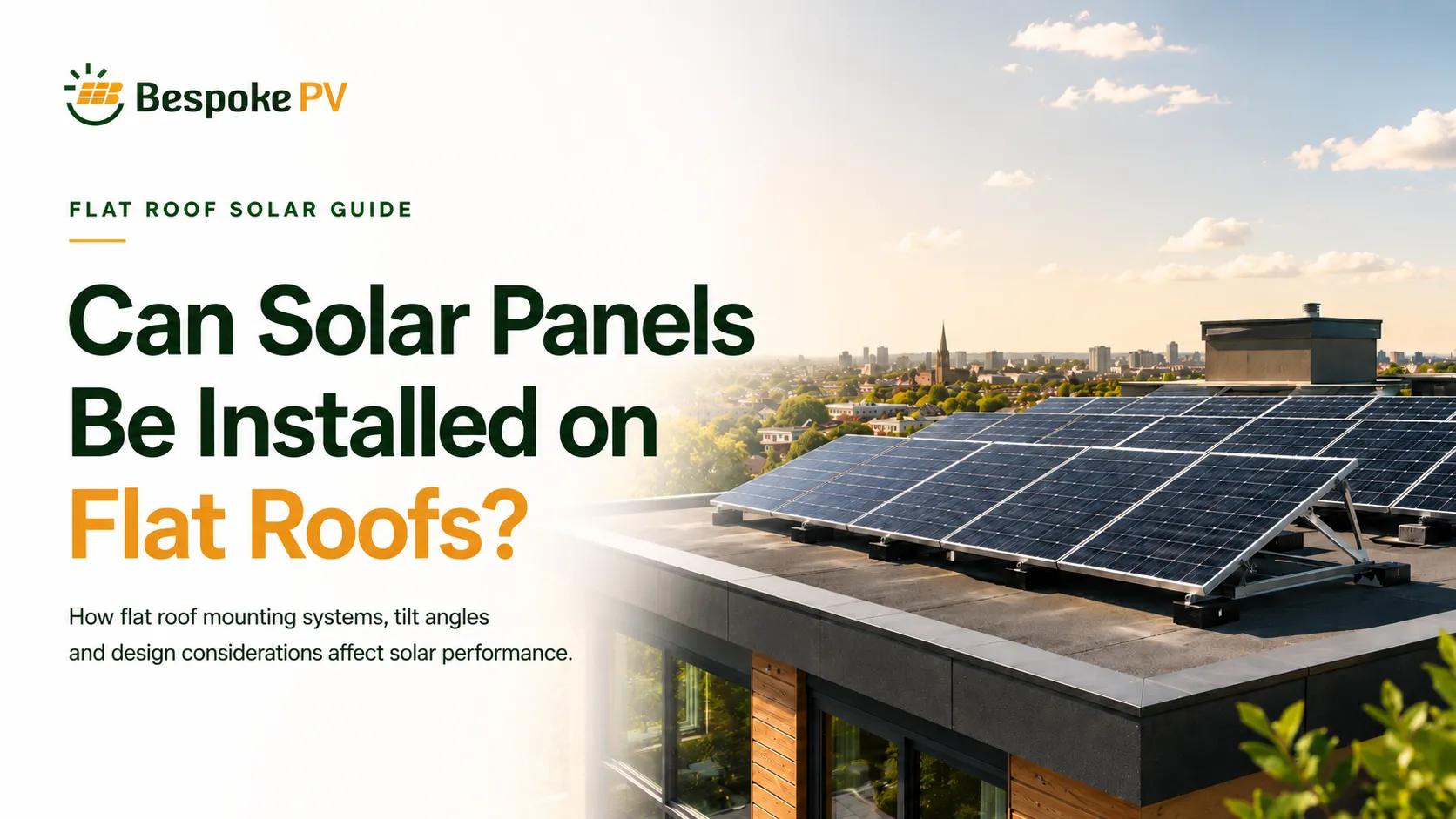
In some cases, less visible flat roofs, garages, outbuildings or ancillary structures may provide more suitable locations for solar panels than highly visible main roof elevations.
This can sometimes allow renewable energy generation while reducing the visual impact on the primary listed structure.
Read our guide: Can Solar Panels Be Installed on Flat Roofs?
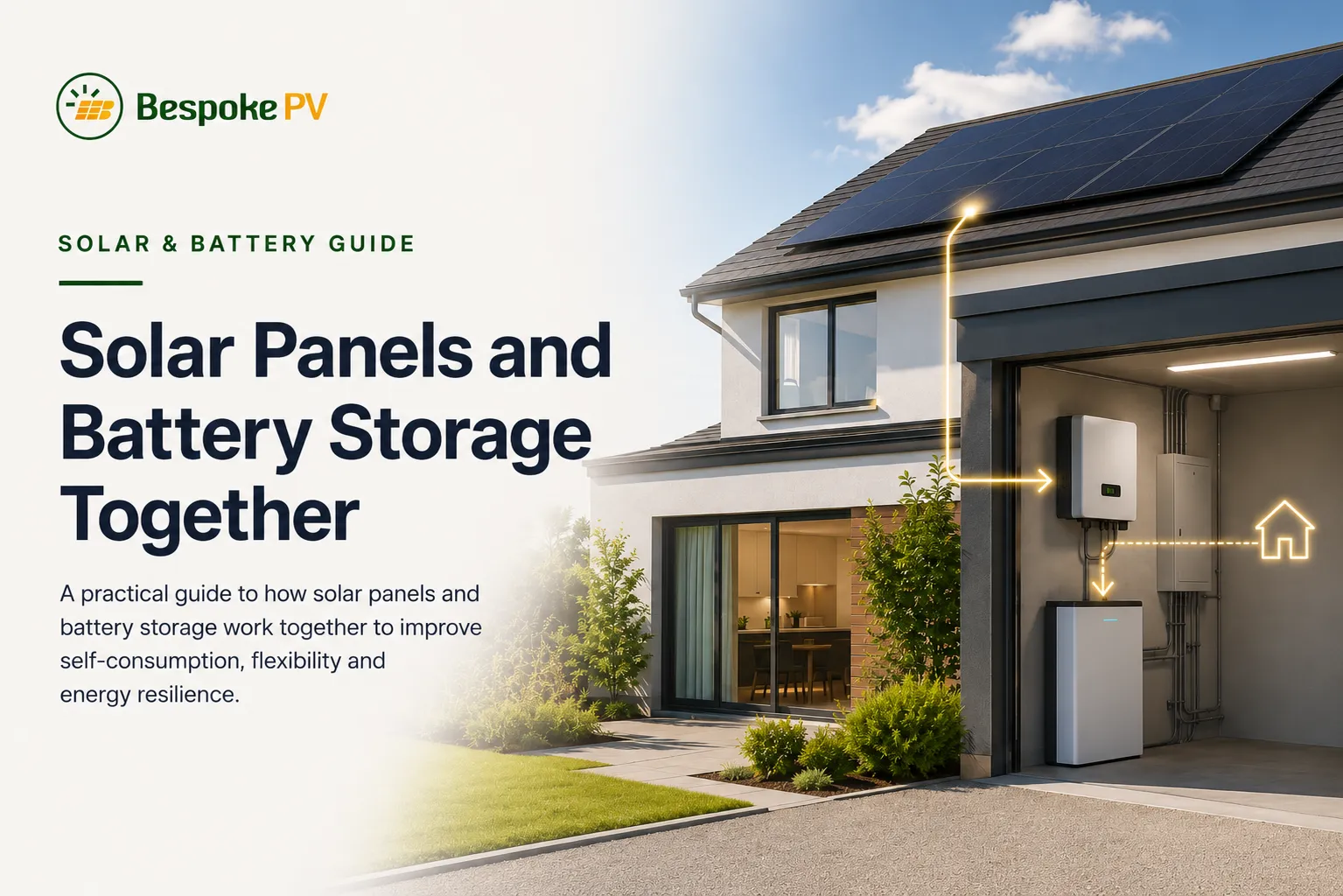
Battery storage may help improve self-consumption while minimising visible external infrastructure.
Internal equipment placement, ventilation, electrical integration and maintenance access should all be considered carefully during the design process.
Many homeowners are increasingly viewing battery storage as part of a wider long-term energy resilience strategy.
Read our guide: Solar Panels and Battery Storage Together
Battery systems may help maximise the value of smaller or carefully positioned arrays.
Battery systems can complement sensitive heritage solar projects in several ways.
Rising electricity prices and wider electrification are increasing interest in renewable energy solutions across many types of property, including heritage buildings.
Some owners of listed properties are increasingly exploring solar PV, battery storage and energy efficiency upgrades as part of long-term property stewardship.
Sensitive renewable energy integration may help improve operational sustainability while still protecting the historic importance of the building.
Careful planning reduces the risk of future complications.
Heritage installations often involve more coordination than standard residential projects.
Some historic commercial properties, estates, educational buildings and converted heritage sites may also explore renewable energy installations.
Larger heritage projects may involve additional engineering, planning and operational considerations depending on the building type and intended system scale.
Future electrification, EV charging and operational energy resilience are becoming increasingly important for many commercial heritage sites.
Heritage projects should prioritise careful long-term integration rather than lowest upfront cost alone.
Solar PV systems are long-term infrastructure investments.
For listed buildings, long-term maintenance access, roof protection, reversibility and future flexibility are all important considerations.
A carefully designed installation should support renewable energy generation while remaining sympathetic to the long-term preservation of the property.
This is why professionally tailored heritage solar design is so important.
Bespoke PV designs carefully considered solar systems for sensitive and heritage properties.
Listed buildings require tailored renewable energy planning.
Explore more Bespoke PV guides covering planning, solar design and specialist installations.
In most cases additional permissions or listed building consent will be required.
Some installations may use less visible roof areas depending on the property layout.
Yes, although ventilation, access and electrical requirements must be considered carefully.
Explore related Bespoke PV articles and renewable energy insights.
Explore renewable energy systems designed and installed by Bespoke PV.
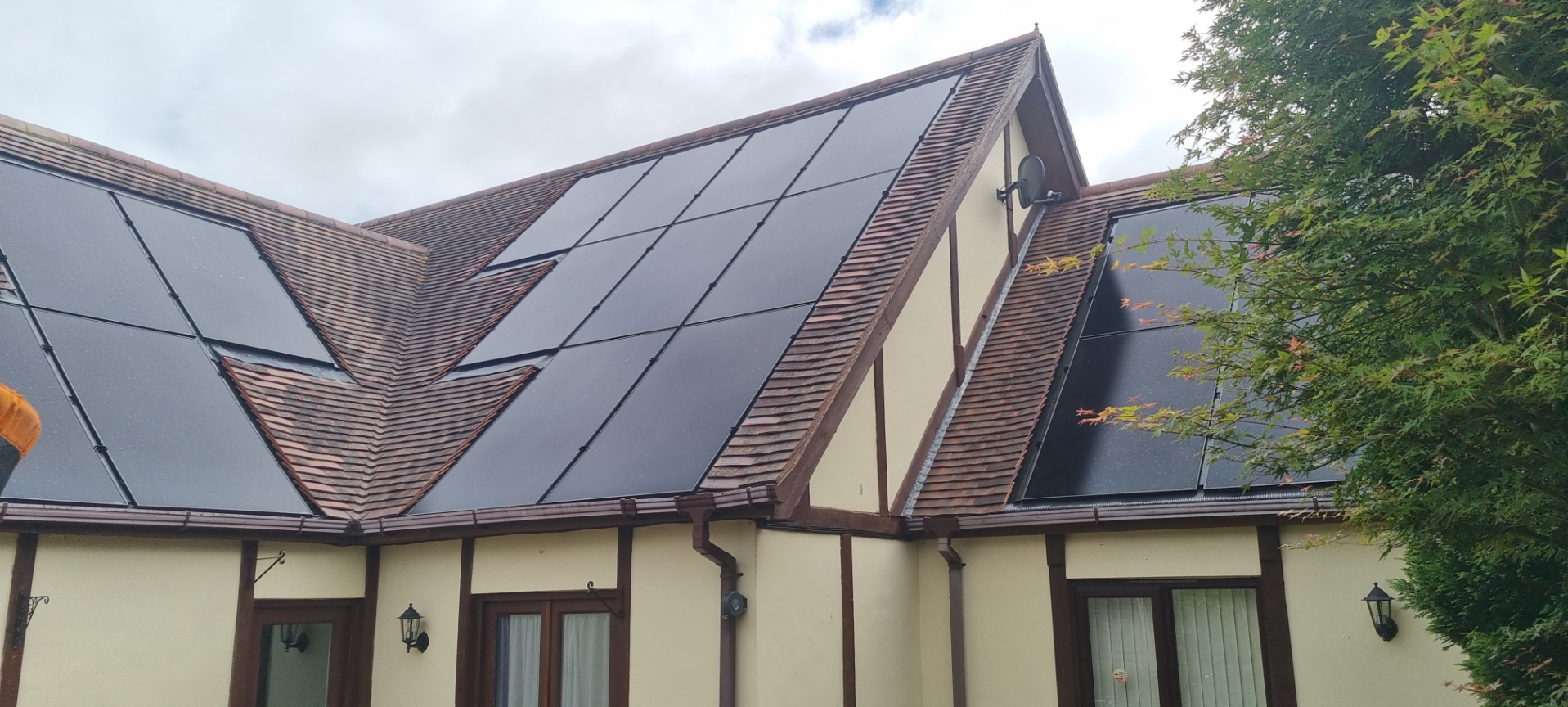

Bespoke PV designs solar PV, battery storage and EV charging systems across Hampshire, Dorset and the South Coast.
Bespoke solar PV, battery storage and EV charging systems for Southampton homes and businesses, designed around roof space, usage and future energy plans.
Solar panels in Southampton →Bespoke solar PV, battery storage and EV charging systems for homes and businesses across Winchester and Hampshire.
Solar panels in Winchester →Solar PV, battery storage and EV charging systems for homes and businesses across Portsmouth and the South Coast.
Solar panels in Portsmouth →Solar PV, battery storage and EV charging systems for homes and businesses across Bournemouth and the South Coast.
Solar panels in Bournemouth →Bespoke PV designs solar PV, battery storage and EV charging systems across Hampshire, Dorset, Wiltshire and the South Coast.
Speak with Bespoke PV about carefully designed solar PV systems for complex or heritage properties.