Roof Complexity
Multiple roof faces, limited access or unusual roof structures may increase installation time.

Solar panel installation times vary depending on the property, roof design, system size and whether battery storage or electrical upgrades are included.
Many residential solar PV systems are physically installed within one to three days, although larger or more complex projects may take longer.
However, the full project timeline usually includes far more than the roof installation itself.
Initial surveys, structural assessment, electrical planning, scaffolding, DNO coordination, commissioning and monitoring setup all form part of the wider process.
Good solar installations are carefully planned long-term infrastructure projects rather than simply rapid roof installations.
The physical roof installation itself is often only one part of the wider project.
The overall project timeline often includes several stages before and after physical installation.
Multiple roof faces, limited access or unusual roof structures may increase installation time.
Battery integration often adds additional electrical work and commissioning requirements.
Some properties may require consumer unit upgrades or additional electrical modifications.
Good solar installations rely heavily on planning before work begins.
Roof surveys, shading analysis, structural considerations, inverter selection, battery compatibility and future electrification planning all influence system design.
As homes become increasingly electrified through EV charging and heat pumps, professionally coordinated system design is becoming more important than ever.
This is one reason the best installations focus on long-term system performance rather than simply installation speed.
Faster installation is not always better.
Good solar projects prioritise careful system design, safe installation practices, electrical quality, monitoring setup and long-term reliability.
Proper commissioning and testing are critical for long-term system performance.
Scaffolding is often installed before the solar installation itself begins.
Depending on the property, scaffolding may be erected the day before installation, several days beforehand or in phases for larger projects.
Good site preparation improves safety, installation efficiency and roof access.
Larger commercial projects may also require specialist access equipment, lifting equipment or phased roof access planning.
Safe access planning is an important part of every installation.
Different properties require different levels of preparation.
In many cases, yes.
Battery storage systems introduce additional electrical components, configuration procedures and commissioning requirements.
This may include hybrid inverter installation, battery mounting, backup power configuration, monitoring setup, software configuration and smart tariff optimisation.
As homes become increasingly electrified, battery systems are becoming central to wider household energy management.
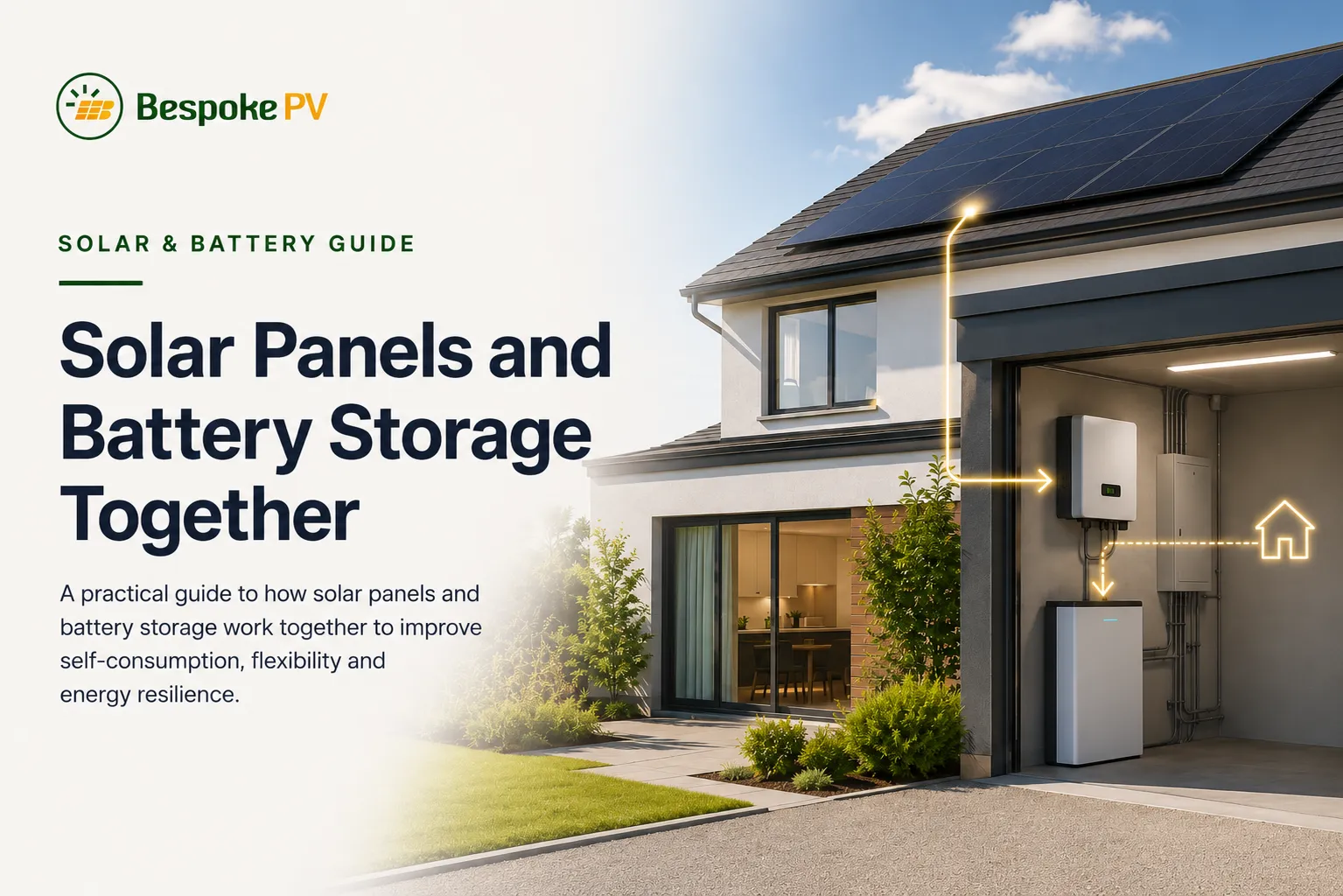
Read our guide: Solar Panels and Battery Storage Together
Battery integration increases overall system complexity.
Commercial solar projects are often more complex than residential systems.
Installation timelines depend on roof size, structural requirements, access equipment, electrical infrastructure, grid connection requirements and battery integration.
Large commercial projects may be completed in phases over several weeks depending on the building and operational requirements.
Commercial systems increasingly include battery storage, EV charging infrastructure and intelligent monitoring systems as part of wider energy management strategies.
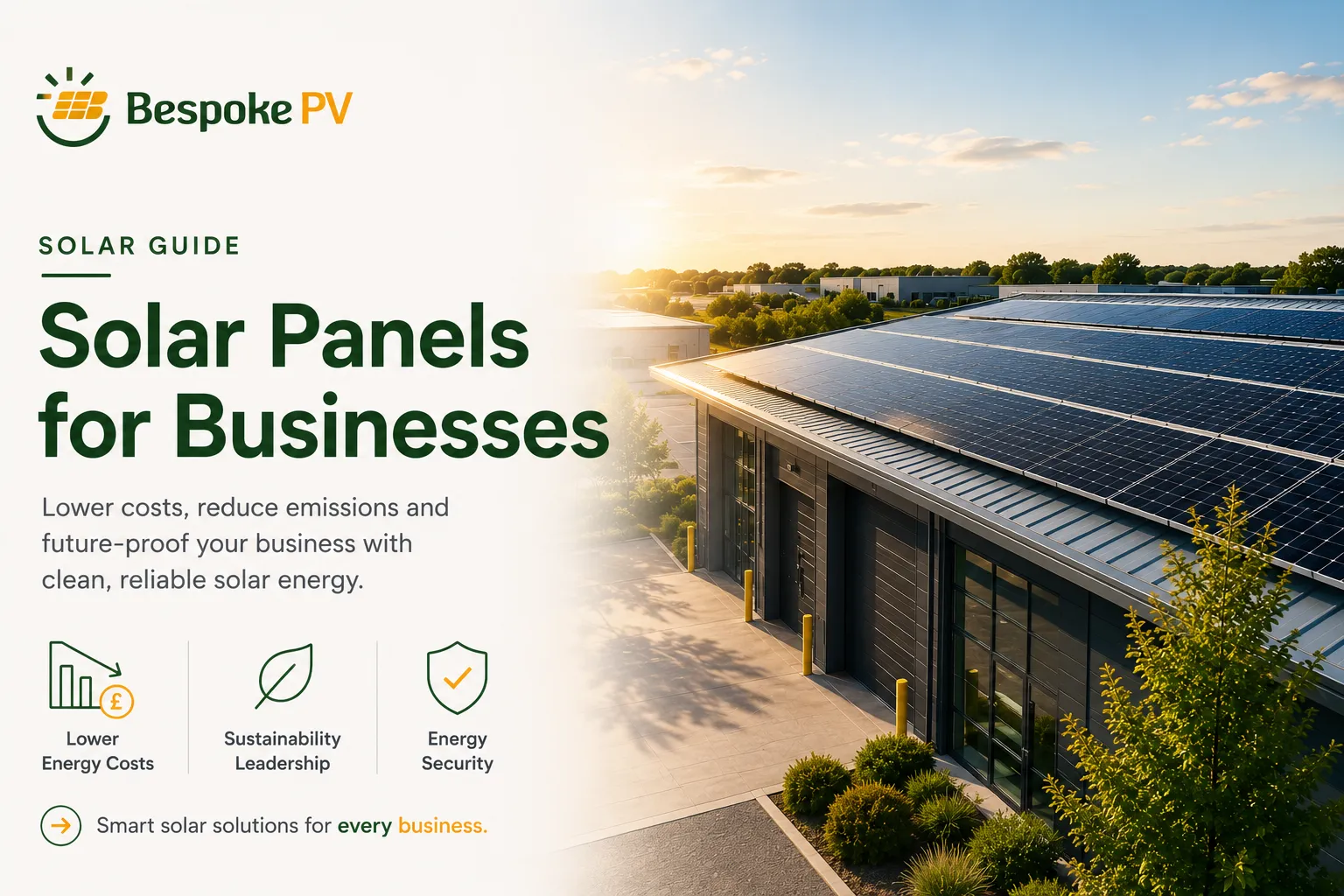
Read our guide: Solar Panels for Businesses
Commercial systems are often significantly more complex than residential projects.
Commercial systems often involve additional engineering and coordination.
Most installations follow a structured process.
Scaffolding is normally installed first to provide safe roof access.
Roof mounting systems and rails are then fitted before solar panels are positioned and secured.
Electrical works follow, including inverter installation, isolators, cabling and monitoring integration.
Where battery systems are included, additional commissioning and software configuration may also be required before final testing and handover.
The exact process varies depending on the property and system complexity.
Most residential projects follow a broadly similar sequence.
Usually only briefly.
During some electrical connection work, power may need to be isolated temporarily.
This is normally planned carefully to minimise disruption to the property.
Most installations do not involve extended power outages.
Good installation planning helps ensure electrical work is completed safely while reducing unnecessary disruption for homeowners or businesses.
Modern solar systems increasingly rely on monitoring platforms and intelligent energy management.
Monitoring systems may track solar generation, battery charging, grid import, export behaviour, EV charging and household electricity demand.
As homes adopt battery storage, smart tariffs and electrified heating, proper software configuration and commissioning become increasingly important.
Good monitoring visibility also helps identify faults or underperformance earlier during long-term operation.
Modern energy systems are becoming increasingly sophisticated.
Electric vehicles and heat pumps are significantly increasing household electricity demand.
Many homeowners now design solar systems around future electrification rather than current electricity usage alone.
This may influence inverter selection, battery sizing, monitoring systems, consumer unit upgrades and long-term scalability planning.
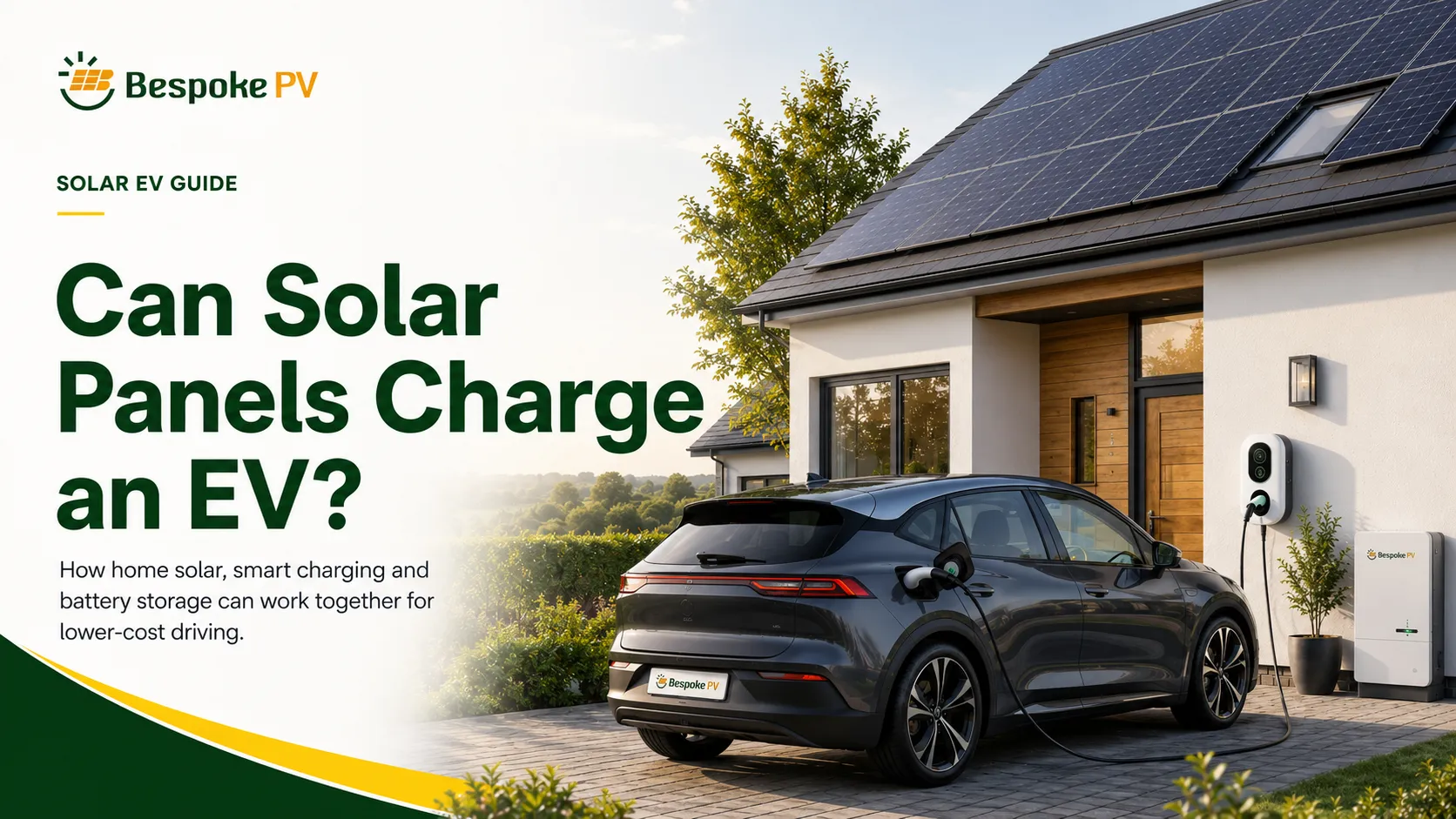
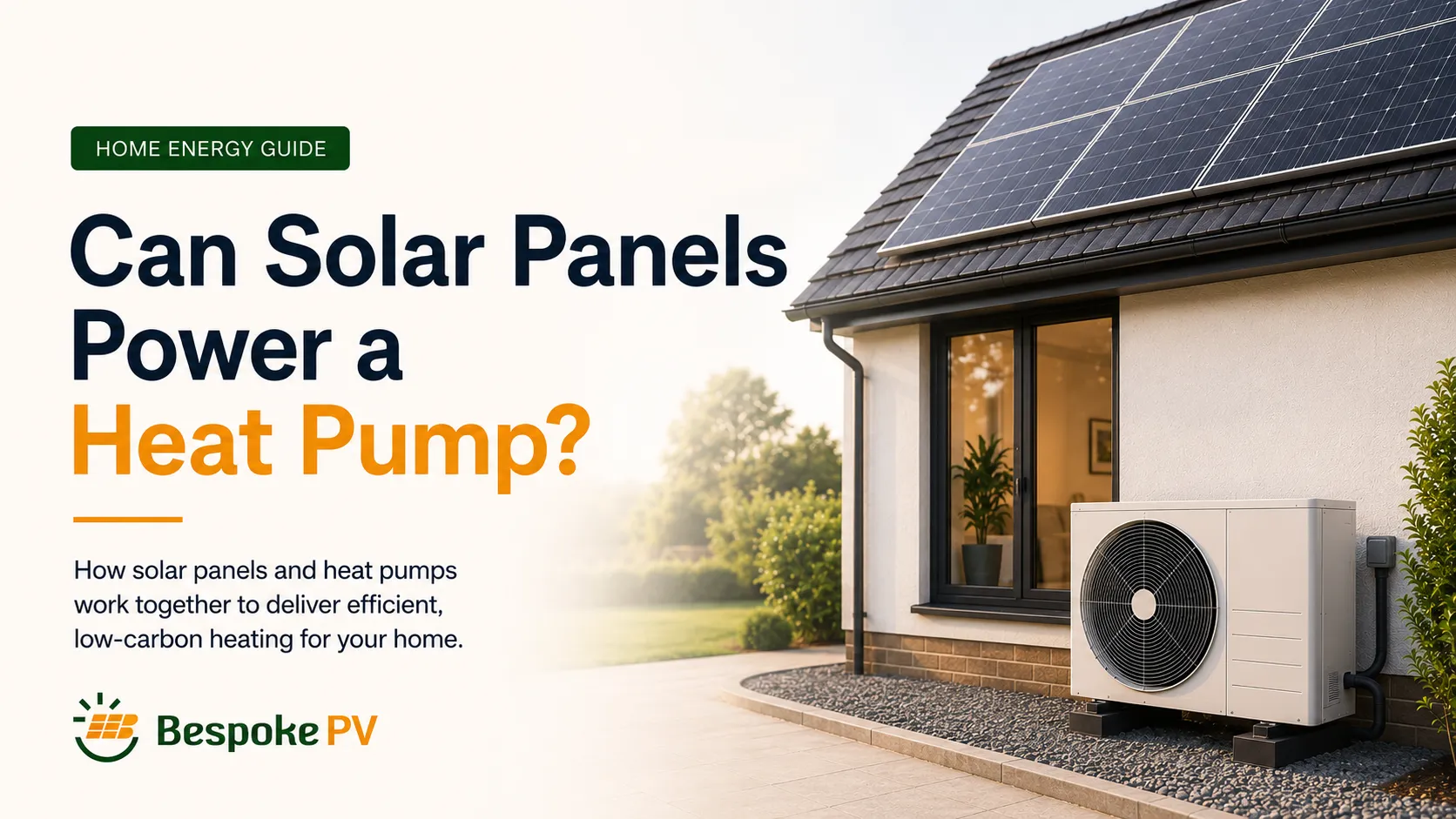
Read our guides: Can Solar Panels Charge an EV? and Can Solar Panels Power a Heat Pump?
Modern solar systems increasingly form part of wider home energy infrastructure.
The strongest solar systems are designed around future household energy requirements.
The best solar systems are designed for long-term performance rather than simply fast installation.
A professionally designed system should consider roof orientation, shading analysis, battery integration, future electrification, monitoring capability, electrical infrastructure and long-term operational flexibility.
As homes become increasingly electrified, solar PV systems are evolving into intelligent energy ecosystems rather than simple electricity generators.
Professionally coordinated design and commissioning are therefore becoming increasingly important for long-term reliability and resilience.
Good installation standards help maximise long-term system performance.
Bespoke PV designs solar PV and battery systems focused on long-term reliability, monitoring and future energy flexibility.
Explore more Bespoke PV guides covering battery storage, electrification and long-term solar planning.
Many residential systems are physically installed within one to three days, although total project timelines vary.
Yes. Battery systems usually add additional electrical installation and commissioning work.
In most cases, yes. Scaffolding helps provide safe roof access during installation.
Usually only briefly during electrical connection work.
Yes. Commercial projects are often larger and involve more complex engineering and electrical requirements.
Explore related Bespoke PV articles and renewable energy insights.
Explore renewable energy systems designed and installed by Bespoke PV.

Bespoke PV designs solar PV, battery storage and EV charging systems across Hampshire, Dorset and the South Coast.
Bespoke solar PV, battery storage and EV charging systems for Southampton homes and businesses, designed around roof space, usage and future energy plans.
Solar panels in Southampton →Bespoke solar PV, battery storage and EV charging systems for homes and businesses across Winchester and Hampshire.
Solar panels in Winchester →Solar PV, battery storage and EV charging systems for homes and businesses across Portsmouth and the South Coast.
Solar panels in Portsmouth →Solar PV, battery storage and EV charging systems for homes and businesses across Bournemouth and the South Coast.
Solar panels in Bournemouth →Bespoke PV designs solar PV, battery storage and EV charging systems across Hampshire, Dorset, Wiltshire and the South Coast.
Contact Bespoke PV for tailored solar panel installation guidance and project planning.