Battery Storage
Off-grid systems usually require significant battery storage capacity.

Solar panels can operate without the grid, but this depends on the type of system and battery storage configuration used.
The majority of residential solar PV systems in the UK are connected to the electricity grid.
These systems can import electricity when solar generation is low and may export surplus electricity when generation exceeds demand.
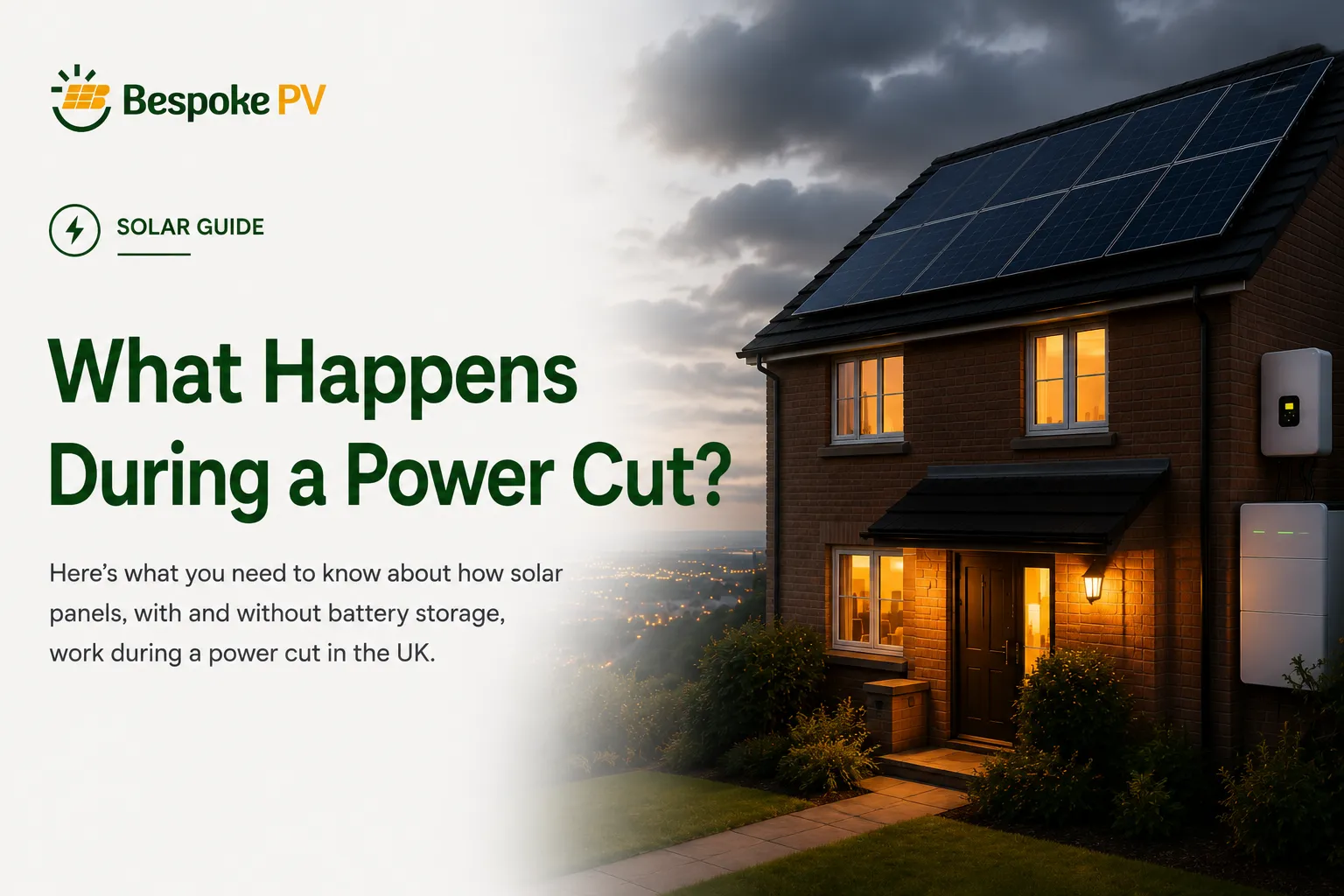
Standard grid-connected systems will usually shut down during a power cut unless specific backup functionality has been designed into the system.
Off-grid systems usually require significant battery storage capacity.
Electricity usage must be managed carefully during low-generation periods.
Some systems may also include backup generators or additional redundancy.
Fully off-grid systems are less common in the UK because most properties already have grid access.
However, some remote properties, outbuildings or specialist installations may benefit from off-grid solar and battery setups.
Many homeowners instead choose hybrid systems that combine grid connection with battery backup capability.
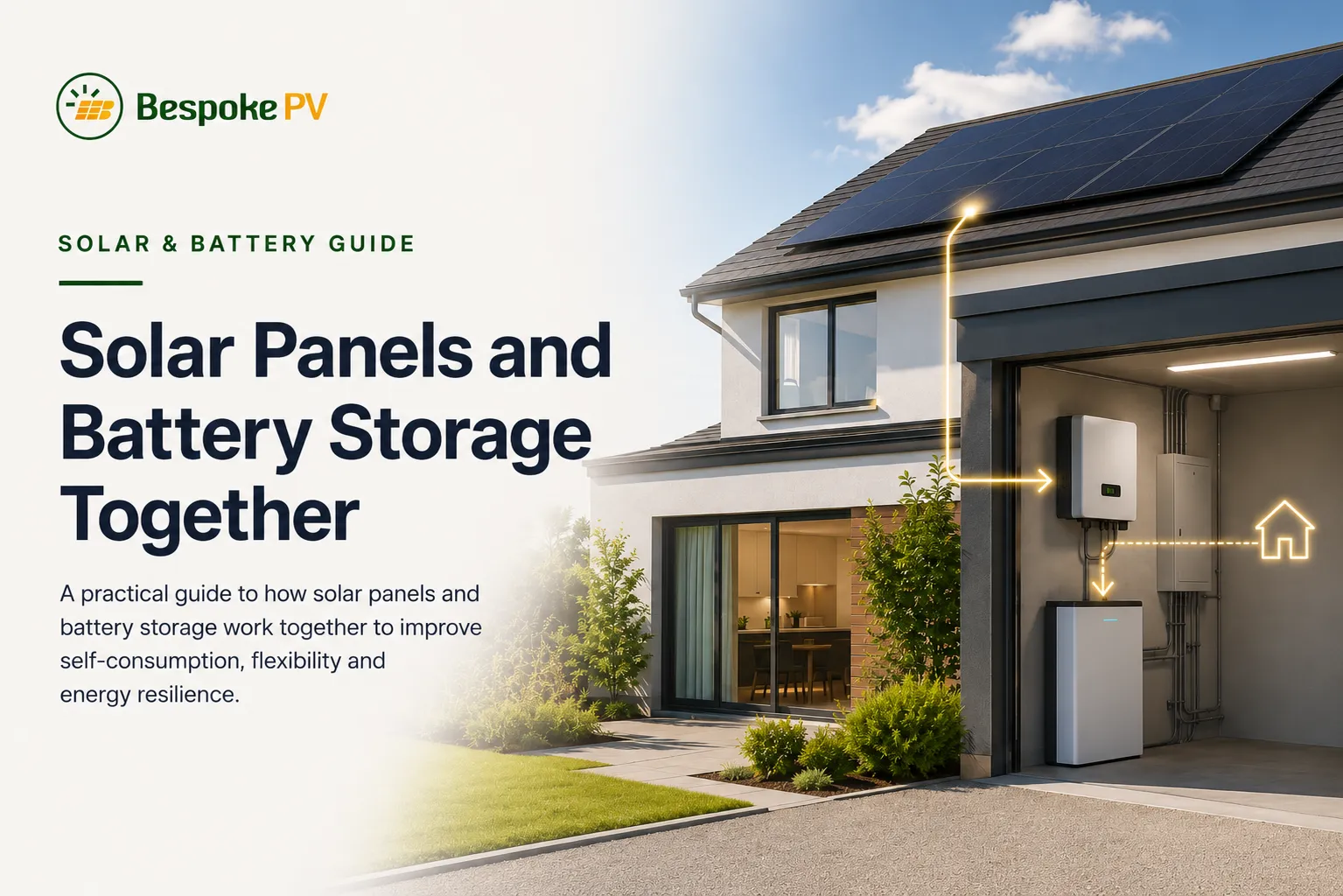
Hybrid systems combine solar generation, battery storage and grid connectivity.
These systems may provide improved flexibility, energy independence and backup functionality depending on the system design.
A professional installer can advise which approach best suits the property, energy usage and long-term goals.
Many homeowners confuse fully off-grid systems with hybrid backup-capable systems, but they are quite different.
Winter electricity demand is often significantly higher while solar generation is lower due to shorter daylight hours and reduced solar intensity.
This seasonal imbalance is one reason why fully off-grid systems can be difficult for typical UK homes without very large battery systems or supplementary backup generation.
Properties with heat pumps, EV charging or high winter electricity demand may require especially careful planning.
Battery sizing becomes far more important when grid support is limited.
Off-grid and backup-capable systems rely heavily on correctly sized battery storage.
Undersized systems may struggle during poor weather or high-demand periods.
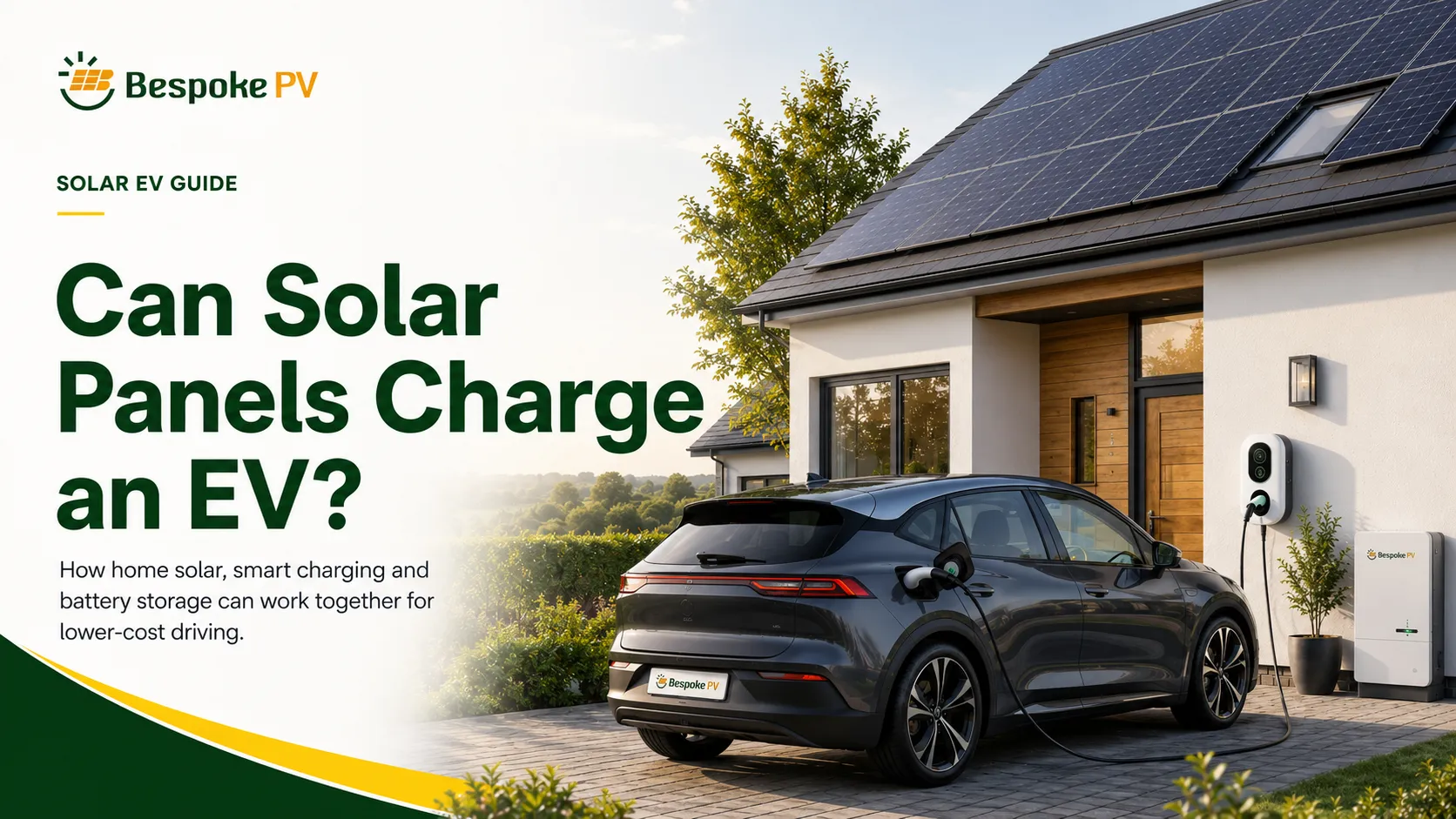
Potentially yes, although EV charging can significantly increase electricity demand.
For many properties, EV charging is one reason hybrid solar and battery systems are often more practical than fully off-grid systems.
Read our guide: Can Solar Panels Charge an EV?
Hybrid systems are usually more practical than fully off-grid systems.
For most UK homeowners, hybrid systems provide a more practical balance between energy independence, flexibility and reliability.
Many homeowners are not necessarily aiming to disconnect from the grid entirely.
Instead, they are often looking to reduce reliance on imported electricity while improving resilience and long-term flexibility.
Battery storage, smart energy management and solar PV can all contribute toward greater energy independence even while remaining grid-connected.
For many UK properties, this hybrid approach is more practical and cost-effective than attempting complete self-sufficiency.
Energy resilience is becoming a major driver for solar and battery adoption.
Global energy instability, rising electricity prices and increasing electrification have changed how many homeowners think about household energy systems.
Some customers are now prioritising operational resilience alongside financial return.
Even well-designed solar and battery systems have practical limitations.
Generation levels vary seasonally, battery storage capacity is finite and household electricity demand can fluctuate significantly.
This is why realistic modelling, professional design and accurate usage analysis are important before attempting an off-grid or heavily self-sufficient system.
A good installer should help customers understand both the capabilities and limitations of the proposed system.
During sunny periods, solar panels may generate enough electricity to support much or even most of a property's daytime electricity demand.
However, electricity generation changes throughout the day and across the seasons.
Without battery storage or grid support, solar panels alone cannot usually provide continuous electricity at all times.
This is one reason why battery storage and hybrid systems are increasingly popular for homeowners seeking greater energy independence.
Extended poor weather may reduce solar generation for prolonged periods.
Large electricity loads may temporarily exceed battery capability.
Some systems include generators for additional resilience during exceptional conditions.
Off-grid and hybrid systems should always be professionally designed.
Bespoke PV designs solar PV and battery systems around real-world usage, long-term resilience and future electrification.
Every property has different priorities, electricity demand patterns and operational goals.
Fully off-grid systems may require homeowners to think more actively about electricity usage, particularly during winter or extended poor weather.
High-demand appliances, EV charging, heating systems and occupancy patterns can all affect how the system performs.
Some off-grid homeowners choose to monitor usage more closely or adjust demand during lower-generation periods.
The way electricity is used often changes depending on the type of energy system installed.
Explore more Bespoke PV guides covering battery storage, backup power and long-term energy flexibility.
Speak with Bespoke PV about solar PV, battery storage, backup capability and long-term energy resilience planning.
Standard grid-connected systems usually shut down during a power cut unless backup capability has been designed into the system.
In most cases yes, because electricity generation and usage need to be balanced without grid support.
Some properties may suit off-grid systems, although hybrid grid-connected systems are more common in the UK.
Explore related Bespoke PV articles and renewable energy insights.
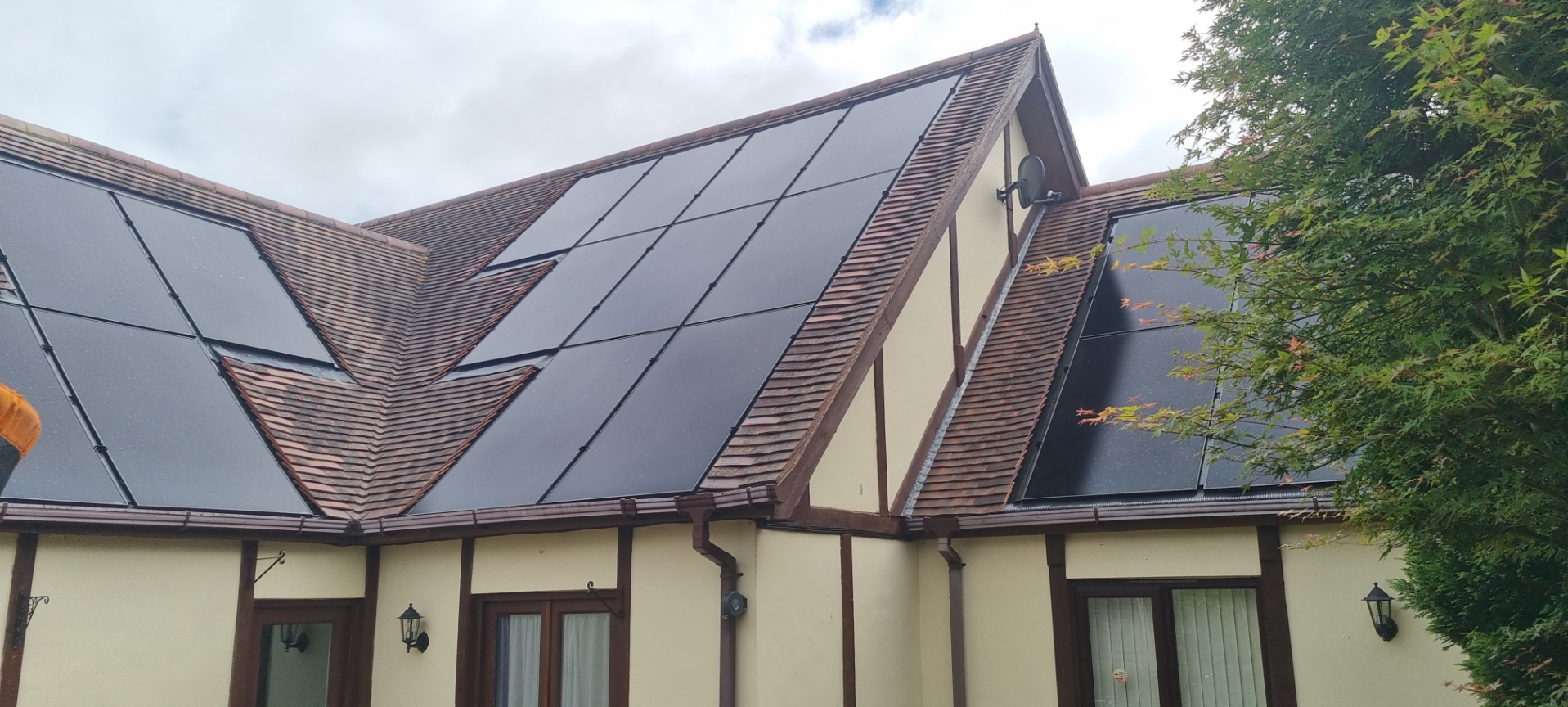
Explore renewable energy systems designed and installed by Bespoke PV.

Bespoke PV designs solar PV, battery storage and EV charging systems across Hampshire, Dorset and the South Coast.
Bespoke solar PV, battery storage and EV charging systems for Southampton homes and businesses, designed around roof space, usage and future energy plans.
Solar panels in Southampton →Bespoke solar PV, battery storage and EV charging systems for homes and businesses across Winchester and Hampshire.
Solar panels in Winchester →Solar PV, battery storage and EV charging systems for homes and businesses across Portsmouth and the South Coast.
Solar panels in Portsmouth →Solar PV, battery storage and EV charging systems for homes and businesses across Bournemouth and the South Coast.
Solar panels in Bournemouth →Bespoke PV designs solar PV, battery storage and EV charging systems across Hampshire, Dorset, Wiltshire and the South Coast.
Contact Bespoke PV for advice on solar PV, battery storage and energy resilience.