Flexible Panel Orientation
Panels can often be angled more optimally than on some pitched roofs.

Yes. Solar panels can often be installed very successfully on flat roofs using specialist mounting systems designed for commercial and residential buildings.
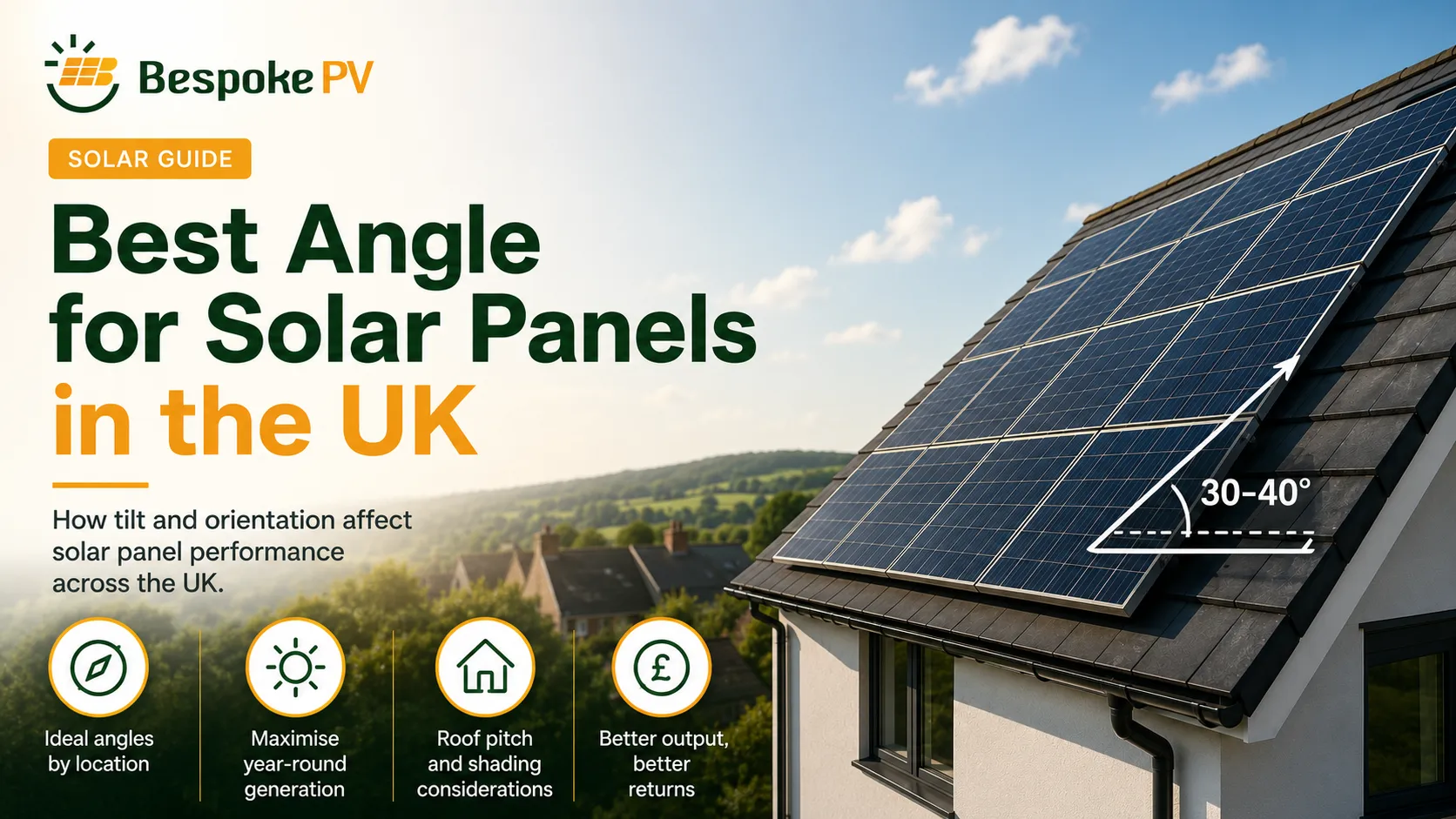
Flat roof solar systems typically use angled mounting frames to position panels at suitable orientations for solar generation.
Unlike pitched roof systems, flat roof installations do not usually follow the roof angle itself. Instead, the mounting system creates the desired panel angle independently.
This flexibility can sometimes provide advantages for panel positioning, maintenance access and overall system layout.
Modern flat roof solar systems are now widely used across residential, commercial and industrial properties throughout the UK.
Panels can often be angled more optimally than on some pitched roofs.
Flat roofs may provide large uninterrupted areas suitable for solar arrays.
Warehouses, offices and industrial buildings frequently use flat roof solar systems.
Several mounting approaches may be used depending on the roof structure and project requirements.
Common flat roof mounting systems include ballasted systems, mechanically fixed systems, aerodynamic low-profile systems and east-west mounting configurations.
The correct approach depends on the roof structure, loading capacity, wind exposure, drainage layout and long-term maintenance requirements.
Professional system design is extremely important because flat roof engineering considerations are often more complex than many homeowners initially realise.
Mounting choice depends heavily on roof structure and engineering requirements.
Different mounting systems may suit different building types and project requirements.
Many flat roof systems use ballast rather than direct roof penetrations.
Ballasted systems use weighted mounting structures to hold the solar array securely in place without mechanically fixing directly into the roof surface.
This can reduce roof penetrations, although the roof structure must still be capable of safely supporting the additional weight.
Structural assessment is therefore extremely important during system design.
Weight distribution, roof membrane protection and long-term roof integrity all require careful consideration.
Wind uplift is one of the most important engineering considerations for flat roof solar systems.
Because flat roof panels are elevated above the roof surface, wind forces can be significant, particularly on tall buildings, exposed coastal locations, large commercial roofs and open countryside sites.
Proper structural and wind loading calculations are essential to ensure long-term safety and compliance.
This is one reason professionally engineered flat roof systems are so important.
Flat roof solar systems can perform extremely well when properly designed, but they require careful structural and engineering consideration.
The best systems balance solar performance, wind loading, roof protection, maintenance access and long-term reliability.
Not necessarily.
In some situations, flat roof systems can actually achieve excellent performance because panel orientation can be optimised more freely.
East-west configurations are also common on flat roofs, helping spread generation more evenly throughout the day.
However, panel spacing and shading between rows must be carefully designed to avoid generation losses.
East-west mounting layouts are particularly popular on flat roofs because they can increase panel density while spreading generation more evenly across the day.
Rather than focusing entirely on maximum midday output, east-west systems may better align with real-world electricity demand patterns.
This can be especially beneficial for commercial buildings, offices and properties with daytime electricity usage.
As battery storage and EV charging become more common, generation timing is becoming increasingly important alongside total annual output.
Battery systems can improve how generated electricity is used.
Battery storage is increasingly integrated with flat roof solar systems for both residential and commercial projects.
Many commercial buildings consume the most electricity during daytime operating hours when solar generation is also strongest.
This can improve self-consumption significantly compared with some residential properties where demand peaks later in the evening.
Warehouses, offices, retail buildings and industrial sites may therefore benefit particularly well from large flat roof solar systems.
Commercial battery storage and EV charging infrastructure are also becoming increasingly common alongside flat roof solar installations.
Large flat roofs can provide substantial usable space for solar arrays.
Commercial properties are often particularly well suited to flat roof solar installations.
Flat roof system layouts should allow safe long-term access.
Solar system design should consider walkways, roof drainage access, future maintenance, cleaning access, electrical servicing and fire safety requirements.
Good maintenance access becomes increasingly important on larger commercial roofs.
A poorly planned layout may create future operational difficulties or complicate roof maintenance work.
Flat roof solar systems should always be designed with long-term roof integrity in mind.
Drainage routes, waterproofing systems and maintenance access all require careful consideration.
Poorly designed layouts may create future maintenance difficulties or interfere with roof servicing.
Professionally designed systems should balance solar performance with safe long-term roof management.
Planning requirements vary depending on the property and project type.
Many flat roof solar systems fall under permitted development, although some projects may still require planning approval.
Modern solar PV systems are increasingly viewed as part of wider long-term energy infrastructure planning.
Battery storage, EV charging, electrified heating and operational resilience are all influencing how flat roof systems are designed.
Many commercial buildings now view solar PV as part of a broader long-term electricity strategy rather than simply an isolated energy-saving measure.
Future scalability and flexibility are therefore becoming increasingly important.
Both roof types can support effective solar PV systems.
Successful flat roof solar systems require careful coordination between structural engineering, electrical design, wind loading analysis and long-term operational planning.
The most effective systems balance generation performance, roof protection, maintenance access, battery integration and future flexibility.
This is why professional design and engineering assessment are so important for both residential and commercial flat roof projects.
Bespoke PV designs flat roof solar PV systems focused on long-term performance, safety and future flexibility.
Flat roof solar systems require careful engineering and layout planning.
Explore more Bespoke PV guides covering commercial solar, battery storage and solar system design.
Yes. Specialist mounting systems are commonly used for flat roof solar installations.
Yes, when professionally designed with appropriate structural and wind loading calculations.
Many systems fall under permitted development, although some projects may require planning approval.
Yes. Many commercial buildings are particularly well suited to flat roof solar installations.
Yes. Flat roof solar systems can be integrated with battery storage and future EV charging systems.
Explore related Bespoke PV articles and renewable energy insights.
Explore renewable energy systems designed and installed by Bespoke PV.
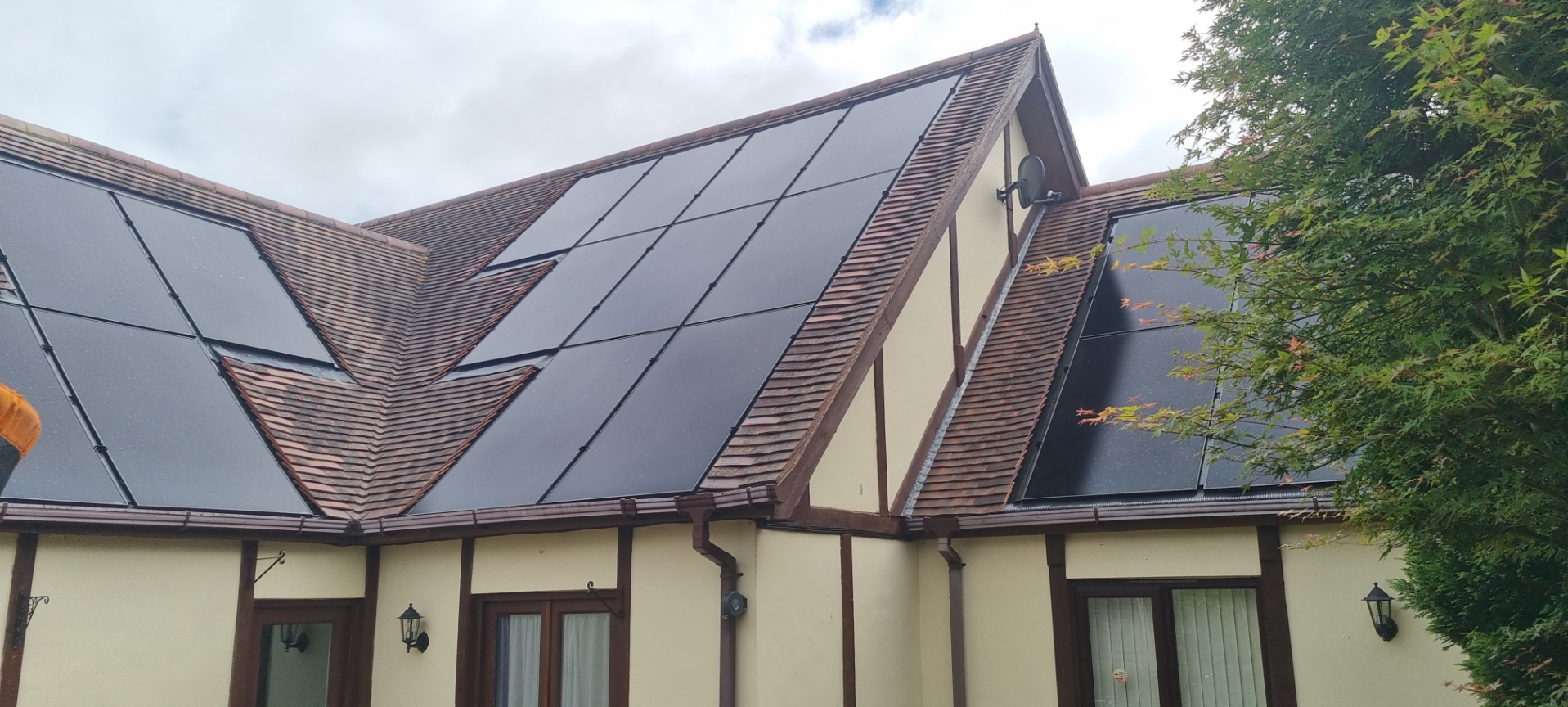

Bespoke PV designs solar PV, battery storage and EV charging systems across Hampshire, Dorset and the South Coast.
Bespoke solar PV, battery storage and EV charging systems for Southampton homes and businesses, designed around roof space, usage and future energy plans.
Solar panels in Southampton →Bespoke solar PV, battery storage and EV charging systems for homes and businesses across Winchester and Hampshire.
Solar panels in Winchester →Solar PV, battery storage and EV charging systems for homes and businesses across Portsmouth and the South Coast.
Solar panels in Portsmouth →Solar PV, battery storage and EV charging systems for homes and businesses across Bournemouth and the South Coast.
Solar panels in Bournemouth →Bespoke PV designs solar PV, battery storage and EV charging systems across Hampshire, Dorset, Wiltshire and the South Coast.
Speak with Bespoke PV about flat roof solar PV design, mounting systems and long-term performance.