Rising Energy Costs
Higher electricity prices have increased interest in smaller renewable energy solutions.

Plug-in solar systems are receiving increasing attention in the UK, particularly following their popularity in parts of Europe. But how practical are they, and how do they compare with professionally installed solar PV systems?
Plug-in solar systems are small-scale solar panel kits designed to connect into a domestic electrical socket.
They are sometimes referred to as balcony solar, plug-and-play solar, micro solar systems or portable solar PV systems.
These systems are usually far smaller than traditional rooftop solar installations and are typically intended to offset small daytime electricity loads.
Plug-in solar systems have become increasingly visible online due to rising electricity prices and growing public interest in accessible renewable energy technologies.
Higher electricity prices have increased interest in smaller renewable energy solutions.
Balcony solar systems may appeal to people without access to a suitable roof.
Plug-in systems are usually far cheaper than full rooftop solar installations.
Plug-in balcony solar systems have become increasingly common in parts of Europe, particularly Germany.
In some countries, regulatory frameworks have evolved to support small plug-and-play solar systems for apartments and urban housing.
These systems are often marketed as accessible entry-level renewable energy solutions for people without traditional roof access.
However, UK electrical standards, grid connection rules and certification pathways differ significantly from some European markets.
This means the UK market should not automatically be viewed as operating under the same assumptions or regulatory environment.
These systems are usually much smaller than traditional rooftop installations.
Plug-in systems are generally designed for small-scale daytime electricity offset.
Plug-in solar remains an evolving area within the UK market and should not currently be viewed in the same way as standard professionally installed solar PV systems.
While plug-in balcony solar systems have become increasingly common in parts of Europe, the UK regulatory position has historically been more restrictive.
UK electrical regulations, grid connection standards and certification requirements differ significantly from some European countries where plug-and-play systems are already widely adopted.
Recent regulatory discussions suggest the UK market may gradually move towards broader acceptance of smaller plug-in solar systems. However, standards, certification pathways and installation requirements are still developing.
Anyone considering plug-in solar should therefore assess electrical safety requirements, product certification standards, DNO notification obligations, insurance implications and manufacturer compliance claims carefully before proceeding.
The differences between these systems are significant.
Plug-in solar systems may become more common in the UK over time, particularly for apartments and small-scale generation.
However, the UK market is still developing its regulatory and certification framework compared with more established European balcony solar markets.
Professionally designed rooftop systems remain significantly more capable in terms of generation capacity, battery integration, monitoring capability, electrical safety, scalability and long-term resilience.
Plug-in systems are intentionally small and have several practical limitations.
Common limitations include very limited generation capacity, minimal whole-home offset, reduced monitoring capability, limited battery integration, potential compliance concerns and restricted long-term expandability.
In many cases, these systems may only support small background daytime electricity usage.
They are fundamentally different from professionally engineered rooftop solar systems designed around wider household energy requirements.
These systems are generally designed for lightweight supplementary generation.
Small-scale systems have important practical limitations.
Electrical safety is one of the most important considerations surrounding plug-in solar systems.
UK electrical systems, consumer units and grid connection standards are designed around established installation approaches.
Because plug-in solar systems operate differently from conventional rooftop installations, questions around certification, export behaviour, protection devices and compliance remain important.
Anyone considering these systems should ensure products meet relevant UK standards and should avoid relying purely on online marketing claims.
Professionally installed rooftop systems remain the most established and fully supported route for most UK homeowners.
Some systems may offer limited battery compatibility, although they are very different from full hybrid battery storage systems.
Professionally integrated battery systems are designed to manage solar generation, battery charging, grid imports, export behaviour, tariff optimisation and whole-home energy flows.
Modern battery systems increasingly rely on intelligent monitoring, software optimisation and wider energy management capabilities.
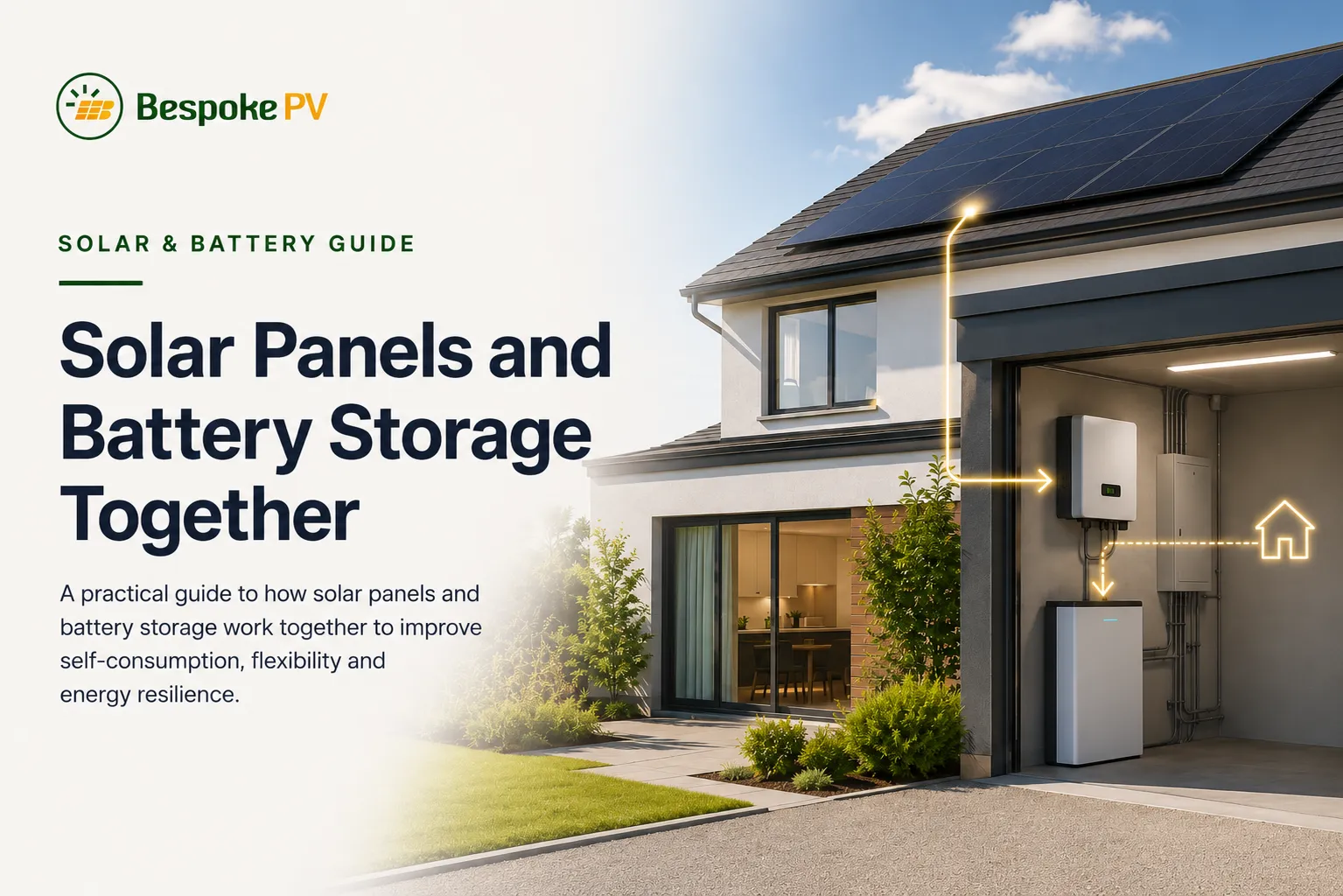
Read our guide: Solar Panels and Battery Storage Together
Modern energy systems are becoming increasingly sophisticated.
Potentially.
As electricity prices rise and urban housing density increases, smaller-scale solar systems may attract greater interest.
Wider adoption will likely depend on future UK regulation, electrical standards development, grid connection rules, insurance acceptance and product certification pathways.
If standards become more clearly established, plug-in solar could potentially provide supplementary renewable generation options for some apartment dwellers and smaller properties.
However, professionally installed rooftop solar PV remains the most capable long-term solution for most homeowners.
The UK regulatory environment is still evolving.
Several factors may shape how the UK market evolves.
Modern energy systems increasingly involve far more than simple electricity generation.
Professionally designed systems may include battery storage, EV charging integration, heat pump support, monitoring platforms, smart tariff optimisation and backup power capability.
These systems are fundamentally different from small plug-in solar kits.
As homes become increasingly electrified, intelligent system design and long-term scalability are becoming more important than ever.
Electric vehicles and heat pumps are significantly increasing household electricity demand.
Many homeowners are now designing solar systems around wider electrification strategies rather than simple daytime electricity reduction.
Battery storage, monitoring platforms and smart tariffs are increasingly becoming central to how modern homes manage energy.
Plug-in solar systems generally operate at a much smaller scale and are not typically designed to support wider whole-home electrification strategies.
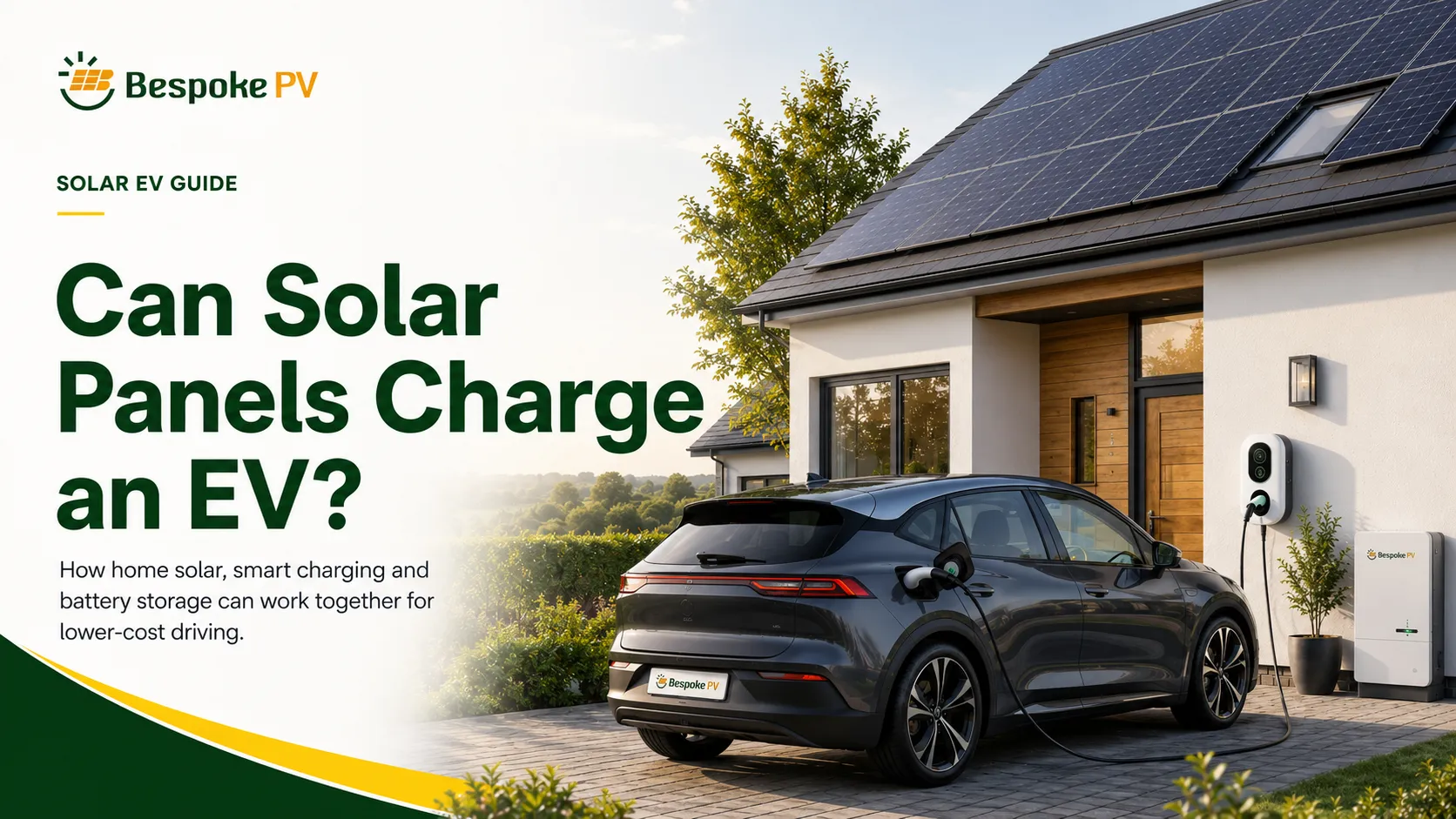
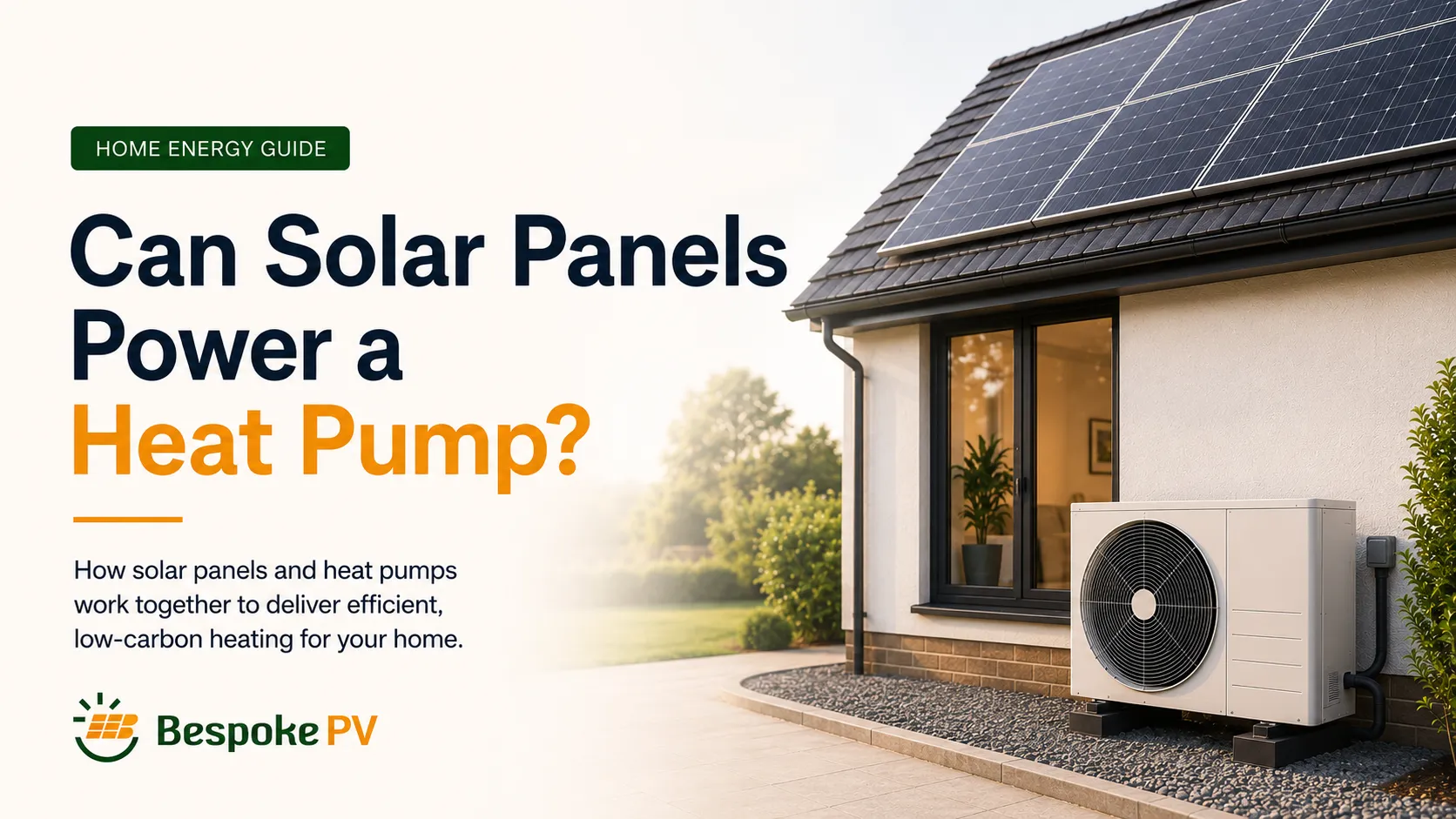
Read our guides: Can Solar Panels Charge an EV? and Can Solar Panels Power a Heat Pump?
Modern renewable energy systems increasingly focus on future flexibility.
Increasingly, homeowners are viewing solar and battery systems as long-term household infrastructure rather than isolated consumer products.
Future electricity pricing, EV charging, heat pumps, smart tariffs and operational resilience are all influencing how modern systems are designed.
Professionally integrated solar PV systems are increasingly focused on long-term performance, intelligent monitoring and future flexibility rather than simple electricity generation alone.
This is why professional design and long-term planning remain so important.
Professionally designed systems support future household energy requirements.
Bespoke PV designs solar and battery systems around long-term flexibility, electrification and intelligent energy management.
Explore more Bespoke PV guides covering battery storage, electrification and long-term renewable energy planning.
Small-scale solar systems designed to connect into a domestic electrical socket.
The UK regulatory position is still evolving. Plug-in solar systems should be assessed carefully against current electrical regulations, certification standards and grid connection requirements.
No. Plug-in systems are typically much smaller than traditional rooftop solar installations.
Some systems may offer limited battery compatibility, although they differ significantly from full hybrid battery systems.
Yes. Professionally designed rooftop systems provide far greater generation capacity, flexibility and long-term value.
Explore related Bespoke PV articles and renewable energy insights.
Explore renewable energy systems designed and installed by Bespoke PV.
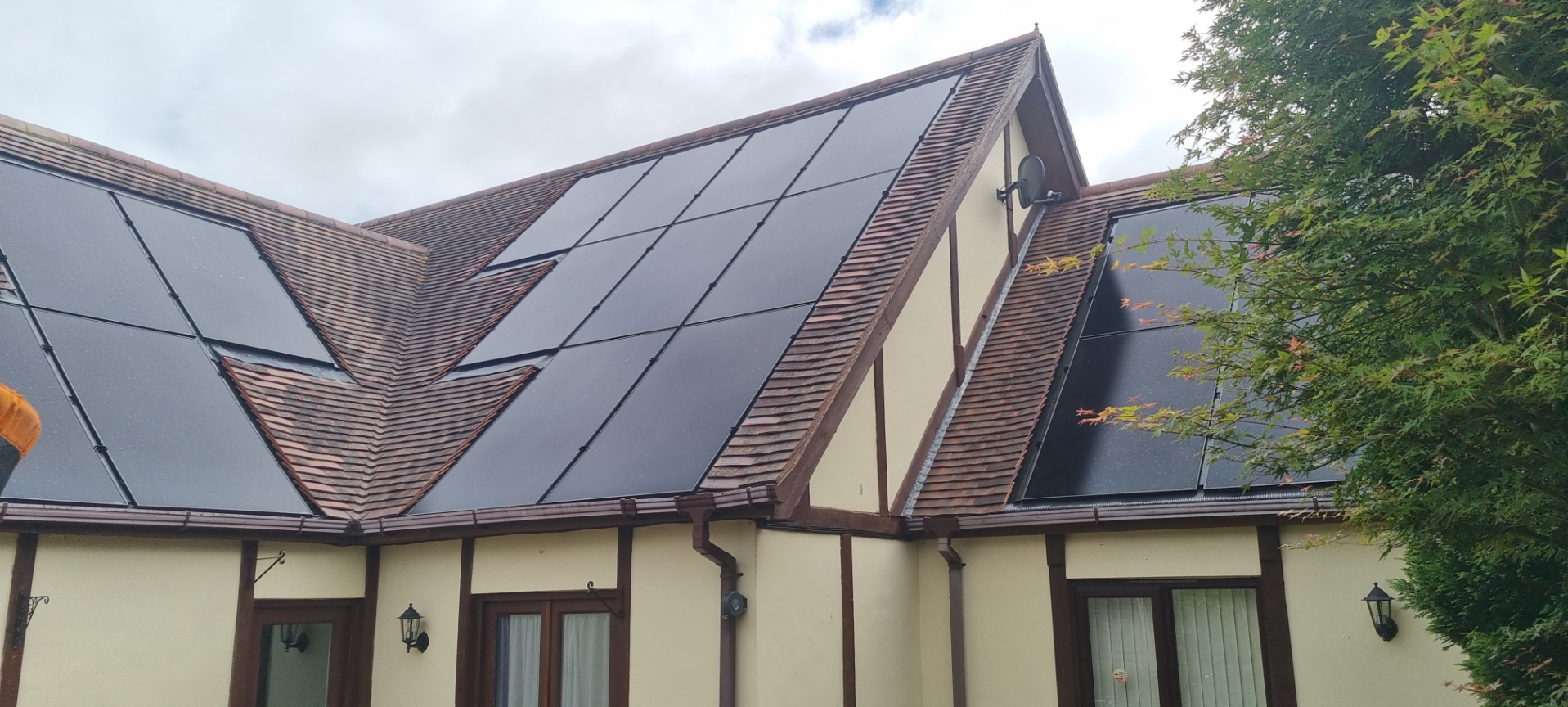

Bespoke PV designs solar PV, battery storage and EV charging systems across Hampshire, Dorset and the South Coast.
Bespoke solar PV, battery storage and EV charging systems for Southampton homes and businesses, designed around roof space, usage and future energy plans.
Solar panels in Southampton →Bespoke solar PV, battery storage and EV charging systems for homes and businesses across Winchester and Hampshire.
Solar panels in Winchester →Solar PV, battery storage and EV charging systems for homes and businesses across Portsmouth and the South Coast.
Solar panels in Portsmouth →Solar PV, battery storage and EV charging systems for homes and businesses across Bournemouth and the South Coast.
Solar panels in Bournemouth →Bespoke PV designs solar PV, battery storage and EV charging systems across Hampshire, Dorset, Wiltshire and the South Coast.
Speak with Bespoke PV for practical guidance on solar PV, battery storage and renewable energy systems.