





Commercial Solar for Hampshire Businesses
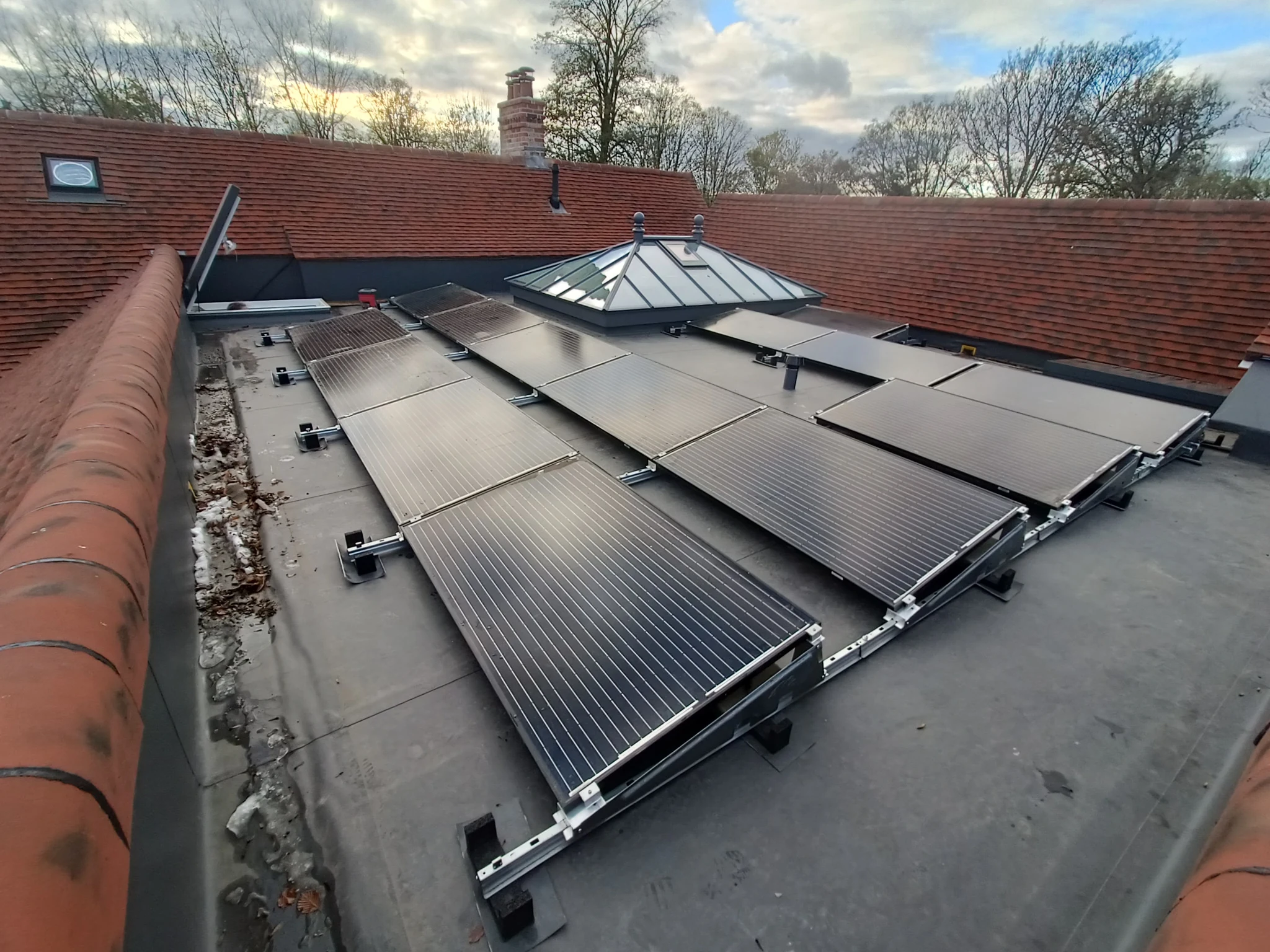
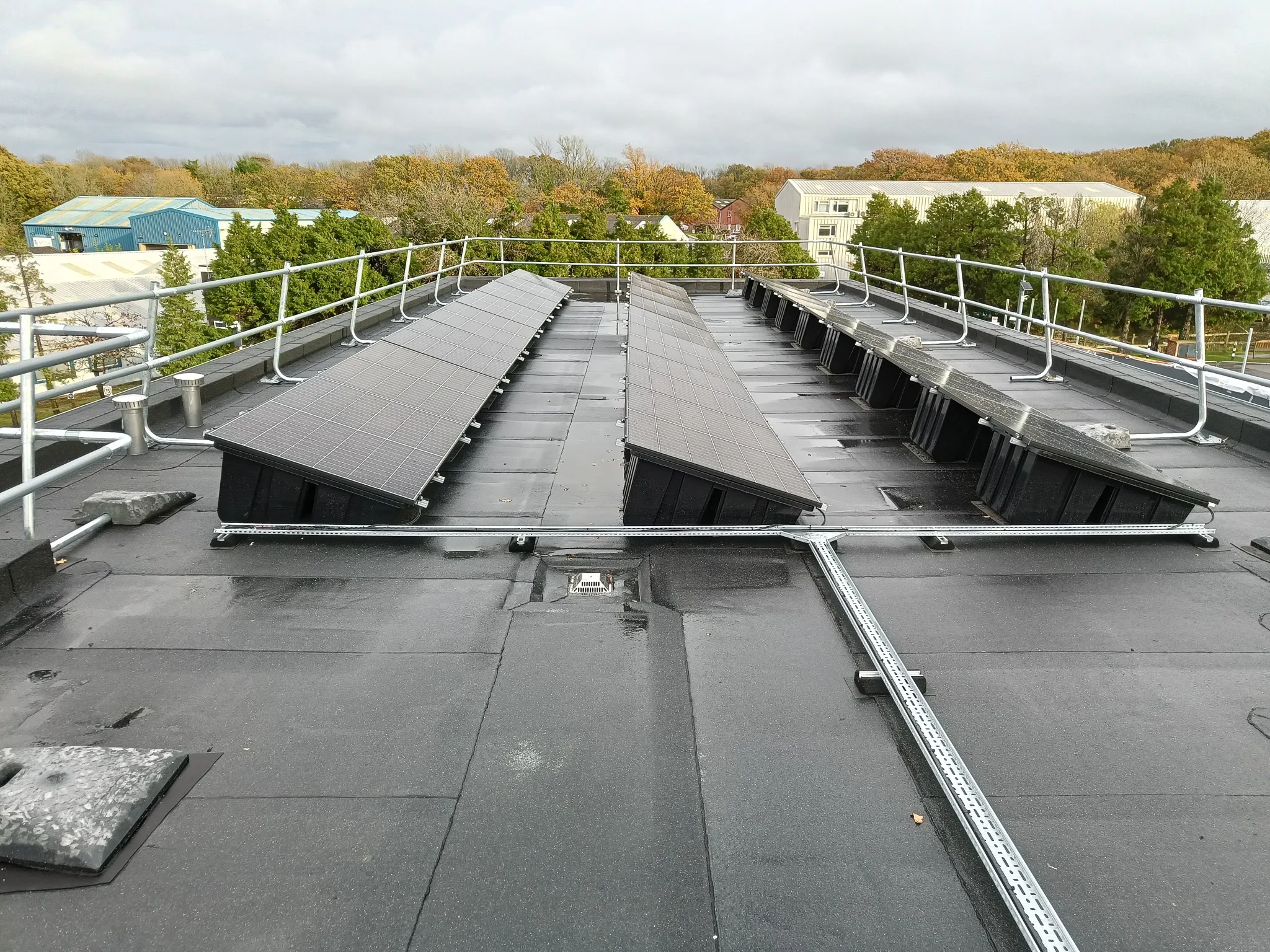
Businesses across Hampshire are increasingly investing in commercial solar as part of wider energy management and operational resilience strategies.
From industrial facilities in Southampton and Portsmouth to warehouses, logistics operators, agricultural enterprises and commercial premises throughout Winchester, Fareham, Eastleigh, Andover, Basingstoke and surrounding areas, organisations are looking for ways to reduce electricity costs and improve long-term energy control.
For many businesses, commercial solar provides an opportunity to generate renewable electricity on-site rather than relying entirely on imported grid power. This can help improve energy visibility, support long-term planning and reduce exposure to future electricity price increases.
Commercial solar also integrates naturally with wider energy initiatives such as battery storage, EV charging infrastructure, building electrification and long-term sustainability planning.
As electricity demand continues to grow across many sectors, solar PV is increasingly viewed as part of a broader business energy strategy rather than a standalone technology.
Commercial solar may support:
- Reducing imported electricity
- Lowering long-term energy costs
- Supporting operational resilience
- Improving energy visibility and control
- Preparing for future electrification
- Supporting industrial and operational growth
Supporting long-term energy objectives across Hampshire
As electricity costs continue to rise and operational dependence on electricity increases, many Hampshire businesses are reviewing how energy is generated, managed and consumed across their sites.
Commercial solar can support long-term operational efficiency, renewable energy generation and wider business resilience objectives.
Bespoke PV designs commercial solar systems around the way Hampshire businesses actually use electricity, helping ensure renewable generation aligns with wider operational priorities and future growth plans.
Why Businesses Are Investing in Commercial Solar
Businesses invest in commercial solar for a variety of operational, financial and sustainability reasons.
For some organisations, reducing long-term electricity costs is the primary objective. For others, solar PV forms part of a wider strategy focused on energy resilience, carbon reduction, electrification or operational flexibility.
As energy markets continue to evolve, many businesses are increasingly looking for greater control over how electricity is generated and consumed across their sites.
Potential benefits may include:
- Reducing imported electricity
- Lowering operational energy costs
- Improving energy resilience
- Supporting sustainability goals
- Reducing carbon emissions
- Supporting future electrification
- Increasing energy control
Commercial solar as a strategic business investment
Commercial solar should be viewed as a long-term business infrastructure investment rather than simply a roof-mounted technology.
A properly designed solar PV system can contribute towards operational efficiency, sustainability objectives and wider energy management strategies for many years.
The strongest outcomes are usually achieved when solar generation is considered alongside battery storage, EV charging infrastructure, operational demand patterns and future business growth plans.
Roof Space, Site Suitability and Solar Potential
One of the first considerations for any commercial solar project is understanding the site's solar potential.
While available roof space is an important factor, effective commercial solar design requires a broader assessment of how the building, site and business operate.
Factors such as roof orientation, pitch, shading, structural suitability, electricity demand and future energy requirements can all influence the performance and long-term value of a commercial solar installation.
Many commercial properties provide substantial opportunities for solar generation, particularly where large roof areas align with significant daytime electricity consumption.
A commercial solar assessment will typically consider:
- Available roof area
- Roof orientation and pitch
- Shading and solar exposure
- Structural suitability
- Electricity demand patterns
- Future energy requirements
Assessing long-term suitability for commercial solar
A successful commercial solar project is not determined by roof area alone.
The most effective systems are designed around both the physical characteristics of the site and the way electricity is used across the business.
Warehouses, industrial facilities, agricultural buildings, office premises, hospitality venues and multi-building commercial estates can all offer valuable opportunities for solar generation when assessed within the context of wider operational requirements.
Bespoke PV evaluates site suitability, generation potential, electricity demand, future expansion plans and renewable energy opportunities to help businesses understand how solar PV can contribute to their long-term energy strategy.
Beyond Roof Space: Whole-Site Energy Planning
One of the most common misconceptions about commercial solar is that success is determined purely by the number of panels installed.
In reality, the most effective commercial solar projects are designed around how electricity is used across the site.
A solar system should be considered within the context of wider business operations, electricity demand patterns, future electrification plans and long-term energy objectives.
Factors such as battery storage opportunities, EV charging demand, operating hours, seasonal electricity usage and future site expansion can all influence system design.
A whole-site approach may help businesses optimise:
- Making better use of generated electricity
- Reducing reliance on imported electricity
- Supporting battery storage and EV charging integration
- Aligning generation with operational demand
- Preparing for future site expansion
- Improving long-term energy flexibility
Creating a joined-up energy strategy
The most successful commercial solar projects are often those that align renewable generation with how the organisation actually operates.
By considering generation, storage, charging demand and future electricity requirements together, businesses can create a more resilient and flexible energy system.
Bespoke PV approaches commercial solar as part of wider business energy planning rather than simply a panel installation project.
Solar Self-Consumption and Making Better Use of Generated Electricity
Generating electricity is only part of the value of a commercial solar PV system. The greatest benefits are often achieved when businesses are able to use more of the electricity they generate on-site.
Commercial solar systems work most effectively when generation and consumption are aligned. Businesses that consume a significant proportion of their solar generation directly may reduce imported electricity and improve overall system value.
Many commercial buildings generate the majority of their solar electricity during normal business operating hours.
This natural alignment between generation and consumption is one of the reasons solar can perform particularly well in commercial environments.
Without careful planning, surplus electricity may be exported even though the business imports electricity later in the day.
Commercial solar design should therefore consider how and when electricity is used across the site.
Improving solar self-consumption may help businesses:
- Reduce imported electricity
- Make better use of on-site generation
- Lower long-term energy costs
- Improve solar system value
- Support battery storage integration
- Increase energy independence
Aligning solar generation with operational demand
Every business uses electricity differently.
Operating hours, equipment usage, seasonal demand patterns and future electrification plans all influence how effectively solar generation can be used.
Understanding site demand profiles helps ensure solar generation is aligned with operational requirements rather than simply maximising generation capacity.
Bespoke PV designs commercial solar systems around real business demand, helping organisations make better use of the renewable electricity they generate.
Commercial Solar for Industrial, Manufacturing and Logistics Businesses
Hampshire is home to a diverse range of industrial facilities, manufacturing businesses, logistics operators and distribution centres, many of which have substantial daytime electricity demand.
Industrial premises often operate machinery, production equipment, refrigeration systems, extraction equipment, warehousing infrastructure and other operational loads that consume significant amounts of electricity throughout the working day.
This can create strong alignment between solar generation and operational consumption, allowing businesses to use a significant proportion of generated electricity directly on-site.
Commercial solar can therefore play an important role in reducing imported electricity, improving operational efficiency and supporting long-term energy planning.
Commercial solar may support:
- Reducing electricity costs across operational facilities
- Supporting manufacturing and production activities
- Powering warehousing and logistics operations
- Improving long-term energy resilience
- Reducing reliance on imported electricity
- Supporting future operational growth
Supporting long-term operational efficiency
Many Hampshire industrial and logistics businesses are seeking ways to improve operational efficiency while managing long-term energy costs.
Commercial solar can help support manufacturing facilities, distribution centres, warehousing operations and wider industrial infrastructure by generating renewable electricity that aligns with operational demand.
Whether supporting production equipment, refrigeration systems, warehousing operations or wider business infrastructure, Bespoke PV designs commercial solar systems around how Hampshire businesses actually consume electricity.
Supporting Hampshire's maritime economy
Marine businesses often operate workshops, engineering facilities, storage buildings, operational depots and commercial premises that can benefit from on-site renewable energy generation.
As electricity costs increase and sustainability expectations continue to evolve, commercial solar can help support operational efficiency while contributing towards wider energy and environmental objectives.
Bespoke PV designs commercial solar systems around the specific operational requirements of Hampshire's maritime and coastal business sectors.
Commercial Solar for Agricultural Operations and Rural Enterprises
Agriculture remains an important part of Hampshire's economy, with farms, food production businesses and rural enterprises often operating from buildings that may be well suited to commercial solar PV.
Barns, grain stores, livestock buildings, machinery sheds, workshops and food production facilities can provide substantial roof space for solar generation.
Many agricultural businesses also have significant electricity demand associated with refrigeration, processing equipment, machinery, irrigation systems, workshops and wider estate operations.
Commercial solar can help agricultural enterprises reduce reliance on imported electricity while supporting long-term energy independence and operational resilience.
Commercial solar for agricultural businesses may support:
- Reducing electricity costs across agricultural operations
- Supporting food production and processing facilities
- Powering workshops, machinery and farm infrastructure
- Improving long-term energy independence
- Strengthening operational resilience
- Supporting future agricultural growth and diversification
Supporting rural energy independence
For many Hampshire agricultural businesses, commercial solar is not only about reducing electricity costs. It can also support wider resilience, diversification and long-term energy planning.
When combined with battery storage, commercial solar can help businesses make better use of generated electricity across different buildings, operating hours and seasonal demand patterns.
Bespoke PV designs agricultural and rural commercial solar systems around real site requirements, helping ensure generation, storage and future energy planning are aligned with how the business actually operates.
Commercial Solar Solutions for Hampshire Business Sectors
Different Hampshire businesses use electricity in different ways. Bespoke PV designs commercial solar systems around operational demand, site requirements and long-term energy objectives.

Manufacturing Facilities
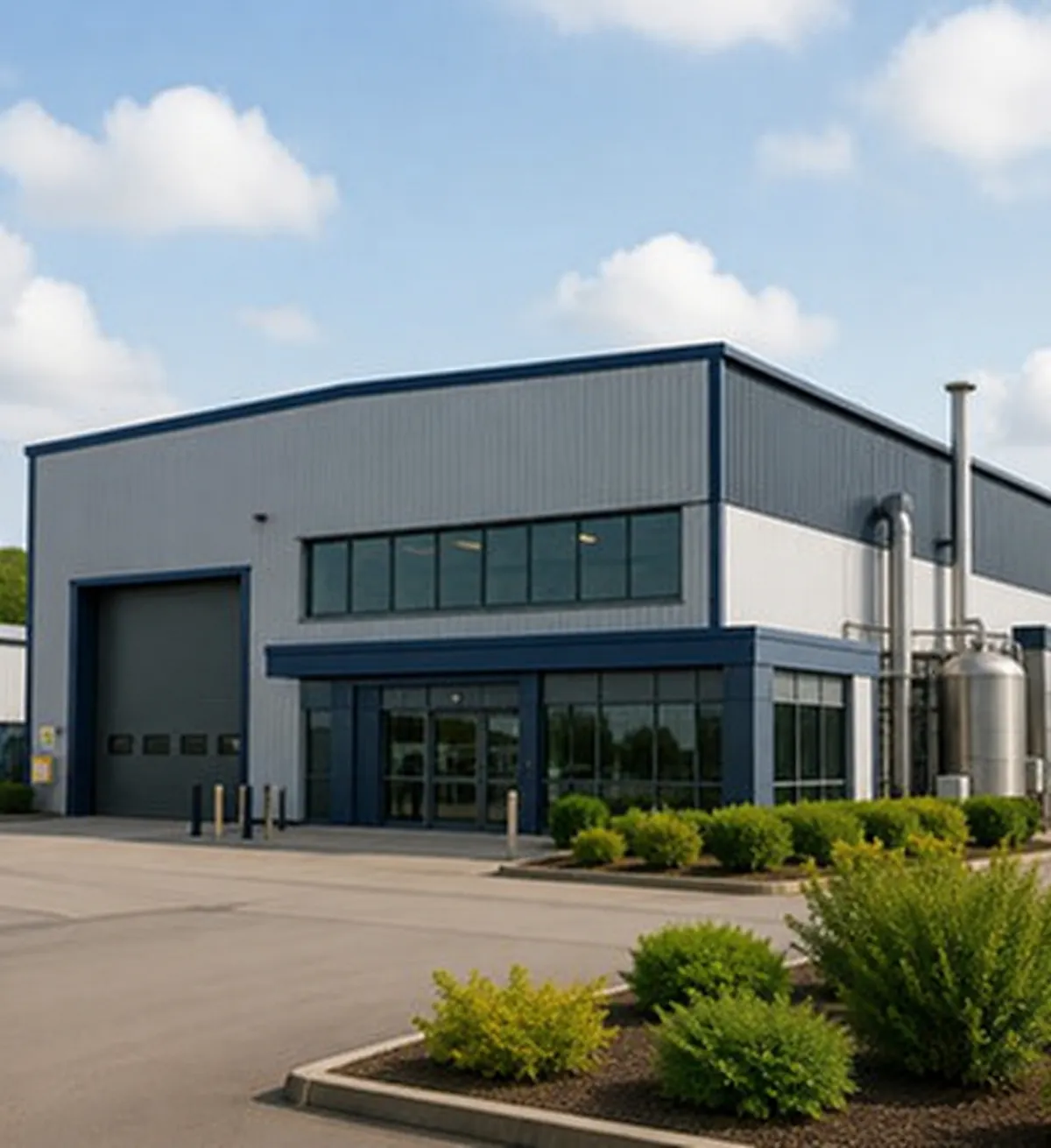
Manufacturing businesses often have significant daytime electricity demand, making commercial solar an effective way to support operational efficiency and reduce imported electricity.

Warehouses & Distribution Centres
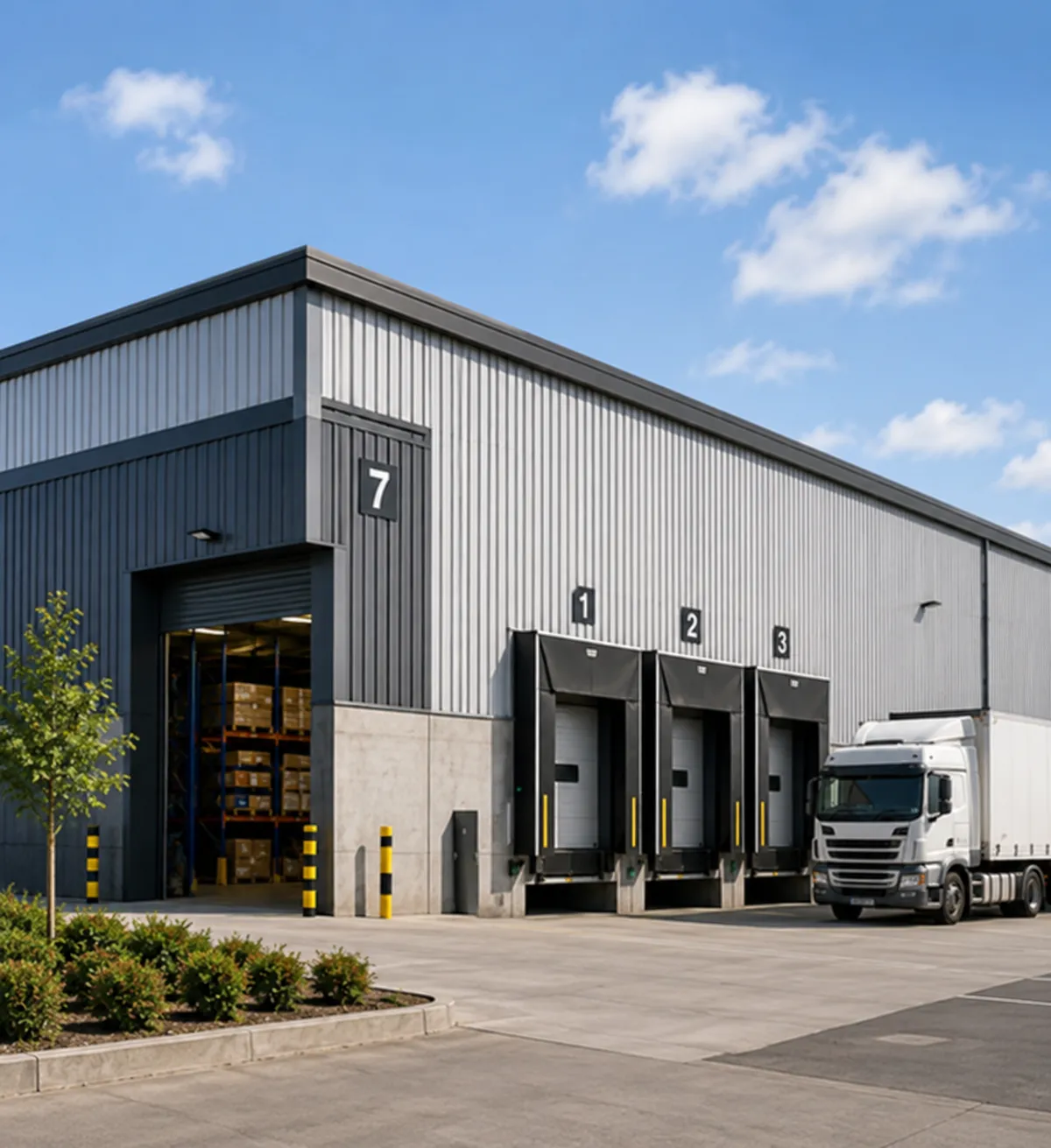
Warehousing and logistics operations can use commercial solar to support operational demand, refrigeration systems and future electrification projects.
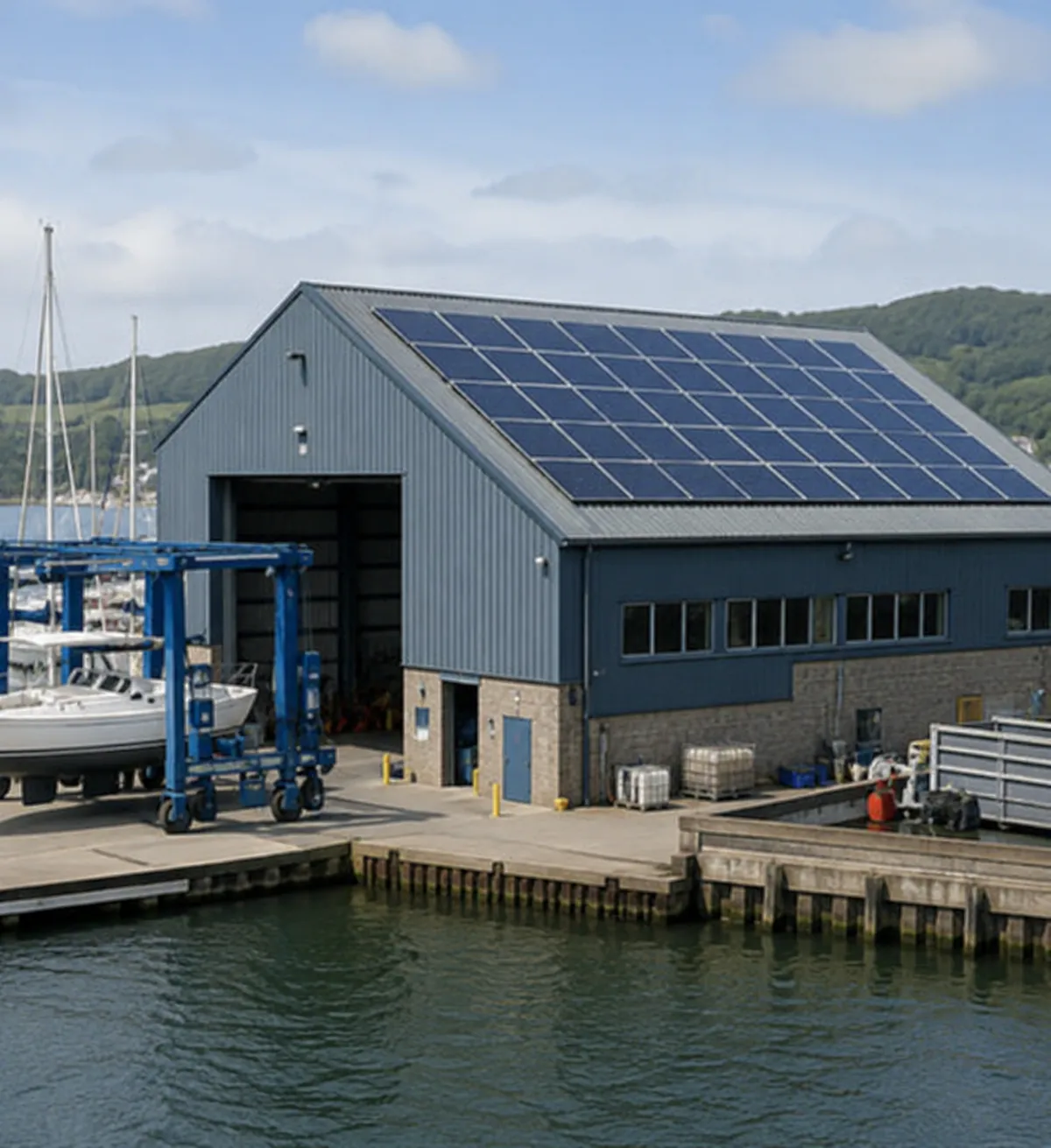

Marine & Engineering Businesses
Marine businesses, engineering firms and port-related operations can use commercial solar to support workshops, operational premises and wider business infrastructure.
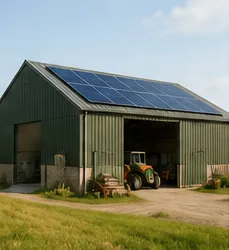

Agricultural Operations
Agricultural businesses often benefit from large roof areas and opportunities for long-term energy independence.
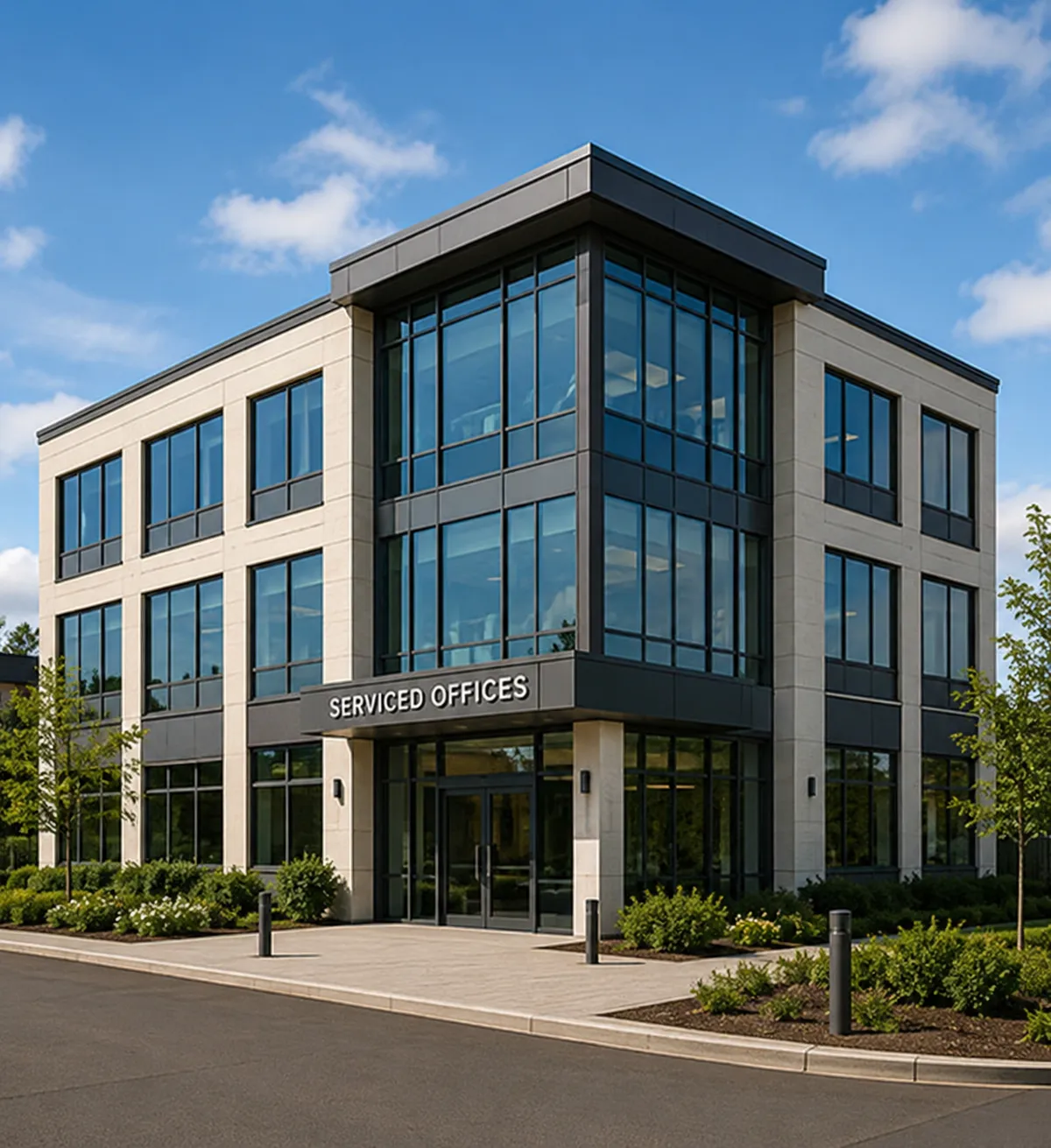

Commercial Offices & Business Premises
Office environments can use commercial solar alongside battery storage and workplace EV charging infrastructure.
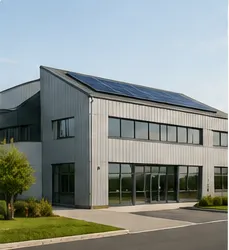

Industrial Estates & Business Parks
Commercial solar can support multi-tenant business parks, industrial estates and operational sites with long-term energy planning.
Commercial Solar and Battery Storage
Commercial solar and battery storage often work particularly well together.
While solar PV generates electricity during daylight hours, battery storage can help businesses retain surplus energy for use later when demand increases or solar generation falls.
This can improve solar self-consumption, reduce imported electricity and create greater flexibility across the site.
Battery storage can also support wider energy management strategies by helping businesses better control when electricity is used rather than relying solely on when it is generated.
Without battery storage, surplus daytime solar generation may be exported even though electricity is imported later when site demand remains high.
Battery storage helps bridge this gap by allowing excess generation to be retained and used when it is most valuable to the business, improving solar self-consumption and increasing operational flexibility.
Commercial solar and battery storage may support:
- Making better use of generated electricity
- Reducing reliance on imported electricity
- Increasing solar self-consumption
- Supporting peak demand management
- Improving operational flexibility
- Strengthening long-term energy resilience
Creating a more flexible energy system
Battery storage is increasingly becoming part of wider commercial energy planning rather than a standalone technology.
When integrated with solar PV, battery storage may support load shifting, tariff optimisation, operational resilience and future electrification projects.
Bespoke PV designs commercial solar and battery systems around operational demand, generation profiles and long-term business objectives.
Commercial Solar and EV Charging
As electric vehicle adoption continues to increase, many Hampshire businesses are planning workplace charging, fleet charging and operational vehicle charging infrastructure.
Commercial solar can help support these transitions by generating renewable electricity during periods when vehicles are charging on-site.
For fleet operators, logistics businesses, engineering companies and commercial premises, solar generation can contribute towards wider electrification strategies while reducing reliance on imported electricity.
Commercial EV charging should increasingly be viewed as part of a wider energy strategy that includes solar generation, battery storage and long-term capacity planning.
Commercial solar may help support:
- Reducing EV charging electricity costs
- Supporting workplace and fleet charging infrastructure
- Making better use of on-site renewable energy
- Preparing for wider business electrification
- Integrating battery storage and EV charging
- Supporting long-term operational growth
Supporting fleet electrification and workplace charging
Many Hampshire organisations are now preparing for increasing EV adoption across company fleets, operational vehicles and employee transport.
Commercial solar can help support workplace charging infrastructure, fleet charging facilities and future electrification projects by providing renewable electricity that aligns with daytime charging demand.
Bespoke PV designs commercial solar systems that consider future charging requirements alongside wider business energy objectives.
Managing Peak Demand and Site Electricity Usage
Generating renewable electricity is only one part of effective commercial energy management. Businesses must also consider how electricity is consumed across the site and how demand varies throughout the day.
Many commercial and industrial premises experience periods where electricity demand increases significantly because multiple systems, processes or operational activities occur simultaneously.
These peaks may be caused by manufacturing equipment, refrigeration systems, HVAC plant, machinery, EV charging infrastructure, production processes, lighting or other high-demand electrical loads.
Commercial solar can help offset a proportion of this demand during daylight hours, while battery storage may further support site energy management by storing electricity for use during periods of increased consumption.
A joined-up approach to generation, storage and consumption can help businesses create a more balanced and controllable energy profile.
Commercial energy management strategies may support:
- Reducing peak electricity demand
- Making better use of generated energy
- Supporting load shifting strategies
- Improving battery storage utilisation
- Reducing reliance on imported electricity
- Creating greater control over site energy usage
Reducing demand peaks through smarter energy planning
Peak demand is not always caused by overall electricity consumption. In many cases it is the timing of electricity usage that creates operational challenges.
By understanding when energy is generated, stored and consumed, businesses can often create more efficient energy strategies that reduce unnecessary demand spikes and improve overall site performance.
Battery storage may help support load shifting by storing surplus solar generation or imported electricity for use later when demand is higher.
This can improve solar self-consumption, support operational flexibility and help businesses make better use of their available electrical infrastructure.
As commercial energy systems become increasingly interconnected, demand management is becoming an important part of wider business energy planning.
Bespoke PV designs commercial solar and battery systems around real site demand profiles, helping organisations create energy infrastructure that supports both current operations and future growth.
Reducing Electricity Costs and Improving Energy Control
One of the primary reasons businesses invest in commercial solar is to reduce long-term reliance on imported electricity.
Electricity costs represent a significant operational expense for many organisations, particularly those operating energy-intensive equipment, manufacturing processes, refrigeration systems, warehouses, commercial kitchens or extended operating hours.
By generating electricity on-site, businesses may be able to reduce exposure to future energy price volatility while gaining greater control over how electricity is sourced and consumed.
Commercial solar is not simply about reducing bills in the short term. For many organisations, it forms part of a wider strategy focused on improving operational efficiency, reducing long-term energy exposure and creating greater certainty around future electricity costs.
Commercial solar may help organisations:
- Reducing imported electricity
- Lowering long-term operating costs
- Improving visibility over energy usage
- Reducing exposure to future energy price increases
- Supporting operational efficiency
- Creating greater control over electricity consumption
Creating greater visibility over energy expenditure
Businesses that generate a proportion of their own electricity often gain greater visibility into how energy is used across the site.
Understanding when electricity is generated, imported, exported and consumed can support better decision-making around operational demand, future investments and wider energy planning.
As energy costs become an increasingly important business consideration, visibility and control can be just as valuable as generation itself.
Bespoke PV helps organisations understand how commercial solar fits within broader energy management and operational efficiency strategies.
Operational Resilience and Energy Independence
For many organisations, energy is not only a cost issue. It is also an operational continuity issue.
As businesses become increasingly dependent on electrical infrastructure, resilience and flexibility are becoming more important considerations within long-term energy planning.
Commercial solar can contribute towards wider resilience strategies by helping businesses generate electricity on-site and reduce reliance on external energy supplies.
When integrated with battery storage, solar PV may also support selected resilience objectives, backup power strategies and operational continuity planning.
Commercial solar can contribute towards:
- Reducing reliance on imported electricity
- Supporting operational continuity planning
- Improving long-term energy independence
- Strengthening site energy resilience
- Supporting battery-backed energy strategies
- Creating greater flexibility during periods of disruption
Planning for future energy flexibility
Resilience planning increasingly extends beyond emergency backup power alone.
Future flexibility, generation diversity, battery storage integration, electrification projects and operational adaptability can all form part of a wider resilience strategy.
Businesses that generate, store and manage more of their own electricity often gain greater flexibility when planning future energy infrastructure.
Bespoke PV designs commercial solar systems that consider future operational requirements as well as current energy demand.
Monitoring, Performance and Long-Term Optimisation
Monitoring and performance visibility are important parts of modern commercial solar systems.
Commercial solar systems generate large amounts of operational data. Monitoring platforms help businesses understand not only how much electricity is generated, but also how that energy interacts with wider site operations.
A solar installation should not simply be installed and forgotten. Its performance should be assessed in the context of site demand, imported electricity, battery storage behaviour, EV charging demand and wider operational activity.
Monitoring platforms can provide visibility into:
- solar generation - imported electricity - exported electricity - solar self-consumption - battery charging behaviour - EV charging demand - operational electricity usage - long-term energy trends
This visibility can help businesses understand whether their energy strategy is supporting operational objectives and where future optimisation opportunities may exist.
- Tracking system performance over time
- Understanding site energy usage
- Identifying optimisation opportunities
- Monitoring solar and battery performance
- Supporting long-term energy planning
- Improving operational decision-making
Using performance data to inform future decisions
Monitoring can help businesses refine operating strategies, assess future expansion opportunities and identify how renewable energy assets are contributing towards wider organisational goals.
Bespoke PV supports businesses with monitoring setup, performance reviews and long-term renewable energy planning.
Net Zero, ESG and Sustainability Objectives
Commercial solar can play an important role in wider sustainability and carbon reduction strategies.
Many organisations are seeking to reduce operational emissions, improve environmental performance and demonstrate measurable progress towards long-term sustainability goals.
Generating renewable electricity on-site can contribute towards broader environmental initiatives while supporting operational energy requirements.
Commercial solar may form part of a wider sustainability strategy that also includes:
- Reducing operational carbon emissions
- Increasing on-site renewable energy generation
- Supporting Net Zero commitments
- Integrating battery storage and EV charging
- Improving environmental performance reporting
- Supporting long-term sustainability goals
Supporting long-term environmental performance
The strongest sustainability outcomes are often achieved when renewable energy generation is integrated with wider operational planning.
Commercial solar, battery storage, EV charging and electrification projects can work together to create a more coordinated approach to long-term environmental performance.
Bespoke PV helps organisations design renewable energy strategies that support both operational and sustainability objectives.
Future-Proofing Commercial Energy Infrastructure
Commercial energy requirements are unlikely to remain static.
Across Hampshire, many businesses are planning for increasing electricity demand driven by fleet electrification, industrial decarbonisation, battery storage deployment, automation, advanced manufacturing, logistics expansion and wider electrification projects.
From manufacturing facilities and distribution centres to marine businesses, agricultural enterprises and commercial premises, organisations are increasingly reviewing how future energy infrastructure will support long-term growth.
A solar system designed only around today's requirements may not provide the flexibility needed to support future operational requirements.
Future-proofing commercial solar means considering how operational demand, renewable generation, battery storage, EV charging and wider site infrastructure may evolve over the coming years.
Future planning may include:
- Preparing for future increases in electricity demand
- Supporting battery storage and EV charging expansion
- Allowing for future solar system growth
- Accommodating changing operational requirements
- Supporting industrial and technological development
- Improving long-term energy flexibility
Building flexibility into long-term energy strategies
The most effective commercial solar projects are designed with future expansion and adaptability in mind.
By considering battery storage, EV charging, industrial growth, additional facilities and future electricity demand at the design stage, Hampshire businesses can create energy infrastructure that remains valuable as operational requirements evolve.
Commercial solar increasingly forms part of a wider energy ecosystem rather than a standalone installation.
Bespoke PV designs commercial solar systems around long-term flexibility rather than short-term assumptions.
Designed Around How Your Business Uses Electricity
No two organisations consume electricity in exactly the same way.
Operating hours, equipment usage, operational priorities, charging demand, growth plans and sustainability objectives all influence how a commercial solar system should be designed.
That is why Bespoke PV takes a design-led approach rather than recommending generic solar packages.
Every project is considered in the context of operational demand, future energy requirements, battery storage opportunities, EV charging plans and wider business objectives.
Whether the goal is reducing electricity costs, supporting electrification, improving resilience or contributing towards sustainability targets, Bespoke PV designs commercial solar systems around the way businesses actually use energy.
From standalone solar installations to fully integrated renewable energy systems, Bespoke PV helps organisations create energy infrastructure that remains effective as operational requirements evolve.
- Designing around operational energy demand
- Supporting long-term business objectives
- Integrating solar, battery storage and EV charging
- Preparing for future energy requirements
- Creating flexible energy infrastructure
- Developing a long-term energy strategy