





EV Charging Across West Sussex
EV charging requirements vary significantly across West Sussex.
A coastal home near Worthing, Bognor Regis or Littlehampton may have different energy priorities from a rural property near Petworth, Midhurst or the South Downs. A business in Crawley, Horsham or Chichester may need charging infrastructure designed around staff, visitors, fleet vehicles or customer access.
For many West Sussex properties, EV charging is no longer just about installing a charger. It affects electricity demand, tariff selection, solar self-consumption, battery storage planning and future electrification.
Bespoke PV designs EV charging systems around the property, the vehicle usage, the available electrical capacity and the wider renewable energy strategy.
EV Charging for Coastal and Rural Properties
West Sussex includes a wide mix of coastal homes, village properties, rural residences, period buildings and larger detached homes.
These properties often have different charging considerations from standard urban installations. Driveway access, cable routes, charger positioning, electrical capacity, visual impact and future energy plans may all influence the final design.
For coastal properties, equipment specification and installation details may need careful consideration. For rural homes, reliable private charging can be especially valuable where public charging access may be less convenient.
Bespoke PV assesses the property layout, parking arrangements, electrical infrastructure and wider renewable energy plans before recommending an EV charging system.
Why Property Design Matters for EV Charging
A successful EV charging installation should be designed around the property as much as the vehicle.
Some West Sussex homes have straightforward driveway parking and modern electrical infrastructure. Others may involve period features, listed building considerations, long cable routes, detached garages, outbuildings, agricultural buildings or shared commercial parking areas.
The charger location, cable route, load management setup, solar PV integration and battery storage compatibility can all affect how well the system performs over time.
That is why Bespoke PV takes a design-led approach rather than recommending generic charger packages.
- Driveway charging
- Coastal homes
- Rural properties
- Listed buildings
- Commercial premises
- Future-ready electrical planning
West Sussex Property Types We Design EV Charging For
Homes and businesses across West Sussex vary considerably, from coastal properties and period homes to rural residences, agricultural sites and commercial premises. Bespoke PV designs EV charging systems around how each property uses electricity, rather than relying on generic charger packages.

Detached Homes
Detached homes across West Sussex often benefit from smart EV charging designed around driveway access, household demand, solar PV, battery storage and future vehicle ownership.

Rural Properties
Rural West Sussex properties may need EV charging systems designed around private charging reliability, longer journeys, battery storage and renewable energy resilience.
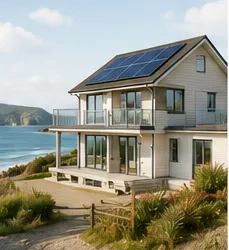

Coastal Homes
Coastal homes in Worthing, Bognor Regis, Littlehampton and surrounding areas can benefit from carefully specified EV charging equipment, smart tariffs and solar-integrated charging.


Listed Buildings
Listed and period properties across West Sussex may require sensitive charger positioning, discreet cable routes and careful integration with the property’s appearance.


Commercial Premises
Commercial EV charging in West Sussex can support staff, visitors, customers, fleet vehicles, load management and wider renewable energy planning.
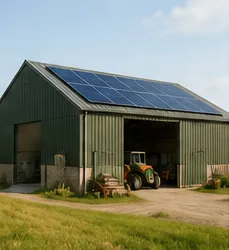

Agricultural Buildings
Agricultural and rural sites across West Sussex may benefit from EV charging designed alongside solar PV, battery storage and future electric vehicle or equipment use.
Solar-Powered EV Charging in West Sussex
Solar-powered EV charging can be particularly valuable for West Sussex homes where vehicles are parked at the property during daylight hours.
Instead of exporting surplus solar generation to the grid, a smart charger can prioritise available solar electricity for vehicle charging when suitable.
This can improve solar self-consumption and help reduce the amount of electricity imported from the grid for vehicle charging.
For households with home working patterns, second vehicles, flexible charging times or battery storage, solar-integrated EV charging can form an important part of a lower-cost long-term energy strategy.
- Solar EV charging
- Surplus solar charging
- Solar self-consumption
- Daytime vehicle charging
- Battery storage integration
- Lower grid imports
Making Better Use of Solar Energy for EV Charging
Many West Sussex homeowners already generate solar electricity during the day that would otherwise be exported to the grid.
Smart EV charging systems can automatically direct surplus solar generation into the vehicle when available, helping improve solar self-consumption and reduce reliance on imported electricity.
For households with battery storage, this flexibility can be increased further by storing excess generation for later use.
By combining EV charging, solar PV and battery storage into a single energy strategy, many homeowners can make better use of the electricity they generate on-site.
Smart Tariffs and Off-Peak Charging for West Sussex Homes
Smart electricity tariffs can make a significant difference to the cost of charging an electric vehicle at home.
For West Sussex households with regular vehicle use, overnight parking or predictable charging needs, off-peak charging can help reduce long-term running costs compared with charging during peak-rate periods.
A well-designed EV charging setup should consider the tariff window, charger output, vehicle battery size, household demand and whether battery storage is also installed.
Where battery storage is part of the system, the property may also be able to store lower-cost electricity for use later, supporting wider load shifting across the home.
- Off-peak charging schedules
- Smart tariff optimisation
- Overnight EV charging
- Charging plans based on vehicle usage
- Battery storage and load shifting
- Reduced peak-rate electricity demand
Battery Storage and EV Charging for Future Flexibility
Battery storage can make EV charging more flexible by helping a West Sussex property store electricity before it is needed by the vehicle.
Stored energy may come from surplus solar generation, lower-cost overnight tariff periods or a combination of both.
This can be useful for homes where the vehicle is not always available during peak solar generation, or where evening household demand is already high.
As more West Sussex homes add EV charging, solar PV, heat pumps and smart tariffs, battery storage can become an important part of managing electricity demand across the whole property.
- Battery-assisted EV charging
- Solar generation stored for later use
- Off-peak charging and load shifting
- Tariff optimisation
- Support for higher household demand
- Future EV and heat pump planning
EV Charging for West Sussex Businesses
Commercial EV charging is becoming increasingly important for West Sussex businesses planning staff charging, visitor charging, customer charging or wider sustainability improvements.
Hospitality venues, offices, rural businesses, visitor destinations, retail premises, warehouses and commercial sites may all have different charging requirements depending on vehicle usage, operating hours, parking layout and electrical capacity.
A commercial charging system should consider how vehicles will be used throughout the day, whether access needs to be controlled or monitored, and whether future expansion is likely.
Bespoke PV designs commercial EV charging systems across West Sussex that can work alongside solar PV, battery storage, load management and long-term business energy planning.
- Workplace EV charging
- Visitor charging
- Customer charging
- Hospitality charging
- Commercial load management
- Solar-integrated business charging
Managing Electrical Capacity and Future Growth
EV charging is often one of the largest electrical loads in a property, so available electrical capacity needs to be considered carefully.
This is especially important where EV charging is being added alongside battery storage, solar PV, heat pumps, electric cooking, home offices or commercial equipment.
Load balancing and dynamic load management can help ensure available electrical capacity is used efficiently. Modern smart charging systems can automatically adjust charging rates in response to changing household or business demand.
This can help protect the electrical supply while maintaining practical vehicle charging performance.
For West Sussex homes and businesses planning future electrification, this type of design consideration can reduce the risk of avoidable electrical alterations later.
- Dynamic load management
- Electrical capacity assessment
- Multiple EV charging
- Heat pump compatibility
- Battery storage integration
- Future-proof electrical design
Monitoring, Visibility and Long-Term EV Charging Performance
Monitoring is an important part of any modern EV charging installation.
Smart charging platforms can help West Sussex homeowners and businesses understand when vehicles are charging, how much electricity is being used and whether charging schedules are working effectively.
For properties with solar PV or battery storage, monitoring can also help show how much charging is being supported by on-site generation or stored energy rather than direct grid import.
This visibility makes it easier to optimise charging behaviour, review electricity usage patterns and adjust schedules around smart tariffs, vehicle usage and wider household demand.
Bespoke PV supports West Sussex customers with EV charger setup, monitoring advice, solar-integrated charging, battery-integrated charging, charger upgrades and long-term renewable energy planning.
- Charging session visibility
- Solar contribution tracking
- Electricity consumption monitoring
- Smart charging schedules
- Tariff optimisation
- Long-term system support
EV Charging as Part of a Smarter Home Energy Strategy
For many West Sussex homeowners, EV charging is increasingly forming part of a wider shift towards smarter energy management rather than a standalone technology purchase.
Many customers installing an EV charger are also considering solar PV, battery storage, heat pumps, smart electricity tariffs and future increases in electricity demand.
When these systems are planned together, they can support each other more effectively. Solar PV can help provide renewable electricity, battery storage can improve flexibility, smart tariffs can reduce charging costs and load management can help protect available electrical capacity.
A system designed only around today's vehicle may work initially, but it may not provide the best long-term outcome if the property later adds a second EV, battery storage, a heat pump or wider electrical upgrades.
Bespoke PV helps customers across West Sussex plan EV charging as part of a long-term energy strategy, ensuring the installation supports current requirements while allowing flexibility for future electrification.
- Solar PV integration
- Battery storage compatibility
- Smart tariff optimisation
- Heat pump planning
- Future EV ownership
- Long-term energy flexibility
Designed Around the Way Your West Sussex Property Uses Energy
No two West Sussex properties use electricity in exactly the same way. Vehicle mileage, charging habits, solar generation, battery storage, household demand, business operations and future electrification plans all influence how an EV charging system should be designed.
That is why Bespoke PV takes a design-led approach rather than recommending generic charging packages.
Every project is considered in the context of the wider property energy system, helping ensure the charger, electrical infrastructure and future energy technologies work together effectively.
Whether the objective is reducing EV charging costs, increasing solar self-consumption, preparing for battery storage, supporting future vehicle ownership or building a more flexible long-term energy strategy, Bespoke PV provides practical advice and carefully considered system design.
From standalone home chargers to fully integrated renewable energy systems, Bespoke PV helps West Sussex homeowners and businesses create EV charging solutions that remain effective as energy requirements evolve.
- Bespoke EV charging design
- Solar and battery integration
- Smart tariff optimisation
- Future-ready electrification planning
- Long-term technical support