Charge Cycles
Frequent charging and discharging gradually contributes to battery wear over time.

Solar battery lifespan depends on several factors including usage patterns, system design, charging behaviour, battery chemistry and overall installation quality.
Yes. Like most rechargeable battery technologies, solar batteries gradually degrade over time through normal use.
However, modern battery systems are designed to operate for many years and can continue delivering significant value long after installation.
The key point is that battery ageing is usually gradual rather than sudden.
Most systems slowly lose some storage capacity over time rather than stopping abruptly.
Frequent charging and discharging gradually contributes to battery wear over time.
Extreme temperatures may affect long-term battery performance and efficiency.
Good inverter integration, charging control and installation quality all influence battery longevity.
Battery lifespan is often discussed in terms of cycles.
A cycle generally refers to charging and discharging stored electricity.
A heavily used battery may experience more cycling than a lightly used system.
Battery lifespan is not only about the battery itself.
Good system design, sensible sizing, quality monitoring and correct installation all contribute significantly to long-term performance.
Some reduction in storage capacity over time is normal.
A battery may not store exactly the same amount of electricity after many years of operation compared with when it was new.
Manufacturers often specify expected remaining capacity after a certain number of years or cycles.
Read our guide: Solar Battery Warranty Guide
Different battery technologies behave differently.
Modern residential battery systems commonly use lithium-based chemistries, although different formulations can vary.
Battery chemistry should be considered alongside system design, monitoring quality and installer expertise.
Some systems support future expansion or replacement.
Homeowners increasingly want flexibility for future energy planning.
Compatibility depends on the manufacturer, inverter platform and system architecture.
Read our guide: Should You Add Battery Storage Later?
Monitoring platforms help homeowners understand long-term system behaviour.
Monitoring helps identify changes in performance over time and supports better long-term energy optimisation.
Increasingly, homeowners view battery storage as part of wider energy planning.
Many customers now view battery storage as part of wider energy resilience planning.
Read our article: Why Solar Payback Is the Wrong Question
Yes. Some gradual capacity reduction through normal use is expected over time.
Usage patterns, cycle frequency, operating temperatures and overall system design all affect lifespan.
Some systems allow future expansion depending on compatibility and system design.
Yes. Monitoring helps homeowners understand system performance and long-term behaviour.
No. Installer quality, system design and manufacturer support are also important considerations.
Explore related Bespoke PV articles and renewable energy insights.


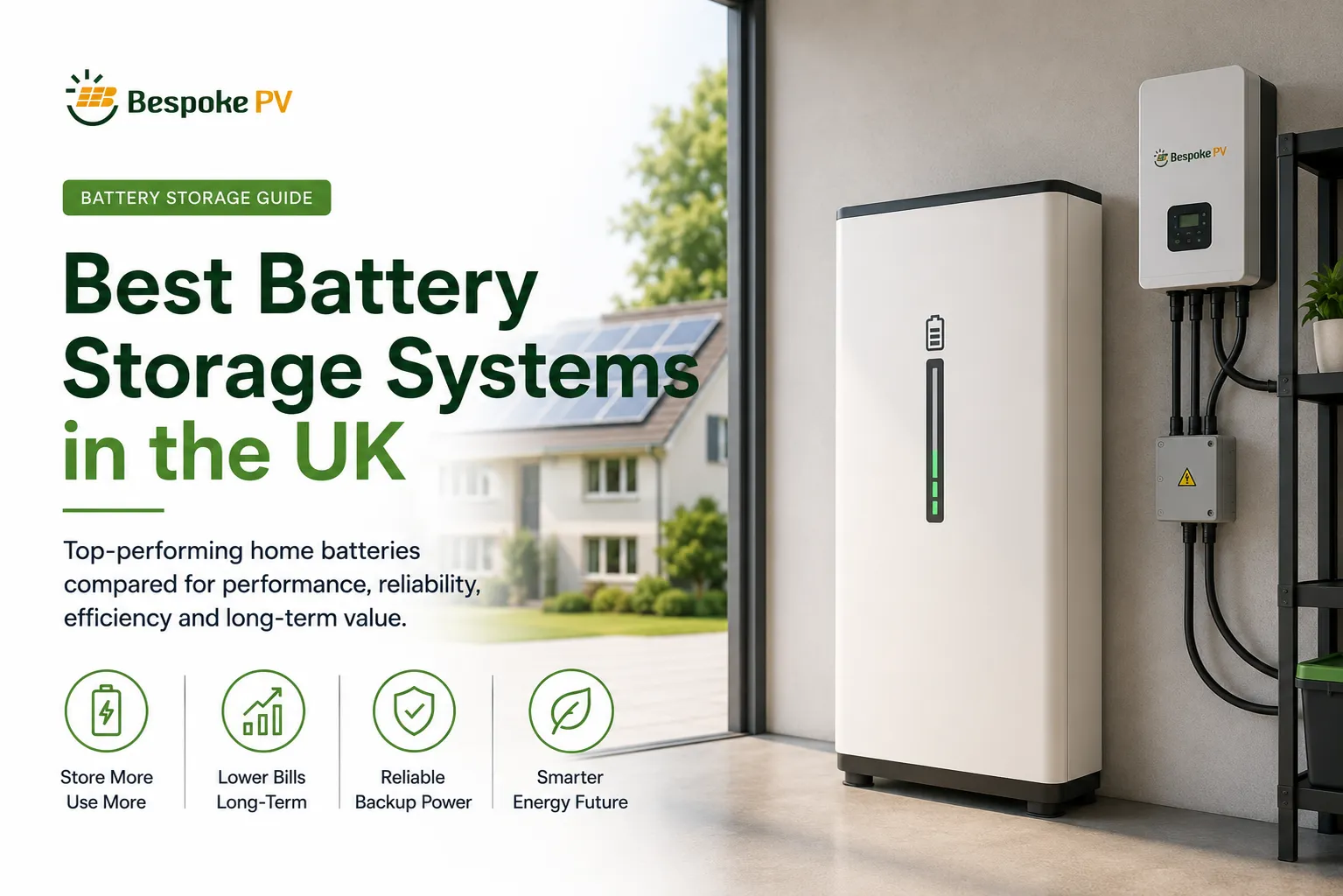
Explore renewable energy systems designed and installed by Bespoke PV.
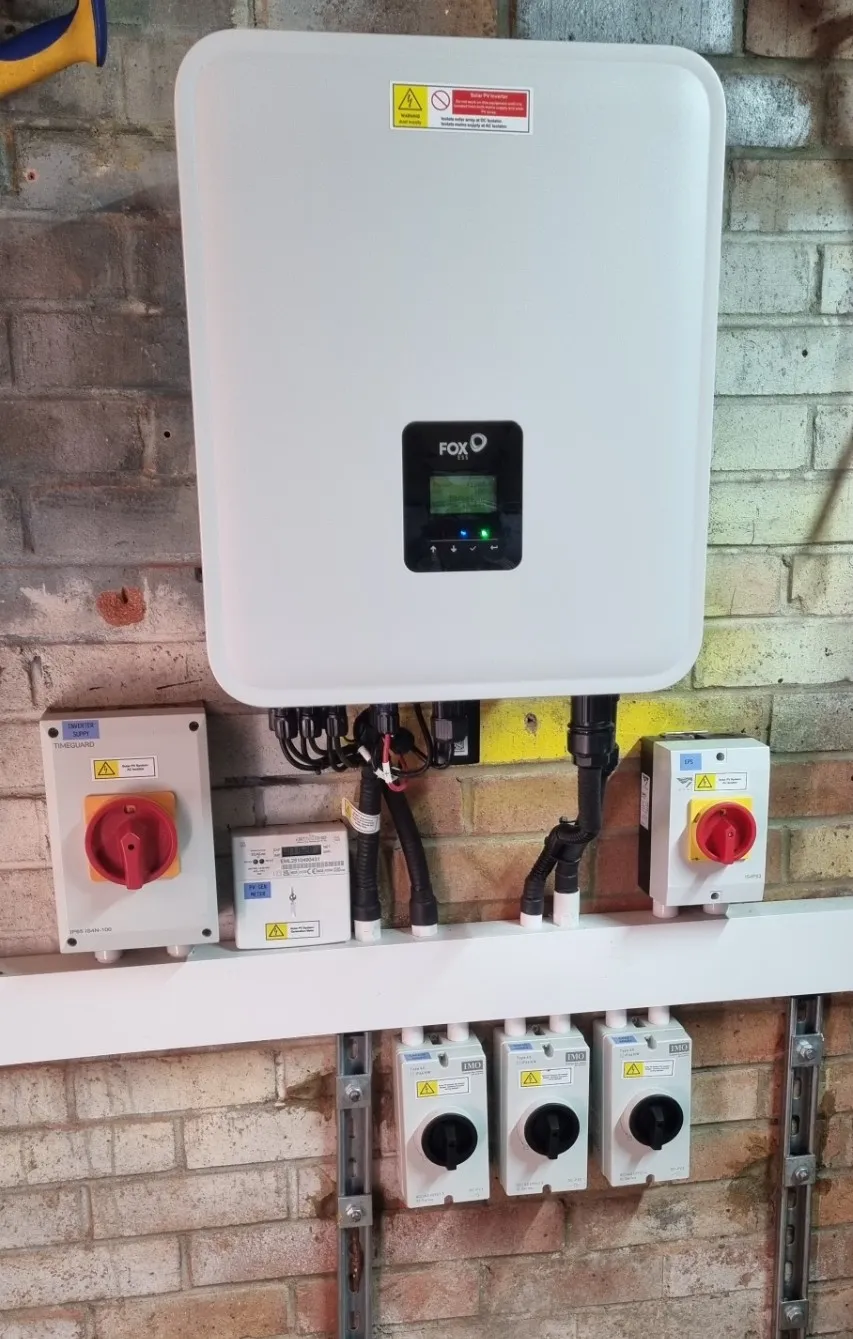
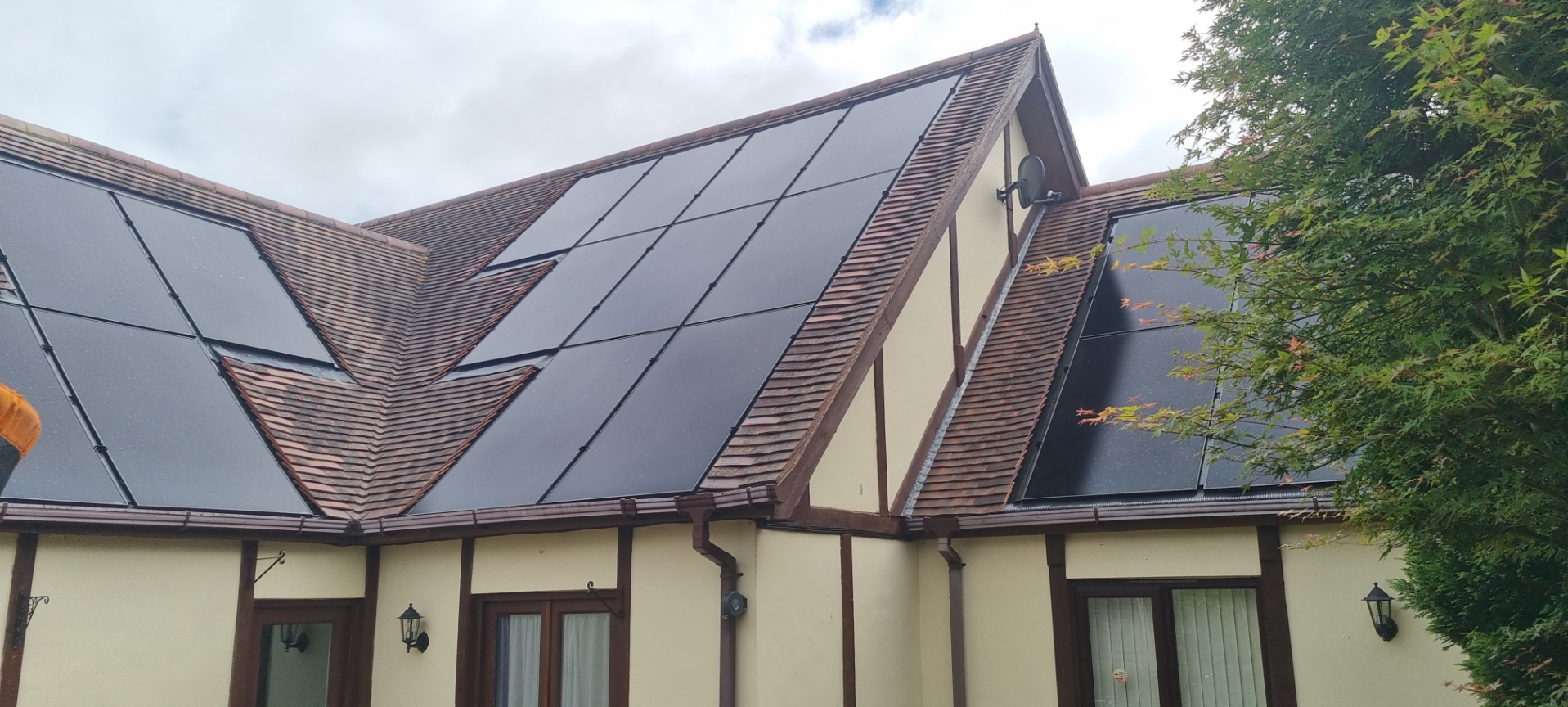
Bespoke PV designs solar PV, battery storage and EV charging systems across Hampshire, Dorset and the South Coast.
Bespoke solar PV, battery storage and EV charging systems for Southampton homes and businesses, designed around roof space, usage and future energy plans.
Solar panels in Southampton →Bespoke solar PV, battery storage and EV charging systems for homes and businesses across Winchester and Hampshire.
Solar panels in Winchester →Solar PV, battery storage and EV charging systems for homes and businesses across Portsmouth and the South Coast.
Solar panels in Portsmouth →Solar PV, battery storage and EV charging systems for homes and businesses across Bournemouth and the South Coast.
Solar panels in Bournemouth →Bespoke PV designs solar PV, battery storage and EV charging systems across Hampshire, Dorset, Wiltshire and the South Coast.
Speak with Bespoke PV about battery storage design, monitoring and long-term reliability.